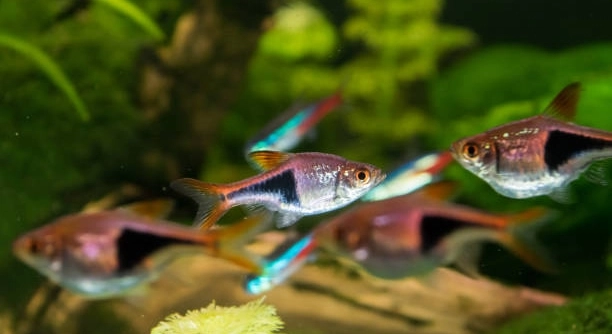
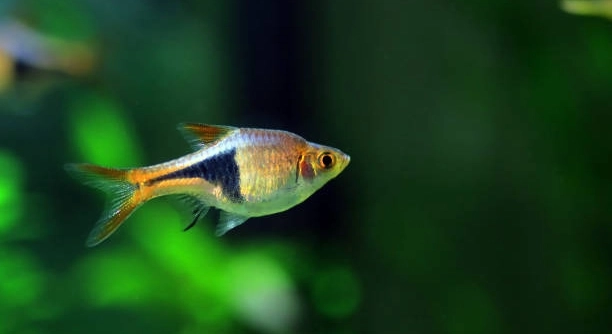
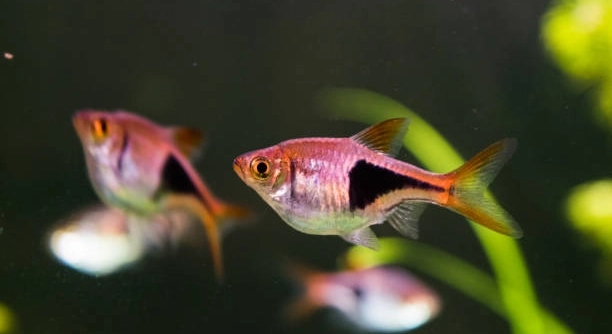
Can Rasboras Recognize Their Tank Decor?
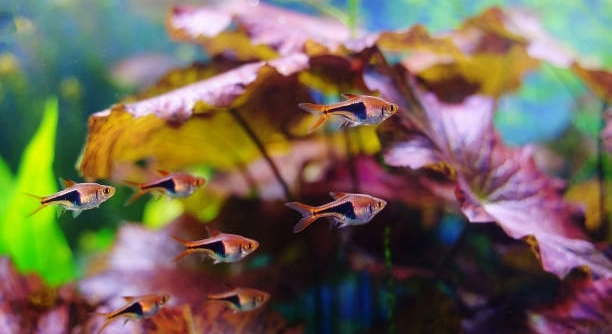
Rasboras are small, lively fish that add charm to any freshwater tank. Observing their behavior can reveal surprising patterns in how they interact with their environment and surroundings. Their movements often reflect comfort and curiosity in familiar spaces. Research indicates that rasboras can recognize elements of their tank decor, showing consistent preferences for specific plants, … Read more
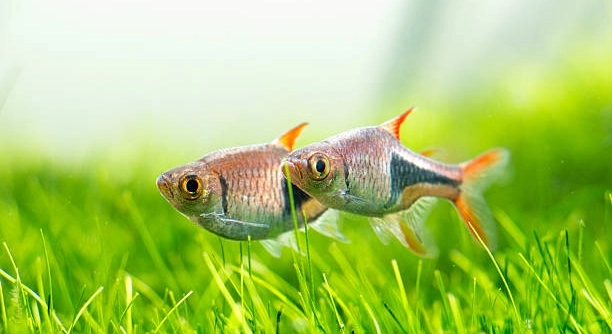
Can Rasboras Be Trained to Eat by Hand?

Rasboras are small, active fish that add charm to any freshwater aquarium. Watching them swim in groups is enjoyable, and many hobbyists take interest in interacting with their fish in more personal ways. Hand-feeding can be one of those interactions. Rasboras can be trained to eat by hand with patience and consistency. Repeated exposure to … Read more

7 Causes of Fin Clamping in Rasboras

Fin clamping in rasboras can be worrying for many fish owners. It often signals discomfort or stress in the fish. Recognizing this behavior early helps maintain a healthy and comfortable environment for your aquatic pets. Fin clamping in rasboras is typically caused by environmental stressors, poor water quality, disease, parasites, or nutritional deficiencies. Identifying and … Read more

Why Is My Rasbora Shaking or Twitching?

Is your rasbora suddenly shaking or twitching in its tank? These small, active fish can display unusual movements that catch the attention of any attentive fish keeper. Understanding the cause is important for their well-being. Shaking or twitching in rasboras is commonly caused by water quality issues, stress, parasites, or sudden changes in their environment. … Read more

7 Tips to Help Rasboras Settle After Moving

Do your rasboras seem unsettled after a recent move to a new tank? Adjusting to a new environment can be stressful for small fish, and their behavior may change as they try to acclimate to unfamiliar surroundings. Helping rasboras settle involves maintaining stable water conditions, providing adequate hiding spots, monitoring their diet, and minimizing sudden … Read more

Do Rasboras Mourn Lost Tankmates?

Rasboras are small, lively fish that often bring color and movement to a home aquarium. Many aquarists notice their social nature and how they interact with each other in groups, creating a peaceful and active environment. Research suggests that rasboras may exhibit signs of stress or altered behavior after the loss of tankmates. While direct … Read more

7 Reasons Rasboras May Refuse to School

Rasboras are known for their lively schooling behavior, but sometimes they may swim alone or in small groups. This unexpected behavior can be worrying for hobbyists who expect their fish to stay together naturally. Rasboras may refuse to school due to stress, poor water conditions, insufficient tank size, incompatible tank mates, lack of hiding spots, … Read more

7 Subtle Signs of Dominance in Rasboras

Rasboras are small, lively fish that often share their tanks with others peacefully. However, subtle behaviors can indicate dominance within the group, affecting feeding and swimming patterns. Observing these signs can help maintain a harmonious aquarium environment. Dominance in rasboras is typically expressed through minor physical and behavioral cues such as fin displays, chasing, nipping, … Read more

Do Rasboras Need Constant Water Flow?

Do you enjoy keeping a small, colorful aquarium but find yourself unsure about the ideal water conditions for your fish? Rasboras are popular for their calm nature, but understanding their habitat needs is essential for their health. Rasboras do not require constant water flow to thrive. Moderate movement helps maintain oxygen levels and prevents stagnation, … Read more

7 Tiny Changes That Boost Rasbora Behavior

Keeping a small group of rasboras can be rewarding, but subtle behavior changes can make a big difference in their well-being. Observing their interactions and environment closely helps identify areas where minor adjustments are needed. Simple modifications in tank setup, feeding routines, and environmental enrichment can significantly enhance rasbora behavior. Adjusting water flow, lighting, plant … Read more