
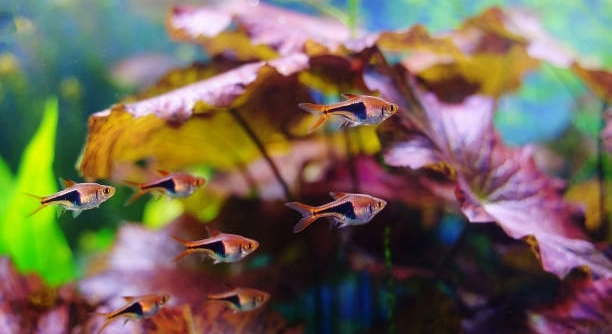
Do your rasboras seem unsettled after a recent move to a new tank? Adjusting to a new environment can be stressful for small fish, and their behavior may change as they try to acclimate to unfamiliar surroundings.
Helping rasboras settle involves maintaining stable water conditions, providing adequate hiding spots, monitoring their diet, and minimizing sudden disturbances. Ensuring proper acclimation practices reduces stress, promotes healthy behavior, and supports long-term adaptation to the new habitat.
Following these tips will guide you in creating a calm and secure environment for your rasboras, encouraging them to thrive in their new home.
Prepare the Tank Before Moving
Before introducing rasboras to a new tank, it is essential to prepare the environment carefully. Begin by cycling the tank to establish stable water conditions, which helps prevent sudden stress or illness. Check the temperature, pH, and hardness, ensuring they match the species’ needs. Adding plants, rocks, and hiding spots allows the fish to explore gradually and feel secure. A properly prepared tank reduces erratic swimming or hiding behaviors. Avoid overcrowding and maintain gentle filtration to provide consistent water flow without causing strong currents that may overwhelm the fish. Regularly test water parameters and perform partial water changes to maintain cleanliness. This preparation creates a stable and comfortable environment, reducing the adjustment period. Observing the fish during the first few days allows you to notice signs of stress, illness, or aggression early. Maintaining patience and care during this phase ensures your rasboras start settling smoothly.
Proper tank preparation makes adaptation easier and helps prevent long-term stress for your fish.
Acclimating rasboras gradually allows them to explore safely, building confidence and encouraging natural behaviors like schooling and feeding. Consistent monitoring during these first days ensures their health and comfort.
Gradual Acclimation to New Water
Introduce rasboras slowly to the new water to avoid shocking their system.
Gradual acclimation involves floating the bag in the tank for 15–20 minutes, then slowly adding small amounts of tank water to the bag. Repeat this process over an hour or more. This method helps the fish adjust to temperature, pH, and mineral differences without stress. Sudden changes can cause shock, making the fish lethargic or prone to disease. Using a drip line or slowly pouring tank water into the transport bag ensures a smoother transition. During this period, observe the fish closely for signs of distress such as rapid gill movement or erratic swimming. A careful acclimation process strengthens the fish’s immune system and prepares them for their new environment. After releasing them, minimize disturbances, and let the fish explore freely while monitoring feeding behavior. This step is crucial for long-term comfort and adaptation.
Provide Hiding Spots
Rasboras need places to feel secure. Plants, rocks, and small decorations give them shelter and reduce stress. Hiding spots help shy fish gain confidence and encourage natural behaviors without feeling threatened.
Adding live or artificial plants, small caves, and dense decorations gives rasboras areas to retreat when stressed. This setup mimics their natural environment and promotes exploration at their own pace. Dense plants along the edges of the tank allow fish to hide and gradually adjust to open swimming spaces. Floating plants can also diffuse light, making the environment less intimidating. Arranging decorations with varying heights creates layers in the tank, giving the fish options for both hiding and schooling. Hiding spots are not only for security—they also reduce aggression among tank mates by providing separate zones. Maintaining cleanliness around these areas ensures the fish remain healthy and prevents algae or debris buildup that could impact their comfort.
Carefully planned hiding spaces also improve overall tank aesthetics while supporting the natural behavior of rasboras. A well-structured environment fosters calm, confident fish who adapt faster to new surroundings.
Monitor Feeding Closely
Overfeeding can stress rasboras and pollute the tank. Feed small amounts and remove leftovers promptly to maintain water quality.
Rasboras adjust better when their diet is consistent and manageable. Offer small portions two to three times daily, ensuring all fish eat evenly. Uneaten food can decompose, causing ammonia spikes that stress fish. Using high-quality flakes, micro pellets, or frozen foods ensures proper nutrition while preventing digestive issues. Observe their feeding behavior—reluctant eaters may indicate stress or water issues, requiring adjustments in tank conditions or diet. Feeding in areas with partial cover encourages hesitant fish to eat without fear. Consistency in timing and portion size supports digestion, growth, and immunity. Monitor water parameters regularly during the acclimation period, as changes in feeding habits can affect water quality. Maintaining a balanced feeding routine helps rasboras remain healthy and resilient.
Consistent, careful feeding strengthens immune systems, reduces stress, and supports rasboras’ overall adaptation to the new tank environment.
Maintain Stable Water Conditions
Rasboras are sensitive to sudden changes in temperature and water chemistry. Keep the water stable to reduce stress. Regular testing helps maintain safe levels of pH, ammonia, nitrites, and nitrates.
Use a reliable heater and thermometer to avoid fluctuations. Gentle filtration ensures clean water without strong currents that can overwhelm the fish.
Minimize Disturbances
Avoid tapping on the glass or moving decorations abruptly. Sudden movements startle rasboras and increase stress.
Rasboras feel safer in a calm environment. Limiting loud noises and frequent tank activity helps them explore naturally. Consistent routines create predictability, allowing the fish to adjust faster and maintain healthy behavior.
Observe Social Behavior
Rasboras are schooling fish and thrive in groups. Watch how they interact to ensure harmony.
Keep Lighting Consistent
Sudden changes in lighting can confuse or stress rasboras. Maintain a consistent day-night cycle using timers.
How long does it take for rasboras to settle in a new tank?
Rasboras typically need one to two weeks to adjust fully, though some may take longer depending on the environment. Factors like water quality, temperature stability, and tank setup directly affect their comfort level. Providing hiding spots and maintaining a calm environment can help speed up the adjustment process. During this time, monitor behavior closely. Signs of stress include hiding excessively, clamped fins, or erratic swimming. Gradual acclimation and consistent care reduce stress and promote quicker adaptation. Avoid introducing new fish or making major changes during this period, as it can delay settling.
What is the best water temperature for rasboras?
Most rasbora species thrive in water between 72°F and 79°F (22°C–26°C). Consistent temperature is more important than exact degrees. Sudden changes can shock the fish, affecting their immune system and behavior. Use a reliable heater and thermometer to monitor conditions. Avoid placing the tank near drafts, air conditioners, or windows that can cause fluctuations. Maintaining steady temperatures supports feeding, schooling, and natural activity patterns. Small fluctuations within this range are generally safe, but rapid swings should be corrected immediately. A stable environment reduces stress and encourages faster acclimation.
How many rasboras should be kept together?
Rasboras are schooling fish, and they feel safest in groups of at least six. Smaller numbers can cause stress or timid behavior. Larger groups promote natural movement patterns and reduce aggression. When introducing a new group, ensure the tank is spacious enough to accommodate all individuals comfortably. Provide hiding spots to reduce competition for space. Observing interactions helps determine if the group is harmonious. Schooling provides security, encourages exploration, and maintains healthy social behavior. Avoid mixing with overly aggressive or much larger fish, as this can cause stress or injury.
What should I feed my rasboras during the settling period?
Feed small amounts of high-quality flakes, micro pellets, or frozen foods like daphnia and brine shrimp. Avoid overfeeding, as leftover food can pollute the water and increase stress. During the first few days, offer food in small portions several times a day to encourage eating. Observe which fish are eating and ensure weaker or shy individuals receive access to food. Consistent feeding routines help maintain health and promote adaptation to the new tank. A balanced diet supports immune function and reduces susceptibility to stress-related illnesses. Remove uneaten food promptly to maintain water quality.
How often should I perform water changes for new rasboras?
During the first few weeks, perform partial water changes of 20–25% every two to three days. This helps remove excess waste, prevent ammonia spikes, and maintain stable water conditions. Use dechlorinated water that matches the tank’s temperature and parameters. Avoid complete water changes, as they can disrupt beneficial bacteria and stress the fish. Once the tank stabilizes and the fish adjust, partial changes can be reduced to weekly maintenance. Consistent monitoring of water parameters ensures a safe environment and supports healthy acclimation for the rasboras.
What signs indicate my rasboras are stressed?
Common signs of stress include clamped fins, hiding constantly, erratic swimming, loss of appetite, or color fading. Stress can result from poor water quality, temperature changes, overcrowding, or sudden disturbances. Observing the fish regularly helps identify problems early. Addressing water parameters, providing hiding spots, and maintaining consistent feeding routines reduce stress. Stress weakens the immune system, making rasboras more susceptible to disease. Early intervention ensures quicker recovery and smoother adaptation to the new tank.
Can rasboras be left alone during the settling period?
Yes, but only if the tank environment is stable and quiet. Frequent tapping, sudden movements, or excessive handling can increase stress. Minimal disturbance allows them to explore naturally and build confidence in their new surroundings. Maintaining consistent lighting, temperature, and feeding routines supports independence while reducing stress. Observation should still occur daily to check for signs of illness or conflict among the group.
How do I encourage shy rasboras to explore?
Provide dense plants, caves, and floating vegetation to offer security while encouraging movement. Place food near hiding spots to lure them gradually into open areas. Gentle lighting and consistent routines build trust and reduce fear. Avoid sudden changes or disturbances. Over time, shy individuals will begin to join the group and display normal schooling behavior.
Is it normal for rasboras to hide a lot at first?
Yes, hiding is a natural response to a new environment. It helps them feel safe while acclimating. With proper hiding spots and minimal disturbances, most rasboras gradually increase activity and schooling. Observing them over days will show a steady reduction in hiding as confidence grows.
Should I introduce new fish during the settling period?
It is best to wait until rasboras are fully acclimated before adding new tank mates. Introducing others too soon can increase stress, disrupt social behavior, and lead to competition for space and food. Gradually introducing new fish after the group has adjusted ensures harmony and reduces risks.
How can I reduce stress from handling during the move?
Use a clean, soft net and handle fish gently if necessary. Limit direct contact and avoid transferring too many at once. Floating transport bags and gradual acclimation into the tank reduce shock. Avoid sudden temperature or water chemistry changes. A calm and careful approach minimizes stress and supports health.
What is the best lighting schedule for settling rasboras?
Maintain a consistent 8–10 hour light period with gradual transitions using timers. Avoid sudden bright lights, which can startle fish. Consistent lighting reinforces natural behavior, encourages exploration, and supports feeding routines. Dim or partially shaded areas allow shy fish to adjust at their own pace.
How long should I wait before introducing decorations or rearranging the tank?
Wait at least two weeks until the fish are comfortable and exploring regularly. Rearranging too soon can stress them and disrupt schooling patterns. Make any changes gradually, and provide additional hiding spots if needed. Stable surroundings encourage confidence and normal activity.
Are temperature fluctuations harmful during the settling period?
Yes, sudden changes can shock rasboras, weaken immunity, and trigger erratic behavior. Keep the temperature steady using a reliable heater and avoid placing the tank near drafts or sunlight. Even small, consistent fluctuations are safer than rapid swings.
What should I do if a rasbora seems sick during settling?
Isolate the affected fish in a quarantine tank to prevent the spread of illness. Test water quality and correct any imbalances. Provide high-quality food and consider appropriate treatment if necessary. Early intervention ensures faster recovery and protects the rest of the group.
How can I tell if my rasboras are fully settled?
Settled rasboras swim confidently in open spaces, school consistently, eat regularly, and display natural colors. They explore decorations, interact with the group, and show minimal signs of stress. Once these behaviors appear, it indicates successful acclimation and comfort in the new tank.
How important is tank maintenance during the settling period?
Regular water testing, partial water changes, and cleaning prevent stress and support health. Maintaining stability in water quality, temperature, and feeding routines is crucial for rasboras to adapt successfully. Consistent maintenance reduces the risk of disease and encourages normal behavior.
Can stress during settling affect long-term health?
Yes, prolonged stress can weaken the immune system, reduce appetite, and slow growth. Minimizing disturbances, maintaining water stability, and providing hiding spots reduce stress and support long-term well-being. Healthy acclimation promotes longevity and consistent activity in rasboras.
How can I help rasboras adjust faster to a new tank?
Provide a calm, stable environment with proper hiding spots, consistent feeding, and gradual acclimation. Avoid sudden changes, maintain water quality, and observe behavior regularly. Patience and careful management encourage faster adaptation and long-term comfort for the fish.
Helping rasboras settle into a new tank requires attention to detail and patience. These small, delicate fish are sensitive to changes in their environment, and even minor fluctuations in water quality, temperature, or lighting can affect their behavior. Taking the time to prepare the tank before moving them is essential. This includes establishing stable water conditions, providing proper filtration, and adding decorations and plants that offer hiding spots. Each of these steps helps create a safe, comfortable environment where the fish can explore gradually. A well-prepared tank reduces stress and allows the rasboras to adapt at their own pace, making the transition smoother and less risky for their health.
Acclimating the fish carefully is another key factor in ensuring their successful adjustment. Introducing them slowly to the new water, monitoring temperature and pH, and observing their behavior during the first days can prevent shock and illness. Feeding should be consistent, in small portions, and of high-quality food to support their nutrition and growth. It is also important to avoid unnecessary disturbances during this period. Sudden movements, tapping on the glass, or frequent rearrangement of the tank can increase stress and prolong the settling process. By providing a calm, stable environment and monitoring their behavior, the fish gradually build confidence and begin to exhibit natural schooling and swimming patterns.
Over time, consistent care and attention will allow rasboras to thrive in their new home. Observing their social interactions, feeding habits, and overall activity provides insight into their well-being. Maintaining proper tank maintenance, including regular partial water changes and monitoring of water parameters, ensures the environment remains healthy and stable. While every fish adapts at its own pace, patience and diligence are essential for helping them feel secure. By following these practices, you support both the short-term adjustment and the long-term health of your rasboras, allowing them to enjoy a comfortable and stress-free life in their new tank.

Hello,
If you enjoy the content that we create, please consider saying a "Thank You!" by leaving a tip.
Every little bit helps us continue crafting quality advice that supports the health, happiness, and well-being of pets around the world, for pets of all shapes, sizes, and species.
We really appreciate the kindness and support that you show us!