
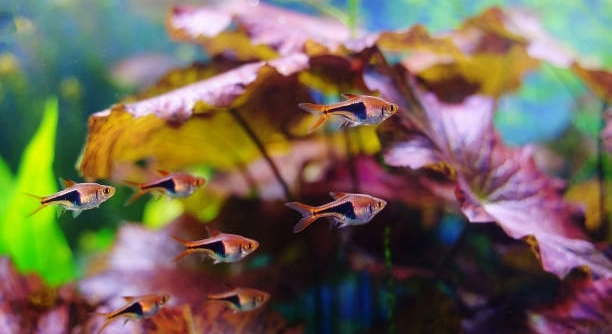
Rasboras are small, lively fish that add charm to any freshwater tank. Observing their behavior can reveal surprising patterns in how they interact with their environment and surroundings. Their movements often reflect comfort and curiosity in familiar spaces.
Research indicates that rasboras can recognize elements of their tank decor, showing consistent preferences for specific plants, hiding spots, or decorations. Familiar objects provide visual cues and environmental stability, which contribute to their behavioral consistency and reduced stress levels.
Understanding how these fish respond to familiar surroundings can enhance tank design and care, improving both their well-being and your enjoyment as an observer.
How Rasboras Interact with Their Tank Decor
Rasboras are naturally curious, and they explore their tank in ways that reveal comfort and recognition. When familiar plants, rocks, or ornaments are in place, they tend to swim confidently around these spots. New or moved items often cause hesitation or cautious observation. Over time, they learn where they can hide, rest, or play, showing preferences for certain shapes, colors, and positions. This behavior helps them feel secure, reducing stress and promoting healthier activity levels. Observing their patterns can provide insight into which decorations create a stable and welcoming environment. Repeated exposure to the same setup allows them to navigate confidently, even when feeding or interacting with other tank mates. Small details, like a favorite plant corner or hiding rock, become familiar landmarks that guide their movement. Recognizing these patterns can make tank maintenance and decoration choices much more effective. Their interactions are subtle but consistent indicators of comfort and recognition.
Familiar tank decor can improve rasboras’ overall well-being. Recognizing objects reduces stress and encourages natural swimming and hiding behaviors.
By paying attention to how rasboras respond to decorations, owners can create a space that feels safe and stimulating. Consistent placement of ornaments allows fish to form spatial memories, leading to calmer behavior. Introducing new decorations gradually helps them adjust without disrupting established routines. These fish rely on visual cues to navigate, so keeping familiar items in stable positions is beneficial. Over time, their confidence increases, and they show clearer patterns in daily swimming, feeding, and resting. Observing their reactions to decor changes provides insight into their preferences. Choosing natural-looking plants, soft substrate, and strategically placed hiding spots enhances comfort. Even small details, like the spacing of rocks or the type of plant, impact their movement and sense of security. Owners who notice these behaviors can create a more harmonious tank environment, promoting both fish health and enjoyment for observers.
Signs That Rasboras Recognize Their Environment
Rasboras often return to the same hiding spots and preferred swimming areas, indicating familiarity with their surroundings.
They show consistent behaviors around specific decor, such as lingering near certain plants or weaving through rocks they have previously explored. Subtle reactions, like reduced hesitation or faster swimming in known areas, signal recognition. These fish may avoid new objects initially, then gradually incorporate them into their routines. Observing these behaviors over weeks provides clear evidence that they remember decor placement. Recognizing familiar items supports natural activity patterns, feeding habits, and social interactions with other tank mates. Additionally, a stable environment reduces stress and encourages healthier interactions. These patterns highlight the importance of thoughtful tank design and consistent decoration placement, helping owners provide a safe and comfortable home for their rasboras.
Benefits of Familiar Tank Decor
Rasboras feel more secure when their environment stays consistent. Familiar plants, rocks, and decorations help them establish routines and reduce stress, which encourages natural swimming and feeding behavior. This stability supports their overall health and allows them to interact comfortably with tank mates.
Consistent decor allows rasboras to develop spatial memory. They learn where to hide, explore, and rest, which reduces anxiety and promotes calmer behavior. Familiar surroundings make it easier for them to navigate the tank and respond predictably during feeding times. Fish that feel secure are more active and display natural social interactions. Changing the layout frequently can disrupt these behaviors and increase stress. Gradual introduction of new items is better for maintaining a stable, healthy environment while keeping the tank visually appealing.
Recognizing the benefits of stable decor also helps with tank management. When rasboras know their environment, maintenance tasks like cleaning or rearranging ornaments become less stressful for them. They adapt more easily to slight changes, and their natural behaviors are preserved. Watching their interactions with familiar objects can guide decisions on future decorations. Stable surroundings promote confidence, reduce aggression, and enhance overall health. This approach creates a tank that feels safe and inviting, encouraging the fish to thrive over time while keeping their environment engaging and balanced.
How to Introduce New Decor
Introducing new decor should be gradual to prevent stress. Add one item at a time and observe how rasboras react before making further changes.
Start with small, neutral-colored items that blend with existing decorations. Avoid sudden rearrangements or large, brightly colored objects that may cause hesitation or avoidance. Let the fish explore the new addition at their own pace. Gradually increasing changes allows them to adapt without disrupting established routines. Observing their behavior after each introduction is essential. Fish may initially hide or swim cautiously, but repeated exposure helps them recognize the new object as part of their environment. Careful planning and gradual additions maintain comfort and encourage natural behaviors.
Allowing rasboras to adapt gradually to new decorations supports their well-being and reduces stress. Sudden changes can cause disorientation, hiding, or altered feeding behavior. By spacing out new items, fish have time to learn the new layout and incorporate it into their routines. Watching how they respond provides insight into their preferences, helping decide which additions are beneficial. Thoughtful placement ensures that new decor complements familiar landmarks without disrupting swimming paths or hiding spots. This approach creates a balanced and stimulating environment, promoting healthier activity, consistent feeding habits, and more confident interactions with tank mates over time.
Signs of Comfort in Rasboras
Rasboras that recognize their tank decor often swim confidently and explore freely. They use familiar hiding spots without hesitation and interact naturally with other fish, showing reduced stress levels and a sense of security in their environment.
Comfortable rasboras display predictable routines, like returning to favorite plants or rocks. They are less likely to dart around nervously and show more relaxed body language. Their calm behavior indicates they feel safe and have adapted well to the tank setup.
Tracking Behavioral Changes
Observing changes in swimming patterns, hiding habits, and feeding behavior can reveal how well rasboras recognize their environment. Sudden alterations may indicate stress or discomfort caused by new or moved decorations. Regular observation helps maintain a stable, healthy tank environment.
Encouraging Exploration
Placing new decorations gradually encourages exploration without overwhelming the fish. Small, familiar items introduced slowly help rasboras feel secure while adjusting to changes, promoting confident movement throughout the tank.
FAQ
Can rasboras really recognize specific decorations in their tank?
Yes, rasboras can recognize familiar objects and areas within their environment. They tend to return to preferred hiding spots, swim along familiar routes, and interact more confidently around known decorations. This recognition helps them feel secure and reduces stress, contributing to healthier behavior overall.
How long does it take for rasboras to get used to new decor?
Adjustment time varies depending on the size and complexity of the new item, as well as the individual fish’s personality. Generally, small and neutral additions take a few days to a week. Larger or brightly colored items may take longer, often up to two weeks, for fish to explore and integrate them into their routines.
What are signs that my rasboras are uncomfortable with changes?
Signs include hiding more frequently, darting around the tank, refusing food, or clustering in one corner. Sudden shifts in swimming patterns, increased aggression, or reduced activity levels may also indicate stress. Observing these behaviors promptly allows for corrective action, such as rearranging the decor back to a familiar layout or introducing new items more gradually.
Should I rearrange my tank frequently to keep rasboras entertained?
Frequent rearrangement is generally stressful for rasboras. They rely on visual cues and familiar landmarks to navigate. Too many changes can disrupt their routines and increase anxiety. Gradual adjustments or occasional additions are better approaches, allowing them to explore new items without losing a sense of security. Maintaining a stable core layout while introducing one or two changes at a time is ideal.
Do all rasboras respond the same way to tank decor?
No, individual fish have different personalities. Some may be bolder and explore new objects quickly, while others are more cautious. Group dynamics also play a role, as fish often follow each other’s cues. Observing each fish helps understand their preferences and ensures decorations support the comfort of all tank mates.
Can familiar decorations improve feeding behavior?
Yes, consistent tank layout allows rasboras to anticipate feeding areas and times. Recognizing familiar landmarks makes them more confident in approaching food, reducing stress during feeding. Sudden changes in decor can temporarily alter feeding behavior, so maintaining key elements like favorite hiding spots or open swimming paths helps preserve normal routines.
Is it better to use natural or artificial decorations?
Both types can be recognized by rasboras, but natural decorations such as live plants or driftwood often provide more hiding options and replicate their natural environment. Artificial decorations are easier to clean and maintain, but it’s important they don’t have sharp edges. Familiarity is more important than type, as long as the items are safe and consistent.
How do I know if my tank setup is ideal for my rasboras?
Observing behavior is key. Fish that swim confidently, explore regularly, and use hiding spots without hesitation are indicators of a well-adjusted tank. Minimal stress, consistent feeding habits, and calm group interactions show that the layout supports comfort. Adjustments should focus on maintaining familiar landmarks while introducing small, safe changes gradually.
Can rearranging plants affect social interactions?
Yes, changes in decoration can influence how rasboras interact. Familiar landmarks help establish territories and reduce conflicts. Moving plants or ornaments too often can lead to stress, which may increase aggression or cause some fish to withdraw. Gradual changes help maintain harmony within the group while allowing exploration.
Are there specific types of decorations that rasboras prefer?
Rasboras often prefer decorations that provide cover, like small plants, rocks, or caves. Open swimming areas alongside hiding spots create a balanced environment. Subtle color contrasts and natural shapes are easier for them to recognize. Avoid cluttered layouts, as too many items can overwhelm them and reduce comfort.
How can I introduce new decorations without stressing my rasboras?
Introduce one item at a time and allow the fish to explore gradually. Place it near familiar landmarks so it feels connected to their routine. Observe behavior for signs of stress, and adjust placement or timing if needed. This approach encourages confidence and smooth integration into their environment.
Do rasboras ever forget their tank decor?
While they may not remember every detail indefinitely, repeated exposure and consistent placement reinforce recognition. Familiarity builds spatial memory, which helps them navigate, hide, and feed efficiently. Removing or drastically altering the setup can temporarily confuse them, but they typically adapt back to a stable layout.
Can tank decor affect breeding behavior?
Yes, familiar hiding spots and plants provide security and privacy, which can encourage breeding. Stress from sudden changes can reduce spawning activity. Maintaining consistent areas for laying eggs and offering a mix of open and sheltered spaces supports natural reproductive behavior while keeping fish comfortable.
Are there age or size differences in recognition ability?
Juvenile rasboras may take longer to recognize decorations compared to adults. Larger or more experienced fish tend to navigate confidently and remember familiar landmarks more quickly. Group dynamics influence learning, as younger fish often follow older tank mates when exploring or adapting to new items.
Does lighting or water clarity affect decor recognition?
Yes, poor lighting or cloudy water can reduce visual cues, making familiar objects harder to identify. Clear water and adequate lighting enhance recognition, allowing rasboras to navigate efficiently and feel secure. Maintaining optimal water conditions supports both comfort and behavioral consistency.
How often should I check my rasboras’ response to tank decor?
Regular observation is important, especially after introducing new items or rearranging decorations. Watching swimming patterns, hiding behavior, and social interactions daily helps ensure fish remain comfortable. Prompt adjustments based on these observations maintain a stable and stress-free environment for all tank inhabitants.
Can rasboras recognize the same decor across multiple tanks?
They may show some recognition of similar shapes or objects, but each tank has unique visual cues. Familiarity is primarily tied to repeated exposure within a specific environment. Transferring fish to a new tank usually requires an adjustment period, even with similar decorations, until they learn the new layout.
Is it better to rotate decor or keep it static?
Keeping a core setup consistent while occasionally adding new items works best. Static elements provide security and spatial memory, while small, gradual additions stimulate exploration without causing stress. Sudden, frequent changes disrupt behavior and may lead to anxiety or reduced activity.
Rasboras are small, active fish that thrive in environments where they feel safe and familiar. Their recognition of tank decor plays an important role in their overall well-being. When the layout of a tank remains consistent, these fish develop a sense of comfort that allows them to explore confidently, swim freely, and interact naturally with other tank mates. Familiar hiding spots, plants, and decorations provide visual cues that help them navigate their surroundings. This familiarity reduces stress, which in turn supports their health, feeding habits, and social behavior. Over time, these small details in their environment become landmarks that guide their daily routines, creating a stable habitat that meets both their physical and behavioral needs. Paying attention to how rasboras respond to their surroundings can help tank owners make better decisions regarding layout, maintenance, and decoration choices.
Introducing new decorations or rearranging existing ones can be done carefully to avoid overwhelming these fish. Gradual changes allow rasboras to recognize and adapt to new objects without feeling stressed or disoriented. Small, neutral-colored additions or slightly repositioned ornaments are easier for them to accept than large, brightly colored, or drastically different items. Observing how fish respond to these changes is key to understanding their preferences and comfort levels. If they hesitate, hide more often, or display unusual behavior, adjustments may be necessary. Gradually incorporating new decor while keeping familiar landmarks intact helps maintain a balance between stimulation and stability. This approach encourages exploration, supports confident movement, and ensures that the tank continues to meet their needs without disrupting established routines. Careful planning and observation allow owners to create an environment that supports natural behavior while keeping the tank visually interesting.
Maintaining a well-thought-out tank setup has long-term benefits for both rasboras and their owners. Fish that recognize and feel secure in their environment are more active, healthier, and easier to care for. A stable layout promotes predictable behavior, which makes feeding, cleaning, and observing the fish more enjoyable and less stressful. Gradual changes, consistent placement of decorations, and attention to visual landmarks help rasboras build spatial memory and confidence. By understanding their responses to the tank environment, owners can make informed choices about decoration, plant placement, and hiding spots. Creating a space that feels familiar yet stimulating encourages natural behavior, improves social interactions, and reduces stress-related issues. Overall, a thoughtful approach to tank decor not only enhances the well-being of the fish but also strengthens the connection between the observer and their aquatic companions, resulting in a more balanced and harmonious aquatic environment.

Hello,
If you enjoy the content that we create, please consider saying a "Thank You!" by leaving a tip.
Every little bit helps us continue crafting quality advice that supports the health, happiness, and well-being of pets around the world, for pets of all shapes, sizes, and species.
We really appreciate the kindness and support that you show us!