
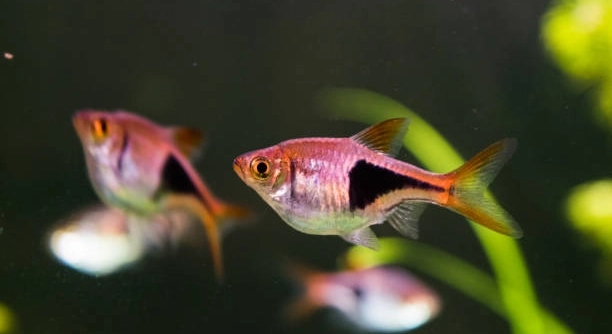
Keeping a small group of rasboras can be rewarding, but subtle behavior changes can make a big difference in their well-being. Observing their interactions and environment closely helps identify areas where minor adjustments are needed.
Simple modifications in tank setup, feeding routines, and environmental enrichment can significantly enhance rasbora behavior. Adjusting water flow, lighting, plant coverage, and social grouping encourages natural activity, reduces stress, and promotes healthier, more vibrant interactions among the fish.
Even minor adjustments can transform your tank into a more harmonious environment, making your rasboras livelier and more engaging to watch daily.
Adjust Water Flow
Rasboras thrive in tanks with gentle, consistent water movement. Strong currents can stress them, causing erratic swimming or hiding. To improve behavior, use a filter that provides mild circulation or adjust existing filter outputs. Observing their response after changes helps determine the ideal flow. Plants and decorations can also break currents naturally, giving fish calm spots. Over time, this subtle adjustment reduces stress and encourages schooling behavior, making them appear more active and healthy. Even slight changes, like repositioning a filter or adding driftwood, can have noticeable effects. Balanced water flow also supports oxygen distribution, benefiting overall tank health.
Proper water movement encourages natural patterns and reduces stress, making rasboras more lively and interactive with their environment.
Gentle currents simulate natural habitats, allowing rasboras to exhibit instinctive behaviors such as foraging and schooling. Reducing stress in this way improves their color, energy levels, and social interactions, creating a more stable and visually appealing aquarium setup.
Enhance Plant Coverage
Dense plant areas give rasboras hiding spots and resting zones, reducing anxiety. They feel more secure in clusters of tall or floating plants. This arrangement encourages natural schooling and exploration behaviors, as the fish move between shaded and open spaces freely. Plants also help maintain water quality by absorbing nitrates and providing oxygen, contributing to healthier, more active fish. Selecting a mix of fast-growing and low-maintenance species ensures the tank remains balanced and visually pleasing. Adjusting plant density gradually helps rasboras adapt without sudden changes. Over time, enhanced greenery results in calmer, more confident fish that interact more naturally, displaying vibrant color and social cohesion.
Adding more plants creates a dynamic, natural environment where rasboras feel secure and active.
A well-planted tank supports stable water parameters, reducing stress and aggression. It also allows for behavioral enrichment as fish explore, hide, and interact naturally. Dense vegetation promotes schooling, makes feeding easier, and encourages curiosity, helping the fish develop a more balanced and healthy routine.
Optimize Lighting
Proper lighting helps rasboras maintain natural activity and color. Too bright lights can stress them, while dim or inconsistent lighting may reduce movement and visibility. Adjusting light duration and intensity encourages normal behavior.
A consistent lighting schedule of about 8–10 hours daily supports circadian rhythms. Using soft or diffused light prevents startling fish and helps plants thrive, which indirectly benefits behavior. Observing their response to changes can indicate if adjustments are necessary. Bright lighting should be balanced with shaded areas, allowing fish to retreat when needed. Proper lighting also enhances their coloration, making activity more noticeable and interactions more engaging.
Lighting affects both plant growth and fish activity. Rasboras respond to gradual changes better than sudden shifts, so increasing or decreasing light slowly ensures minimal stress. Timers can help maintain consistency, providing a predictable environment. Over time, balanced lighting encourages exploration, schooling, and natural feeding habits, improving overall tank harmony. Plants under proper light grow sturdier, offering shelter and foraging opportunities. This combination enhances both the visual appeal of the tank and the well-being of the fish.
Maintain Water Quality
Stable water parameters prevent stress and aggression among rasboras. Frequent testing ensures ammonia, nitrite, and nitrate levels remain safe for the fish.
Regular water changes of 15–25% weekly help maintain cleanliness and reduce harmful chemical buildup. Using a reliable filtration system and vacuuming substrate during changes removes debris and uneaten food. Avoid sudden temperature or pH shifts, as these can disturb behavior and encourage hiding. Maintaining consistency in water conditions supports natural schooling and feeding habits, keeping fish calm and active.
High-quality water promotes long-term health and vibrant behavior. Rasboras are sensitive to toxins and sudden environmental changes, which can lead to lethargy or stress-related disease. Stabilizing temperature, pH, and chemical levels allows them to swim confidently, socialize, and forage naturally. Over time, careful water management reduces stress, preventing aggression and improving color intensity. Clean water also supports plant growth, further enhancing hiding spots and encouraging natural exploration. This combination fosters a balanced, lively aquarium environment.
Provide Balanced Diet
Offering a varied diet keeps rasboras healthy and active. Rotating flakes, micro-pellets, and occasional live or frozen foods ensures proper nutrition and prevents boredom.
Feeding small amounts two to three times daily supports energy levels without overloading the tank. Overfeeding can lead to water issues and reduced activity.
Encourage Social Interaction
Rasboras are schooling fish that thrive in groups. Keeping at least six together promotes natural behavior and reduces stress.
Grouping them carefully prevents dominance struggles and encourages synchronized swimming. A well-sized school strengthens bonds and improves confidence.
Use Hiding Spots
Adding rocks, caves, or driftwood offers safe retreats. These spots reduce stress and encourage exploration.
Monitor Temperature
Maintaining a stable temperature of 74–78°F supports metabolism and overall health. Sudden changes can cause lethargy or aggression.
FAQ
How many rasboras should I keep together?
Rasboras are schooling fish and feel most comfortable in groups. Keeping at least six in a tank allows them to exhibit natural schooling behavior. Smaller groups can lead to stress and timid behavior, making them hide more frequently. Larger groups are ideal if the tank size permits, as it reduces aggression and promotes confidence.
What is the ideal tank size for rasboras?
A minimum of 20 gallons is recommended for a small school of rasboras. Larger tanks provide more swimming space and room for plants and decorations. Extra space helps reduce territorial disputes and encourages natural activity, making the fish more visible and vibrant.
What should I feed my rasboras?
A balanced diet is essential. High-quality flake food, micro-pellets, and occasional live or frozen foods like daphnia or brine shrimp provide proper nutrition. Rotating different food types prevents dietary boredom and ensures they receive essential vitamins and minerals for healthy growth and energy.
How often should I feed them?
Feed rasboras small amounts two to three times daily. Overfeeding can pollute the tank and stress the fish, while underfeeding may reduce activity and color intensity. Observing how much they eat in a few minutes helps determine the right portion size.
What water parameters do rasboras prefer?
Rasboras thrive in slightly acidic to neutral water, with a pH between 6.5 and 7.5. Temperature should be maintained around 74–78°F. Regular testing ensures ammonia, nitrite, and nitrate levels remain safe. Stable water conditions reduce stress and promote active schooling and natural behavior.
Do rasboras need plants in their tank?
Yes, plants provide hiding spots and resting areas, which reduce stress. Floating and tall plants mimic their natural environment and encourage exploration. Plants also improve water quality by absorbing nitrates and producing oxygen, supporting healthier and more active fish.
Can rasboras live with other fish?
Rasboras are peaceful and compatible with small, non-aggressive species. Avoid larger, aggressive fish that may harass or eat them. Ideal tank mates include tetras, small gouramis, and dwarf corydoras. Ensuring the tank is spacious and has hiding spots helps maintain harmony among species.
How do I encourage natural schooling behavior?
Keeping a proper group size and providing open swimming space encourages schooling. Balanced lighting, gentle water flow, and plenty of hiding spots also support confident movement. Gradual environmental adjustments help rasboras feel secure and exhibit natural patterns without stress.
Why are my rasboras hiding constantly?
Excessive hiding often indicates stress. Possible causes include strong currents, bright lighting, insufficient plant coverage, aggressive tank mates, or unstable water parameters. Adjusting these factors, providing more cover, and ensuring a stable environment helps the fish feel safe and become more active.
How can I tell if my rasboras are healthy?
Healthy rasboras display vibrant coloration, active swimming, and synchronized schooling. Appetite should be consistent, and fins should appear intact and clean. Sudden lethargy, clamped fins, or color fading can indicate stress or illness, requiring immediate attention to water quality and diet.
What are the best hiding spots to add?
Rocks, driftwood, and small caves work well. Dense plant clusters or floating vegetation provide additional shelter. These spots allow fish to retreat when stressed, promote exploration, and encourage natural behavior, helping maintain a calm, balanced tank environment.
How important is lighting for rasboras?
Lighting influences activity and color. Too bright light can stress them, while dim or inconsistent lighting reduces visibility and movement. Soft, diffused lighting with a consistent schedule supports circadian rhythms, encourages schooling, and enhances plant growth for a healthier tank ecosystem.
How often should I change the water?
Perform partial water changes of 15–25% weekly to maintain cleanliness and stable water parameters. Removing debris and uneaten food prevents harmful chemical buildup and keeps ammonia, nitrite, and nitrate levels safe. Regular maintenance supports active, stress-free behavior and vibrant coloration.
Can rasboras be aggressive?
Rasboras are generally peaceful. Aggression is rare and usually caused by overcrowding, poor water conditions, or incompatible tank mates. Providing proper group size, hiding spots, and balanced feeding minimizes stress and ensures a calm, harmonious environment.
How do I introduce new rasboras to an existing tank?
Acclimate new fish slowly using a drip or gradual water mixing method. Observe interactions carefully to prevent bullying or stress. Adding plants or hiding spots before introduction allows newcomers to explore safely and integrate naturally with the established group.
Do rasboras need a heater year-round?
Yes, maintaining a stable temperature of 74–78°F is important. Sudden fluctuations can stress the fish, reduce activity, and weaken their immune system. Using a reliable heater and thermometer ensures consistent warmth, promoting healthy behavior and overall well-being.
What signs indicate a problem in the tank?
Lethargy, clamped fins, faded colors, and unusual swimming patterns suggest stress or poor conditions. Monitoring water quality, checking for aggression, and observing feeding habits help identify issues early. Prompt adjustments prevent long-term health problems and support vibrant, natural behavior in rasboras.
Are live foods necessary for rasboras?
Live foods are beneficial but not mandatory. They provide enrichment, stimulate foraging behavior, and enhance color. Occasional feeding of daphnia, brine shrimp, or mosquito larvae complements flakes and pellets, supporting overall nutrition and active, natural swimming patterns.
How long do rasboras typically live?
With proper care, rasboras can live 4–6 years. Maintaining stable water parameters, a balanced diet, and an enriched environment maximizes lifespan. Monitoring health, providing social groups, and avoiding stress factors contribute to their longevity and sustained activity.
What should I do if a rasbora becomes sick?
Isolate the affected fish in a quarantine tank to prevent spreading illness. Test water quality, adjust diet, and use appropriate treatment based on the condition. Observing behavior daily ensures recovery and prevents future outbreaks, maintaining a healthy, active school.
Final Thoughts
Rasboras are small but vibrant fish that can bring life and movement to any freshwater tank. Their natural behavior, including schooling, foraging, and exploring, makes them fascinating to observe. However, their well-being depends largely on the environment they are kept in. Simple changes to tank conditions can have a meaningful impact on behavior and overall health. Adjusting water flow, enhancing plant coverage, and providing hiding spots all contribute to reducing stress and encouraging natural activity. Even minor modifications, such as rearranging decorations or adding gentle filtration, can make a noticeable difference in how the fish interact with one another. Observing their response to these adjustments provides insight into what makes them comfortable and helps maintain a balanced, lively aquarium.
Maintaining proper water quality is equally important for rasbora behavior. Stable parameters, including pH, temperature, and chemical levels, create an environment where the fish can thrive. Regular water testing, partial water changes, and consistent filtration prevent harmful buildup and reduce stress. Feeding a balanced diet supports energy levels, promotes color vibrancy, and encourages active schooling. Rotating food types and including occasional live or frozen foods enriches their routine and prevents dietary monotony. Together, these factors create an environment where rasboras can swim confidently, interact socially, and display their natural behaviors. A well-maintained tank also benefits plants, which provide shelter and further improve the overall ecosystem, contributing to calmer, more active fish.
Behavioral improvements are often the result of small, thoughtful interventions rather than major overhauls. Gentle lighting, consistent schedules, and careful monitoring of tank mates all support healthy interactions. Providing a stable and enriched environment allows rasboras to show their full potential, exhibiting natural schooling, curiosity, and vibrant colors. Over time, these changes reduce aggression, stress, and hiding behavior, resulting in a harmonious and visually appealing aquarium. By focusing on the basic needs of water quality, nutrition, shelter, and social structure, it is possible to create a setting where rasboras feel secure and lively. Paying attention to subtle details ensures their well-being and makes maintaining the tank a more enjoyable and rewarding experience for anyone observing these active, delicate fish.

Hello,
If you enjoy the content that we create, please consider saying a "Thank You!" by leaving a tip.
Every little bit helps us continue crafting quality advice that supports the health, happiness, and well-being of pets around the world, for pets of all shapes, sizes, and species.
We really appreciate the kindness and support that you show us!