Can Convict Cichlids Be Kept With Shrimp?

Keeping a home aquarium can be both relaxing and rewarding. Many hobbyists enjoy mixing different species, creating a vibrant and dynamic underwater environment. Observing fish behavior alongside other aquatic creatures can be fascinating and educational. Convict cichlids are generally aggressive and territorial, which makes them unsuitable for cohabitation with shrimp. These fish may view shrimp … Read more
7 Things to Know Before Adding More Cichlids

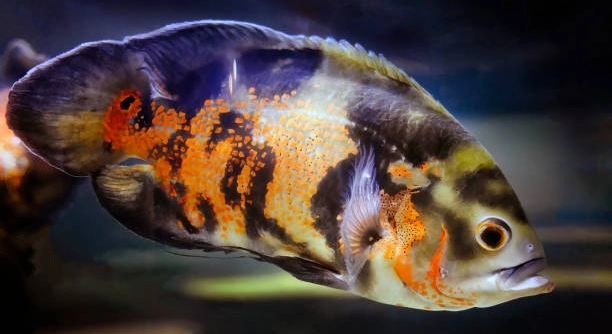
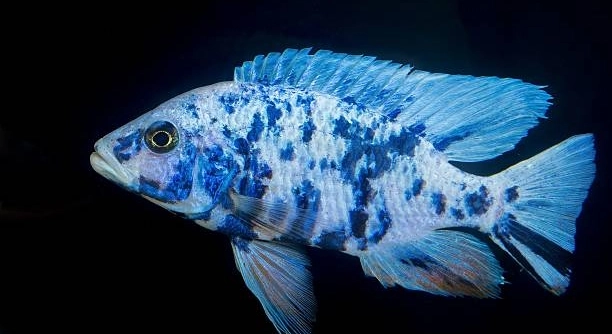
Adding new cichlids to your aquarium can be exciting, but it also requires careful planning. Many aquarists underestimate the effects of overcrowding and aggression among these territorial fish. Proper preparation is key to a healthy tank. Before introducing more cichlids, it is crucial to evaluate tank size, water parameters, and species compatibility. Overcrowding and incompatible … Read more

Why Are My Convicts Avoiding the Nest?

Many convict cichlids show strange behavior around their nesting areas, leaving owners puzzled. These fish can be sensitive to changes in environment, water conditions, and tankmates, which can all affect their willingness to tend the nest. The primary reason convicts avoid the nest is due to stress and perceived threats. Changes in water quality, aggressive … Read more

7 Behavioral Changes After Fry Hatch

Fry hatch marks an important stage in the life of many aquatic species, signaling the transition from egg to independent movement. Observing these tiny creatures reveals subtle shifts in behavior as they begin exploring their surroundings and reacting to stimuli. After fry hatch, notable behavioral changes include increased activity levels, emerging feeding instincts, and social … Read more

7 Behaviors That Show Cichlid Comfort

Cichlids can be fascinating pets, bringing color and life to your aquarium. Observing them carefully helps you understand their moods and needs. Their behavior often reflects their comfort and adjustment to their environment. Cichlid comfort is shown through specific behaviors that indicate trust, relaxation, and security. These include regular swimming patterns, interaction with other fish, … Read more

Do Cichlids Like Moving Decorations Around?

Cichlids are known for their strong personalities and active behavior within home aquariums. Many fish keepers notice changes in tank layouts and wonder how these intelligent fish interact with decorations placed in their environment daily. Cichlids frequently move decorations as part of natural territorial and nesting behaviors. This activity helps them establish boundaries, prepare breeding … Read more

7 Foods to Avoid Feeding Convict Cichlids

Convict cichlids are lively fish that bring color and personality to any aquarium. Feeding them the right diet is important, but it can be tricky to know which foods may cause harm to their health. Certain foods can be harmful to convict cichlids and should be avoided. Feeding them items high in fat, salt, or … Read more

7 Breeding Behaviors Most Keepers Miss

Many keepers focus on the basics of animal care but often miss subtle behaviors that indicate breeding readiness or stress. Observing these actions carefully can make a significant difference in reproductive success and overall animal well-being. Breeding behaviors are often overlooked because they are subtle or occur briefly. Commonly missed signs include changes in posture, … Read more

Can Convict Cichlids Change Personality?

Convict cichlids are known for their strong personalities and territorial behavior, making them a popular choice for aquarium enthusiasts. Observing their interactions can reveal surprising changes over time, showing adaptability in certain conditions. Convict cichlids can exhibit personality changes influenced by environment, social interactions, and stress. Factors such as tank size, companion fish, and feeding … Read more

How Often Should You Do Water Changes?

Keeping a fish tank clean can feel like a small chore, but it plays a big role in the health of your aquatic friends. Regular water changes help maintain balance and prevent stress in fish and plants. Water changes should generally be performed once every one to two weeks, depending on tank size, fish population, … Read more