
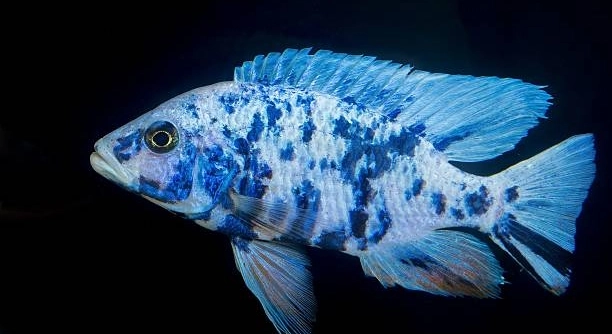
Many convict cichlids show strange behavior around their nesting areas, leaving owners puzzled. These fish can be sensitive to changes in environment, water conditions, and tankmates, which can all affect their willingness to tend the nest.
The primary reason convicts avoid the nest is due to stress and perceived threats. Changes in water quality, aggressive tankmates, or insufficient hiding spots can trigger avoidance, leading the parents to prioritize safety over caring for eggs or fry.
Understanding these behaviors can help you create a safer, more stable environment, encouraging convicts to return to their nest naturally.
Common Environmental Factors
Convict cichlids are very sensitive to their surroundings, and even small changes can make them leave the nest. Water temperature, pH, and hardness all play a role in their comfort. I noticed my own pair became skittish when the temperature dropped slightly, even though everything else seemed fine. Lighting also matters; too bright or inconsistent light can stress the fish and make them hide instead of guarding their eggs. Decorations and hiding spots affect their sense of security as well. Rocks, caves, or plants give them confidence, while an empty tank or sudden rearrangements can cause avoidance. Tank size is another factor; overcrowded tanks lead to tension and may discourage nesting behavior. Finally, sudden noises or vibrations near the tank can startle convicts. Being aware of these environmental elements allows you to make small adjustments that encourage a more natural and stable nesting behavior.
Stress in the tank often leads to nest avoidance, and careful observation can prevent many issues.
By keeping water conditions stable, providing proper shelter, and maintaining a calm environment, convicts feel safer returning to their nest. Consistency is key, as frequent changes can undo progress. Observing your fish’s daily routines also helps you notice subtle signs of stress before they abandon their eggs. Over time, small improvements in temperature, hiding spaces, and lighting can make a noticeable difference. Pair dynamics matter too; sometimes one fish is more dominant, and separating aggressive tankmates can restore balance. Feeding routines impact behavior as well, since underfed or overfed fish may act differently. Even minor adjustments, like adding a cave or adjusting lighting schedules, often convince convicts to resume nesting. Understanding their natural instincts and mimicking conditions found in the wild gives them the security they need.
Tankmates and Social Stress
Aggressive or overly active tankmates can push convicts away from their nest.
Introducing compatible fish and monitoring interactions helps reduce tension. Removing or isolating stressful tankmates ensures convicts focus on their eggs and fry.
Convicts are protective by nature, and the presence of other fish can make them nervous. Even non-aggressive fish may crowd the nesting area, causing avoidance. I found that separating fast swimmers or particularly curious species from the breeding pair made a huge difference. Social stress doesn’t always mean fights; constant attention or intrusion at the nest is enough to disrupt care. Observing interactions and keeping a buffer zone around the nest allows parents to feel secure. This way, the breeding pair can focus on guarding eggs and fry without distraction. Over time, a calm tank promotes natural nesting instincts, and convicts become more confident in defending and returning to their site consistently. Small adjustments to tankmates often lead to better reproductive success.
Feeding and Nutrition
Improper feeding can make convicts leave the nest. Overfeeding or underfeeding affects their energy and focus, causing stress and neglect of eggs.
Balanced diets with high-quality pellets or live food support healthy behavior. I noticed my pair became more attentive after introducing varied protein sources. Regular feeding schedules also help maintain stability.
Too many flakes or large meals can lead to lethargy, making parents less inclined to guard the nest. On the other hand, nutrient deficiencies can weaken fish, reducing their natural instincts. I adjusted portion sizes and included occasional live food like brine shrimp, which improved activity and attentiveness. Hydration and vitamin supplements also helped maintain energy, encouraging more consistent care. Observing their eating habits daily allows for quick adjustments, ensuring the breeding pair remains active and focused on their eggs.
Water Quality Maintenance
Dirty or unstable water is a major reason for nest abandonment. Frequent testing of pH, ammonia, nitrites, and nitrates is essential for stable conditions.
Regular water changes and proper filtration make a huge difference. I found that consistent weekly maintenance reduced stress significantly.
Even minor fluctuations in water chemistry can make convicts nervous. Ammonia spikes or sudden pH changes often trigger avoidance of the nest. I started testing water twice a week and adjusting parameters gradually. Keeping filters clean, monitoring temperature, and avoiding rapid chemical changes helped the breeding pair feel secure. Over time, these small efforts ensured eggs and fry were protected consistently. Using gentle filtration and slow water additions prevents sudden disturbances. Maintaining stable water conditions encourages natural behaviors and allows parents to invest fully in raising their young.
Temperature and Lighting
Sudden changes in temperature can make convicts leave the nest. Keeping the water within a stable, suitable range reduces stress and encourages consistent nesting behavior.
Lighting also affects comfort. Too bright or inconsistent light can make fish feel exposed, while soft, steady lighting helps them feel secure and focused on caring for eggs.
Breeding Pair Dynamics
Some convicts may avoid the nest due to tension between the male and female. Observing interactions and ensuring both fish feel safe can improve nesting behavior. Occasionally, separating overly aggressive individuals temporarily allows the pair to restore balance and cooperate in egg care.
Tank Size Considerations
A small or overcrowded tank can stress convict cichlids, leading to nest avoidance. Ensuring adequate space and hiding spots supports natural behavior and reduces tension, allowing parents to focus on their eggs.
Egg and Fry Protection
Parents may abandon the nest if eggs or fry are threatened. Minimizing disturbances and ensuring a calm environment encourages protective behavior and successful development of the young.
FAQ
Why are my convict cichlids not guarding their eggs?
Convicts may stop guarding their eggs due to stress, poor water quality, or perceived threats in the tank. I noticed mine became skittish when another fish constantly swam near the nest. Ensuring a calm environment, stable water parameters, and proper hiding spots encourages parents to return and care for eggs consistently.
Can changing tankmates improve nesting behavior?
Yes, introducing peaceful tankmates or separating aggressive or curious fish can reduce stress. Convicts are naturally protective, and constant intrusions can make them abandon eggs. I had better results after placing a temporary divider, which allowed the pair to focus on their fry without distractions.
How does diet affect nest guarding?
Proper nutrition keeps convicts energetic and attentive. Overfeeding can make them lethargic, while underfeeding lowers their stamina. I feed my pair high-quality pellets, occasional live food like brine shrimp, and maintain a consistent feeding schedule. This balance improved their willingness to stay near the nest.
Does water temperature impact nesting behavior?
Yes, convicts are sensitive to temperature changes. Sudden drops or spikes can make them leave the nest. I maintain a steady temperature suitable for breeding, which helps them feel secure and attentive. Gradual changes, rather than sudden adjustments, prevent stress-related nest abandonment.
What role does lighting play in nest care?
Lighting affects comfort and sense of security. Bright, fluctuating lights can stress convicts, while soft, consistent lighting encourages natural behaviors. I keep the lighting schedule predictable, which helps parents focus on guarding eggs and fry without feeling exposed or startled.
Can tank size influence convicts’ nesting habits?
A small or overcrowded tank can increase tension and stress, leading to nest avoidance. I learned that providing ample space and hiding spots makes the pair feel secure, reducing aggression and improving egg care. Adequate room allows each fish to establish territories without constant conflict.
Why do some eggs get abandoned even in a calm environment?
Sometimes, convicts perceive eggs as non-viable or vulnerable. This is natural instinct to conserve energy. I noticed that some eggs were ignored despite good conditions. Providing stable water, minimal disturbances, and healthy parents increases chances of consistent care, but occasional abandonment is normal.
How often should I check water quality?
Frequent testing is essential. I check pH, ammonia, nitrites, and nitrates at least twice a week during breeding. Stable water conditions reduce stress and encourage protective behavior. Rapid chemical changes can trigger nest abandonment, so gradual adjustments and proper filtration are crucial.
Do convicts ever return to a nest after leaving it?
Yes, they can. If stressors are removed, water is stable, and threats are minimized, parents often return to care for eggs or fry. I’ve seen pairs return after separating aggressive tankmates and restoring calm conditions, showing that patience and observation pay off.
How can I protect fry after eggs hatch?
Minimizing disturbances and keeping other fish away helps. Providing small hiding spaces allows fry to explore safely. I also monitor water conditions closely and maintain a balanced diet for parents, which keeps them focused on protecting the young until they are strong enough to survive independently.
Does frequent movement around the tank affect nesting?
Yes, convicts can perceive sudden movements or vibrations as threats. I learned to limit activity near the tank during breeding, which reduces stress and keeps parents on the nest. Even small disturbances can trigger avoidance, so creating a stable environment is key to success.
Can separating the pair temporarily help?
Occasionally, temporary separation is necessary if aggression occurs between the male and female. I used a divider when conflicts arose, and once reintroduced, they resumed cooperative nesting. This method helps maintain egg care and reduces the risk of abandonment due to internal tension.
Are certain breeds of convict cichlids more prone to abandoning nests?
Some individuals show stronger protective instincts, while others may be more sensitive. Environmental factors still play the biggest role, but recognizing personality differences in pairs helps set realistic expectations. I adjusted conditions for a more timid pair, which improved their commitment to the nest.
How long should parents stay with the eggs and fry?
Parents usually guard eggs for about 3–5 days, and fry for up to two weeks, depending on development. I noticed that providing consistent care during this time ensures higher survival rates. Once fry are free-swimming and confident, parents often become less attentive naturally.
What is the best way to reduce stress in the tank?
Stable water, gentle filtration, proper lighting, minimal disturbances, and compatible tankmates all contribute. I also add caves and plants to give the pair security. Observing daily behavior allows me to identify issues quickly, ensuring convicts feel safe enough to guard their nest consistently.
Can overfeeding cause neglect of eggs?
Yes, excessive food makes convicts lethargic, reducing attention to eggs. I monitor portion sizes carefully and include protein-rich options in moderation. A balanced diet keeps them energetic and focused on protecting eggs and fry, rather than spending time away from the nest.
Is it normal for convicts to leave the nest temporarily?
Short absences happen, especially when retrieving food or inspecting surroundings. I watch closely to distinguish normal breaks from prolonged abandonment, which usually signals stress or threats. Occasional departures are natural, but persistent avoidance indicates environmental or social issues needing adjustment.
How do I know if eggs are viable?
Viable eggs are clear or slightly translucent, with healthy development visible after a day or two. I learned to observe color and structure, as cloudy or shriveled eggs are often abandoned. Healthy eggs combined with stable conditions encourage convicts to maintain consistent guarding behavior.
What should I do if convicts abandon the nest completely?
First, identify stressors like water issues, aggressive tankmates, or environmental changes. I stabilize conditions and remove threats, sometimes adding hiding spots or a temporary divider. While not all eggs survive, these adjustments increase the chances of future nesting success and help parents regain confidence.
Can I encourage repeat spawning after abandonment?
Yes, maintaining stable water, balanced nutrition, and a calm environment promotes repeat spawning. I’ve seen pairs spawn again within weeks if stressors are addressed, demonstrating that careful management and observation can support continued breeding success.
Does tank layout affect nesting?
Definitely. Convicts prefer defined territories with hiding spots. I added rocks and caves, which reduced stress and encouraged consistent nest attendance. Proper layout ensures parents feel secure and confident in protecting eggs and fry.
Convict cichlids can be surprisingly sensitive, and their nesting behavior often reflects how comfortable they feel in their environment. Small changes in water quality, lighting, or temperature can make a big difference in whether they stay near the nest or abandon it completely. I have seen my own pair react immediately to even minor fluctuations in water chemistry. Stability is key. Keeping pH, ammonia, nitrites, and nitrates within safe ranges helps reduce stress and allows parents to focus on their eggs and fry. Filtration and regular water changes play an important role in creating a stable environment. When the water is clean and stable, convicts are more confident in guarding their nest and providing proper care for their young.
Tankmates and space also heavily influence nesting behavior. Convicts are territorial and protective by nature, so having too many fish or aggressive species nearby can make them leave the nest. I learned that simply moving a more active or aggressive fish to a different tank can restore peace and allow the breeding pair to feel secure. Even smaller, peaceful fish can crowd the nesting area, so providing hiding spots and some separation between the nest and other tank inhabitants can make a noticeable difference. Adequate space is equally important; overcrowded tanks lead to tension and stress. Providing caves, plants, or rocks gives the pair a sense of security and a place to retreat when they feel threatened. Once they have their own territory and feel safe, convicts are much more likely to remain on the nest consistently and protect their eggs and fry.
Nutrition and routine play a subtle but significant role in supporting nest care. Overfeeding can make convicts lethargic, while underfeeding reduces energy levels and focus. I noticed improvements when I offered a balanced diet of high-quality pellets, occasional live food like brine shrimp, and maintained a consistent feeding schedule. Stability in their daily routine, including feeding and light cycles, reduces stress and keeps them alert. Small environmental adjustments, proper care, and a calm tank collectively encourage natural nesting behavior and improve the chances of raising healthy fry. Observing your fish daily and responding to subtle changes allows you to address issues before they become serious. By maintaining water quality, providing proper shelter, monitoring tankmates, and supporting nutrition, you can create conditions where convict cichlids feel secure enough to guard their nest reliably and successfully raise their young.

Hello,
If you enjoy the content that we create, please consider saying a "Thank You!" by leaving a tip.
Every little bit helps us continue crafting quality advice that supports the health, happiness, and well-being of pets around the world, for pets of all shapes, sizes, and species.
We really appreciate the kindness and support that you show us!