
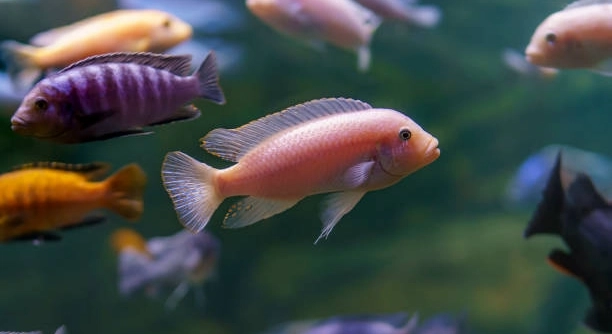
Convict cichlids are lively fish that bring color and personality to any aquarium. Feeding them the right diet is important, but it can be tricky to know which foods may cause harm to their health.
Certain foods can be harmful to convict cichlids and should be avoided. Feeding them items high in fat, salt, or artificial ingredients can lead to digestive problems, obesity, and long-term health complications, making careful selection of their diet essential.
Knowing what to avoid is only the first step in keeping your fish healthy and active in their tank environment.
Foods High in Fat
Convict cichlids have delicate digestive systems, and foods high in fat can be difficult for them to process. Items such as fatty meats, processed fish, or certain commercial pellets may seem harmless but can lead to bloating and long-term liver issues. Over time, a diet heavy in fat slows digestion and can make your fish lethargic. Even small amounts of these foods should be avoided, as repeated feeding can gradually impact health. Observing your fish’s behavior and appearance after meals is a good way to monitor any negative effects. Swollen bellies, decreased activity, or color changes may signal that their diet is unbalanced. Maintaining a diet focused on lean protein and vegetables helps convict cichlids stay active and healthy. Freshwater fish need nutrient-rich, easily digestible foods to thrive. Avoid feeding items like bacon, fatty cuts of fish, or fried foods from human meals. A consistent, low-fat diet promotes longevity and proper growth.
High-fat foods are harmful to convict cichlids and should be avoided. They can cause digestive problems, liver damage, and decreased activity levels in the fish.
Switching to lean proteins and specially formulated fish pellets provides the nutrition they need without risking their health. Keeping them active and healthy depends on careful feeding choices.
Foods with Added Salt
Added salt can seriously affect convict cichlids, as their bodies are sensitive to high sodium levels. Foods like processed human snacks, salted meats, or certain frozen fish varieties can increase stress and cause kidney damage in your fish. Even small amounts of salt can disturb their internal balance. Regular exposure may lead to long-term health problems and affect their lifespan. It’s easy to assume that human foods or prepackaged treats are safe, but these often contain hidden salts that are dangerous for freshwater fish. Freshwater cichlids thrive on diets that mimic their natural environment. Using plain, fresh ingredients or commercial cichlid foods ensures they receive proper nutrition without the risks associated with sodium. When feeding frozen or prepared fish, rinse thoroughly to remove excess salt. By being careful with added salt, you support better kidney function, digestion, and overall vitality in your aquarium.
Convict cichlids can develop serious health problems if exposed to salt regularly. Monitoring their food and choosing fresh, low-sodium options is essential for their well-being. A diet free from high-salt foods keeps them energetic, reduces stress, and maintains a balanced digestive system. Over time, fish fed properly will grow stronger and display their natural vibrant colors. Many fish owners overlook the risks of salted foods, assuming they are safe in moderation, but even occasional exposure can be harmful. Careful selection of feed and preparation methods ensures your cichlids remain healthy, active, and free from stress-related diseases. Maintaining proper feeding habits and avoiding processed, salted foods is a small but impactful step toward sustaining your fish’s life quality.
Foods with Spices and Seasonings
Spices and seasonings added to human foods can irritate convict cichlids’ digestive systems. Ingredients like garlic powder, chili, or onion powder may seem harmless but can cause internal stress and digestive issues. Plain, natural foods are safer for your fish.
Even small amounts of seasoned foods can upset the balance of nutrients your cichlids need. Spices may alter their gut flora and reduce their ability to absorb essential vitamins and minerals. Over time, repeated exposure can weaken their immune system and increase susceptibility to disease. Fish fed seasoned foods often show signs of discomfort, including reduced appetite or abnormal swimming patterns. Choosing unseasoned, natural options ensures they remain active and healthy. Commercial fish pellets are specifically formulated to avoid these issues, providing balanced nutrition without any harmful additives. Avoid sharing table scraps or processed snacks to protect your fish’s internal health.
Regular exposure to seasoned foods can also lead to long-term organ stress, particularly in the liver and kidneys. The chemical compounds in spices are not processed effectively by convict cichlids, potentially causing chronic damage. Even if they eat small amounts, the cumulative effect can be harmful. Maintaining a consistent, unseasoned diet preserves digestive efficiency, reduces stress, and promotes longevity. Observing your fish closely after meals helps identify any adverse effects early. Natural foods like blanched vegetables, plain fish fillets, and formulated pellets provide nutrients without the risk of irritation. Avoiding spices and seasonings is one of the simplest ways to ensure your cichlids thrive in their tank.
Bread and Starchy Foods
Bread and other starchy foods are difficult for convict cichlids to digest and can lead to bloating or constipation. Items like white bread, pasta, or rice offer little nutritional value and should be avoided in their diet.
Starches can expand in the digestive tract, causing discomfort and potential blockages. Convict cichlids need protein-rich diets with fiber from vegetables rather than empty carbohydrates. Feeding bread or pasta may fill them temporarily but leaves them lacking essential nutrients. Digestive issues from starches can lead to lethargy, reduced coloration, and weakened immune systems. Even occasional feeding of starchy foods can create digestive strain. It is better to provide high-quality pellets, live or frozen foods, and small portions of vegetables to support their natural digestive processes. Avoid feeding table leftovers containing bread, as these foods offer no real benefits and may cause harm over time.
Regular feeding of bread and starchy human foods can disrupt normal digestion and reduce nutrient absorption in convict cichlids. Starches swell and ferment in the gut, leading to bloating, constipation, and potential bacterial growth. Fish may show signs of discomfort, such as floating abnormally or avoiding food. Long-term exposure may reduce growth rates and impair overall health. Replacing starchy foods with protein-rich items ensures proper growth, energy, and vitality. Vegetables like peas or zucchini, along with formulated fish pellets, maintain a balanced diet without risking digestive issues. Careful selection of suitable foods supports strong immunity and natural behavior in the tank.
Citrus Fruits
Citrus fruits like oranges, lemons, and limes are highly acidic and can irritate convict cichlids’ digestive systems. Their natural acidity disrupts pH balance in the tank and can cause stress or health problems if fed regularly.
Even small pieces of citrus can lead to digestive upset and discomfort. Avoid giving your fish any fruit with strong acidity.
Dairy Products
Convict cichlids cannot digest dairy products properly. Milk, cheese, or yogurt can cause bloating, diarrhea, and nutrient imbalances, making these items unsafe for their diet. Stick to foods formulated for freshwater fish or safe vegetables to provide proper nutrition.
Raw Meat
Raw meat may contain bacteria and parasites that are harmful to convict cichlids. Feeding uncooked meats can lead to infections, digestive problems, and even death. Only provide safe, prepared fish foods or properly treated proteins suitable for aquarium fish.
Sugary Foods
Sugary foods, including candy or processed sweets, can disrupt digestive health and encourage harmful bacterial growth in the tank. Avoid any items high in sugar to keep your fish healthy and maintain water quality.
FAQ
What happens if convict cichlids eat high-fat foods?
Feeding high-fat foods can cause digestive issues, bloating, and liver stress in convict cichlids. Their bodies are not designed to process large amounts of fat, and repeated exposure may lead to lethargy, reduced immunity, and long-term health complications. It is best to provide lean protein and balanced pellets.
Can occasional salted or seasoned foods harm them?
Even small amounts of salt or seasonings can stress convict cichlids. Salt affects kidney function, and spices can irritate their digestive tract. Over time, exposure may lead to reduced appetite, abnormal swimming, and vulnerability to diseases. Avoid feeding human snacks or processed items. Stick to plain, natural foods and commercial pellets.
Are starchy foods like bread or pasta safe for them?
Starches are difficult to digest for convict cichlids. Bread, pasta, and rice can expand in their gut, causing bloating, constipation, and digestive imbalance. These foods offer little nutritional value, and repeated feeding may reduce growth and energy. Protein-rich foods and vegetables are far safer.
Is it okay to feed them citrus fruits or acidic foods?
Citrus fruits are too acidic for convict cichlids. Acidic foods disrupt pH balance in the tank and can cause stress or digestive irritation. Even small amounts can lead to discomfort and illness. Stick to foods naturally suited for freshwater fish.
Can I give them dairy products occasionally?
Dairy products are unsafe for convict cichlids. Milk, cheese, and yogurt can cause diarrhea, bloating, and nutrient imbalances. Their digestive system cannot process lactose properly. Only provide fish-safe foods or vegetables to maintain good health.
Are raw meats safe for convict cichlids?
Raw meat may carry bacteria or parasites that harm convict cichlids. Feeding uncooked meat can cause infections, digestive problems, and death. Only provide safe proteins prepared for aquarium fish or frozen and treated foods. Proper handling prevents contamination and protects their health.
Do sugary foods affect their health?
Sugary foods disrupt digestion and can encourage harmful bacteria in the tank. Candy, processed sweets, and sweet human snacks should never be fed. Excess sugar leads to poor nutrient absorption and can reduce lifespan. Stick to balanced fish pellets and natural foods for proper nutrition.
What foods are safe for regular feeding?
Safe foods include high-quality cichlid pellets, blanched vegetables like zucchini or peas, and occasional live or frozen proteins such as brine shrimp or bloodworms. These options provide essential nutrients, support digestion, and help maintain vibrant colors and energy levels. Avoid processed human foods entirely.
How do I know if my fish is affected by unsafe foods?
Watch for signs like bloating, abnormal swimming, reduced appetite, color fading, or lethargy. Digestive issues and stress are common indicators of an unsuitable diet. If symptoms appear, remove harmful foods immediately and provide a balanced diet with proper care.
Can feeding mistakes be reversed?
Yes, but it requires consistent correction. Stop feeding harmful foods immediately, offer safe, nutrient-rich options, and monitor water quality closely. Over time, fish can recover from mild digestive stress, regain activity levels, and improve overall health with a proper diet.
Why is a balanced diet important for convict cichlids?
A balanced diet supports digestion, immunity, growth, and vibrant coloration. Feeding unsafe or inappropriate foods compromises health and longevity. Providing species-specific nutrition ensures they thrive in the aquarium, stay active, and avoid common diet-related illnesses. Proper care is essential for long-term well-being.
Can frozen or freeze-dried foods replace live foods?
Frozen or freeze-dried foods are safe alternatives if prepared correctly. They provide necessary proteins without the risks associated with raw or spoiled live foods. Make sure to rinse or thaw items according to instructions to maintain water quality and prevent contamination.
How often should I feed convict cichlids?
Feed small amounts two to three times daily rather than large portions at once. Overfeeding increases the risk of digestive problems and water contamination. Providing consistent, measured meals supports proper digestion, reduces stress, and keeps the aquarium environment healthy.
Are vegetables necessary in their diet?
Yes, vegetables provide fiber, vitamins, and minerals that support digestion and overall health. Blanched peas, zucchini, or spinach are ideal. These additions complement protein sources and prevent nutritional deficiencies, keeping convict cichlids active and strong.
What is the best way to introduce new foods?
Introduce new foods gradually, mixing small portions with familiar items. Observe your fish for any signs of stress or digestive upset. Gradual introduction helps them adapt without causing sudden changes in digestion or tank conditions. This ensures a smooth transition to a healthy diet.
Can diet affect behavior?
Yes, poor diet can lead to lethargy, aggression, or loss of appetite. Proper nutrition keeps convict cichlids active, alert, and displaying natural behaviors. A balanced diet is directly linked to both physical health and behavior patterns in the aquarium.
How do I prevent accidental feeding of unsafe foods?
Always keep human food separate and educate anyone who feeds the fish. Label food containers and follow a consistent feeding routine. Being cautious prevents accidental exposure to harmful foods like bread, citrus, or processed snacks, ensuring long-term fish health.
What should I do if I suspect poisoning from food?
Immediately remove the suspected food, perform a partial water change, and monitor fish closely. Observe for distress, lethargy, or abnormal swimming. Providing clean water and safe foods helps recovery. Severe cases may require consultation with a veterinarian experienced in fish care.
Can improper feeding affect reproduction?
Yes, a poor diet can reduce fertility, egg production, and fry survival. Nutrient deficiencies and stress from harmful foods affect reproductive health. Providing balanced, species-appropriate nutrition supports breeding and healthy offspring in convict cichlids.
Are all commercial pellets safe?
Not all pellets are suitable. Check ingredients for fillers, high fat, or artificial additives. Choose pellets formulated specifically for cichlids to ensure proper nutrition and avoid digestive problems or long-term health issues. Quality matters more than brand alone.
How do I maintain a safe feeding routine?
Feed small, measured portions, stick to safe foods, avoid human snacks, and monitor fish regularly. Rotate protein and vegetable sources for variety, and remove uneaten food promptly. A consistent routine prevents digestive stress and supports healthy, active convict cichlids.
What are common signs of poor nutrition?
Signs include dull coloration, lethargy, bloating, irregular swimming, and reduced appetite. Long-term effects may include stunted growth and weakened immunity. Addressing diet immediately and providing proper nutrition helps reverse these issues and supports overall health.
How can I improve the taste of safe foods?
Soaking pellets in tank water or lightly blanching vegetables can make them more appealing without adding harmful ingredients. Natural preparation methods encourage feeding without introducing unsafe additives or seasonings, ensuring proper nutrition.
Is variety important in their diet?
Yes, variety ensures a full range of nutrients and prevents boredom. Mixing pellets, vegetables, and safe protein sources provides balanced nutrition and supports digestion, growth, and immune function. A varied diet keeps convict cichlids healthy and active.
How long does it take for dietary changes to show results?
Visible improvements in activity, coloration, and appetite can appear within a few days to weeks, depending on previous diet issues. Long-term health benefits, including better immunity and growth, develop over several months of consistent, proper feeding practices.
Can diet affect water quality?
Yes, overfeeding or giving unsuitable foods can increase waste, cloud water, and promote bacterial growth. Maintaining proper diet and removing uneaten food ensures cleaner water and a healthier environment for convict cichlids, reducing stress and disease risk.
How do I handle picky eaters?
Introduce new foods gradually, offer a mix of safe options, and maintain consistent feeding times. Picky fish often adapt when familiar foods are mixed with new, nutrient-rich choices. Patience and careful observation help ensure they eat a balanced diet without exposure to harmful items.
Are homemade fish foods safe?
Homemade fish foods can be safe if carefully prepared with species-appropriate ingredients and no additives, salt, or spices. Ensure proper balance of protein and vegetables, and avoid human foods that may cause digestive issues or stress in convict cichlids.
Can feeding mistakes cause permanent damage?
Repeated or severe mistakes, such as prolonged exposure to high-fat, salty, or acidic foods, can cause lasting organ damage or reduced lifespan. Early correction and proper care improve recovery, but prevention through safe feeding practices is always preferable.
What is the single most important feeding rule?
Avoid feeding anything not specifically safe for convict cichlids. Stick to commercial pellets, safe vegetables, and approved proteins. Consistency, careful monitoring, and avoiding human foods prevent health problems, stress, and long-term damage, ensuring a thriving aquarium environment.
How can I monitor the effectiveness of my feeding routine?
Observe activity levels, coloration, growth, appetite, and tank cleanliness. Healthy, active fish with vibrant colors and normal digestion indicate an effective routine. Regular monitoring allows early detection of problems and ensures the diet supports long-term health.
How do I transition fish to a new diet safely?
Gradually mix small amounts of new foods with familiar ones over several days. Monitor digestion and behavior, adjusting portions as needed. Slow introduction prevents stress and ensures convict cichlids accept the new diet without compromising health or water quality.
Can environmental factors affect how food impacts them?
Yes, water quality, temperature, and tank stress influence digestion and nutrient absorption. Maintaining stable, clean conditions ensures that the foods you provide support health rather than exacerbate stress or digestive problems. Optimal conditions maximize the benefits of a proper diet.
Are freeze-dried vegetables as effective as fresh?
Freeze-dried vegetables retain most nutrients and are convenient, but should be rehydrated before feeding. They provide fiber and vitamins without risking water contamination. Fresh vegetables are slightly better, but freeze-dried options are safe and nutritious when prepared properly.
Do all live foods need to be treated before feeding?
Yes, live foods may carry bacteria or parasites. Properly rinsing or quarantining live foods reduces the risk of infection and protects the health of convict cichlids. Only use reputable sources and ensure safe handling.
Can diet influence coloration?
Yes, proper nutrition enhances natural colors. Carotenoids and protein-rich foods improve vibrancy. Poor diet or exposure to harmful foods may dull colors and indicate underlying health problems. Consistent, balanced feeding helps convict cichlids display their natural appearance.
Is it safe to feed frozen fish from the store?
Frozen fish can be safe if properly thawed and rinsed. Avoid any with added salt, preservatives, or seasonings. Using these foods occasionally provides protein without introducing harmful additives. Always check the label to ensure suitability for freshwater cichlids.
How do I balance protein and vegetables?
Feed primarily high-quality protein sources, supplementing with fiber-rich vegetables. Proteins support growth and energy, while vegetables aid digestion and provide essential vitamins. Proper balance prevents nutritional deficiencies and digestive stress, keeping fish healthy and active.
Are there any snacks or treats that are safe?
Occasional small portions of safe frozen or live protein, or lightly blanched vegetables, can be offered as treats. Avoid processed human foods entirely. Treats should not replace the main diet but provide variety and enrichment.
Can poor diet lead to disease?
Yes, feeding inappropriate foods weakens immunity, increases stress, and makes fish more susceptible to infections and parasites. Maintaining a safe, balanced diet is one of the most effective ways to prevent disease and ensure longevity.
What role does water quality play with diet?
Poor water quality amplifies the negative effects of inappropriate foods. Uneaten food can pollute water, stressing fish and encouraging bacterial growth. Clean, stable water combined with proper diet supports digestion, immune health, and overall well-being.
How important is portion control?
Portion control is critical. Overfeeding can cause bloating, obesity, poor digestion, and water quality issues. Feeding small, measured amounts two to three times daily ensures convict cichlids receive proper nutrition without harming their health or environment.
Are there signs that food is unsafe before feeding?
Check labels and ingredients. Foods with high fat, salt, spices, or preservatives are unsafe. Fresh or properly prepared commercial feeds are reliable. Avoid items that are not specifically formulated for cichlids or freshwater fish.
Can diet affect breeding behavior?
Yes, nutrition directly impacts fertility, egg quality, and fry survival. Balanced protein and vegetable intake promote successful breeding. Poor diets reduce reproductive success, while proper feeding supports strong, healthy offspring.
Should I rotate foods regularly?
Rotating foods ensures a range of nutrients and prevents monotony. Alternate protein sources and vegetables to provide balanced nutrition. Avoid unsafe foods while maintaining variety for optimal health, growth, and activity.
Is it safe to feed leftovers from my meals?
No, leftovers often contain salt, spices, or ingredients unsafe for convict cichlids. Even small amounts can harm digestion and health. Only provide foods specifically formulated or verified safe for freshwater fish.
How do I know when my fish is fully recovered from a poor diet?
Signs include restored activity, appetite, normal digestion, vibrant coloration, and healthy weight. Recovery depends on consistent safe feeding, water quality, and observation. Proper care allows convict cichlids to regain full health over time.
Are some cichlids more sensitive to diet than others?
Yes, convict cichlids have moderate sensitivity compared to some species. While hardy, they still react negatively to high-fat, salty, or processed foods. Careful attention to diet ensures health, vitality, and longevity in the tank.
Can improper diet affect tank mates?
Yes, leftover harmful foods can pollute water, affecting all fish in the tank. Uneaten bread, fatty foods, or sugary items degrade water quality and increase bacterial growth, stressing other species. Safe feeding practices benefit the entire aquarium community.
What is the best way to handle uneaten food?
Remove uneaten food promptly to prevent water contamination, bacterial growth, and digestive issues. Monitoring feeding and portion sizes ensures all food is consumed and maintains a healthy tank environment.
Do fish prefer certain textures or flavors?
Convict cichlids respond well to pellets, blanched vegetables, and protein-based foods. Avoid processed human textures or strong flavors, which may be harmful. Sticking to natural, species-appropriate options supports feeding behavior and health.
Are freeze-dried proteins better than live foods?
Freeze-dried proteins are safer in terms of bacteria and parasites but may lack some nutrients found in fresh live foods. Using a combination of safe frozen, freeze-dried, and live foods ensures proper nutrition without compromising health.
How do I introduce vegetables to picky eaters?
Blanching or lightly steaming vegetables makes them softer and easier to eat. Mixing small portions with familiar protein or pellets encourages acceptance. Gradual introduction prevents stress and supports dietary balance.
Can feeding too much protein be harmful?
Excess protein can strain kidneys and cause digestive issues. Balance protein with fiber from vegetables and proper portion control. Overfeeding high-protein foods may lead to obesity, reduced activity, and long-term organ stress.
What should I do if I notice bloating or constipation?
Stop feeding problematic foods immediately. Offer vegetables like peas to aid digestion, monitor behavior, and maintain water quality. Persistent issues may require adjusting diet and portion sizes. Quick action prevents more serious health problems.
Is it ever safe to feed human snacks?
No, human snacks often contain fat, salt, sugar, or seasonings unsafe for convict cichlids. Avoid all processed human foods and stick to species-appropriate pellets, vegetables, and safe protein sources. This prevents illness and maintains proper digestion.
How long can convict cichlids go without food?
They can survive a few days without feeding, but regular small meals are important for health and energy. Avoid overfeeding, and provide consistent, balanced portions to maintain growth, activity, and well-being.
Can diet affect their social behavior?
Yes, poor nutrition can make fish lethargic, irritable, or overly aggressive. Proper feeding keeps convict cichlids active, balanced, and displaying normal social interactions. Nutrition directly influences behavior in the tank.
What is the best overall feeding strategy?
Provide small, frequent portions of balanced pellets, safe vegetables, and approved proteins. Avoid human foods, high-fat or salty items, and monitor fish regularly. Consistency, variety, and careful portioning ensure health, longevity, and vitality in convict cichlids.
How do I prevent picky eating habits?
Offer variety in safe foods, maintain consistent feeding schedules, and gradually introduce new items. Avoid unsafe foods that may seem tempting. Picky habits diminish when nutrition is consistent, palatable, and safe.
Are some vegetables unsafe for convict cichlids?
Yes, vegetables high in acidity or toxins, such as onions or citrus peels, should be avoided. Stick to peas, zucchini, spinach, and other mild, fiber-rich options to prevent digestive upset and maintain proper nutrition.
Can overfeeding vegetables be a problem?
Yes, too many vegetables can lead to bloating and digestive imbalance. Maintain proper portions and balance with protein sources. Vegetables support digestion but should complement, not replace, main dietary needs.
How do I adjust feeding for young vs. adult cichlids?
Juveniles need more frequent, smaller meals for growth, while adults require slightly less but still balanced feeding. Adjust portion sizes and frequency based on size and activity level to prevent overfeeding and nutritional deficiencies.
Is it safe to mix foods from different brands?
Yes, as long as all foods are safe for cichlids. Mixing pellets or protein sources adds variety and ensures balanced nutrition. Avoid brands with high fat, additives, or fillers that could harm your fish.
How do I know if a pellet is high-quality?
Check ingredients for high protein, low fillers, and absence of harmful additives. Pellets specifically formulated for cichlids or freshwater fish are usually the best choice. Avoid products with excess fat, artificial colorings, or preservatives.
What is the best way to store fish food?
Keep food in a cool, dry place, sealed tightly to prevent spoilage and contamination. Avoid damp or warm storage, which encourages mold or bacteria. Proper storage maintains nutrition and prevents illness.
Can diet changes affect swimming patterns?
Yes, improper or unfamiliar foods can cause bloating, discomfort, and abnormal swimming. Proper, balanced feeding ensures normal behavior, energy levels, and coordination in convict cichlids.
Should I provide supplements or vitamins?
If using a high-quality, balanced pellet and fresh vegetables, supplements are usually unnecessary. Over-supplementation can be harmful. Focus on a varied, safe diet to naturally meet nutritional needs.
**
Convict cichlids are hardy and interesting fish, but their health depends greatly on what they eat. Feeding them the wrong foods can cause a range of problems, from digestive issues to long-term organ stress. It is easy to assume that human snacks or table scraps are harmless, but many items, including fatty meats, bread, dairy, and sugary foods, can be harmful. Even foods that seem natural, such as citrus fruits or seasoned items, can upset their digestive system and increase stress. Choosing the right foods helps them grow properly, remain active, and display vibrant colors in the tank. A consistent diet of safe, species-appropriate foods is essential for their overall well-being.
Providing a balanced diet requires attention to both quality and variety. High-quality cichlid pellets should form the base of their diet because they are specifically designed to meet nutritional needs. These pellets provide protein, vitamins, and minerals in the right proportions, reducing the risk of nutrient deficiencies. Vegetables like peas, zucchini, or spinach can be offered to provide fiber and additional nutrients, which also supports proper digestion. Occasional live or frozen proteins, such as brine shrimp or bloodworms, can add variety and enrichment while keeping their diet safe. Avoid processed human foods entirely, as even small amounts can cause long-term problems. Feeding the right portions at the right frequency—usually small amounts two to three times per day—ensures the fish are nourished without overloading their digestive system or polluting the water.
Monitoring behavior and appearance is also key to maintaining a healthy feeding routine. Signs of bloating, lethargy, reduced appetite, or color fading often indicate that the diet may not be suitable. Making gradual changes and observing how fish respond can prevent problems and allow recovery from mild dietary mistakes. Water quality and tank conditions play a role as well, because uneaten or spoiled food can degrade the environment and stress the fish. By maintaining clean water and a safe, balanced diet, you can support strong immunity, normal growth, and natural behavior. A thoughtful feeding strategy ensures convict cichlids remain healthy, active, and thriving in their aquatic home for many years.

Hello,
If you enjoy the content that we create, please consider saying a "Thank You!" by leaving a tip.
Every little bit helps us continue crafting quality advice that supports the health, happiness, and well-being of pets around the world, for pets of all shapes, sizes, and species.
We really appreciate the kindness and support that you show us!