
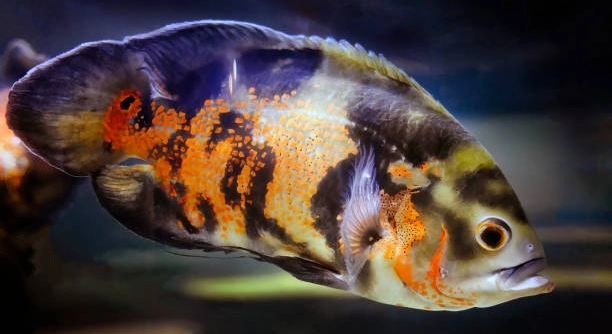
Adding new cichlids to your aquarium can be exciting, but it also requires careful planning. Many aquarists underestimate the effects of overcrowding and aggression among these territorial fish. Proper preparation is key to a healthy tank.
Before introducing more cichlids, it is crucial to evaluate tank size, water parameters, and species compatibility. Overcrowding and incompatible pairings can lead to stress, disease, and aggression, negatively impacting both the fish and overall aquarium environment.
Knowing these essential factors can save your fish from unnecessary stress and help maintain a stable, thriving aquarium ecosystem. Proper planning ensures harmony and long-term enjoyment in your tank.
Assess Your Tank Size
Before adding more cichlids, it is important to look at your aquarium’s size. Cichlids need plenty of space to swim and establish territories. A crowded tank increases stress, which can lead to illness and aggressive behavior. Bigger tanks make it easier to maintain water quality, as overcrowding produces more waste. Consider the adult size of each species. Some cichlids grow quickly and need room to move comfortably. Decorations and hiding places are also essential for reducing stress. Rocks, plants, and caves give fish spaces to retreat when they feel threatened. Regular maintenance and monitoring of water conditions are easier in a properly sized tank. Overestimating how many fish your tank can hold is a common mistake. Proper planning now will prevent future problems. Taking the time to evaluate your tank ensures a healthier, calmer, and more balanced environment for all fish.
Adding a few more gallons can significantly reduce stress and aggression among cichlids, creating a healthier tank overall.
When assessing tank size, keep in mind both swimming space and territory. Each cichlid needs room to establish dominance without constant conflict. Providing vertical and horizontal space, along with hiding spots, helps reduce tension. Even small tanks can feel spacious with careful decoration placement. Monitoring behavior after adding fish helps gauge if the tank truly supports the population. Adjustments in filtration, water changes, and decorations may be needed. The right tank size promotes natural behavior, encourages feeding, and improves overall health.
Check Species Compatibility
Not all cichlids can live together peacefully. Mixing aggressive species with peaceful ones often leads to injuries or stress.
Species compatibility involves understanding temperament, size, and environmental needs. Some cichlids are highly territorial, while others adapt more easily to shared spaces. Researching preferred water conditions is critical, as mismatched parameters can cause illness. Grouping similar temperaments and sizes reduces fights. Juvenile fish may seem calm, but adult behaviors can change rapidly. Observing fish interactions before permanent introduction helps prevent long-term conflicts. Using separate tanks for highly aggressive types may be necessary. Successful compatibility depends on planning, careful observation, and maintaining a stable environment. Choosing species that naturally coexist leads to a more peaceful, manageable aquarium.
Monitor Water Quality
Regular testing of water is essential when adding more cichlids. High ammonia, nitrite, or nitrate levels can stress fish, causing illness and aggressive behavior.
Maintaining stable water parameters supports both new and existing cichlids. Frequent water changes help manage waste buildup, especially in crowded tanks. Filtration must handle the extra bioload, and using a quality filter ensures debris and toxins are removed efficiently. Temperature, pH, and hardness should remain consistent to avoid stress. Even small changes can affect fish behavior and health. Keeping a log of test results can help spot trends early. Proper water management promotes growth, immunity, and harmony among all tank inhabitants, reducing the risk of disease.
Observing fish behavior alongside water testing is equally important. Fish may show signs of stress or aggression if conditions are not ideal. Adjustments in feeding, filtration, or water changes may be necessary to maintain balance. Consistent monitoring allows you to act before problems escalate.
Provide Adequate Hiding Spaces
Cichlids need personal spaces to feel safe and reduce aggression. Rocks, caves, and plants create natural retreats and break lines of sight.
Hiding spaces prevent constant confrontations by giving subordinate fish areas to escape. Territories can be clearly established, minimizing stress and fighting. Decorations should be arranged to allow movement and visibility for dominant fish while offering secluded spots for others. Grouping hiding spots in multiple areas ensures that all fish have access. Different textures, heights, and openings can cater to various species’ preferences. Overcrowded or empty tanks increase competition and territorial disputes, so balancing open swimming areas with secure retreats is critical. Proper hiding arrangements create a calmer environment, improving feeding and social interactions.
Control Feeding Amounts
Overfeeding can quickly harm water quality and increase aggression among cichlids. Feed smaller amounts more frequently to avoid leftover food.
Proper feeding supports health and reduces competition. Uneaten food decomposes, raising ammonia and nitrite levels, which can stress fish. Balanced portions keep the tank cleaner and fish calmer.
Maintain Proper Filtration
A strong filter is necessary when adding more cichlids. Extra fish produce more waste, so filtration must handle the increased bioload. Proper equipment keeps water clear and toxins low, ensuring a healthy environment.
Introduce Fish Slowly
Adding multiple cichlids at once can trigger fights and stress. Introduce new fish gradually to give the existing population time to adjust and establish territories.
FAQ
How many cichlids can I safely add to my tank?
The number of cichlids your tank can handle depends on its size, filtration, and the species’ adult size. Overcrowding increases stress, aggression, and disease risk. A general guideline is one inch of fish per gallon for small species, but territorial cichlids may require more space. Always account for hiding spots and swimming areas.
Can I mix different cichlid species together?
Mixing species is possible, but compatibility matters. Aggressive species should not be housed with peaceful ones. Similar temperaments and water requirements reduce fights. Observe behavior closely, as some fish may appear calm when young but become territorial as adults. Separating highly aggressive species into different tanks is sometimes necessary.
How often should I test the water after adding more fish?
Frequent testing is important, especially in the first few weeks after introducing new cichlids. Ammonia, nitrite, nitrate, pH, and temperature should be monitored regularly. Daily testing may be needed initially, then reduced to weekly once the tank stabilizes. Keeping a log helps identify changes early.
What are signs of stress in cichlids?
Stress can appear as hiding, loss of appetite, erratic swimming, or aggression. Color fading and rapid gill movement are also indicators. Stress often results from overcrowding, poor water quality, or incompatible tank mates. Identifying stress early allows for adjustments in tank setup, feeding, or population management.
Do cichlids need hiding places?
Yes. Hiding spaces reduce stress and territorial conflicts. Rocks, caves, and plants provide retreats for shy fish and break visual lines for dominant individuals. Even small tanks benefit from multiple hiding spots, as this helps fish establish territories without constant fighting. Variation in texture and height supports different species’ preferences.
How can I prevent aggression among cichlids?
Aggression is reduced by proper tank size, hiding spaces, and compatible species. Adding fish slowly allows territories to be established gradually. Feeding balanced portions and maintaining stable water conditions also lower stress, which in turn reduces fighting and improves overall tank harmony.
What should I do if a new cichlid is attacked?
If aggression occurs, separate the injured or new fish immediately. Rearrange decorations to create new territories, or use a breeding net or temporary divider. Monitor all fish closely until the group stabilizes. Avoid adding more fish until aggression is under control.
Is it necessary to adjust filtration when adding more fish?
Yes. More fish create higher bioloads, so filtration must match the increased waste. Strong mechanical and biological filtration helps maintain water clarity and reduces toxins. Regular filter maintenance and occasional upgrades ensure water quality remains safe for all inhabitants.
How do I acclimate new cichlids properly?
Float the bag in tank water to equalize temperature, then gradually mix small amounts of tank water over 30–60 minutes. This reduces shock from differences in pH, hardness, or temperature. Avoid adding the new fish directly to the tank until they are fully acclimated.
Can overfeeding cause aggression?
Yes. Overfeeding leads to uneaten food, poor water quality, and competition among fish. Feed smaller portions multiple times a day and remove leftovers promptly. Proper feeding reduces fights, keeps water clean, and supports healthy growth.
What is the best way to observe fish behavior after adding new cichlids?
Watch interactions for signs of stress, chasing, or color changes. Observe at different times of day, as behavior can vary. Documenting patterns helps identify problems early. Adjust tank layout, feeding, or population if persistent issues appear. Patience is key for a balanced community.
How long should I wait between adding new cichlids?
Spacing additions by several weeks allows existing fish to adjust and establish territories. Rapid introductions increase stress and aggression. Observe tank stability, water parameters, and behavior before adding more. Gradual stocking supports a healthier, more peaceful environment for all fish.
Can I keep juvenile and adult cichlids together?
Yes, but monitor carefully. Juveniles are often bullied by adults. Providing hiding spaces, separating aggressive adults temporarily, and feeding appropriately reduces stress. Some species become territorial only at maturity, so watch for changes in behavior as fish grow.
Do decorations affect fish behavior?
Decorations are critical. Rocks, caves, and plants provide boundaries, reduce line-of-sight conflicts, and allow territory establishment. Proper layout supports natural behavior, reduces aggression, and improves overall well-being. Avoid overcrowding decorations, as fish need swimming space alongside retreats.
How do I know when the tank is stable after adding fish?
Signs include consistent water parameters, calm behavior, regular feeding, and minimal chasing. Observation over several weeks helps determine if the tank has balanced. Adjustments in filtration, hiding spots, or population may still be needed, but stability is indicated by reduced stress and aggression.
This FAQ provides guidance for common concerns when adding cichlids. Following these practices ensures fish health, minimizes aggression, and supports a stable aquarium environment, making the process smoother and more successful.
Adding more cichlids to your aquarium can be very rewarding, but it comes with responsibilities. Ensuring the tank is large enough for additional fish is one of the first things to consider. Cichlids are territorial, and overcrowding can increase stress, leading to illness or fights. A well-planned layout with enough swimming space and hiding spots helps reduce aggression and allows each fish to feel secure. Decorations like rocks, caves, and plants are not just for looks—they provide areas for fish to establish territories, hide, or rest. Paying attention to tank size, territory, and structure helps keep your aquarium calm and balanced, which is important for the health of all your fish.
Water quality is another critical factor to consider when adding new cichlids. More fish produce more waste, which can quickly raise ammonia, nitrite, and nitrate levels if the filtration system is not strong enough. Regular water testing and maintenance are essential to prevent these issues. Even small fluctuations in pH, temperature, or hardness can stress fish, making them more prone to illness and aggression. Gradual introductions and proper acclimation techniques also help fish adjust to new surroundings without unnecessary stress. By monitoring water quality and observing fish behavior closely, you can prevent problems before they become serious, creating a stable environment where all cichlids can thrive.
Finally, patience and careful planning are key to maintaining a healthy aquarium. Rushing to add multiple fish at once can lead to aggression, stress, and even injuries. Introduce new cichlids slowly, giving existing fish time to establish territories. Make sure species compatibility is considered, as not all cichlids can live together peacefully. Feeding the right amount, maintaining stable water parameters, and arranging the tank thoughtfully all contribute to a harmonious environment. With consistent care and attention, your aquarium will remain a safe and comfortable home for all the cichlids, promoting long-term health, natural behavior, and overall enjoyment of your fishkeeping experience.

Hello,
If you enjoy the content that we create, please consider saying a "Thank You!" by leaving a tip.
Every little bit helps us continue crafting quality advice that supports the health, happiness, and well-being of pets around the world, for pets of all shapes, sizes, and species.
We really appreciate the kindness and support that you show us!