
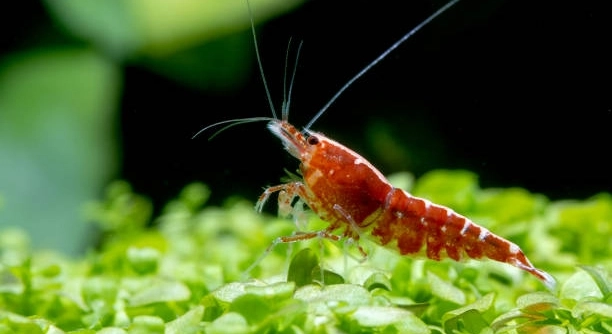
Have you ever noticed your cherry shrimp moving around in their tank and wondered how they interact with each other? Observing their small, delicate movements can be surprisingly engaging and even a little calming to watch.
Cherry shrimp exhibit enhanced problem-solving and exploratory behaviors when kept in pairs. Social interaction stimulates activity levels, coordination, and responsiveness to the environment, indicating that their cognitive performance improves with the presence of a companion shrimp.
Watching how these tiny creatures respond together can reveal unexpected insights into their behavior and daily habits.
How Cherry Shrimp Interact in Pairs
Cherry shrimp are more active when they have a companion nearby. They tend to explore their surroundings together, often swimming side by side or following one another. This pairing seems to encourage more movement than when a shrimp is alone, which helps them stay healthy. Pairs also appear to share food more efficiently, taking turns investigating the same area. Observing their behavior, it becomes clear that social interaction may reduce stress, as they often hide less and remain visible longer. Their coordination can also be seen in gentle nudges or synchronized movements, suggesting some level of awareness of each other. Even small actions, like brushing against plants or decorations, seem more deliberate when another shrimp is nearby. The presence of a pair may also encourage learning, as one shrimp often mimics the other’s behavior when approaching new objects or spaces. This pattern shows that pairing can improve both activity and mental engagement.
Pairs improve shrimp activity and exploration noticeably, encouraging more interaction and alertness throughout their environment.
Watching cherry shrimp together gives a new perspective on their small behaviors. Their movements, feeding patterns, and reactions to changes in the tank can reveal subtle social dynamics. One shrimp may lead while the other follows, showing cooperation or observation. These interactions make them more lively and responsive compared to being alone. Observing these patterns can help in understanding how their environment and companions affect overall wellbeing. Pairing may even help reduce stress, as they seem calmer and more confident. These small insights can be valuable for anyone managing a shrimp tank, highlighting the importance of social conditions for their health and activity levels. Over time, the differences between solitary and paired shrimp become more noticeable, especially in their curiosity and engagement with new objects or changes in the tank setup.
Benefits of Keeping Shrimp in Pairs
Keeping cherry shrimp in pairs promotes natural behavior patterns and healthier activity levels. Pairs often move more, explore more, and seem more comfortable in their surroundings.
Pairs also encourage learning and social awareness. When a shrimp observes its companion exploring a new object or area, it often imitates the behavior, gradually learning about its environment. This social learning can increase feeding efficiency and reduce hesitancy when facing new stimuli. Over time, paired shrimp may develop small routines together, such as sharing hiding spots or taking turns inspecting plants. Health benefits include more consistent activity, which supports physical fitness and reduces the likelihood of stress-related behaviors like excessive hiding. Observing these interactions provides insights into their preferences and social dynamics, which can inform better tank management. Tanks with paired shrimp may also show fewer signs of aggression or competition because the shared presence reduces isolation stress. Overall, pairing supports mental engagement, physical activity, and social stimulation, making it a practical approach for maintaining thriving cherry shrimp populations.
Observing Behavioral Changes
Pairs of cherry shrimp show more curiosity than solitary shrimp. They explore new areas and decorations more quickly and often move in coordinated patterns, indicating increased engagement and awareness of their surroundings.
Watching paired shrimp interact with their environment reveals subtle behavioral changes. They investigate new plants, hiding spots, or decorations more thoroughly than when alone. One shrimp often approaches an object first, while the other observes or follows, showing a kind of learning through observation. These interactions suggest that social presence encourages confidence, reducing fear and hesitation. Over time, the shrimp’s activity becomes more predictable, as patterns in movement and interaction emerge, reflecting improved environmental adaptation and engagement.
The difference in activity levels between paired and solitary shrimp is clear. Paired shrimp are more willing to leave hiding spots and swim openly. They also feed more efficiently, sometimes taking turns at food sources. Their movements appear more deliberate, and small interactions like nudges or following behaviors show that companionship encourages alertness and coordinated behavior. These patterns suggest that even small social environments can have a meaningful impact on shrimp behavior and daily routines.
Tank Setup and Pair Compatibility
Choosing the right tank size and environment is important for paired shrimp. Adequate space and hiding spots reduce stress and support natural behavior.
A 10-gallon tank or larger works well for two cherry shrimp, providing enough room for exploration while maintaining a controlled environment. Plants, moss, and decorations create hiding places and landmarks, encouraging exploration and interaction. Water parameters should be stable, with neutral pH and consistent temperature. Compatibility between shrimp is also essential; introducing shrimp of similar size and temperament reduces conflict. Observing their initial interactions can help determine if the pair adapts well to the shared space. Proper setup supports activity, reduces stress, and enhances social behaviors, allowing shrimp to thrive together.
Feeding Dynamics
Paired cherry shrimp often show a more organized approach to feeding. They may take turns approaching food or follow one another to feeding spots, reducing competition and encouraging calmer mealtimes.
Food exploration also becomes more active. One shrimp’s curiosity can encourage the other to investigate new types of food, increasing dietary variety and engagement.
Stress Reduction
Pairs of shrimp tend to display lower stress levels compared to solitary shrimp. Their activity is steadier, and they spend less time hiding, suggesting companionship provides reassurance.
Social interaction helps shrimp adjust to changes in the tank, like new decorations or water parameter shifts. Observing paired shrimp demonstrates that their confidence grows when a companion is present, creating a calmer and more stable environment.
Breeding Considerations
Having pairs may encourage breeding behaviors. Shrimp appear more willing to interact, explore, and engage in mating rituals when a companion is present.
Environmental Enrichment
Providing plants, moss, and hiding spots improves shrimp activity and social interaction. These features encourage exploration, coordination, and mental stimulation in paired shrimp.
FAQ
Do cherry shrimp need a companion to be happy?
Cherry shrimp do not strictly require a companion to survive, but having a pair can improve their activity and reduce stress. Observing paired shrimp shows more exploration and interaction with the environment. They swim more openly and feed with greater confidence, which contributes to overall health and engagement.
How does pairing affect feeding behavior?
Pairs often show more organized feeding patterns. One shrimp may approach the food first while the other observes, then follows, reducing competition. This shared behavior encourages exploration of new foods and ensures that both shrimp have access to nutrition without stress. Feeding sessions become calmer and more predictable in pairs.
Can pairs reduce stress in shrimp?
Yes, social interaction reduces stress. Paired shrimp tend to hide less, explore more, and respond more confidently to changes in the tank. Companionship provides reassurance and stimulates natural behaviors, helping them adapt more easily to environmental changes such as new plants or decorations.
Do paired shrimp explore more than solitary shrimp?
Paired shrimp display higher levels of curiosity. One shrimp’s movement often triggers the other to follow or mimic behavior, encouraging exploration. This can include investigating plants, decorations, and other areas of the tank. Increased activity helps with physical health and mental stimulation.
Does pairing improve breeding chances?
Having a pair can encourage mating behavior. Observing shrimp together often shows more interaction and engagement in natural reproductive rituals. A compatible pair is more likely to display coordinated behaviors that lead to successful breeding, especially when environmental conditions are stable.
What tank size is ideal for paired cherry shrimp?
A tank of 10 gallons or more is recommended for two shrimp. Adequate space allows for exploration, reduces stress, and helps prevent territorial behavior. Decorations, plants, and moss provide hiding spots and enrichment, supporting social interaction while maintaining a comfortable environment.
How do I know if two shrimp are compatible?
Compatibility depends on size and temperament. Shrimp of similar size are less likely to display dominance behaviors. Observing initial interactions helps determine if the pair will coexist peacefully. Calm and coordinated behavior is a sign of a good match.
Are there risks to keeping shrimp in pairs?
While generally beneficial, there can be minor risks if the pair is not compatible. Aggression may occur if one shrimp is significantly larger or more dominant. Proper tank setup with hiding places and decorations helps minimize conflicts and supports healthy social behavior.
Can paired shrimp learn from each other?
Yes, shrimp often mimic each other’s behaviors. One shrimp approaching a new object or area can encourage the other to explore the same space. This social learning improves environmental awareness and encourages active engagement with the tank’s features.
How can I maximize the benefits of pairing?
Provide a stable environment with proper water parameters, plants, moss, and decorations. Choose compatible shrimp and ensure adequate space for movement. Regular observation helps track interactions and adjust the setup to support healthy behavior, feeding, and exploration for both shrimp.
Do shrimp show affection toward each other?
While shrimp do not display affection like mammals, they do show coordinated behavior and mutual awareness. Following, nudging, and synchronized movements indicate social recognition and comfort in each other’s presence. These behaviors suggest a form of companionship that supports activity and reduces stress.
How long does it take for paired shrimp to show behavioral changes?
Behavioral changes can appear within days to weeks. Increased exploration, coordinated movements, and calmer feeding patterns often develop once the shrimp acclimate to each other. Continuous observation ensures that any signs of stress or incompatibility are addressed early.
Is pairing suitable for all cherry shrimp?
Pairing generally benefits most cherry shrimp, but individual temperament can vary. Some shrimp may prefer solitude, particularly if they are stressed or recovering from illness. Observing initial interactions helps determine whether pairing is the right choice for specific shrimp.
Can pairs improve shrimp health overall?
Yes, social interaction encourages activity, exploration, and consistent feeding, all of which contribute to physical and mental well-being. Reduced stress and stimulation from companionship support stronger immune responses and overall vitality, making shrimp more resilient to minor environmental changes.
How do I introduce a new shrimp to an existing one?
Introduce a new shrimp slowly in a quarantine or separate area first. Gradually mix water and monitor interactions. Ensure both shrimp are of similar size and temperament. Proper introduction reduces stress, encourages acceptance, and increases the chances of a harmonious pairing.
Do shrimp ever become territorial in pairs?
Territorial behavior is uncommon in properly paired shrimp with adequate space. Hiding spots and plants help prevent conflicts. If aggression occurs, it often stems from size differences or stress. Careful observation and proper tank setup are key to maintaining harmony.
How does tank enrichment affect paired shrimp?
Enrichment such as plants, moss, and decorations stimulates exploration and coordinated activity. Paired shrimp respond to objects and changes together, encouraging social learning and mental engagement. A well-decorated tank supports natural behaviors and keeps both shrimp active and healthy.
Can I keep more than two shrimp together?
Yes, but additional shrimp change dynamics. Group interactions may enhance activity further but require more space and careful monitoring. Pairing is a simple way to observe social benefits, while larger groups need attention to compatibility, feeding, and territory management.
What signs indicate a successful pairing?
Successful pairs explore openly, feed without conflict, and display coordinated movements. Minimal hiding, active engagement with tank elements, and calm interaction are positive indicators. Observing these behaviors over time ensures the pair is thriving together and benefiting from companionship.
Are there differences between male and female shrimp in pairing behavior?
Male and female shrimp may behave slightly differently, with males often being more active in exploration or courtship behaviors. Females may be more cautious but benefit from following and learning from males, resulting in increased overall activity and interaction.
How often should I observe paired shrimp?
Regular observation, even briefly each day, helps track activity, feeding, and interaction patterns. Noting changes in behavior ensures that any stress, aggression, or health issues are addressed promptly, supporting long-term wellbeing and a successful pairing.
Pairing cherry shrimp can make a noticeable difference in how they behave and interact with their environment. When kept in pairs, shrimp are more active and tend to explore their surroundings more confidently. They often swim together, investigate decorations, and respond to changes in the tank more quickly than solitary shrimp. This increased activity is not only interesting to observe but also contributes to their physical health. Swimming around the tank and moving between plants or hiding spots helps maintain muscle tone and overall vitality. Over time, the behaviors of paired shrimp become more predictable, and small patterns of movement and interaction emerge. These patterns suggest that having a companion can make their daily routines more structured and engaging.
Pairs also appear to experience lower stress levels compared to shrimp kept alone. Solitary shrimp may spend more time hiding or remain cautious when encountering new objects or foods. In contrast, shrimp kept together show greater confidence and curiosity, often exploring areas that might feel risky to a single shrimp. The presence of a companion provides reassurance and encourages natural behaviors, such as feeding, grooming, and interacting with the environment. This social stimulation can also support mental engagement. Observing paired shrimp reveals subtle signs of social awareness, such as following one another, mimicking movements, or coordinating feeding. These small interactions indicate that companionship not only affects activity but also improves the overall quality of life in their tank.
Creating a supportive environment for paired shrimp is important to maximize these benefits. Proper tank size, stable water parameters, hiding spots, and enrichment like moss or plants all contribute to healthy social behavior. Compatible shrimp of similar size and temperament are more likely to coexist peacefully, reducing the risk of stress or aggression. Introducing shrimp carefully and monitoring their behavior ensures that the pair adjusts well. Over time, the combined effects of companionship and a well-set-up tank can lead to more active, healthier, and mentally stimulated shrimp. Observing these small creatures together provides insight into their subtle social behaviors and the positive impact of having a companion, making the experience both enjoyable and educational for anyone maintaining a shrimp tank.

Hello,
If you enjoy the content that we create, please consider saying a "Thank You!" by leaving a tip.
Every little bit helps us continue crafting quality advice that supports the health, happiness, and well-being of pets around the world, for pets of all shapes, sizes, and species.
We really appreciate the kindness and support that you show us!