
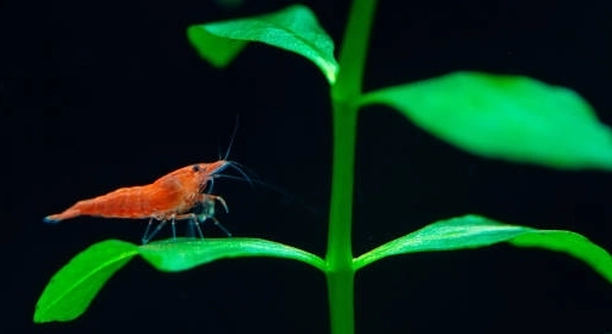
Cherry shrimp are delicate creatures that need time to settle into a new aquarium. Observing their behavior and environment can help ensure they are comfortable and adapting well to their surroundings. Proper care is key.
Healthy cherry shrimp display consistent movement, clear coloration, and regular feeding habits. They interact naturally with their environment, maintain proper swimming behavior, and show no signs of stress, indicating that their acclimation to a new tank is proceeding successfully.
Monitoring their progress is important for long-term health. Simple observations can reveal whether adjustments are going smoothly or if intervention is needed.
Observing Color Changes
Cherry shrimp often show subtle changes in color when adjusting to a new tank. Their vivid red shades may deepen or brighten over time, which usually signals comfort and health. Pale or dull coloring can indicate stress or water conditions that need attention. Regularly observing these color patterns helps track their well-being. Lighting, temperature, and diet all influence their pigmentation. Ensuring a stable environment supports vibrant coloring and reduces stress.
Healthy shrimp gradually regain their natural tones after a few days. Strong coloration is a good sign that they are acclimating.
Color changes are more than aesthetic. They provide insight into the shrimp’s internal health and external comfort. Shrimp that eat regularly and explore their habitat while showing clear, consistent color are more likely to thrive. Adjusting water parameters slowly and maintaining a clean tank ensures their pigment remains stable, supporting overall resilience. Monitoring these changes daily helps identify potential issues before they affect the shrimp’s health, creating a more balanced and calm tank environment for long-term success.
Watching Activity Levels
Active shrimp are usually adjusting well.
Shrimp that move around the tank, graze on surfaces, and interact with decorations indicate comfort. Lethargy or hiding may signal stress or environmental imbalance.
Observing activity provides a clear measure of acclimation. Initially, shrimp may stay hidden or move slowly, which is normal. Over several days, they should explore more freely and establish routines in feeding and swimming. Tank layout influences activity, as well-placed plants and hiding spots encourage natural behaviors. Feeding small amounts regularly helps them maintain energy without polluting the water. Consistent water temperature and proper filtration reduce stress, allowing shrimp to express natural movements. Recording patterns over time allows owners to spot anomalies early. Shrimp that are consistently active, interact with others, and respond to food are adapting effectively. This observation also highlights the importance of a calm environment, as sudden changes can trigger hiding or erratic swimming. Gradual introduction to tankmates and gentle maintenance practices further support healthy activity levels, confirming that the shrimp are thriving and adjusting well.
Feeding Habits
Consistent eating is a clear sign that cherry shrimp are adjusting. Shrimp that graze on biofilm, algae, and supplemental food show comfort and confidence in their environment.
Shrimp that feed regularly indicate good health and adaptation. Initially, some may hesitate, hiding or nibbling only small amounts. Over time, they begin exploring the tank for natural food sources while eagerly accepting added pellets or blanched vegetables. This behavior reflects proper acclimation to tank conditions, water quality, and temperature stability. Observing how and when they feed helps track stress levels and overall well-being. Feeding patterns also reveal social dynamics, as dominant shrimp may eat first while others wait. Keeping feeding consistent and providing a variety of foods ensures nutrition and reinforces natural behaviors. Monitoring uneaten food prevents waste buildup, which can harm water parameters and affect shrimp health.
Regular feeding encourages activity and confidence in shrimp. Watching them interact with food helps owners notice stress signs, health issues, or slow adjustment. Balanced nutrition supports coloration, molting, and energy for swimming, enhancing long-term survival. Creating a routine around feeding times allows shrimp to establish trust in their environment and gradually become more comfortable. Consistent observation ensures minor problems are addressed before they escalate, maintaining a stable tank where shrimp thrive.
Molting Patterns
Molting indicates growth and adaptation.
Shrimp that molt regularly are showing normal development and comfort in their surroundings. Irregular or stalled molting may signal stress or poor water quality.
Molting is an essential biological process for cherry shrimp, and consistent molting reflects proper nutrition, water chemistry, and low stress levels. During this time, shrimp are vulnerable, so hiding behavior is natural. Successful molting requires stable calcium levels, clean water, and appropriate tank conditions. Observing discarded exoskeletons confirms shrimp are growing and acclimating correctly. Lack of molts over extended periods can indicate underlying problems like incorrect pH, temperature fluctuations, or insufficient diet. Supporting a tank environment with plants, hiding spaces, and stable conditions encourages regular molting and reduces mortality. Monitoring molting patterns provides a tangible measure of shrimp health and adaptation. Proper care during and after each molt ensures continued growth, color development, and overall resilience within the aquarium, making this a critical sign of adjustment.
Interaction with Tankmates
Shrimp that move comfortably around other tank inhabitants are adapting well. Stress can occur if they are constantly chased or hiding, so calm interactions indicate a balanced environment.
Observing social behavior helps determine comfort levels. Shrimp that graze alongside others, occasionally brushing past or sharing spaces without aggression, show proper acclimation.
Hiding Behavior
Shrimp that hide occasionally are normal, especially during molting or when startled.
Excessive hiding or spending most of the day in shelters may indicate stress, poor water conditions, or insufficient food. Monitoring hiding frequency helps track their adjustment and overall comfort in the tank.
Swimming Patterns
Smooth, steady swimming with occasional exploratory movement is a sign of comfort.
Shrimp that move erratically, stay at the bottom, or cling to decorations may be stressed or adjusting slowly. Regular observation of swimming ensures tank conditions are suitable and supports healthy behavior.
FAQ
How long does it take for cherry shrimp to adjust to a new tank?
Cherry shrimp typically take several days to a couple of weeks to fully acclimate. During this time, they may hide more than usual or eat less. Gradual changes in water conditions, consistent feeding, and a stable environment help them settle faster and show normal behavior sooner.
Why are my cherry shrimp hiding all the time?
Hiding is common when shrimp are stressed, molting, or adjusting to new surroundings. Excessive hiding can indicate poor water quality, sudden temperature changes, or aggressive tankmates. Providing plenty of plants and hiding spots allows them to feel secure and reduces stress levels while they adapt.
What does it mean if cherry shrimp change color?
Color changes often reflect health and comfort. Bright, consistent coloring indicates good health and adaptation, while fading or dull colors may point to stress, poor water conditions, or nutritional deficiencies. Monitoring color along with behavior gives a clear view of their overall adjustment.
How often should cherry shrimp eat during acclimation?
Small amounts of food once or twice daily are sufficient. Overfeeding can pollute the water and harm shrimp, while underfeeding can slow growth and molting. Observing whether they actively graze on biofilm, algae, and supplemental food ensures they are eating properly and adjusting well.
Is molting a sign of stress or health?
Regular molting is a healthy process and a positive sign of growth. Shrimp may hide during molting, which is normal, but difficulty molting or skipping molts can indicate stress, improper water chemistry, or poor nutrition. Stable water conditions and proper diet support regular molting cycles.
Can cherry shrimp coexist with other species during adjustment?
Yes, as long as tankmates are peaceful and non-predatory. Aggressive or large fish can stress shrimp and prevent proper acclimation. Observing interactions and providing enough hiding spots ensures shrimp can move freely and feel safe, promoting normal feeding and social behavior.
How do I know if water conditions are suitable?
Water should be stable with appropriate pH, temperature, and hardness for cherry shrimp. Clear, odorless water and consistent movement indicate good quality. Monitoring parameters regularly and performing partial water changes helps maintain a safe environment for shrimp to adjust and thrive.
What should I do if shrimp are inactive?
Inactivity can result from stress, poor water quality, or temperature changes. Check water parameters, ensure proper feeding, and maintain stable conditions. Some inactivity is normal immediately after introduction, but prolonged lethargy requires intervention to prevent illness or molting issues.
Are cherry shrimp social while adjusting?
Shrimp often explore together, grazing and interacting in small groups. Comfort is indicated by shared spaces, grazing alongside others, and occasional brushing past each other. Shrimp that avoid all interaction for long periods may be stressed or in need of improved tank conditions.
How can I encourage healthy adjustment?
Provide stable water, adequate hiding spaces, balanced food, and calm tankmates. Observe behavior, feeding, color, and molting patterns to ensure comfort. Gradual changes and consistent care reduce stress, support health, and allow shrimp to acclimate effectively to their new environment.
What signs indicate shrimp are fully adjusted?
Fully adjusted shrimp display consistent coloration, regular feeding, normal swimming, active exploration, and molting on schedule. They interact naturally with the environment and tankmates without hiding excessively. Observing these behaviors over time confirms that shrimp are comfortable and thriving in the aquarium.
How can I prevent stress during adjustment?
Minimize sudden changes in water temperature, lighting, and decorations. Introduce shrimp gradually, feed appropriately, and maintain clean water. Stress reduction ensures faster acclimation, supports molting, feeding, and social behaviors, and promotes long-term health for cherry shrimp.
Why do some shrimp eat first while others wait?
Social hierarchy or natural caution often dictates feeding order. Dominant shrimp may access food first, while more timid ones wait. Ensuring enough food and multiple feeding spots allows all shrimp to eat comfortably, supporting growth, health, and adjustment.
How do I track shrimp health during adjustment?
Observe color, activity, feeding habits, hiding, and molting. Regular monitoring helps detect early signs of stress, illness, or poor water conditions. Keeping a simple log or mental note of daily behavior ensures problems are addressed promptly, supporting long-term health and adaptation.
Can cherry shrimp live alone while adjusting?
Yes, shrimp can survive alone, but they are social creatures. A small group provides comfort and encourages natural behavior. Solitary shrimp may hide more or display less activity, so observing their behavior and providing adequate food and hiding spots is important for adjustment.
Final Thoughts
Cherry shrimp are small but sensitive creatures, and giving them time and care to adjust to a new tank is essential. Observing their behavior, color, and feeding habits provides clear signals about how well they are acclimating. Healthy shrimp gradually explore their surroundings, feed consistently, and display bright, natural colors. Paying attention to these signs helps ensure that their environment is stable, safe, and supportive of their needs. A calm and consistent tank setup can make the adjustment period smoother and less stressful for both the shrimp and the owner. Proper care during these first days sets the foundation for their long-term health and well-being.
Water conditions, food, and tankmates play a major role in how well cherry shrimp adjust. Maintaining stable water parameters is crucial, as sudden changes in temperature, pH, or hardness can create stress. Feeding small amounts of varied food supports energy and molting, while careful observation of how they eat provides insight into their comfort. Peaceful tankmates and plenty of hiding spaces reduce stress and allow shrimp to feel secure while exploring. Regular monitoring of these factors ensures that minor issues are identified and corrected early, allowing shrimp to thrive without unnecessary setbacks.
Adjustment is not a process that happens overnight, but patience and consistency make it easier to support shrimp during this period. Noticing small behaviors like grazing, swimming patterns, or molting provides valuable insight into their health and confidence in their environment. Shrimp that are comfortable will show steady growth, vibrant coloration, and regular interaction with their surroundings. Keeping a stable, well-maintained tank, providing sufficient nutrition, and offering safe spaces are simple but effective ways to ensure that your cherry shrimp settle in successfully. With careful attention and consistent care, they will grow more confident, active, and healthy over time, rewarding your efforts with a lively and balanced aquarium.

Hello,
If you enjoy the content that we create, please consider saying a "Thank You!" by leaving a tip.
Every little bit helps us continue crafting quality advice that supports the health, happiness, and well-being of pets around the world, for pets of all shapes, sizes, and species.
We really appreciate the kindness and support that you show us!