
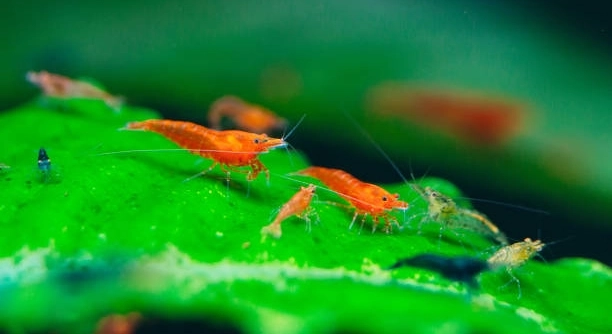
Cherry shrimp are small, colorful freshwater creatures that brighten up any aquarium. Many hobbyists enjoy watching their lively behavior, but understanding their needs is important. Light, in particular, plays a key role in their daily activity and overall health.
Cherry shrimp can become overstimulated by intense or prolonged lighting. Excessive light may increase stress levels, reduce feeding efficiency, and trigger erratic swimming patterns. Providing a balanced light schedule is essential to maintain their well-being and natural behaviors.
Managing light properly is more than just aesthetic. It helps maintain calm shrimp and a healthy tank environment for everyone involved.
How Light Affects Cherry Shrimp Behavior
Cherry shrimp are highly sensitive to their surroundings, and lighting is one of the main environmental factors that influences their behavior. When exposed to bright or constant light, they can become stressed, hiding more often or moving erratically. Light intensity affects their natural rhythm, including feeding and resting periods, so it is important to create a comfortable environment. Using dimmer lights or providing shaded areas in the tank can help shrimp feel secure. Observing your shrimp under different lighting conditions will reveal their preferences. Plants and decorations not only improve the tank’s appearance but also give shrimp places to retreat when light feels overwhelming. Over time, consistent and appropriate lighting supports healthier shrimp, encourages natural coloration, and reduces aggressive or nervous behaviors. Adjusting the photoperiod to mimic natural day and night cycles is another way to ensure your shrimp remain calm and active without unnecessary stress in their tank.
Balanced lighting encourages calm, healthy shrimp and reduces stress in the aquarium.
Shrimp react noticeably to changes in light. Too bright or prolonged exposure can disrupt feeding and resting patterns, leading to unhealthy or anxious behaviors.
Signs of Light Overstimulation
Cherry shrimp show clear signs when lighting is too strong. They may hide constantly, swim rapidly without purpose, or appear lethargic in shaded areas. Observing their behavior closely helps identify these changes early, allowing adjustments to the tank setup before stress affects their health.
Prolonged exposure to strong light can increase stress hormones in shrimp, affecting their immune system and making them more susceptible to illness. Overstimulated shrimp often display changes in coloration, appearing paler than usual, and may stop eating regularly. Erratic swimming or constantly darting to the shaded areas indicates that they are trying to escape uncomfortable conditions. To prevent overstimulation, gradually adjust light intensity and duration, mimicking natural day and night cycles. Adding plants or hiding spots provides relief and makes them feel secure. Understanding these signs is crucial for maintaining a thriving tank. Keeping light consistent, moderate, and predictable ensures shrimp stay active, healthy, and colorful. Proper lighting also improves plant growth and keeps the overall ecosystem balanced, benefiting all tank inhabitants.
Adjusting Tank Lighting
Too much light can stress cherry shrimp, so it is important to control the intensity and duration. A timer helps maintain a consistent schedule. Dimmer lights or shaded spots allow shrimp to retreat when needed, supporting calmer behavior.
Gradually reducing light over time helps shrimp adapt without sudden stress. Combining moderate lighting with floating plants or moss provides shaded areas where shrimp can hide if they feel overstimulated. Avoid placing the tank in direct sunlight, as it can increase light intensity unpredictably and raise water temperature. Observing shrimp behavior after adjustments ensures they remain active, colorful, and comfortable in their environment. Consistent monitoring allows small tweaks to optimize tank conditions without causing unnecessary stress or disruption to their natural routines.
The color and brightness of the tank light also affect shrimp behavior. Warmer tones tend to be less harsh, while very bright or cool-toned lights can make shrimp anxious. Balancing these elements keeps shrimp healthy and stress-free. Careful observation and small adjustments make a noticeable difference in overall shrimp activity and happiness, and maintaining moderate lighting encourages natural feeding and resting patterns that support long-term health in your tank.
Timing and Duration of Light
Cherry shrimp do best with predictable light cycles. About 8–10 hours of light each day usually keeps them active without causing stress, while the rest of the time should be darker to mimic natural conditions.
Extending or shortening the light period can disrupt their feeding and resting cycles. Using a timer ensures consistency, preventing sudden exposure that may cause panic or hiding. Gradual changes in lighting, rather than abrupt shifts, help shrimp adjust naturally. Observing how shrimp respond to these cycles is important, as individual shrimp may have slightly different preferences. Combining timed lighting with areas of shade or plants provides options for shrimp to self-regulate, reducing stress and promoting healthy, natural behavior in the aquarium. Consistency is key to preventing overstimulation and maintaining a stable tank environment.
Choosing the Right Light
Cherry shrimp need light that is not too intense. LED or fluorescent lights with adjustable brightness are ideal. Providing shaded areas or plants helps them feel secure and prevents overstimulation.
Avoid direct sunlight or overly bright bulbs. Gradual lighting changes reduce stress and maintain healthy shrimp behavior. Consistency is important for their routine.
Effects on Color and Health
Excessive lighting can affect cherry shrimp coloration, making them appear pale or dull. Stress from overstimulation can weaken their immune system, making them more vulnerable to illness. Maintaining moderate, consistent lighting supports vibrant colors and overall health, encouraging natural activity and feeding habits that keep shrimp thriving in their tank.
Using Timers
Timers simplify light management. They ensure shrimp get consistent day and night cycles, reducing stress and supporting natural behavior patterns.
FAQ
Can cherry shrimp survive in a very bright tank?
Cherry shrimp can survive in bright tanks, but prolonged exposure may stress them. Bright light increases activity and may make them hide often. Providing shaded areas or floating plants helps them feel secure. Gradually introducing higher intensity light allows shrimp to adapt without panic.
How long should the lights stay on each day?
A consistent schedule of 8–10 hours of light per day is usually sufficient. Too much light can disrupt feeding and resting patterns. Using a timer ensures they get a predictable day-night cycle, helping shrimp stay calm and active without unnecessary stress.
Will dimming the lights improve shrimp health?
Yes, dimmer lighting reduces stress and helps shrimp maintain natural behaviors. Bright lights can trigger hiding or erratic swimming, while moderate light encourages feeding and activity. Combining dim lighting with plants or decorations provides retreat areas, improving overall well-being.
Do cherry shrimp prefer colored lights?
Cherry shrimp react better to warmer, softer lights rather than very bright or cool-toned bulbs. Natural-looking lighting tends to reduce stress and enhances their color. Extreme blue or white lights can make shrimp anxious, while gentle tones keep them relaxed and active.
How do I know if my shrimp are stressed from light?
Stress signs include constant hiding, erratic swimming, reduced feeding, and paler colors. Observing behavior over a few days helps identify overstimulation. Adjusting light intensity, providing shade, or shortening light duration can help shrimp feel secure and reduce stress levels.
Can light affect shrimp molting?
Yes, stress from bright or constant light can interfere with molting. Shrimp may delay or struggle during the process if overstimulated. Maintaining moderate light and providing hiding spots ensures safer molting and reduces risk of injury or incomplete molts.
Is it better to use natural sunlight or artificial lights?
Artificial lights are more controllable and consistent. Natural sunlight can fluctuate in intensity and cause temperature spikes, stressing shrimp. Using LED or fluorescent lights with adjustable settings allows precise control over intensity and duration, keeping shrimp healthy and their environment stable.
Should I provide shaded areas in the tank?
Shaded areas are very important. They let shrimp escape bright light when they feel overwhelmed, reducing stress. Moss, plants, or decorations create hiding spots and mimic natural environments. Even small retreats can significantly improve shrimp comfort and activity levels.
Can too little light harm cherry shrimp?
Yes, insufficient light can affect plant growth, which reduces hiding spots and food sources. It may also reduce shrimp activity and slow growth. A balanced light schedule ensures shrimp remain healthy, active, and maintain vibrant coloration while supporting plants in the tank.
How quickly should I adjust lighting if shrimp seem stressed?
Gradual adjustments are best. Sudden changes can cause panic or hiding. Slowly dimming lights, changing color temperature, or reducing duration over several days allows shrimp to adapt without unnecessary stress. Observing behavior helps confirm they are comfortable with new settings.
Are there any special light setups for heavily planted tanks?
Heavily planted tanks may require slightly brighter light for plant growth, but shrimp still need areas of shade. Floating plants or tall decorations help balance plant needs and shrimp comfort. Monitoring shrimp behavior ensures plants do not create stressful, overly bright zones.
Can light influence shrimp breeding?
Moderate, consistent lighting supports natural behaviors that encourage breeding. Excessive or erratic lighting may stress adults, reducing reproduction. Providing predictable day-night cycles and shaded areas creates a calm environment, allowing shrimp to breed more reliably while staying healthy.
Do cherry shrimp get used to bright lights over time?
Some adaptation occurs, but shrimp still need options to escape bright areas. Even if they appear accustomed, overly bright or prolonged light may continue to stress them. Providing gradual changes, retreats, and consistent schedules ensures long-term comfort and health.
Is there a specific type of LED light recommended for cherry shrimp?
Full-spectrum, adjustable LED lights are ideal. They offer control over brightness and color temperature, supporting plant growth without overstimulating shrimp. Adjustable LEDs allow gradual changes and help mimic natural conditions, keeping shrimp active, colorful, and stress-free.
Can tank size affect how light impacts shrimp?
Yes, smaller tanks concentrate light, making it easier to overstimulate shrimp. Larger tanks allow light to disperse more evenly, giving shrimp options to move away from bright spots. Placement of plants and decorations helps control light distribution, reducing stress in all tank sizes.
How often should I monitor shrimp for light-related stress?
Daily observation is recommended, especially after changes in lighting. Watch for hiding, swimming patterns, and feeding behavior. Early detection of overstimulation allows quick adjustments, preventing long-term health issues and ensuring shrimp remain comfortable in their environment.
Does night lighting or aquarium LEDs at night affect shrimp?
Yes, continuous or night-time lights disrupt natural rest periods. Cherry shrimp need darkness to mimic night cycles. Using timers to turn off lights ensures proper rest, reduces stress, and supports healthy feeding, growth, and molting patterns.
Can I use colored LEDs to calm stressed shrimp?
Soft, warm-colored LEDs can be calming. Avoid harsh or very bright colors, which can increase anxiety. Gentle lighting paired with shaded areas gives shrimp control over exposure, helping them feel secure while maintaining natural behaviors.
Is it okay to suddenly change light duration or intensity?
No, sudden changes can shock shrimp, causing hiding, erratic swimming, or reduced feeding. Gradual adjustments over several days or weeks are safer, allowing shrimp to adapt and maintaining healthy activity and coloration without stress.
What combination of lighting and plants works best?
Moderate light with floating plants, moss, or tall decorations works well. Plants provide shade, grazing surfaces, and improve water quality, while controlled lighting prevents overstimulation. This balance creates a stable, comfortable environment for cherry shrimp to thrive.
How does light interact with water temperature for shrimp comfort?
Strong lights can increase water temperature, adding stress. Monitoring both light intensity and water temperature is important. Moderate, consistent lighting combined with proper temperature control ensures shrimp remain healthy, active, and comfortable in their tank.
Can I use reflective backgrounds or mirrors in the tank?
Reflective surfaces increase perceived brightness and may overstimulate shrimp. Using non-reflective backgrounds or matte finishes reduces stress and prevents constant movement or hiding caused by excessive reflections. Simple adjustments can improve overall shrimp behavior.
How do I gradually introduce new lighting?
Start with low intensity and slowly increase over several days. Observe shrimp reactions and provide shaded areas. Gradual changes reduce stress, allowing shrimp to adapt to new lighting without hiding, color loss, or erratic swimming, promoting long-term health and activity.
Are there seasonal adjustments needed for lighting?
Minor adjustments can help mimic natural seasonal cycles, but abrupt changes may stress shrimp. Keeping duration and intensity relatively consistent is more important. Slight changes paired with shaded areas allow shrimp to adapt comfortably while supporting natural behavior patterns.
Does light intensity affect shrimp feeding times?
Yes, very bright or erratic lighting can delay or reduce feeding. Shrimp may hide instead of eating. Moderate, consistent lighting ensures shrimp feel safe to forage and eat normally, supporting growth, color, and overall tank health.
Can light flicker harm cherry shrimp?
Flickering lights can be stressful, causing constant hiding or erratic swimming. Using stable, consistent lighting prevents overstimulation. LEDs with proper drivers or high-quality fluorescent bulbs are safer and maintain a calm environment for shrimp, promoting natural behaviors and healthy activity.
Is it safe to have multiple light sources in one tank?
Multiple sources can work if intensity is balanced. Avoid overlapping bright areas that overstimulate shrimp. Providing shaded spots and ensuring even light distribution reduces stress, allowing shrimp to explore freely while maintaining natural behaviors and comfort.
How often should I clean lights to maintain proper intensity?
Regular cleaning ensures lights stay at the intended brightness. Dust, algae, or mineral buildup can alter intensity and distribution, unintentionally overstimulating or under-lighting shrimp. A simple wipe every few weeks maintains optimal lighting and keeps shrimp comfortable.
Does light affect algae growth in the tank?
Yes, brighter lights increase algae growth, which may compete with plants and affect shrimp hiding spots. Moderate lighting with timed schedules reduces algae problems while still supporting plant growth and shrimp comfort, maintaining a balanced, healthy aquarium environment.
Can shrimp adapt to completely dark tanks?
Shrimp can survive in low light but may become less active and lose coloration. Some light is necessary for normal behavior, plant growth, and overall tank health. Providing low, gentle lighting keeps shrimp active and maintains a natural, healthy environment.
Should I use dimming schedules instead of abrupt on/off cycles?
Dimming schedules are better. Gradual increases and decreases mimic natural sunrise and sunset, reducing stress. Abrupt transitions can cause hiding, erratic swimming, or feeding disruptions. Timers with dimming functions create a calm, stable environment for cherry shrimp.
How can I combine light and filtration for shrimp comfort?
Filters can create movement that makes bright light feel stronger. Positioning lights to avoid direct reflections from water movement and ensuring consistent intensity prevents overstimulation. This balance keeps shrimp calm and encourages normal behavior patterns while maintaining water quality.
Are there specific plants that help regulate light exposure?
Floating plants, moss, and tall stem plants provide shade and soft light filtering. They give shrimp options to escape bright areas, reduce stress, and allow natural grazing behavior. Combining these plants with moderate lighting creates a comfortable, thriving environment for cherry shrimp.
How important is consistency in light cycles for long-term shrimp health?
Consistency is crucial. Irregular light cycles increase stress, disrupt feeding, and affect molting. Predictable schedules, shaded areas, and gradual adjustments ensure shrimp remain active, healthy, and colorful over time, supporting a stable tank ecosystem that benefits all inhabitants.
Can I use night-specific LEDs for viewing shrimp?
Soft red or blue night LEDs are usually safe. Avoid bright white or harsh colors that can disrupt rest cycles. Night lighting should be dim enough to allow observation without causing stress, maintaining proper day-night rhythms and shrimp comfort.
How do I balance plant needs with shrimp comfort?
Adjust light intensity to support plant growth without overstimulating shrimp. Use shaded zones, floating plants, and gentle lighting to create areas where shrimp can retreat. Observing behavior ensures both plants and shrimp thrive together in a balanced environment.
Is it better to use a single long light period or split periods?
Single consistent periods are generally better. Splitting periods may confuse shrimp and disrupt their routine. Consistent, moderate-duration lighting paired with shaded areas supports feeding, activity, and rest cycles, keeping shrimp calm and healthy while maintaining natural behavior.
Do shrimp react differently to aquarium size under the same lighting?
Yes, smaller tanks amplify light intensity, making overstimulation more likely. Larger tanks allow more space and shaded areas, giving shrimp options to escape bright spots. Tank layout, plants, and decorations play a key role in managing lighting effects for shrimp comfort.
Can I use reflectors to reduce light intensity?
Reflectors can diffuse light and prevent hotspots, making tanks more comfortable for shrimp. Proper positioning reduces stress, ensures even lighting, and maintains a calm environment while still supporting plant growth and natural shrimp behavior.
How often should I check for light-related stress?
Daily observation is best, particularly after changes in lighting. Look for hiding, erratic swimming, or reduced feeding. Early detection allows quick adjustments, preventing long-term health issues and keeping shrimp comfortable in their environment.
Is direct overhead lighting better or side lighting?
Overhead lighting is generally better if intensity is moderate. Side lighting can create uneven bright spots and reflections, which may stress shrimp. Proper positioning combined with shaded areas provides a comfortable environment for natural behaviors.
Can I combine different types of lights in one tank?
Yes, if intensity and spectrum are balanced. Using LEDs and fluorescent lights together is possible, but brightness should be moderate and consistent. Shaded areas and plant cover help shrimp regulate exposure, reducing stress while maintaining a healthy tank.
Do shrimp ever need complete darkness for extended periods?
Occasional longer dark periods are fine, but prolonged darkness reduces activity and color vibrancy. A predictable day-night cycle with moderate light is best for natural behavior, healthy feeding, and overall well-being.
Are there signs that lighting is improving shrimp health?
Shrimp appear more active, hide less, eat regularly, and show brighter coloration. Calm swimming and natural grazing behaviors indicate the tank lighting is comfortable and supporting overall health, allowing shrimp to thrive long-term.
Can light affect shrimp lifespan?
Excessive stress from improper lighting can shorten lifespan. Balanced, moderate lighting with shaded areas and consistent schedules supports health, activity, and proper molting, contributing to longer, healthier lives in captivity.
Is it necessary to adjust lighting for different shrimp species?
Yes, different species have varying light tolerances. Research specific species needs, provide shaded retreats, and maintain moderate intensity to ensure all shrimp remain stress-free, active, and healthy in shared or species-specific tanks.
Does tank background color impact light stress?
Darker backgrounds reduce perceived brightness and reflections, helping shrimp feel secure. Light-colored or reflective backgrounds can intensify light exposure, increasing stress. Choosing a non-reflective, darker backdrop helps create a calm environment.
How do I know if my lighting setup is balanced?
Shrimp remain active, show bright coloration, feed regularly, and hide only occasionally. Plants grow without excessive algae. Observing these factors together indicates a well-balanced lighting setup that supports both shrimp and tank health.
Can I use motion sensors or smart lights for shrimp tanks?
Smart lights are useful if programmed correctly. Sudden changes or motion-triggered lights can stress shrimp. Consistent schedules with gradual changes work best. Smart features are helpful for convenience but should prioritize shrimp comfort and predictable light cycles.
Do shrimp respond differently to LED versus fluorescent lights?
LEDs allow better control over brightness and spectrum, reducing stress. Fluorescent lights can work but may offer less flexibility. Both types can support plant growth and shrimp comfort if intensity and duration are moderate and consistent.
How does light interact with water clarity?
Clear water amplifies light, increasing stress risk. Cloudy or heavily planted water diffuses light, creating natural shading. Balancing water clarity, light intensity, and shaded areas ensures shrimp remain comfortable and stress-free while maintaining healthy tank conditions.
Can I use dimmers to simulate sunrise and sunset?
Yes, dimmers create gradual light changes that reduce stress. Simulating natural transitions encourages calm behavior, regular feeding, and proper rest cycles. This approach improves overall health, color, and activity levels in cherry shrimp.
Do juvenile shrimp react differently to light than adults?
Juveniles are often more sensitive and may hide more under bright light. Providing shaded areas and moderate intensity helps them adapt and grow safely. Adults are generally more tolerant but still benefit from balanced lighting and retreats.
Is it safe to combine light adjustments with water changes?
Yes, but monitor shrimp closely. Sudden water changes and light adjustments together can be stressful. Gradual lighting changes before or after water maintenance minimize stress and ensure shrimp remain comfortable throughout tank care.
Are timers enough, or do I need manual monitoring?
Timers provide consistency, but manual observation ensures shrimp are not stressed. Adjusting based on behavior is essential. Regular checks allow fine-tuning of light intensity, duration, and shaded areas, keeping shrimp healthy, calm, and active.
Can seasonal light changes affect shrimp molting?
Slight seasonal adjustments are fine, but abrupt changes may stress shrimp during molting. Maintaining consistent light intensity and duration while providing retreats ensures safe, healthy molting regardless of minor seasonal variations.
Should I adjust light for breeding pairs differently?
Breeding shrimp prefer calm, moderate lighting with shaded areas. Excessive light can stress adults and reduce reproduction. Predictable cycles and gradual transitions support mating behavior, egg development, and fry survival while maintaining overall tank health.
Do shrimp notice reflections in glass or water surface?
Yes, reflections can mimic movement and create stress. Positioning lights carefully, using matte backgrounds, and providing plants or decorations reduce perceived threats, keeping shrimp calm and maintaining natural behavior patterns.
How can I test if my lighting is too strong?
Observe shrimp activity, hiding behavior, and color. Constant hiding, frantic swimming, or paleness indicates overstimulation. Gradually reducing intensity or adding shaded areas confirms whether light levels are appropriate, ensuring shrimp comfort and long-term health.
Are there long-term effects of light stress?
Chronic overstimulation can reduce lifespan, slow growth, cause molting problems, and weaken immunity. Maintaining moderate, consistent lighting with shaded areas prevents these issues, supporting active, colorful, and healthy shrimp over time.
Can I use light schedules to control algae without stressing shrimp?
Yes, limiting bright light duration and providing shaded areas helps manage algae while keeping shrimp comfortable. Timers and moderate intensity allow balance between plant growth, algae control, and shrimp well-being, maintaining a stable tank environment.
Do shrimp react to sudden changes in light color?
Sudden shifts in color can startle shrimp, causing hiding or erratic swimming. Gradual transitions are safer. If changing color tones, do so slowly and maintain shaded areas to reduce stress and ensure natural behavior continues.
Is indirect lighting better than direct overhead lighting?
Indirect lighting is often gentler, reducing stress and reflections. Overhead lights are fine if intensity is moderate, but indirect or diffused lighting provides more comfort, encourages natural activity, and prevents hiding caused by harsh brightness.
How do I know if lighting supports both shrimp and plants?
Shrimp are active, feed well, show bright coloration, and hide occasionally. Plants grow steadily without excessive algae. Observing shrimp behavior alongside plant health indicates that lighting is balanced for both tank inhabitants.
Can light schedules influence shrimp aggression?
Yes, irregular or overly bright lighting can increase stress, making shrimp more likely to nip or compete for hiding spots. Consistent moderate lighting reduces tension, keeps shrimp calm, and supports peaceful coexistence in the tank.
Do reflections from water surface cause stress at night?
Yes, strong reflections from artificial or ambient light can disturb night rest. Using dim night LEDs or ensuring complete darkness at night reduces stress, allows proper rest, and supports healthy feeding and molting cycles.
Can combining light with water flow affect shrimp comfort?
Strong currents under bright light can increase stress, causing hiding or erratic swimming. Positioning filters, decorations, and lights carefully reduces overstimulation and helps shrimp move freely, maintain natural behavior, and stay healthy.
Are there any signs that lighting changes are too slow or too fast?
Shrimp hiding excessively or swimming erratically may indicate too fast a change. Little response or lethargy may indicate too slow adjustment. Observing shrimp behavior helps fine-tune gradual transitions for optimal comfort.
How does light affect shrimp feeding schedules?
Bright or erratic lighting can make shrimp hide, skipping meals. Moderate, consistent lighting ensures shrimp feel safe to forage, eat normally, and maintain proper growth and activity levels in the tank.
Can light cycles be synchronized with other aquarium species?
Yes, but consider the needs of all
Cherry shrimp are small, delicate creatures that respond strongly to their environment. Light is one of the most important factors that affects their behavior and well-being. Bright or constant lighting can cause stress, leading shrimp to hide more, swim erratically, or even lose some of their natural color. Creating a calm, predictable environment with moderate lighting helps shrimp stay active, healthy, and comfortable. Shaded areas, plants, or decorations give them places to retreat when the light feels too strong, allowing them to regulate their own exposure. Consistency in the lighting schedule is just as important as intensity. Using timers or gradual dimming systems ensures shrimp experience a regular day-night cycle, which mimics natural conditions and reduces stress.
Observing shrimp behavior is key to understanding how your tank lighting is affecting them. Signs like constant hiding, reduced feeding, or erratic swimming indicate overstimulation, while calm movement and regular grazing show that the lighting is appropriate. Different shrimp may respond slightly differently, so paying attention to individual behavior is important. Gradual changes are better than sudden ones. Whether you are adjusting brightness, duration, or color temperature, small steps prevent unnecessary stress. Combining moderate lighting with live plants or moss not only provides hiding spots but also improves the overall ecosystem. Shrimp feel more secure and are more likely to behave naturally when they have options to move in and out of lighted areas. Even subtle adjustments in light placement or intensity can make a noticeable difference in their activity and comfort.
Maintaining proper lighting also benefits the tank as a whole. Balanced light supports healthy plant growth, which creates a stable habitat for shrimp while reducing algae overgrowth. It encourages regular feeding, natural activity, and safer molting cycles, all of which contribute to long-term shrimp health. LED or fluorescent lights with adjustable settings are ideal because they allow control over brightness and spectrum. Over time, keeping light at moderate intensity, ensuring consistent day-night cycles, and providing shaded areas creates a calm and thriving environment. Cherry shrimp may be small, but paying attention to lighting can have a big impact on their happiness, coloration, and overall health. By keeping their environment stable, you ensure that they remain active, stress-free, and vibrant for many months.

Hello,
If you enjoy the content that we create, please consider saying a "Thank You!" by leaving a tip.
Every little bit helps us continue crafting quality advice that supports the health, happiness, and well-being of pets around the world, for pets of all shapes, sizes, and species.
We really appreciate the kindness and support that you show us!