
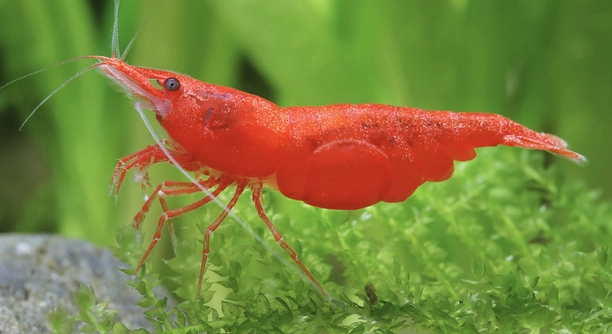
Are your shrimp showing signs of aggression or unexpected losses in your tank? Shrimp cannibalism can occur in both home aquariums and commercial ponds, often leaving owners puzzled and concerned about maintaining a healthy population.
Shrimp cannibalism is typically triggered by environmental stress, insufficient nutrition, overcrowding, molting vulnerabilities, poor water quality, aggressive tank mates, or disease. Recognizing and managing these factors is essential to prevent losses and maintain shrimp welfare effectively.
Understanding the reasons behind this behavior can help you protect your shrimp and improve overall tank conditions. Simple adjustments can make a significant difference in their health and survival.
Overcrowding in the Tank
Keeping too many shrimp in a small space can quickly lead to stress and aggression. When shrimp have limited room to move or hide, they become more likely to attack each other, especially during molting. Overcrowding limits access to food, reduces water circulation, and increases waste buildup. Stress from tight conditions weakens their immune systems, making them more vulnerable to disease and cannibalism. Providing adequate space is essential for healthy growth and behavior. Regularly checking your tank population against recommended stocking densities helps prevent aggressive interactions. Creating hiding spots with plants or decorations also reduces stress, giving shrimp areas to retreat during vulnerable times. Adjusting tank conditions proactively avoids unnecessary losses and promotes calmer, healthier shrimp.
Even if the tank looks full and lively, reducing density can dramatically decrease aggressive behaviors and cannibalism. Proper spacing allows each shrimp to thrive without constant competition.
A spacious tank improves overall shrimp welfare. It gives them room to explore, molt safely, and feed without conflict. Hiding places reduce tension during molting, which is when they are most vulnerable. Overcrowded conditions often go unnoticed until aggression escalates. By planning tank size carefully and monitoring population growth, you can create a safer environment. Regular maintenance, careful observation, and thoughtful additions of shelters make a noticeable difference in preventing cannibalism. Each shrimp benefits from extra space, which encourages natural behaviors, reduces stress, and helps maintain a balanced and peaceful community in your aquarium.
Poor Water Quality
Shrimp are highly sensitive to water conditions, and poor water quality can trigger cannibalism. Ammonia, nitrite, and nitrate levels that rise too high stress shrimp, affecting their health and behavior.
Maintaining clean, stable water is critical to prevent stress-related aggression. Regular testing and water changes protect shrimp from harmful conditions.
Water quality directly impacts shrimp survival. Sharp fluctuations in temperature, pH, or chemical levels make them vulnerable and more prone to attack weaker or molting tank mates. Consistent monitoring, gentle water changes, and proper filtration help maintain an optimal environment. Neglecting water parameters can lead to weakened shrimp, increasing the chance of cannibalism. Even small changes can have a big effect. Ensuring balanced conditions supports their immune system, growth, and molting cycles. By keeping water stable and clean, shrimp are less stressed, healthier, and safer from aggressive behaviors, creating a harmonious tank where all individuals can thrive and grow.
Inadequate Nutrition
Shrimp that do not receive enough food or a balanced diet may resort to cannibalism. Protein deficiencies, in particular, make them more likely to attack weaker or molting tank mates.
A lack of sufficient food forces shrimp to compete aggressively, often leading to injuries or death. Feeding high-quality, protein-rich foods in appropriate amounts reduces this risk. Variety in diet, including pellets, vegetables, and occasional live food, ensures shrimp get the nutrients needed for growth and molting. Skipping feedings or relying on low-quality food increases stress and aggression. Proper nutrition strengthens their immune system and keeps them healthier overall, making them less likely to harm others in the tank.
Monitoring feeding habits is crucial. Shrimp that consistently miss meals or seem weaker than others should receive extra attention. Observing how shrimp interact during feeding times helps identify if aggressive behavior is nutrition-driven. Overfeeding should also be avoided, as leftover food can degrade water quality, creating another risk factor for stress and cannibalism. By providing consistent, balanced meals and observing their responses, you can maintain healthier, calmer shrimp populations while minimizing conflicts and losses.
Molting Vulnerability
Shrimp are extremely vulnerable during molting, and cannibalism often happens at this stage. Soft, newly shed shells make them an easy target for stronger tank mates.
Molting stress increases aggressive encounters. Providing hiding spots and gentle tank conditions reduces attacks on molting shrimp, ensuring safer growth.
During molting, shrimp shed their old shells to grow. Their new exoskeleton is soft and fragile, leaving them defenseless for several hours. Without adequate shelters or calm surroundings, other shrimp may attack and consume them. Hiding places like plants, rocks, or artificial structures allow molting shrimp to recover safely. Tank mates that are aggressive or larger can increase the risk of cannibalism during this period. Supporting a stress-free environment with stable water conditions and proper nutrition ensures shrimp can molt successfully. Observing molting patterns and adjusting tank arrangements when necessary helps protect vulnerable individuals.
Aggressive Tank Mates
Some shrimp species or other aquatic inhabitants can be naturally aggressive. These tank mates may attack weaker shrimp, especially during molting or feeding times.
Separating aggressive species or providing plenty of hiding spaces can reduce conflicts. Choosing compatible tank mates is essential for a peaceful shrimp environment.
Disease and Infection
Ill or weakened shrimp are more likely to be attacked by healthy individuals. Bacterial, fungal, or parasitic infections can increase vulnerability, making affected shrimp easy targets for cannibalism. Maintaining good hygiene, isolating sick shrimp, and promptly treating infections help protect the population and limit losses.
Water Temperature Fluctuations
Rapid changes in water temperature stress shrimp and disrupt their behavior. Sudden heating or cooling can trigger aggression, especially toward vulnerable individuals, increasing the risk of cannibalism in the tank.
FAQ
What causes shrimp to eat each other?
Shrimp usually resort to cannibalism when stressed, hungry, or vulnerable. Common triggers include overcrowding, poor water quality, lack of food, molting, and disease. Each of these factors increases stress levels and makes weaker shrimp easy targets for others in the tank.
How can I prevent shrimp cannibalism?
Providing enough space, hiding spots, and a balanced diet are key steps. Regular water testing and maintenance keep conditions stable, while observing shrimp interactions can help identify aggression early. Separating aggressive or weak individuals can also reduce losses.
Is molting the riskiest time for shrimp?
Yes. During molting, shrimp shed their old shells and have soft, vulnerable bodies. Without hiding spaces, they are easy targets for stronger shrimp. Ensuring sufficient shelters and calm tank conditions minimizes attacks during this period.
Can overcrowding really cause cannibalism?
Overcrowding limits movement and creates competition for food and space. Stress from tight conditions often results in aggression, especially toward weaker shrimp. Reducing population density and providing proper hiding areas can significantly lower the risk of cannibalism.
Does diet affect shrimp aggression?
Absolutely. Shrimp lacking protein or a balanced diet may attack tank mates to meet nutritional needs. Feeding high-quality, protein-rich food regularly reduces aggression and supports healthy growth and molting. Variety in diet, including pellets, vegetables, and occasional live food, is beneficial.
Can poor water quality trigger cannibalism?
Yes. High levels of ammonia, nitrites, or nitrates, or sudden changes in temperature or pH, stress shrimp. Stress weakens their immune system and increases the likelihood of attacking weaker or molting individuals. Maintaining clean, stable water is essential to prevent aggressive behavior.
Should sick shrimp be isolated?
Sick or injured shrimp are more likely to be eaten by healthy tank mates. Isolating these individuals helps prevent further attacks and allows treatment without risking the rest of the population. Quick action can save both sick shrimp and reduce overall losses.
Do tank mates influence shrimp behavior?
Other species or larger shrimp can increase aggression in a tank. Aggressive or territorial tank mates often attack smaller, weaker, or molting shrimp. Choosing compatible species and providing enough space and hiding spots minimizes stress and cannibalism.
Is it possible to recover shrimp lost to cannibalism?
Once shrimp are lost to cannibalism, they cannot be replaced naturally. Prevention is the most effective approach. Monitoring water conditions, providing proper nutrition, and reducing stressors ensure remaining shrimp thrive. Early intervention can prevent further losses.
How do I know if my shrimp are stressed?
Signs of stress include hiding constantly, aggressive behavior, poor appetite, and slowed growth. Stress increases susceptibility to disease and triggers cannibalism. Observing tank conditions and adjusting population, diet, or environment can reduce stress and protect your shrimp population.
Can adding plants and decorations help?
Yes. Hiding spots reduce aggression and protect molting shrimp. Plants, rocks, or artificial structures give vulnerable shrimp a safe space and lower the risk of cannibalism. Adequate shelters create a calmer, healthier tank environment for all inhabitants.
What is the role of water temperature in shrimp behavior?
Sudden changes in water temperature stress shrimp and can provoke aggression. Consistent temperature maintenance is essential. Avoid rapid heating or cooling, as it increases the risk of cannibalism, especially among molting or weaker shrimp. Stable conditions support calmer, healthier shrimp.
How often should I feed my shrimp?
Shrimp benefit from small, frequent feedings to prevent hunger-driven aggression. Overfeeding should be avoided to maintain water quality. A balanced schedule with varied food helps reduce competition, supports molting, and keeps shrimp healthy.
Are some shrimp species more aggressive than others?
Yes. Certain species naturally display more territorial or aggressive behavior. Mixing aggressive and passive species can increase cannibalism. Researching species compatibility before adding shrimp ensures a safer, more peaceful tank environment.
Can stress from handling trigger cannibalism?
Handling, sudden movements, or frequent tank disturbances can stress shrimp. Stress increases vulnerability and aggression, making cannibalism more likely. Gentle maintenance and minimal disturbance help maintain a calm tank.
Final Thoughts
Shrimp cannibalism is a behavior that often surprises new and experienced shrimp keepers alike. It is not always a sign of neglect but usually reflects environmental stress, insufficient nutrition, or vulnerabilities in the tank. Factors such as overcrowding, poor water quality, aggressive tank mates, and molting periods play significant roles in triggering this behavior. Understanding these factors is essential to maintain a healthy shrimp population. By observing shrimp behavior closely and adjusting their environment, you can reduce stress and limit aggressive interactions. Attention to detail and proactive tank management are critical in preventing unnecessary losses.
Proper tank management begins with maintaining clean, stable water. Regular testing for ammonia, nitrites, nitrates, pH, and temperature ensures the environment supports shrimp health. Providing a balanced diet rich in protein and nutrients is equally important. Shrimp rely on adequate nutrition for molting, growth, and immune function. Without it, they may attack weaker individuals to meet their dietary needs. Creating hiding spaces with plants, rocks, or artificial structures gives shrimp a safe place to retreat, especially during vulnerable periods such as molting. These measures combined reduce stress, promote calm behavior, and enhance overall survival.
Monitoring shrimp populations and their interactions also plays a vital role. Aggressive or sick individuals may need to be isolated to protect the rest of the tank. Observing feeding patterns, molting behavior, and general activity helps identify potential problems early. Adjusting population density, tank layout, or diet based on observations prevents future issues. Every small change, from water maintenance to environmental enrichment, contributes to a healthier, more peaceful tank. By staying attentive and responsive, shrimp keepers can create a stable habitat where shrimp thrive, grow safely, and experience minimal aggression from tank mates. These simple but consistent efforts make a noticeable difference in long-term shrimp welfare and survival.

Hello,
If you enjoy the content that we create, please consider saying a "Thank You!" by leaving a tip.
Every little bit helps us continue crafting quality advice that supports the health, happiness, and well-being of pets around the world, for pets of all shapes, sizes, and species.
We really appreciate the kindness and support that you show us!