
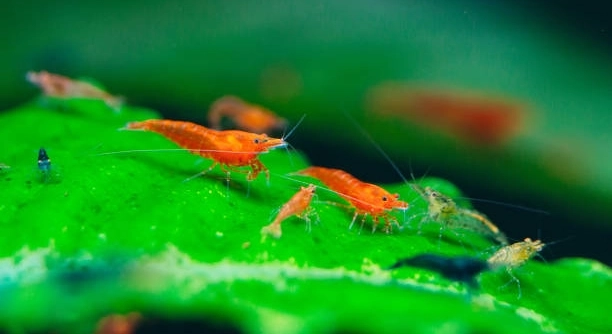
Cherry shrimp are popular in home aquariums for their bright colors and peaceful nature. Many hobbyists enjoy watching them explore plants, yet sometimes they seem uninterested in climbing or grazing on the foliage.
Cherry shrimp often do not climb plants due to their natural behavior and tank conditions. They prefer horizontal surfaces and hiding spots over vertical movement. Factors like plant texture, water flow, and stress levels also influence their climbing activity.
Understanding why shrimp avoid plants can help improve tank design and shrimp wellbeing, ensuring they thrive in a safe and comfortable environment.
Understanding Cherry Shrimp Behavior
Cherry shrimp are naturally cautious creatures. They spend most of their time near the substrate, exploring rocks, driftwood, and other flat surfaces. Vertical surfaces like plant stems can feel unstable to them, making climbing less appealing. Even if plants have broad leaves, shrimp often prefer hiding underneath rather than moving upward. Water flow can also play a role; strong currents around plants make shrimp feel unsafe, so they avoid climbing in those areas. Tank lighting and temperature can affect their activity levels too. If they feel stressed or exposed, they are more likely to stick to lower, sheltered zones. Observing your shrimp regularly helps identify patterns, such as when they become more active or stay hidden. Providing plenty of moss, leaf litter, and gentle currents encourages natural behaviors while reducing stress. Over time, shrimp may explore plants slowly, but their preference for horizontal surfaces remains strong.
Cherry shrimp prefer surfaces that feel stable, which is why they avoid climbing plants most of the time.
Creating an environment that aligns with their natural habits improves both their activity and overall health. Sheltered zones, gentle currents, and stable leaves encourage gradual exploration. Plants with rough textures or strong water flow may deter climbing entirely. Overcrowding or frequent disturbances increase stress, causing shrimp to remain low in the tank. Observing how they interact with different plants can inform adjustments to plant placement or tank conditions. Providing leaf litter or moss near plants offers safe pathways, making climbing more appealing without forcing them.
Tank Setup Tips to Encourage Exploration
Proper tank setup helps shrimp feel secure and encourages movement throughout the aquarium.
Start by placing plants in clusters with open spaces in between, giving shrimp clear pathways to explore. Dense mosses or low-growing plants near the substrate allow them to move gradually toward taller plants. Ensure water flow is gentle around plant stems so shrimp do not feel pushed off. Hiding spots like rocks or driftwood near vertical plants give them confidence to climb slowly. Consistent water parameters and minimal disturbances reduce stress, making shrimp more likely to explore. Leaf litter on the substrate provides additional nutrition and encourages activity near plant bases. Observing shrimp during feeding or while exploring lets you see which plants they prefer. Over time, slight adjustments to plant placement or adding safe surfaces can increase climbing activity, though most shrimp will still favor horizontal surfaces. By tailoring the tank setup to their natural tendencies, you support healthier, more active shrimp while maintaining a visually appealing aquarium.
Choosing the Right Plants
Soft-leaved plants are easier for cherry shrimp to climb and explore. Avoid plants with smooth or slippery surfaces, as they make movement difficult. Moss, java fern, and anubias are ideal choices.
Providing plants with varied textures allows shrimp to climb gradually. Mosses create small footholds, helping shrimp move upward safely. Anubias and java fern have sturdy leaves that resist tearing while supporting shrimp weight. Floating plants reduce direct light and create shaded areas, which shrimp feel safer exploring. Pairing plants with hiding spots and low flow zones encourages activity without forcing shrimp into stressful situations.
Shrimp may still prefer horizontal surfaces even with the right plants, but textured leaves increase the likelihood of climbing. Leaf litter around plant bases adds more natural surfaces to explore and graze. Consistently observing their interaction with plants helps determine which species are best suited for your tank and which areas may need adjustment for better shrimp activity.
Water Conditions and Their Impact
Stable water conditions are essential for shrimp activity and plant interaction. Temperature, pH, and water hardness affect how comfortable shrimp feel exploring vertical surfaces.
Fluctuating temperatures can stress shrimp, making them hide and avoid plants. pH levels outside their comfort zone reduce activity and feeding behavior. Soft water is preferable for molting, while hard water may discourage movement. Consistent water changes and filtration help maintain balance, supporting both shrimp health and plant growth. Avoid sudden changes in light or water chemistry, as these can further inhibit climbing behavior. Observing shrimp in stable conditions gives insight into natural exploration patterns.
Water flow around plants also impacts movement. High currents discourage climbing and can damage delicate leaves, while gentle flow encourages shrimp to explore gradually. Plants positioned in calmer zones are more likely to see shrimp activity. Using floating plants or strategic placement reduces direct currents, creating safe climbing paths. Temperature consistency, proper pH, and moderate hardness together support shrimp behavior, ensuring they feel secure enough to interact with plants. Regular monitoring allows adjustments to encourage more natural activity without stressing the shrimp or harming plants.
Lighting and Shrimp Activity
Bright lighting can make cherry shrimp feel exposed, causing them to stay near the bottom. Dim or diffused light encourages exploration and climbing.
Providing shaded areas with floating plants or moss mats helps shrimp feel safer. This allows them to explore plants without stress, gradually increasing activity over time.
Feeding Habits and Plant Interaction
Cherry shrimp often graze near the substrate where food accumulates. They are more likely to climb plants if there is biofilm or algae to eat. Offering a mix of sinking foods and natural algae supports climbing behavior while keeping shrimp healthy and active.
Stress Factors
Frequent disturbances or sudden movements can prevent shrimp from climbing. Limiting tank disruptions helps them feel safe and more willing to explore vertical surfaces.
Tank Mates
Active or larger fish can intimidate cherry shrimp, reducing climbing activity. Choosing peaceful tank mates allows shrimp to move freely and interact with plants without fear.
FAQ
Why don’t my cherry shrimp climb plants?
Cherry shrimp naturally prefer horizontal surfaces. They feel safer on the substrate or on rocks and moss. Plant texture, water flow, and stress also influence climbing. Smooth leaves or strong currents make vertical movement uncomfortable, so shrimp often avoid plants altogether.
Can I encourage shrimp to climb?
Yes, but it requires gentle adjustments. Use soft-leaved plants like moss, anubias, or java fern. Create shaded areas and reduce strong currents near vertical surfaces. Adding leaf litter or moss near plants provides footholds, making climbing less intimidating. Gradual changes encourage exploration without stress.
Do all cherry shrimp avoid climbing?
Not all, but most prefer horizontal surfaces. Individual shrimp may venture onto plants if they feel secure and food is present. Their natural behavior leans toward hiding and grazing near the bottom rather than actively climbing tall stems or leaves.
Does lighting affect climbing behavior?
Bright lighting can make shrimp feel exposed and stressed. Dim or diffused light encourages movement and exploration. Using floating plants or moss mats creates shaded areas that give shrimp confidence to climb gradually while still feeling safe.
Can water parameters stop shrimp from climbing?
Yes. Temperature swings, improper pH, or hard water can reduce activity. Stable water conditions are essential. Moderate flow near plants ensures shrimp can climb safely without being pushed off. Regular monitoring and adjustments keep shrimp comfortable and active.
Will feeding habits change climbing behavior?
Shrimp often graze near substrate. They are more likely to climb plants if biofilm or algae are present on leaves. Providing a mix of sinking foods and allowing natural algae growth supports climbing while keeping shrimp healthy.
Do tank mates affect climbing?
Larger or active fish can scare shrimp, making them avoid plants. Choosing peaceful tank mates lets shrimp move freely and explore vertical surfaces without fear. Stress from aggressive tank mates can suppress natural climbing behavior entirely.
Does plant placement matter?
Yes. Clustering plants with open spaces in between provides safe pathways. Placing taller plants near moss or rocks allows shrimp to transition gradually. Avoid strong currents around stems and provide footholds to make climbing less intimidating.
How long does it take for shrimp to start climbing?
It varies. Some shrimp may never climb much, while others may gradually explore textured plants over weeks. Consistent tank conditions, safe hiding spots, and suitable plant surfaces increase the likelihood of climbing activity over time.
Can I force shrimp to climb?
Forcing shrimp can stress them and harm their health. Encouraging natural behavior with safe surfaces, gentle flow, shaded areas, and proper nutrition is the most effective approach. Patience is key, as shrimp will explore at their own pace.
Are all plants suitable for climbing?
No. Soft-leaved, sturdy plants work best. Plants with smooth or slippery surfaces, such as certain stem plants, are difficult for shrimp to grip. Mosses, anubias, and java fern provide both texture and stability, supporting safer climbing behavior.
Do shrimp climb more during certain times of day?
Activity often increases during low light periods. Morning or evening, when light is softer, shrimp may explore plants more. Observing their patterns helps adjust lighting and plant placement to encourage climbing without stress.
Does tank size impact climbing?
Yes. Smaller tanks may limit vertical space, while larger tanks with sufficient horizontal and vertical areas allow gradual exploration. Adding safe surfaces and footholds encourages climbing even in moderately sized tanks.
Can stress prevent shrimp from climbing?
Stress is a major factor. Frequent disturbances, sudden movements, or aggressive tank mates can make shrimp avoid plants completely. Reducing stress with stable water, hiding spots, and gentle lighting supports natural climbing behavior.
How important is plant texture?
Plant texture is critical. Rough or structured leaves give shrimp secure footholds, while smooth surfaces prevent gripping. Using textured plants near substrate allows shrimp to start climbing gradually without fear of falling or slipping.
Final Thoughts
Cherry shrimp are gentle and cautious creatures that naturally prefer the safety of horizontal surfaces and hiding spots. Their behavior often surprises new aquarium owners, especially when they seem uninterested in climbing plants. While it might seem unusual at first, this tendency is part of their natural instincts. They prioritize safety and comfort, moving slowly and deliberately through areas where they feel secure. Providing the right environment is the key to supporting their natural behavior. Soft-leaved plants like moss, anubias, and java fern, combined with gentle water flow and plenty of hiding spaces, make shrimp feel more comfortable and more likely to explore vertical surfaces. Even with ideal conditions, some shrimp may never climb much, and that is normal. Understanding their preferences helps avoid frustration and allows owners to appreciate the natural behaviors of their shrimp without expecting them to act like something they are not.
Water conditions and tank setup play a significant role in encouraging exploration and plant interaction. Stable temperature, pH, and water hardness help shrimp feel safe, while sudden changes or strong currents can make them retreat to the bottom of the tank. Lighting also influences activity. Bright, direct light can make shrimp feel exposed, whereas diffused or dim light encourages movement and climbing. Providing shaded areas with floating plants or moss mats can create safe spaces for shrimp to explore at their own pace. Additionally, leaf litter and moss around plant bases give footholds and grazing areas, making vertical surfaces easier to approach. Observing shrimp regularly allows owners to understand their preferences and adjust the tank setup accordingly. Gradual, patient changes are more effective than forcing shrimp to climb, ensuring they remain healthy and active.
Tank mates and stress levels should also be considered when trying to encourage climbing behavior. Larger or more active fish can intimidate shrimp, reducing their willingness to leave safe zones. Stress from frequent disturbances or poor water conditions can further suppress activity. By choosing peaceful tank mates, maintaining stable water parameters, and providing plenty of hiding spots, owners create an environment that supports natural exploration. While climbing plants may never become a primary activity for most cherry shrimp, proper care and thoughtful tank design increase the chances they will interact with plants safely and confidently. Paying attention to their behavior and respecting their natural tendencies allows shrimp to thrive and gives owners the satisfaction of observing healthy, active, and stress-free shrimp in their aquariums.

Hello,
If you enjoy the content that we create, please consider saying a "Thank You!" by leaving a tip.
Every little bit helps us continue crafting quality advice that supports the health, happiness, and well-being of pets around the world, for pets of all shapes, sizes, and species.
We really appreciate the kindness and support that you show us!