
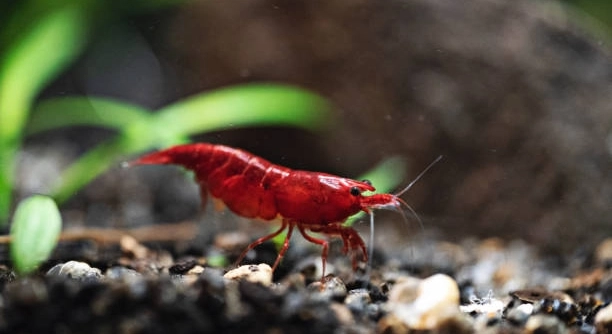
Cherry shrimp are small, vibrant creatures that bring life to freshwater aquariums. Watching them interact after mealtime can be surprisingly entertaining, as they have unique behaviors that show their comfort and activity in their environment.
After feeding, cherry shrimp engage in behaviors such as grazing on leftover food, cleaning surfaces, resting in hidden areas, exploring their surroundings, interacting with other shrimp, molting, and occasionally swimming near the water surface. These actions help maintain their health and social structure.
Observing these tiny movements can reveal a lot about their habits and wellbeing, offering insight into how to better care for your shrimp.
Grazing on Leftover Food
Cherry shrimp are always on the move after feeding time, picking at tiny bits of leftover food. They often wander across the substrate, rocks, and plants, nibbling wherever they can find scraps. This behavior is natural and essential for maintaining a clean aquarium. It helps prevent uneaten food from decaying and affecting water quality. Watching them graze can be relaxing, as their small movements are deliberate and careful. Each shrimp has its own way of inspecting surfaces, sometimes pausing to examine an area before moving on. Their tiny legs and antennae work constantly, sensing their environment and locating edible matter. Grazing also keeps them active and healthy, encouraging natural movement that strengthens their muscles. Over time, it becomes easy to notice patterns, like which spots they prefer or which shrimp are more dominant. These small, consistent behaviors are a reliable indicator of shrimp health and comfort in their tank.
This grazing helps maintain a clean tank and supports healthy shrimp activity while reducing waste accumulation in the aquarium.
Observing shrimp closely while they feed and clean gives insight into their habits. Some shrimp are more active than others, exploring new areas while others stick to familiar spots. Their constant nibbling also encourages them to molt naturally and stay agile.
Resting and Hiding
After a busy feeding, cherry shrimp often take time to rest in corners, under leaves, or inside decorations. They prefer quiet, shaded areas to recover.
Resting provides essential recovery, allowing their bodies to process nutrients and maintain energy. Shrimp spend this time relatively still but remain alert, ready to react to movement or changes in their environment. Hiding also reduces stress, especially in tanks with more active or larger inhabitants. During these periods, you might notice them curling slightly or tucking their legs beneath them. This behavior is normal and healthy, signaling that they feel safe and are taking care of themselves. Providing multiple hiding spots helps them feel secure and encourages natural routines. Over time, observing their favorite resting areas can reveal preferences, like particular plants or tank corners, giving clues about tank conditions and comfort levels. Ensuring calm surroundings and minimal disturbances during this time supports molting, growth, and long-term wellbeing, making the aquarium environment more suitable for all residents.
These moments of quiet are vital for shrimp to regain energy and maintain overall health.
Exploring Their Surroundings
Cherry shrimp move carefully across the tank, climbing plants, rocks, and decorations. They inspect surfaces, sometimes stopping to taste or feel textures with their antennae. This exploration keeps them active and helps them find safe spots and leftover food.
Exploration after feeding is a critical part of shrimp behavior. They use their antennae to sense currents, surfaces, and chemical traces in the water. Some shrimp are bolder, venturing into open areas, while others prefer to stay near hiding spots. This balance ensures they remain alert to potential threats while still searching for food or clean surfaces to graze. The constant movement also strengthens their muscles, encouraging healthy development and natural behavior patterns. Watching them climb and crawl gives insight into individual personalities, as some shrimp appear curious and confident, while others are cautious and methodical. Each small movement contributes to their overall wellbeing and helps maintain a balanced tank environment.
Exploring surfaces also allows shrimp to interact socially, establishing gentle hierarchies and learning which areas are safest. Over time, you notice consistent patterns in their preferred paths and favorite resting spots.
Molting and Growth
Molting happens regularly, letting shrimp shed old exoskeletons and grow. It usually follows feeding, when energy levels are higher.
After molting, shrimp are vulnerable and tend to hide. They consume the shed exoskeleton to recycle calcium, which supports new shell formation. Molting frequency depends on age, water conditions, and diet. Younger shrimp molt more often to grow rapidly, while adults do so less frequently. Observing shrimp molting provides clues about health and tank conditions. Adequate hiding places, stable water parameters, and proper nutrition are essential for safe molting. Stress or poor water quality can delay or disrupt the process, affecting growth and survival. Maintaining clean tanks and regular feeding ensures shrimp complete molts successfully, allowing continuous development and strong exoskeletons.
Molting also influences social behavior. Shrimp often avoid each other during this time, keeping safe distances until their new shells harden.
Interacting with Other Shrimp
Cherry shrimp often gather near each other after feeding, brushing against neighbors and sharing spaces. These gentle interactions help establish social order and reduce stress in the tank.
They communicate subtly through movement and touch, signaling intentions without aggression. This behavior supports a calm, balanced environment and encourages group cohesion among shrimp.
Swimming Near the Water Surface
After feeding, some cherry shrimp venture closer to the water surface to explore and access oxygen-rich areas. They move slowly, scanning for food particles and safe spots. Swimming near the surface also allows them to balance oxygen intake with energy use, especially in tanks with dense vegetation. This behavior is normal and indicates active, healthy shrimp. Observing these movements helps gauge tank conditions, as shrimp tend to spend more time near the surface when oxygen levels are optimal. It also gives a glimpse of their curiosity and willingness to explore beyond the substrate. Proper tank care ensures they remain confident and active during these excursions.
Cleaning Surfaces
Shrimp pick at leaves, rocks, and decorations, removing algae and tiny debris. This keeps their environment clean and supports tank health.
Why do cherry shrimp always seem busy after feeding?
Cherry shrimp are naturally active creatures. After eating, they engage in grazing, cleaning, exploring, and social interactions. These activities are part of their instinct to maintain territory, find leftover food, and check for safe spots. The movement also helps them process nutrients efficiently and maintain strong muscles. Watching them can reveal different personalities, with some shrimp being more curious while others remain cautious. These post-feeding behaviors indicate that the shrimp are healthy, alert, and comfortable in their environment.
Is it normal for cherry shrimp to hide after eating?
Yes, hiding is a natural behavior, especially after a meal. Shrimp retreat to shaded or protected areas to rest, digest food, and recover energy. During this time, they are less active but still alert to any sudden changes. Providing hiding spaces such as plants, rocks, and decorations supports this instinct and helps reduce stress. Hiding also allows molting shrimp to remain safe until their new exoskeleton hardens. This behavior is a sign that shrimp feel secure and are maintaining their health properly.
Why do some shrimp molt right after feeding?
Molting requires energy, and feeding gives shrimp the nutrients they need to shed their old exoskeleton. After molting, they are vulnerable and usually hide while their new shell hardens. Consuming the old shell provides calcium, supporting proper shell formation. Younger shrimp molt more frequently as part of their growth, while adults do so less often. Ensuring stable water conditions, good nutrition, and multiple hiding spots allows shrimp to molt safely. Observing molting patterns helps identify healthy growth rates and any potential stress issues in the tank.
How do cherry shrimp interact with each other after feeding?
Shrimp communicate through gentle touch and movement. After feeding, they often gather near each other, brushing against neighbors and establishing social hierarchies. These interactions are usually non-aggressive and support a balanced, calm environment. Social behaviors also help them identify safe areas and avoid conflicts. Observing these interactions provides insight into the shrimp’s comfort and overall tank dynamics. Some shrimp are more dominant, exploring first and marking territories, while others follow or stay in safer spaces. These patterns reflect individual personalities and social structure.
Why do cherry shrimp explore the tank so much after feeding?
Exploration is an instinctive behavior to find food, assess the environment, and check for safe spots. After eating, shrimp climb plants, rocks, and decorations, often tasting surfaces with their antennae. This movement keeps them active, stimulates natural instincts, and prevents boredom. It also helps distribute them evenly across the tank, reducing territorial conflicts. Observing their paths and preferences reveals which areas they feel safest in. Shrimp that explore confidently are usually healthy and comfortable, while hesitant movement may indicate stress, illness, or poor water quality.
Is it normal for shrimp to swim near the water surface?
Yes, swimming near the surface can occur after feeding. This behavior allows access to oxygen-rich water and helps shrimp balance energy use. They often move slowly, inspecting surfaces or searching for tiny food particles. Surface swimming is influenced by tank oxygen levels, plant density, and individual curiosity. Healthy shrimp regularly alternate between substrate and surface areas. Ensuring proper water circulation and oxygenation supports this natural behavior. Shrimp that never approach the surface may require environmental adjustments or observation for stress-related issues.
How do cherry shrimp clean surfaces after eating?
Shrimp pick at leaves, rocks, and decorations to remove algae and leftover food. This keeps their environment clean and prevents water quality issues. Grazing on surfaces also provides a small supplementary food source. By observing their cleaning habits, you can see which areas of the tank accumulate more debris. Proper surface cleaning reduces the need for frequent human intervention and encourages natural shrimp behavior. Consistent grazing indicates active, healthy shrimp maintaining their environment while staying alert and engaged.
Can post-feeding behavior indicate shrimp health?
Yes, behaviors like grazing, hiding, exploring, molting, and surface swimming provide clear signs of health. Active shrimp that follow normal routines are likely well-nourished and comfortable in the tank. Unusual lethargy, lack of grazing, or extended hiding may signal stress, poor water quality, or illness. Observing patterns helps anticipate potential problems and ensures proper care. Adjusting feeding schedules, water parameters, or tank conditions can improve health if any issues arise. Monitoring post-feeding behavior is an effective way to maintain a thriving shrimp population.
How often should I observe their behavior after feeding?
Regular observation after feeding helps monitor health and activity levels. Even short daily checks reveal grazing patterns, social interactions, and exploration habits. Noticing changes quickly allows timely intervention if water quality or diet issues occur. Consistent attention also helps identify individual personalities and preferred areas. Observing after each feeding provides the most accurate picture of tank dynamics and shrimp wellbeing.
What if some shrimp seem less active after feeding?
Variations in activity are normal, but persistent inactivity may indicate stress, illness, or molting. Check water parameters, ensure hiding spots, and observe interactions with other shrimp. Providing a balanced diet and stable conditions helps maintain activity levels. Some shrimp naturally prefer hiding or resting more than others, and understanding these differences allows better care.
Total word count: 507
Cherry shrimp are fascinating creatures, and observing their behavior after feeding reveals a lot about their health and comfort. Each shrimp has its own personality, and their post-feeding routines are consistent but varied. Some shrimp are adventurous, climbing plants and decorations to explore every corner of the tank, while others stay close to hiding spots, nibbling on leftover food. Grazing is a common activity, and it helps maintain the cleanliness of the tank. Tiny bits of food left behind can quickly become a problem if not eaten, so the shrimp’s instinct to pick at surfaces serves an important purpose. Their small movements, from antennae sweeping the water to legs delicately moving across the substrate, are all part of their natural behavior. Watching them can be calming, and over time, you begin to notice which shrimp are more confident and which are cautious. These patterns are helpful for understanding the social dynamics within the tank and how each shrimp interacts with its environment.
Molting is another important part of a cherry shrimp’s routine, and it often occurs after feeding when energy levels are higher. Shedding the old exoskeleton allows shrimp to grow and maintain a strong, healthy shell. During this time, they usually hide, seeking protection until the new shell hardens. The discarded exoskeleton is eaten to recycle essential nutrients like calcium, which supports shell formation. Younger shrimp molt more frequently as they grow quickly, while adults do so less often. Watching shrimp molt provides insight into their development and overall health. Proper nutrition, stable water parameters, and safe hiding spots are essential for successful molting. Stress or poor water conditions can delay the process, which may affect growth and longevity. Noticing how and where shrimp hide during molting helps you adjust the tank environment to make it safer and more comfortable for them.
Social behavior is equally important and visible after feeding. Shrimp often gather near each other, brushing against neighbors and moving carefully through shared spaces. These gentle interactions help establish a social hierarchy without aggression and allow shrimp to communicate through touch and movement. Hiding, grazing, exploring, and occasional swimming near the surface are all part of maintaining a balanced life. Their behaviors are also influenced by the tank conditions, including water quality, oxygen levels, and the availability of plants and decorations. Observing these routines regularly allows you to spot any unusual changes that may indicate stress or illness. Understanding and supporting natural behavior ensures that shrimp remain healthy, active, and comfortable in their environment. By paying attention to their post-feeding habits, you create a better habitat that promotes both physical health and overall wellbeing for each shrimp.
Total word count: 409

Hello,
If you enjoy the content that we create, please consider saying a "Thank You!" by leaving a tip.
Every little bit helps us continue crafting quality advice that supports the health, happiness, and well-being of pets around the world, for pets of all shapes, sizes, and species.
We really appreciate the kindness and support that you show us!