
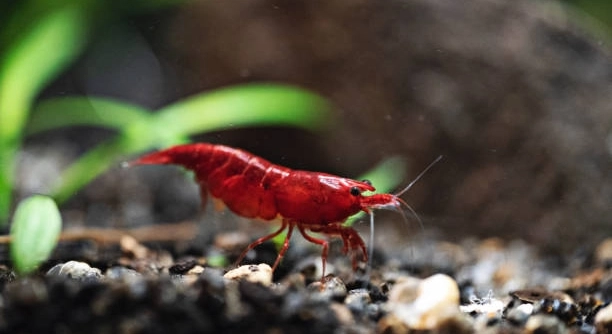
Are you enjoying your peaceful aquarium but notice your cherry shrimp seem uneasy around other fish? Cherry shrimp are delicate creatures that react noticeably to their surroundings and companions. Their behavior often reflects the safety of their environment.
Cherry shrimp are highly sensitive to tank mates. Aggressive or larger fish can cause stress, reduce feeding, and impact molting. Optimal tank conditions involve calm, small, or non-predatory species to ensure shrimp health and minimize stress.
Observing their interactions closely can reveal patterns in stress and safety. Small adjustments to companions and habitat can significantly improve their well-being.
Understanding Cherry Shrimp Behavior
Cherry shrimp are small and timid creatures that rely heavily on their environment to feel secure. Their sensitivity is visible in subtle behaviors such as hiding, slowing down, or hesitating to eat. These reactions are often triggered by the presence of larger or more active tank mates. Even fish that are not outright aggressive can cause stress simply by moving too quickly or occupying the same space. Maintaining a stable environment with hiding spots, plants, and gentle water flow can significantly reduce anxiety. Observation is key, as noticing changes in color, activity, or feeding habits can indicate stress levels. Adjusting tank mates carefully allows shrimp to thrive without constant fear. Over time, you can learn which species coexist peacefully and which combinations lead to frequent stress.
Stress in shrimp can affect growth, molting, and reproduction. A calm environment is essential.
Monitoring tank dynamics regularly helps prevent conflicts. Clear hiding areas and consistent routines make shrimp feel safe and confident, encouraging natural behavior and healthier development.
Choosing Suitable Tank Mates
Cherry shrimp thrive best with non-aggressive species that do not hunt or chase smaller creatures. Fish like small tetras, guppies, or snails are generally compatible, while larger or territorial species should be avoided. Careful selection helps maintain harmony and reduces stress, ensuring shrimp can feed and molt without constant fear.
Adding new tank mates gradually allows shrimp to adjust without sudden stress. Introduce them during feeding times or in well-planted areas to minimize encounters. Observe interactions closely for several days. Even compatible species can display curiosity that worries shrimp. Creating vertical space with moss, plants, or decorations provides escape routes, allowing shrimp to move freely. Overcrowding increases tension and competition for food. Avoid frequent rearrangements, as sudden changes can trigger hiding and reduced activity. Water parameters must remain stable, as stress worsens under fluctuating temperature, pH, or hardness. By combining careful selection, gradual introductions, and proper habitat management, shrimp can live peacefully with suitable tank mates. Maintaining these practices consistently promotes healthier shrimp populations, better coloration, and increased survival rates for young shrimp.
Signs of Stress in Cherry Shrimp
Stress in cherry shrimp often shows through hiding, reduced movement, and color fading. They may refuse food or linger in corners of the tank. Noticing these behaviors early allows quick adjustments to tank mates and environment, preventing long-term health issues.
Color changes and molting problems are common indicators of stress. Shrimp may lose vibrant reds and become pale or translucent. Extended hiding reduces feeding, affecting growth and reproduction. Overactive tank mates, sudden water changes, or poor water quality can trigger these behaviors. Providing plants, moss, and shelters offers security, and monitoring interactions helps identify which species cause tension. Stable water parameters and gradual adjustments prevent repeated stress episodes, ensuring shrimp remain active and healthy.
Behavioral shifts can also include erratic swimming or skittish movements. Shrimp may cluster together in safe spots or avoid areas frequently visited by other fish. Observing these patterns helps you tailor the habitat, adding hiding spaces or adjusting tank mates. Regular monitoring ensures shrimp feel secure, feed consistently, and maintain proper molting cycles, which is crucial for growth and survival.
Maintaining a Stress-Free Tank
Consistent water quality and careful tank mate selection reduce stress in cherry shrimp. Keeping pH, temperature, and hardness stable is essential, and avoiding aggressive fish prevents unnecessary tension. Hiding places help shrimp feel secure and confident.
Gradual changes are vital when introducing new elements to the tank. Adding plants, decorations, or tank mates slowly prevents sudden stress reactions. Overcrowding should be avoided, as it increases competition for food and shelters, leading to anxiety. Observing shrimp behavior daily reveals subtle signs of discomfort before problems escalate. A calm, well-structured environment encourages natural activity, proper feeding, and successful molting. Balancing population density, water parameters, and environmental complexity ensures shrimp live healthily and exhibit their natural colors and behaviors consistently over time.
Ideal Tank Conditions
Cherry shrimp thrive in stable water with consistent temperature, pH, and hardness. Sudden fluctuations can stress them quickly. Providing hiding spots, plants, and gentle water flow helps them feel secure and encourages natural behavior throughout the day.
Regular water changes keep the tank clean and reduce toxins. Shrimp are sensitive to ammonia, nitrites, and nitrates, so testing water frequently is essential. Maintaining a quiet environment without sudden disturbances helps prevent stress and supports overall health, ensuring shrimp remain active, colorful, and able to molt properly.
Feeding and Nutrition
A balanced diet supports shrimp health and reduces stress. High-quality shrimp pellets, blanched vegetables, and occasional protein supplements provide necessary nutrients. Avoid overfeeding, as excess food can pollute the water and create harmful conditions.
Consistent feeding routines help shrimp feel secure and maintain normal activity. Removing uneaten food promptly prevents decay and keeps the tank clean. Observing their eating habits also indicates stress or illness, as stressed shrimp may refuse food or feed less actively. Combining proper nutrition with a calm environment ensures healthy growth, vibrant colors, and successful molting cycles.
Avoiding Aggressive Fish
Aggressive or large fish can harm or stress cherry shrimp. Choosing small, peaceful species prevents attacks and supports a calm, safe tank environment.
Monitoring Shrimp Daily
Daily observation helps detect early signs of stress, illness, or environmental problems. Noticing changes in behavior, color, or activity allows prompt adjustments, ensuring shrimp remain healthy and comfortable in the tank.
FAQ
Are cherry shrimp compatible with all fish?
Cherry shrimp are not compatible with all fish. They do best with small, non-aggressive species that do not hunt or chase them. Fish like small tetras, guppies, and snails are generally safe companions. Larger, predatory, or territorial fish can stress or injure shrimp, so careful selection is necessary.
How can I tell if my shrimp are stressed?
Stress in cherry shrimp shows through hiding, color fading, reduced movement, or refusal to eat. Erratic swimming or lingering in one spot for long periods also indicates tension. Monitoring these signs helps identify issues early, allowing adjustments in tank mates or environment to reduce stress.
Do cherry shrimp need hiding places?
Yes, hiding places are crucial. Moss, plants, and decorations give shrimp security and areas to retreat when they feel threatened. Hiding spots reduce stress, encourage natural behavior, and provide safe zones during molting, which is a vulnerable time for shrimp.
How often should I check water quality?
Water quality should be monitored at least weekly, but more frequent checks are ideal for sensitive shrimp. Maintaining stable temperature, pH, and low ammonia, nitrites, and nitrates is essential. Sudden changes in water parameters can cause stress and illness. Regular testing ensures a healthy environment.
What is the best diet for cherry shrimp?
A balanced diet includes high-quality shrimp pellets, blanched vegetables like spinach or zucchini, and occasional protein supplements. Avoid overfeeding, as leftover food can pollute the tank. Feeding small amounts consistently encourages natural activity, proper growth, and vibrant coloration.
Can cherry shrimp live with snails?
Yes, most snails are peaceful and compatible with cherry shrimp. They often share the tank without competition for food or space. Snails help clean algae and detritus, benefiting the tank ecosystem and keeping water conditions stable.
Do shrimp need special lighting?
Shrimp do not need intense lighting, but moderate light helps plant growth and provides a natural day-night cycle. Too bright lighting may stress shrimp if hiding places are insufficient. Adjust light duration to mimic natural conditions and support both plants and shrimp.
How many shrimp can I keep in one tank?
Stocking density depends on tank size and environment. Overcrowding increases competition for food and hiding spaces, causing stress. A small tank should house fewer shrimp, while larger, well-planted tanks can support higher numbers safely. Gradual population increases prevent sudden stress.
Why do my shrimp hide all the time?
Frequent hiding often signals stress, poor water conditions, or unsuitable tank mates. Ensure adequate plants and shelters, stable water parameters, and calm companions. Observing behavior during feeding helps assess whether shrimp are adjusting or still anxious in the tank.
How do I introduce new shrimp to an existing tank?
Introduce new shrimp gradually. Quarantine them first to prevent disease transfer. Float the bag in the tank to acclimate temperature, then release slowly, allowing them to explore plants and hiding spots safely. Gradual introduction reduces stress and aggression from established shrimp.
Can shrimp tolerate small fluctuations in water parameters?
Minor fluctuations may be tolerated briefly, but consistent changes in temperature, pH, or hardness can stress shrimp over time. Maintaining stability is key, as even small stressors accumulate and affect health, molting, and reproduction.
Do cherry shrimp reproduce easily in a community tank?
Reproduction depends on tank conditions, safety, and water quality. If stress is minimal and hiding spots are abundant, females will carry eggs and young can survive. Aggressive or large tank mates reduce breeding success. Monitoring conditions supports healthy reproduction.
Is it necessary to remove uneaten food?
Yes, uneaten food decomposes, producing ammonia and nitrates that harm shrimp. Regularly remove leftovers after feeding. This keeps water clean, prevents stress, and maintains proper tank chemistry, which is vital for healthy shrimp behavior and growth.
Can cherry shrimp survive in a bare-bottom tank?
They can survive, but a bare-bottom tank offers fewer hiding spots and increases stress. Plants, moss, or decorations create safe areas, especially during molting. Providing structure is preferable for overall well-being and natural behavior expression.
How do I know if my shrimp are healthy?
Healthy shrimp are active, brightly colored, feed regularly, and molt successfully. Signs of stress or illness include faded color, lethargy, erratic swimming, or refusal to eat. Regular observation and stable tank conditions maintain long-term health.
Can I keep different shrimp species together?
Some species can coexist, but compatibility depends on size, temperament, and water requirements. Aggressive or larger species may harm smaller ones. Researching species needs and observing interactions ensures a peaceful, stress-free tank environment.
How often should I clean the tank?
Routine maintenance includes partial water changes weekly or biweekly. Avoid full cleanings that disturb shrimp hiding areas and stress them. Gentle cleaning of substrate and decorations while preserving plants helps maintain a stable and healthy habitat.
What should I do if a shrimp molts and looks weak?
Molting is stressful, and shrimp may appear pale or inactive afterward. Ensure water quality is stable and hiding spots are available. Avoid handling them and provide sufficient food to support recovery. Weakness usually resolves in a day or two if conditions are optimal.
Are cherry shrimp sensitive to temperature changes?
Yes, sudden temperature shifts can stress shrimp. They prefer stable conditions, usually between 68–78°F (20–26°C). Gradual adjustments are safer, and using heaters or chillers carefully prevents shock, maintaining activity, feeding, and molting cycles.
Can stress affect shrimp coloration?
Stress often causes fading or dull coloration. Comfortable, safe environments with proper water parameters, hiding places, and compatible tank mates help shrimp maintain vibrant reds, greens, or other natural colors, reflecting good health and low stress levels.
Cherry shrimp are delicate and sensitive creatures that respond strongly to their surroundings and tank mates. Their well-being depends on careful consideration of both the fish they share the tank with and the overall environment. Aggressive or larger fish can easily stress shrimp, leading to hiding, reduced feeding, or changes in color and behavior. Even fish that are not directly harmful can cause anxiety if they are overly active or occupy the same spaces frequently. Observing the behavior of your shrimp regularly is important, as small changes in movement or color can indicate stress. A tank designed with plenty of hiding spots, plants, and gentle water flow helps shrimp feel secure and allows them to display natural behaviors without fear. Regular monitoring of water quality, including pH, temperature, and levels of ammonia, nitrites, and nitrates, is equally important. Sudden changes in these parameters can significantly affect shrimp health, making stability a key factor in a stress-free tank environment.
Choosing compatible tank mates is one of the most critical decisions for keeping cherry shrimp healthy. Small, peaceful fish like guppies, small tetras, or snails are generally suitable companions. Larger or predatory fish pose a constant threat and can stress shrimp even if they do not actively hunt them. Introducing new tank mates gradually is also important. Quarantining newcomers, acclimating them slowly to the tank’s temperature, and releasing them in areas with plenty of hiding spots helps reduce stress and prevents unnecessary conflicts. Overcrowding should always be avoided, as it increases competition for food and space, making shrimp more anxious and less likely to feed or molt properly. Maintaining a calm, structured environment, along with consistent feeding routines and adequate nutrition, ensures shrimp remain healthy, active, and brightly colored. Providing variety in their diet, including high-quality shrimp pellets, blanched vegetables, and occasional protein supplements, supports growth, molting, and reproduction.
Daily observation and proactive care are essential for long-term shrimp health. Stress can affect growth, reproduction, molting, and overall vitality, so addressing potential issues early is critical. Watching for behaviors like hiding, erratic swimming, or refusal to eat helps you make timely adjustments to tank conditions. Ensuring water stability, proper filtration, gentle water flow, and adequate shelter allows shrimp to feel safe and thrive. Even simple measures, such as arranging plants and decorations to create vertical and horizontal space, can make a significant difference in reducing stress. By combining careful selection of tank mates, proper feeding, and attentive maintenance, cherry shrimp can live comfortably, exhibit natural behaviors, and maintain vibrant coloration. Paying attention to these details makes the tank a safe and healthy home, supporting the long-term well-being of your shrimp population while creating an environment that is enjoyable to observe.

Hello,
If you enjoy the content that we create, please consider saying a "Thank You!" by leaving a tip.
Every little bit helps us continue crafting quality advice that supports the health, happiness, and well-being of pets around the world, for pets of all shapes, sizes, and species.
We really appreciate the kindness and support that you show us!