
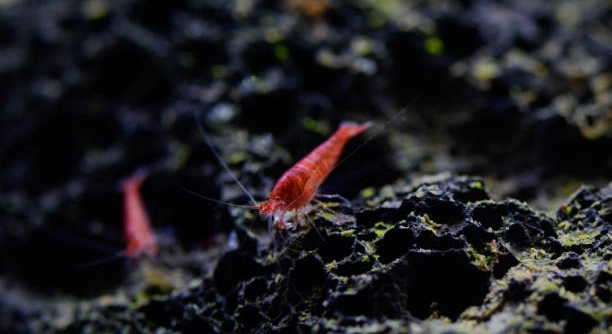
Many shrimp owners notice their pets often gather around decorations, plants, or other tank items. These tiny creatures display distinct preferences, moving toward certain spots more than others within the aquarium environment.
Shrimp are naturally attracted to areas that provide safety, food sources, or surfaces suitable for grazing. Tank items offer shelter, surfaces for biofilm growth, and a stable environment, which encourages shrimp to congregate in specific spots consistently.
Understanding why shrimp choose certain areas can improve tank setups and care routines, helping these delicate creatures thrive comfortably and safely in their aquatic home.
Common Tank Items That Attract Shrimp
Shrimp often gather around moss, rocks, driftwood, and plants in aquariums. Moss and plants provide a surface for biofilm, a natural food source. Driftwood and rocks offer hiding places that make shrimp feel secure. Even decorations with crevices allow them to explore while staying protected from currents or other tank mates. Over time, shrimp learn where food collects naturally, and they return to those spots frequently. Light and shade also influence their preference, with shrimp often choosing areas that give both exposure for grazing and cover for safety. Maintaining a variety of surfaces in the tank ensures they have options for feeding and resting. Observing their behavior can help identify which items are most beneficial. The arrangement of decorations and plants can impact their social interactions, reducing stress and encouraging healthy activity levels.
Providing surfaces and hiding spots keeps shrimp active, safe, and feeding efficiently, enhancing overall tank health.
By creating a balanced environment with moss, driftwood, and plants, shrimp have multiple areas to explore. Their movement around these items indicates comfort and security. This setup reduces stress, encourages natural behavior, and supports feeding patterns. Careful placement of these items ensures accessibility while preventing overcrowding, making it easier for shrimp to find food and interact safely.
Why Surface and Shelter Matter
Shelter in the tank offers safety for shrimp, allowing them to hide and rest.
Shrimp are small and vulnerable to sudden changes or perceived threats. Providing surfaces like moss, plants, and rocks creates microhabitats where they can feed, rest, and avoid stress. Biofilm and algae growth on these surfaces supply a constant food source, encouraging shrimp to explore regularly. Hiding spaces reduce aggressive interactions with other shrimp or tank inhabitants. Well-planned placement also supports molting, a critical process for growth. Shrimp feel more secure when they can access shaded areas, surfaces for grazing, and spots to retreat. Observing their activity patterns around these shelters can help adjust tank design to improve health and comfort. A combination of open swimming areas and structured hiding spots ensures shrimp remain active, healthy, and comfortable throughout the aquarium. Regular monitoring of water quality and surface cleanliness supports these behaviors while promoting longevity and vitality.
Feeding Habits Influence Location
Shrimp often gather where food naturally collects, such as under leaves, near plants, or around rocks. These areas offer easy access to algae, biofilm, or leftover fish food, allowing them to feed safely without moving far.
Shrimp feed constantly throughout the day, grazing on biofilm and tiny particles that settle on surfaces. Moss, plants, and rough-textured decorations provide ideal spots for this natural behavior. Even small areas under driftwood or behind rocks can accumulate food particles, attracting shrimp repeatedly. Their feeding habits are closely tied to where surfaces support algae growth or trap detritus. Over time, shrimp learn which locations consistently provide nourishment, making these spots preferred gathering points. Observing these patterns can help in positioning decorations and feeding zones strategically, ensuring shrimp have access to both food and shelter. Proper feeding management prevents overcrowding in certain areas while maintaining overall tank health.
The placement of food in the tank also affects social behavior among shrimp. When multiple shrimp feed in the same area, it can encourage interaction without stress. They often share surfaces where algae and biofilm thrive, reducing competition for resources. Uneven food distribution may cause some shrimp to stay hidden longer or explore less optimal areas, which can impact growth and molting. Providing multiple feeding zones ensures all shrimp have access to nutrition while maintaining natural grazing patterns. This setup encourages more even activity throughout the tank and supports healthy social and physical development.
Light and Water Flow Effects
Shrimp prefer areas with moderate lighting and gentle water movement, avoiding harsh currents or bright spots.
Light affects algae growth, which is a primary food source, while water flow influences their ability to graze and rest. Gentle currents allow biofilm to develop without displacing shrimp or food particles. Areas with too strong a flow can stress shrimp, making them retreat to calmer spots behind plants, decorations, or rocks. Lighting that balances shade and exposure encourages grazing behavior and prevents excessive algae growth. Observing how shrimp move in relation to light and flow helps adjust tank setup to match their comfort zones. Consistent conditions promote healthy feeding, molting, and general activity.
Properly managing light and water flow ensures shrimp can feed efficiently while feeling secure. Adjusting current and lighting levels can encourage shrimp to explore more of the tank without stress. Placing decorations and plants strategically creates microhabitats where light and flow are optimal. This setup allows biofilm to grow naturally, giving shrimp accessible food sources. Shaded areas provide rest zones, while moderate flow keeps waste from accumulating. Monitoring shrimp activity in response to these factors helps maintain balance and encourages natural behavior. Combining lighting and water flow adjustments with thoughtful decoration placement supports overall tank health and shrimp well-being.
Temperature and Water Quality
Shrimp are sensitive to temperature changes and water quality, often gathering in stable areas. Consistent conditions allow them to feed, molt, and rest without stress, making certain tank spots more appealing than others.
Maintaining pH, hardness, and temperature within optimal ranges ensures shrimp feel secure. Areas with stable conditions attract them naturally, as fluctuations can cause stress or hiding. Even small differences in flow or shading can create microhabitats with slightly more stable water, influencing where shrimp spend most of their time. Observing their clustering can reveal areas of comfort that may need monitoring.
Material Texture
Shrimp prefer surfaces with rough textures, such as rocks, driftwood, and dense moss. These surfaces provide secure footing and support grazing on biofilm efficiently.
Social Behavior Patterns
Shrimp often cluster around certain items due to social interactions. They feel safer when near other shrimp or when multiple individuals feed together. This behavior reduces stress, encourages grazing, and reinforces territory within the tank.
Seasonal or Lifecycle Changes
Shrimp behavior can shift based on molting, breeding, or seasonal changes. They often gather in areas that provide protection during vulnerable stages or where food is more abundant for growth.
FAQ
Why do shrimp stay in one area of the tank for hours?
Shrimp often remain in one area because it provides safety, food, or optimal environmental conditions. Surfaces like moss, plants, or driftwood support biofilm and algae growth, which they graze on continuously. Calm, shaded areas also give them a sense of security, reducing stress and encouraging natural behaviors.
Are certain decorations better for shrimp than others?
Yes, items with rough textures or crevices, like rocks, driftwood, and moss, are ideal. These surfaces provide footholds, grazing areas, and shelter. Smooth decorations or glass offer little grip and minimal biofilm growth, so shrimp may ignore them. Choosing varied items creates multiple microhabitats for comfort and exploration.
Do shrimp prefer plants over artificial decorations?
Shrimp generally favor live plants because they support biofilm growth, offer natural cover, and help maintain water quality. Artificial decorations can serve as hiding spots, but they don’t provide the same nutritional resources. Combining both allows shrimp to choose between shelter and feeding areas.
How does water flow affect shrimp location?
Shrimp prefer gentle water flow. Strong currents can stress them, making them cling to decorations or hide behind plants. Areas with moderate flow allow biofilm to form without washing away food particles. Observing clustering near calm zones often indicates their preferred flow conditions.
Why do shrimp gather in shaded areas?
Shaded spots mimic natural cover, helping shrimp feel secure. They reduce exposure to bright light, which can stress them, and provide stable conditions for grazing on algae and biofilm. Shaded areas often coincide with hiding spots or surfaces suitable for molting, making them naturally attractive.
Can shrimp behavior change after molting?
Yes, molting makes shrimp vulnerable, so they often seek shelter immediately afterward. They may cluster under plants, driftwood, or rocks to avoid stress and potential threats. Post-molt, they gradually return to feeding and exploring once their new exoskeleton hardens.
Do shrimp need constant access to biofilm?
Biofilm is an essential part of their diet. Surfaces that consistently grow biofilm, like moss or driftwood, become gathering points. Providing multiple biofilm-rich surfaces ensures shrimp have continuous grazing options, promoting growth, health, and natural activity patterns.
How do shrimp interact socially around certain tank items?
Shrimp often congregate in small groups while feeding or resting. Social clustering reduces stress and allows them to feel safer. Preferred surfaces and decorations become meeting points, reinforcing social bonds and supporting communal grazing without aggressive behavior.
Does temperature influence where shrimp gather?
Yes, shrimp cluster in areas with stable, comfortable temperatures. Slightly warmer or cooler spots, influenced by lights or water flow, can attract or repel them. Observing these patterns helps ensure the tank maintains even conditions for health and activity.
Can I rearrange tank items without stressing shrimp?
Minimal and gradual adjustments are best. Sudden changes can confuse or stress shrimp, making them hide or avoid certain areas. Slowly rearranging decorations while monitoring behavior allows shrimp to adapt comfortably while maintaining their preferred feeding and shelter zones.
Why do shrimp seem to ignore certain decorations entirely?
Shrimp avoid smooth, featureless surfaces that don’t provide food, cover, or footholds. Decorations without texture or crevices offer little grazing potential or safety. Choosing items with varied textures and surfaces encourages exploration and ensures all shrimp have usable space.
How can I encourage shrimp to use more of the tank?
Distributing food, adding varied surfaces, and balancing light and flow encourages movement. Creating multiple feeding and shelter zones prevents overcrowding in one area and promotes natural behavior, giving all shrimp access to resources while reducing stress.
Do seasonal changes in the tank affect shrimp behavior?
Shrimp can respond to shifts in temperature, light duration, or water chemistry, even in indoor tanks. Subtle seasonal changes may influence feeding patterns, hiding behavior, and social interactions. Maintaining consistent conditions helps reduce stress while supporting predictable activity around preferred tank items.
How long does it take for shrimp to find preferred spots?
Shrimp explore the tank gradually and learn where food, cover, and suitable surfaces exist. Within days, most shrimp identify favorite areas, returning consistently to these spots for feeding, resting, or molting. Observation during the first few weeks helps guide tank arrangement for comfort.
Are some shrimp species more selective about tank items?
Yes, different species have varying preferences. Some prefer dense plant cover, others rough surfaces like rocks or driftwood. Understanding species-specific behavior helps in providing suitable items that match their grazing and hiding needs, ensuring comfort and encouraging natural patterns.
Shrimp are small but fascinating creatures, and understanding their behavior can make keeping them more rewarding. One of the most noticeable habits is how they gather around certain tank items. Whether it is moss, plants, rocks, or driftwood, these objects serve important purposes. Shrimp use them for shelter, grazing, and exploring. Providing a variety of surfaces allows them to choose spaces that feel safe and comfortable. By observing where shrimp spend most of their time, you can learn a lot about what they need. This also helps in arranging your tank in a way that supports their natural behavior while reducing stress. Even small details, like the texture of a rock or the density of moss, can make a big difference in how comfortable shrimp feel in their environment.
The role of food is another key factor in why shrimp gather around certain areas. Surfaces that grow biofilm, algae, or collect leftover fish food become natural feeding spots. Shrimp graze continuously throughout the day, so areas with accessible food sources attract them repeatedly. It is also important to balance feeding and tank cleanliness. Too much leftover food can affect water quality, while too little may cause shrimp to compete for resources. Proper placement of decorations and feeding areas ensures that all shrimp can access food safely and comfortably. At the same time, shaded spots and places with gentle water flow provide shelter while supporting their feeding behavior. This combination of nutrition, safety, and comfort explains why shrimp seem to prefer certain tank items over others.
Environmental factors like water quality, temperature, light, and flow also influence shrimp behavior. Stable water conditions help shrimp feel secure and encourage them to explore and feed actively. Areas with gentle currents and moderate lighting are often preferred because they support natural grazing without causing stress. Molting, breeding, and other lifecycle stages also affect where shrimp spend their time. Providing multiple hiding spots and surfaces helps accommodate these changes. By paying attention to these details, you can create a tank that supports the health and activity of your shrimp. Overall, the items shrimp gather around are more than just decorations—they play a critical role in feeding, safety, and overall well-being. Observing these patterns allows you to make thoughtful adjustments that keep shrimp healthy, active, and comfortable in their home.

Hello,
If you enjoy the content that we create, please consider saying a "Thank You!" by leaving a tip.
Every little bit helps us continue crafting quality advice that supports the health, happiness, and well-being of pets around the world, for pets of all shapes, sizes, and species.
We really appreciate the kindness and support that you show us!