
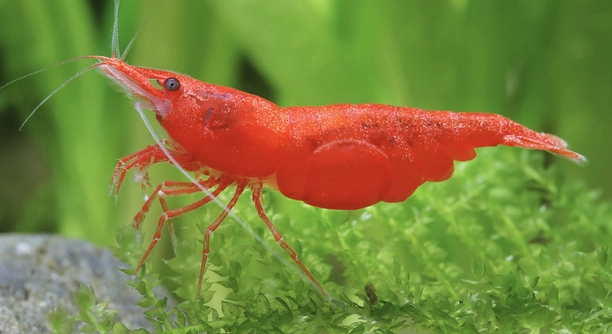
Have you ever kept cherry shrimp and felt uncertain about the advice shared in forums or groups, especially when different people insist on completely opposite rules for care and setup in your small tank experience?
Many common cherry shrimp tank myths persist because they are repeated without evidence, creating confusion for new keepers. Relying on verified care principles provides clearer guidance and supports stable conditions that promote healthy behavior, consistent breeding, and long term success.
As you learn the truth behind these ideas, you will understand how simple adjustments can improve your shrimp keeping overall.
Cherry Shrimp Need Perfectly Pristine Water
Many people believe cherry shrimp need perfectly pristine water to survive, but this idea leads some keepers to overreact to minor changes that are completely normal in a small tank. When I first started keeping them, I felt pressured to chase flawless numbers every day, which only caused more stress for me and instability for the shrimp. These shrimp are sensitive, but they handle slight variations far better than many assume, especially when the changes happen slowly and the tank has steady biological filtration. Maintaining a stable environment is more important than pursuing perfect readings. Frequent adjustments, sudden water swaps, and harsh cleaning methods often do more harm than good. A calm routine, gentle cleaning, and consistent care create a stronger foundation for healthy shrimp. Once I stopped overcorrecting everything, I noticed they behaved more confidently and maintained brighter colors in their daily activities without signs of stress or decline.
Stability supports their natural rhythms by preventing sudden swings that interrupt feeding and molting. When conditions change slowly, shrimp adjust without visible strain. A focus on moderation keeps the environment dependable. This approach reduces losses and helps your tank remain predictable through small shifts that happen in routine care daily.
Understanding this myth helps you create practical habits that benefit your shrimp long term. You do not need complicated routines or constant testing to maintain a healthy tank. A gentle approach can make the experience feel lighter and less stressful for you. With steady feeding, moderate water changes, and thoughtful observation, your shrimp will thrive. Once you trust the process, it becomes clear that simplicity supports both stability and comfort. These small creatures respond well to calm environments, and your patience encourages better results. By keeping your setup consistent, you provide the right conditions for growth, color, and breeding success.
Cherry Shrimp Cannot Live in Tap Water
Many keepers are told tap water is unsafe for cherry shrimp, leading them to believe only specialized sources will work. In reality, properly treated tap water provides consistent parameters. Using conditioner to neutralize chlorine makes it suitable. This simple step avoids unnecessary complication while supporting a balanced tank for you.
Many people assume tap water contains substances that shrimp cannot tolerate, but most municipal supplies become completely acceptable once chlorine and chloramine are neutralized. I learned early on that stability matters far more than the source itself, and treated tap water offers dependable mineral content that shrimp rely on for molting and shell strength. Using remineralized reverse osmosis water is helpful for specialized setups, but it is not required for the typical hobby tank. Treated tap water often has the right balance of calcium and magnesium, which supports stronger exoskeletons and more predictable molts. When you rely on tap water, you avoid large swings in hardness and alkalinity that sometimes appear in homemade mixes. A consistent foundation helps shrimp adapt more easily and reduces unnecessary stress during water changes. The key is treating the water properly, matching temperature, and introducing it slowly. Once these steps become routine, tap water becomes a reliable option that keeps your maintenance simple. With steady care, cherry shrimp thrive in tanks using nothing more than conditioned tap water, and the predictable parameters help maintain stable behavior, steady feeding, and healthy color development without complicated supplies that could create issues for less experienced shrimp keepers otherwise.
Cherry Shrimp Must Be Fed Constantly
Cherry shrimp do not need constant feeding, and giving them food too often leads to waste and instability. I learned that light, measured portions support a cleaner tank and help them rely on natural biofilm that grows steadily on surfaces.
Feeding lightly encourages healthier behavior, steadier colors, and a cleaner substrate. When I reduced how often I added food, I noticed their activity improved and the water stayed clearer. Shrimp graze throughout the day, and giving them too much only increases the risk of leftover particles breaking down. A balanced routine prevents ammonia spikes and allows beneficial bacteria to work consistently. By focusing on moderation, you create an environment that stays predictable during weekly care.
Once feeding becomes controlled and simple, the tank settles into a natural rhythm. Shrimp thrive when they can graze at their own pace, exploring surfaces for soft growth rather than relying entirely on pellets. This approach supports bright coloration, smoother molts, and calmer behavior. Light feeding creates a safer space, and your maintenance becomes easier. A steady schedule keeps everything running smoothly without overwhelming the tank.
Cherry Shrimp Need a Heavily Planted Tank to Survive
A heavily planted tank is not required for cherry shrimp, even though many keepers insist it is the only way to keep them safe. Moderate plant growth offers enough structure and comfort, and simpler setups work just as well when kept stable and clean.
Shrimp benefit from hiding spots, but they can thrive in tanks with only a few plants, hardscape pieces, and biofilm-covered surfaces. I have seen them feel comfortable around simple decorations as long as the environment stays steady. While plants help with oxygen and surface area, they are not the only option. Mosses, stones, and wood provide grazing space without creating a crowded layout. The focus should be on stable conditions, gentle filtration, and consistent care. A simpler design also makes maintenance easier, helping you notice changes faster. With balanced lighting and a slow approach, your shrimp adapt well and remain active without needing a dense layout that may complicate upkeep for you.
Cherry Shrimp Can Only Thrive in Large Tanks
Cherry shrimp do well in small tanks when conditions remain stable. I have kept them in compact setups without issues, as long as the filtration was gentle and the water changes were done with care. Size matters less than consistency.
A small tank can stay healthy when you avoid overfeeding, overcrowding, and sudden changes. Shrimp settle in quickly when the environment stays predictable. With regular maintenance and a calm routine, even a modest setup supports growth, color, and steady activity. Stability makes the difference, not the tank volume.
Cherry Shrimp Cannot Be Kept With Any Fish
Many assume shrimp cannot live with fish, but peaceful species make suitable neighbors when the tank is arranged thoughtfully. I’ve seen shrimp thrive alongside calm fish that ignore them completely. Choosing gentle tank mates and providing cover keeps the shrimp comfortable and active.
Cherry Shrimp Need Expensive Equipment
You do not need costly tools to keep cherry shrimp healthy. A simple filter, steady water changes, and a basic test kit are enough to support their needs.
FAQ
Do cherry shrimp need an airstone?
An airstone is helpful but not essential. I’ve kept shrimp in tanks without one as long as the filter created enough surface movement for proper oxygen exchange. Gentle rippling at the surface keeps the water fresh and stable. If the room is warm or the tank is heavily stocked, adding an airstone brings extra support and helps prevent stagnant pockets. It’s a simple tool that adds a layer of safety, but your shrimp will do well without it if the tank already has steady circulation and balanced care.
Can cherry shrimp live without a heater?
They can, depending on your room temperature. I’ve had success keeping them in unheated tanks where temperatures stayed steady around the low to mid seventies. Shrimp dislike wide swings, so a heater becomes useful if your home gets too cold or fluctuates throughout the day. Stable temperatures support smoother molting, calmer behavior, and consistent feeding patterns. If your home gets chilly at night, a small heater helps keep conditions predictable and prevents stress.
Do cherry shrimp need a light?
Shrimp do not need strong lighting, but you will need some light if you plan to grow plants or want to observe them easily. Soft lighting encourages plant growth, biofilm production, and natural behavior. I prefer gentle lights because they support the tank without causing rapid algae blooms. A simple schedule of eight hours works well and keeps the tank calm.
Is it normal for cherry shrimp to lose color?
Color fading can happen from stress, sudden changes, or poor diet. I’ve noticed stronger colors when the tank stayed stable and when I offered foods rich in minerals and natural pigments. Sudden water swings, overcrowding, or aggressive tank mates can make shrimp pale. Once conditions improve, their color usually returns. Keeping your routine steady helps maintain brightness over time.
Why do cherry shrimp hide so much?
Shrimp hide when stressed, newly introduced, molting, or adjusting to new tank mates. This behavior is normal, especially after a big change. They come out more once they feel secure. I’ve seen them stay hidden in bright tanks or busy setups but become more active when I added a few peaceful hiding spots like moss and small caves.
Can cherry shrimp live on just biofilm?
Biofilm is their main natural food source, but supplemental feeding helps maintain their health, especially in cleaner or newer tanks where biofilm is limited. I prefer light feeding so they still graze naturally while getting enough nutrients. A mix of stable surfaces and small meals keeps them active and satisfied.
Why do cherry shrimp suddenly die in groups?
Sudden losses often come from rapid changes. When I first kept shrimp, I experienced group deaths after large water changes that shifted temperature or parameters too quickly. Overfeeding can also cause hidden spikes in ammonia. Slow changes, careful feeding, and steady maintenance help prevent these issues.
Do cherry shrimp breed easily?
They breed readily when the tank is stable, the food is consistent, and the water conditions fit their needs. I’ve seen breeding slow down when temperatures drop or when stress levels increase. Once the environment stays predictable, the females carry eggs more often, and the tiny shrimplets appear around surfaces where biofilm grows.
Is driftwood safe for cherry shrimp?
Most driftwood is completely safe and even beneficial. It grows biofilm, offers hiding spots, and releases tannins that create a gentle environment. I always rinse new pieces and soak them before adding them to avoid cloudiness. Shrimp enjoy grazing on the soft growth that forms on the wood.
Do cherry shrimp eat algae?
They pick at soft algae and help keep small patches under control, but they are not strong algae cleaners. I never rely on them to fix algae issues. They do best when algae growth stays light and manageable. Their grazing supports the overall balance without replacing regular tank care.
Final Thoughts
Keeping cherry shrimp becomes much easier once you understand which ideas are helpful and which ones only create confusion. Many of the common myths make people feel like shrimp care is far more complicated than it truly is, especially when they are just starting out. I remember feeling overwhelmed by rules that sounded strict, and I worried about making small mistakes that might harm the shrimp. With time, I realized most of those fears came from repeating information without checking whether it was actually useful. Cherry shrimp need stability, basic care, and a calm approach rather than constant adjustments. When the tank is given time to settle, everything starts working together in a more natural way. The shrimp behave with more confidence, the colors stay brighter, and the maintenance becomes predictable. Letting go of these myths helps you focus on what truly matters, which makes the entire experience feel smoother and far less stressful.
A lot of shrimp keeping success comes from observing them closely and responding to changes slowly. When you avoid chasing perfect numbers and stop worrying about every small shift, the tank becomes more balanced. I noticed that my shrimp became more active once I learned to relax and trust the routine. They grazed more, hid less, and showed clearer signs of comfort when I stopped overcorrecting. Stable feeding, moderate cleaning, and steady water changes support a dependable foundation. Even small tanks work well when managed this way, and you do not need complex gadgets or expensive tools to keep the shrimp healthy. Most shrimp thrive with a gentle filter, conditioned tap water, and soft lighting. When you remove the pressure to follow strict myths, you can shape a setup that fits your home and your comfort level. It also becomes easier to notice what your shrimp actually respond to, instead of feeling stuck between conflicting advice.
Understanding these simple truths allows you to enjoy the calm nature of shrimp keeping. Cherry shrimp bring a steady rhythm to a tank, and watching them graze slowly across surfaces creates a peaceful environment that feels grounding. When you build your care routine around stability instead of fear, you have more room to appreciate how these tiny creatures move, interact, and grow. Their color deepens when they feel secure, and their population increases naturally once the environment stays predictable. You do not need perfection to achieve a healthy tank. You only need patience, consistency, and an understanding of what truly supports them. By letting go of the myths, you make space for a more relaxed and enjoyable experience that keeps your shrimp safe while keeping your routine simple.

Hello,
If you enjoy the content that we create, please consider saying a "Thank You!" by leaving a tip.
Every little bit helps us continue crafting quality advice that supports the health, happiness, and well-being of pets around the world, for pets of all shapes, sizes, and species.
We really appreciate the kindness and support that you show us!