
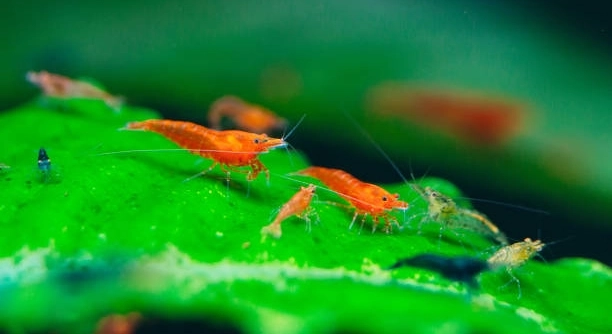
Caring for cherry shrimp can be both relaxing and rewarding, but it requires attention to their small yet specific needs. Many enthusiasts notice that thriving shrimp have certain habits that make all the difference in their health and activity.
Cherry shrimp thrive when their environment, diet, and social conditions are carefully maintained. Providing stable water parameters, adequate hiding spaces, balanced nutrition, and consistent care practices ensures their growth, coloration, and overall well-being within a home aquarium setting.
Maintaining these habits can transform a simple tank into a lively, thriving environment for your shrimp to flourish naturally.
Stable Water Conditions
Maintaining stable water conditions is essential for cherry shrimp health. Sudden changes in temperature, pH, or hardness can stress them, causing molting issues or even death. Aim for a temperature between 72-78°F and a pH around 6.5-7.5. Using a reliable heater and thermometer ensures consistency. Regular water testing helps monitor ammonia, nitrite, and nitrate levels. Performing weekly water changes of 10-20% prevents the buildup of harmful substances while keeping the water fresh. Avoid using tap water without proper treatment, as chlorine and heavy metals can harm shrimp. Adding a biological filter can maintain beneficial bacteria, supporting a stable ecosystem. Driftwood or live plants can help buffer small pH changes and provide natural hiding spots. Observing your shrimp daily lets you notice stress signs early. Even small adjustments, like gradual temperature changes or slow water addition, can prevent shock. A stable environment encourages healthy growth, vibrant coloration, and frequent breeding. Cherry shrimp thrive best in tanks that mimic natural, calm waters.
Stable water is the foundation of healthy shrimp care, ensuring minimal stress and consistent activity in the tank.
Creating a stable environment takes planning, from equipment to monitoring routines. A combination of water testing, gradual changes, and proper filtration builds a supportive habitat. Over time, shrimp adapt to steady conditions, showing better growth and behavior. Plants and decor enhance water quality and provide safe spaces for hiding and molting, which reduces stress further. Keeping parameters consistent is more important than constant adjustments or experimenting with sudden changes. Even small tanks benefit from these practices, improving survival rates and the overall health of the colony. Observing shrimp regularly allows you to detect early signs of stress or illness. Adjusting only when necessary prevents unnecessary disruptions. With patience and attention, stable water conditions lead to a thriving, colorful shrimp population that remains active and reproduces reliably.
Proper Diet and Nutrition
Cherry shrimp require a varied diet for optimal health. Feeding high-quality shrimp pellets, blanched vegetables, and occasional protein treats ensures balanced nutrition. Overfeeding can pollute the water, so offer small amounts and remove leftovers.
Providing a balanced diet supports coloration, molting, and reproductive success. Include algae wafers, spinach, zucchini, or other greens, and consider occasional protein sources like bloodworms or brine shrimp. Rotating food types helps prevent deficiencies. Observing which foods they prefer can guide feeding schedules. Supplements like calcium can aid in healthy exoskeleton development. Avoid processed human food or oily items that may harm water quality. Feeding a mix of plant-based and protein-rich foods promotes active, healthy shrimp.
A consistent diet also encourages natural foraging behaviors, keeping the shrimp engaged and healthy. Using live plants and biofilm in the tank adds supplemental nutrition. Careful portion control prevents water contamination and helps maintain stable parameters. Over time, a proper feeding routine supports vibrant coloration, frequent molting, and a growing colony. Feeding should complement water quality management, as leftover food can increase ammonia levels. Observing shrimp during feeding allows for adjustments, ensuring each shrimp gets adequate nutrition. Rotating foods and including natural biofilm encourages strong growth and reproductive activity. By combining balanced nutrition with a stable environment, cherry shrimp thrive in both health and activity.
Hiding Spaces and Tank Décor
Cherry shrimp feel secure when they have plenty of hiding spots. Plants, rocks, and driftwood offer protection during molting and reduce stress from other tank inhabitants. Dense vegetation also encourages natural grazing and exploration behaviors.
Providing varied hiding spaces ensures shrimp can escape aggressive tank mates and manage stress effectively. Mosses, Java fern, and Anubias create natural shelters while adding surface area for biofilm growth, which supplements their diet. Small caves, ceramic tubes, or driftwood provide additional retreats. Placement matters—scatter shelters throughout the tank to avoid overcrowding any single area. Shrimp tend to hide when molting, which is crucial for survival. Proper décor encourages activity, reduces stress, and promotes breeding by offering secure areas for females and baby shrimp. Even minimal tank decorations can significantly improve comfort and overall health.
Hiding spaces also support shrimp during molting cycles. Females benefit from secluded spots when carrying eggs. By strategically arranging plants and decorations, the tank becomes a safer, more natural environment. Shrimp can explore without constant fear, leading to more active, healthy behavior. Additionally, surfaces for biofilm growth increase nutrition, reducing the need for supplemental feeding. Balancing open swimming areas with secure shelters allows shrimp to thrive while maintaining a visually appealing tank setup. Regularly checking décor placement ensures shrimp can easily access all areas while still feeling protected.
Consistent Water Changes
Regular water changes prevent the accumulation of harmful chemicals and maintain stable conditions. Even small, consistent changes improve overall shrimp health and water clarity.
Changing 10-20% of the tank water weekly removes nitrates and replenishes essential minerals. Using dechlorinated water at the same temperature prevents shocking shrimp. Consistency is key—sporadic or large water changes can stress the shrimp and disrupt beneficial bacteria. Gradual additions keep the environment stable and healthy. Monitoring water quality before and after changes ensures optimal parameters. Even in heavily planted tanks, partial water changes are necessary to maintain balance. Routine water replacement supports active shrimp, bright coloration, and successful molting. It also helps prevent algae overgrowth and keeps the tank visually clean.
Water changes also support reproduction and overall activity. Shrimp are sensitive to small fluctuations, so gradual, predictable maintenance helps them adjust naturally. Using a siphon for substrate cleaning removes detritus without disturbing shrimp. Supplementing with mineral-rich water or shrimp-specific additives supports shell strength and breeding. Observing shrimp behavior during water changes ensures minimal stress. Maintaining a consistent schedule of partial water replacement keeps both plants and shrimp healthy. Over time, this practice establishes a reliable environment that encourages natural behaviors, growth, and longevity in your cherry shrimp colony.
Proper Tank Mates
Cherry shrimp do best with peaceful tank mates that won’t harass them. Small snails, certain shrimp species, and non-aggressive fish work well. Avoid large or predatory fish that may see shrimp as food.
Even among peaceful fish, slow-moving species are preferable. Quick or territorial fish can stress shrimp and limit their access to hiding spaces. Careful selection of tank mates ensures shrimp can forage, molt, and breed without constant fear.
Light and Plant Balance
Moderate lighting supports plant growth without stressing shrimp. Too much light encourages algae, while too little limits plants that provide shelter and biofilm for feeding.
Monitoring Molting Cycles
Molting is a critical process for growth and health. Observe shrimp regularly to ensure they have safe spaces and adequate nutrition to shed their shells successfully.
FAQ
How often should I feed my cherry shrimp?
Feeding small amounts once or twice daily is sufficient. Cherry shrimp are tiny, and overfeeding can quickly pollute the water. Offer a mix of high-quality shrimp pellets, blanched vegetables, and occasional protein treats. Remove any uneaten food after a few hours to maintain water quality. Observing their behavior during feeding helps gauge if portions need adjustment. A balanced diet supports coloration, molting, and breeding while preventing health issues caused by overfeeding.
Can cherry shrimp live with other shrimp species?
Yes, but choose compatible species. Most dwarf shrimp are peaceful and can coexist, though competition for food may arise. Keep the tank well-planted with multiple hiding spaces to reduce stress. Avoid mixing with larger or aggressive shrimp that may harm smaller cherry shrimp. Providing a varied diet and sufficient space allows multiple species to thrive without conflict. Monitoring behavior is important to ensure no one is bullied or excluded from feeding areas.
How do I know if my shrimp are stressed?
Stress signs include hiding constantly, faded coloration, reduced activity, or molting problems. Poor water quality, sudden temperature changes, or aggressive tank mates often cause stress. Observing daily behavior helps detect issues early. Correcting water parameters, offering more hiding spots, or removing aggressive species can improve shrimp health. Stress reduction leads to better growth, molting, and breeding.
What is the ideal temperature for cherry shrimp?
Maintain 72-78°F consistently. Sudden temperature changes can lead to stress or molting difficulties. Use a reliable heater and thermometer to ensure stability. Avoid placing the tank near drafts or direct sunlight. Gradual adjustments are better than abrupt changes. Stable temperatures promote activity, vibrant coloration, and reproduction.
How often should I perform water changes?
Partial water changes of 10-20% weekly are recommended. This prevents nitrate buildup and replenishes essential minerals. Use dechlorinated water at a similar temperature to avoid shocking the shrimp. Even heavily planted tanks benefit from regular water changes to maintain stable conditions and reduce stress. Monitoring water quality before and after changes ensures optimal results.
Can cherry shrimp breed in a small tank?
Yes, they breed readily if water conditions are stable and stress is minimal. Dense plants and hiding spots support females carrying eggs. A balanced diet and stable water parameters encourage reproduction. Avoid disturbing the tank too frequently, as stress can delay or prevent breeding. Over time, a well-maintained small tank can sustain a healthy, growing colony.
Why are my shrimp losing color?
Fading coloration usually indicates stress, poor nutrition, or improper water conditions. Ensure they receive a varied diet rich in nutrients, maintain stable water parameters, and provide adequate hiding spaces. Some shrimp may naturally vary in color, but consistent fading suggests environmental adjustments are needed. Proper care restores vibrancy.
How can I prevent molting problems?
Molting issues occur due to stress, poor water quality, or calcium deficiency. Provide hiding spots, a balanced diet, and stable water parameters. Supplementing with calcium sources like cuttlebone or mineral-rich foods helps maintain strong exoskeletons. Observing shrimp during molting ensures they have enough space and protection, reducing mortality.
Is it necessary to use a filter in a shrimp tank?
Yes, a gentle filter maintains water quality and supports beneficial bacteria. Sponge filters are ideal, as they provide circulation without harming shrimp. Avoid strong currents that can stress or injure them. Proper filtration helps prevent ammonia spikes and keeps the tank clean, supporting shrimp health and reproduction.
How long do cherry shrimp typically live?
Cherry shrimp usually live 1.5-2 years, depending on care and environmental conditions. Stable water, proper nutrition, and stress-free surroundings extend their lifespan. Observing health, molting, and behavior helps track overall well-being and ensures shrimp thrive throughout their life cycle.
Final Thoughts
Caring for cherry shrimp requires attention to detail but can be very rewarding. They are small and delicate, yet resilient when given the right environment. Maintaining stable water parameters, consistent feeding, and providing safe hiding spots forms the foundation of healthy shrimp care. Even minor fluctuations in temperature, pH, or water quality can cause stress, so regular monitoring is important. Observing your shrimp daily allows you to notice changes in behavior or coloration that may indicate health issues. By setting up a well-planned tank with the right plants, décor, and filtration, you create a stable habitat where shrimp can thrive naturally. This foundation reduces stress, encourages molting, and supports successful breeding, which are all signs of a healthy colony.
A balanced diet plays an equally important role in their well-being. Cherry shrimp benefit from a mix of high-quality pellets, blanched vegetables, and occasional protein treats. Providing variety ensures they receive all essential nutrients, supports coloration, and promotes proper growth. Overfeeding should be avoided because leftover food can quickly affect water quality. Observing how much your shrimp eat and removing excess food is a simple but effective practice to maintain both nutrition and water stability. Supplementing with calcium sources, such as cuttlebone or mineral-rich foods, helps maintain strong exoskeletons and reduces molting issues. Combined with stable water conditions, proper nutrition helps shrimp remain active, vibrant, and more likely to reproduce successfully.
Creating a thriving shrimp tank is about balance and consistency. Hiding spaces, moderate lighting, gentle filtration, and compatible tank mates all contribute to a safe, low-stress environment. Paying attention to their behavior and adjusting care routines as needed ensures shrimp can explore, feed, and molt comfortably. Regular partial water changes, careful monitoring of water chemistry, and providing biofilm or plant surfaces for grazing all improve overall health. Over time, these practices lead to a lively, colorful, and self-sustaining shrimp colony. Cherry shrimp may be small, but with consistent care, their activity, breeding, and coloration can make a tank feel full of life, rewarding the effort and attention invested in their care.

Hello,
If you enjoy the content that we create, please consider saying a "Thank You!" by leaving a tip.
Every little bit helps us continue crafting quality advice that supports the health, happiness, and well-being of pets around the world, for pets of all shapes, sizes, and species.
We really appreciate the kindness and support that you show us!