
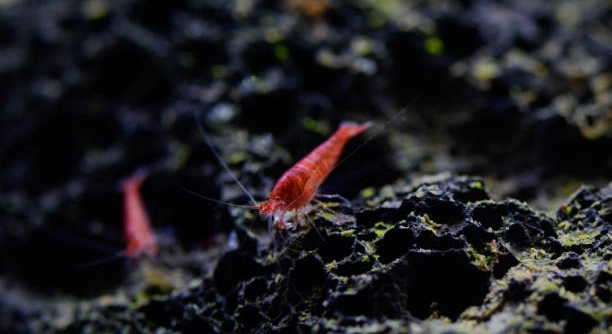
Are your shrimp breeding attempts leaving you unsure about what is going wrong in your tank from water conditions to daily care routines that influence their growth and overall success in a simple freshwater setup.
The most frequent mistakes affecting shrimp breeding success involve unstable water parameters, poor nutrition, overcrowding, and inadequate filtration. These issues weaken overall health and reduce reproductive rates, ultimately creating an environment that fails to support consistent and reliable breeding cycles.
Small adjustments can transform your results, offering a path toward healthier colonies and more dependable breeding outcomes within your aquarium.
Unstable Water Parameters
Maintaining stable water parameters is one of the most important steps in shrimp breeding, and even small shifts can interfere with their ability to thrive. I have seen how sudden changes in temperature, pH, or hardness create stress that shrimps cannot easily manage. When their environment shifts too quickly, they tend to hide more, feed less, and grow at a slower pace, which naturally affects breeding. Many beginners overlook the role of consistency, focusing only on setting the correct numbers rather than keeping them steady across each day. Stable conditions allow shrimps to feel secure, encouraging natural behavior and regular molting cycles that support reproduction. When the tank experiences constant fluctuations, these cycles become irregular and may stop altogether. It helps to monitor your tank daily, record readings, and make slow adjustments instead of fast corrections. This simple habit supports a calm environment where breeding becomes much more reliable.
Small daily checks help prevent sudden issues by giving you a clear view of how your tank behaves over time. Consistency is what allows shrimps to breed with confidence, and simple habits often make the biggest difference in long-term breeding success, especially in sensitive freshwater setups that require stable care.
Understanding how water parameters interact helps you respond more effectively when something shifts. Temperature influences oxygen levels, pH affects how minerals behave, and hardness supports proper molting. When one value changes, others may follow, creating a chain reaction that affects overall health. By learning these relationships, you gain better control of your tank and avoid surprises that could disrupt breeding. This awareness also makes routine maintenance easier, since you can predict how small adjustments will influence overall stability.
Poor Nutrition
Proper nutrition is essential for healthy breeding since shrimps rely on a balanced diet to support growth, molting, and energy levels. When their diet lacks key nutrients, their activity slows and breeding becomes inconsistent, making it important to provide diverse foods that match their natural feeding habits in every stage.
Feeding shrimps correctly requires a balanced mix of plant matter, protein, minerals, and natural biofilm that grows on surfaces throughout the tank. When diets become repetitive, shrimps often lose energy and show slower breeding responses, which is why variety is so important. A well-fed colony displays stronger coloration, steady growth, and consistent molting, all of which contribute to reliable reproduction. Biofilm plays a major role because young shrimps depend on it for steady nourishment during their earliest days. Without enough biofilm, their survival rates decrease, creating gaps in the colony that affect future breeding cycles. Supplementing with specialized shrimp foods ensures that adults receive the minerals they need for proper molting. Vegetables like spinach or zucchini can also help, providing natural fibers that improve digestion. Careful feeding prevents excess waste, keeps water clean, and supports a calm environment where shrimps feel secure. This steady approach keeps the colony active and ready for breeding cycles.
Overcrowding in the Tank
Overcrowding places constant stress on shrimps by limiting space, reducing food availability, and increasing competition. This pressure weakens their overall health and leads to slower breeding. A lightly stocked tank supports calm behavior, steady feeding, and the stable conditions required for consistent reproduction in smaller freshwater setups.
Keeping shrimp density appropriate makes a noticeable difference in their daily behavior. When space becomes limited, dominant individuals feed more aggressively, while weaker ones hide and miss essential nutrients. This imbalance affects growth and reduces the number of females ready to breed. A well-managed population helps maintain clean water because waste levels stay easier to control. When the tank is overcrowded, molting issues also become more common, making breeding unreliable. By reducing the number of shrimps or increasing tank size, you create a calmer environment that encourages steady feeding patterns. This simple change often improves breeding activity more than expected.
Balancing population size supports long-term tank stability. Shrimps thrive when they have enough room to graze freely without constant competition. More space allows biofilm to develop naturally, giving young shrimps better access to food during their critical early days. This leads to stronger survival rates and a healthier breeding pattern. Overcrowded tanks also experience more territorial behavior, which increases stress and disrupts molting cycles. By giving your colony proper space, you create a cleaner, calmer environment that supports predictable breeding rhythms and reduces daily maintenance. Keeping numbers manageable strengthens the entire colony.
Inadequate Filtration
Inadequate filtration reduces water quality, allowing waste and uneaten food to build up faster than the system can process. This creates stress that interferes with breeding and leads to weaker overall health. A well-chosen filter keeps the tank clear, stable, and supportive of daily shrimp activity.
Shrimps rely on clean water to maintain strong molting cycles and consistent reproductive behavior. Without proper filtration, ammonia and nitrite levels rise quickly, even when feeding is controlled. This invisible stress often goes unnoticed until shrimps become less active or stop breeding altogether. A sponge filter works well because it protects shrimplets while providing steady oxygen flow. Gentle circulation prevents debris from settling and makes biological filtration more effective. By choosing the right filter size and cleaning it regularly, you maintain a healthy environment that supports stable breeding. This careful approach ensures your colony stays active, comfortable, and capable of reproducing consistently.
Inconsistent Maintenance
Irregular maintenance disrupts the stability shrimps depend on by allowing debris and waste to accumulate faster than the tank can handle. These changes raise stress levels and make breeding less predictable, especially when water parameters shift without warning between routine cleanings in a small home setup that requires steady care.
Simple weekly habits create a healthier environment by preventing sudden spikes that interfere with normal shrimp behavior. Consistent water changes, filter upkeep, and light feeding all contribute to a balanced tank where breeding can continue without unnecessary interruptions caused by overlooked debris or fluctuating conditions in smaller freshwater breeding systems.
Improper Tankmates
Unsuitable tankmates can create constant stress for shrimps by chasing them, competing for food, or disturbing their hiding spots. Even small fish that appear peaceful often disrupt shrimp behavior, leading to lower breeding rates and reduced survival of young shrimps. Choosing compatible species is essential because shrimplets rely on calm surroundings to feed freely and grow without interference. A tank with aggressive or overly active companions pushes shrimps into hiding, which limits their access to nutrients and interferes with normal molting cycles. Careful selection reduces stress and supports consistent breeding in a well managed setup that encourages steady colony growth.
Insufficient Hiding Spots
A lack of hiding spots makes shrimps feel exposed, reducing their comfort and lowering breeding activity. Dense plants, leaf litter, and small shelters help shrimps rest safely, molt without stress, and protect shrimplets from disturbances that interrupt natural behavior in a peaceful and supportive freshwater environment that promotes steady breeding.
FAQ
Why are my shrimps not breeding even though they look healthy?
Shrimps can appear healthy yet still avoid breeding when their environment is unstable. Even small fluctuations in temperature, pH, or hardness can interrupt their natural cycles. I have noticed how sensitive they become when values shift quickly, even if they continue feeding normally. Stability encourages them to molt properly and behave more confidently, which directly affects breeding. When conditions remain consistent across several weeks, females feel secure enough to carry eggs without interruption. A calm and steady tank gives them the comfort they need, and their natural rhythms return once the environment becomes predictable again.
How long does it take for a shrimp colony to begin breeding after setup?
Shrimp colonies usually need several weeks to settle before breeding begins. Even when the tank is fully cycled, the shrimps still require time to adjust, explore, and feel safe. I have seen some colonies begin within a month, while others take longer because they depend on stable parameters and a strong biofilm base. Patience is important because rushing changes can interrupt early progress. As long as you maintain consistent feeding and gentle care, the colony gradually adapts and breeding follows naturally. Their comfort grows as the tank matures, allowing them to reproduce with more confidence.
What should I feed my shrimp to support breeding?
A varied diet supports healthy breeding more effectively than relying on a single food. Shrimps need mineral rich options to help them molt, along with plant based foods to maintain energy. Biofilm remains essential, especially for shrimplets, since it grows naturally on surfaces and provides constant nourishment. I like to offer blanched vegetables and specialized shrimp foods while keeping feedings modest to avoid water issues. When diets remain balanced, shrimps stay active, colorful, and ready for regular breeding cycles. A good mix ensures that adults and young receive steady nutrition without stressing the tank.
Are water changes harmful to breeding shrimp?
Water changes help maintain a clean and stable tank as long as they are done slowly and consistently. Shrimps dislike sudden shifts, so replacing small amounts on a regular schedule prevents disruptions. Sudden large changes make them hide and stop feeding, which affects egg carrying females and newly hatched shrimplets. I find that smaller weekly changes keep everything stable without overwhelming them. By matching temperature and avoiding rapid adjustments, the colony continues its normal behavior. Consistent maintenance helps breeding remain steady.
Can shrimp breed in small tanks without issues?
Small tanks can support breeding, but they require more attention because conditions change faster in limited space. Even minor feeding errors or missed maintenance can disrupt the balance. I have seen smaller setups succeed when they are monitored closely and stocked lightly. Keeping the population controlled helps prevent overcrowding and protects biofilm levels. When space is limited, new shrimplets also need more hiding spots to stay safe. A small tank can work well when kept stable, but it leaves less room for errors. With careful care and consistent routines, breeding remains possible and dependable.
Why do shrimplets disappear after hatching?
Shrimplets disappear for several reasons such as poor water quality, lack of biofilm, or hidden predation from fish or adult shrimps under stress. Newly hatched shrimplets depend heavily on biofilm to survive the first crucial days. If there is not enough, they struggle to grow. I have also seen tanks where filtration is too strong, pulling shrimplets into intake areas. Providing sponge filters, gentle circulation, and lots of surfaces for biofilm helps them stay safe. When the tank feels calm and clean, shrimplets survive at much higher rates.
Do I need special lighting for breeding shrimp?
Shrimps do not need strong lighting for breeding, but moderate light helps biofilm and plants grow. I prefer softer settings that support natural grazing without stressing the colony. Intense lighting encourages algae growth, but too much can make shrimps hide more. Balanced lighting maintains comfort and keeps the tank stable. A gentle schedule also avoids sudden shifts that might disrupt feeding or molting. Proper lighting supports a peaceful setup where shrimps remain active and ready to breed.
Final Thoughts
Shrimp breeding depends on small details that work together to create a stable and supportive environment. I have learned that even minor changes in water quality, feeding habits, or tank layout can influence their comfort more than many people realize. When these details are managed with care, shrimps respond with steady behavior, regular molting, and predictable breeding patterns. Clean water, calm surroundings, and consistent routines remain the foundation for success. A colony thrives when stress is reduced and daily conditions stay familiar. These small choices shape the entire experience and make the process feel smoother and more rewarding. By observing your shrimps closely and giving them an environment that feels safe, their natural breeding instincts appear much more reliably over time.
Taking the time to understand their needs makes everything easier. Shrimps show their comfort through subtle behaviors, and noticing these signs helps guide each adjustment you make. When they graze without hiding, move around calmly, and molt without difficulty, you know the conditions suit them well. Steady feeding, careful stocking, and regular upkeep all reinforce this sense of comfort. Even simple improvements such as adding more plants or reducing filter flow can make a meaningful difference. These choices do not need to be complicated. They only need to be thoughtful and consistent. A balanced approach helps maintain stability, which supports both adult shrimps and shrimplets as they grow. Over time, your tank becomes a place where breeding feels natural rather than unpredictable.
Shrimp breeding is a slow and steady process, and patience plays a large role in its success. Rushing changes or trying to force progress often leads to setbacks. Allowing the tank to mature gives shrimps the stability they need to develop healthy patterns. A well established setup becomes easier to manage because the environment works for you instead of against you. When you approach care with a calm and consistent routine, the colony rewards that stability with steady growth and more dependable breeding activity. Each improvement you make builds upon the previous one, shaping a tank that supports healthier behavior and long term success. With time, the process becomes clearer, and your shrimp colony benefits from the steady attention that keeps their environment comfortable.

Hello,
If you enjoy the content that we create, please consider saying a "Thank You!" by leaving a tip.
Every little bit helps us continue crafting quality advice that supports the health, happiness, and well-being of pets around the world, for pets of all shapes, sizes, and species.
We really appreciate the kindness and support that you show us!