
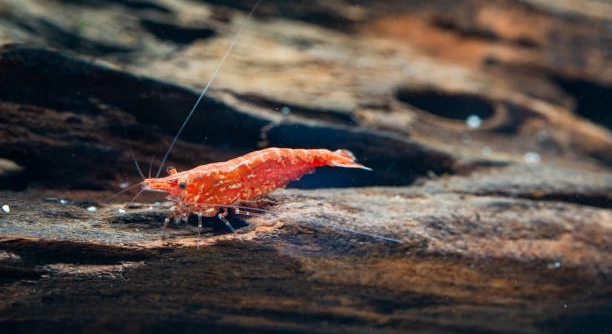
Are your shrimp showing unusual activity or behaving differently in their tank? Observing their daily patterns can help you identify early signs of overstimulation before it affects their health. Paying attention to small changes is essential.
Shrimp become overstimulated due to excessive environmental stressors, including rapid water flow, frequent handling, or overcrowding. Signs include erratic swimming, constant hiding, decreased feeding, color changes, and physical stress responses, which can compromise their overall well-being if unaddressed.
Knowing these indicators allows you to take timely action to restore balance in your aquarium and maintain your shrimp’s health and comfort.
Excessive Water Flow
Shrimp are highly sensitive to the movement of water in their tanks. Strong currents can cause them to swim constantly, struggling to maintain their position. This not only tires them out but can lead to stress-related health issues over time. Even if they seem to adapt, their energy reserves are being drained, which may affect molting and feeding habits. Observing how your shrimp respond to different flow rates helps in adjusting filters or pumps. Using gentle water movement is ideal, especially for smaller or more delicate species. Plants and decorations can also help break up strong currents, giving shrimp safer areas to rest. Avoid positioning high-powered pumps directly in areas where shrimp cluster. Over time, subtle behavioral changes due to water flow may be noticeable, such as hiding more often or reduced activity. A calm, stable environment ensures shrimp remain healthy, active, and comfortable in their aquarium habitat.
Managing water flow properly protects shrimp from stress and helps maintain their natural behaviors and overall health.
Monitoring water speed and observing shrimp movement allows for easy adjustments, improving their environment without drastic interventions.
Overcrowding
Shrimp require adequate space to move and establish territories. Too many shrimp in a single tank can increase competition for food, hiding spots, and oxygen. Overcrowding can cause stress, leading to aggressive behaviors or prolonged hiding. Stress from high density may also weaken immune systems, making shrimp more prone to disease. Even if they appear active, the subtle tension from overcrowding affects growth, molting, and coloration. Ensuring proper tank size for the number of shrimp is essential. Regularly checking population density helps prevent overpopulation issues. Consider separating shrimp into multiple tanks or adding tank mates that occupy different levels of the aquarium to reduce direct competition. Plants, rocks, and hiding areas also alleviate stress by providing personal spaces. Maintaining balance in the tank ensures shrimp can feed, molt, and explore naturally without constant pressure from others. Observing shrimp behavior and adjusting their environment promotes long-term health and comfort.
Proper spacing and thoughtful tank design help shrimp thrive while minimizing stress and negative interactions.
Frequent Handling
Frequent handling can stress shrimp, causing them to hide or swim erratically. Even gentle movements can make them nervous. Limiting interactions and using soft tools when necessary helps maintain their comfort. Consistent handling should be avoided to reduce unnecessary stress and support healthy behavior patterns.
Shrimp are delicate and do not respond well to constant disturbance. Picking them up, moving decorations too often, or adjusting the tank quickly can trigger stress responses. Over time, repeated handling may lead to reduced feeding, slower molting, and color fading. Providing a stable environment with minimal interference allows shrimp to focus on natural activities. Observing them without direct contact is safer and helps maintain their energy levels.
When handling is unavoidable, it’s important to use gentle techniques and proper tools. Nets or soft containers reduce the risk of injury. Planning maintenance to minimize contact ensures shrimp remain calm. A quiet, stable approach to tank management supports their overall well-being and encourages normal behavior, preventing overstimulation from repeated human interaction.
Sudden Environmental Changes
Sudden changes in water temperature or chemistry can trigger stress in shrimp, leading to hiding or erratic swimming. Gradual adjustments prevent shocks, allowing shrimp to acclimate naturally and maintain stable health. Monitoring these factors helps avoid unnecessary stress.
Shrimp are sensitive to fluctuations in temperature, pH, and water hardness. Rapid changes can disturb their metabolic processes, affect feeding, and even halt molting. A sudden drop or rise in temperature or improper water adjustments may cause immediate stress, resulting in lethargy or frantic movements. Slowly acclimating shrimp to new conditions, testing water frequently, and maintaining consistent parameters supports their natural behavior. Keeping a record of water conditions helps detect trends and prevent accidental shocks. By minimizing sudden environmental shifts, shrimp stay active, healthy, and stress-free, which is essential for long-term survival.
Consistency in water conditions ensures shrimp feel secure and reduces overstimulation risks. Tracking temperature, pH, and chemical changes regularly keeps their environment predictable and safe.
Bright or Constant Lighting
Excessive or constant lighting can stress shrimp, causing them to hide or become less active. Using a regular day-night cycle helps them maintain natural behavior patterns. Adjusting light intensity and duration supports their comfort and overall well-being in the tank.
Shrimp prefer subdued lighting and shaded areas. Bright or nonstop illumination can disrupt their feeding and molting routines. Adding plants or decorations provides shelter from light, reducing stress. A balanced lighting schedule encourages normal activity while keeping shrimp calm and healthy.
Poor Water Quality
Dirty water or high levels of ammonia, nitrites, and nitrates can quickly overstimulate shrimp. Regular testing and water changes are essential. Maintaining clean water supports their health, reduces stress, and prevents erratic behavior that comes from harmful chemical exposure.
Lack of Hiding Spaces
Shrimp need adequate hiding spots to feel secure. Without these, they may constantly hide or swim frantically. Providing plants, rocks, or decorations gives them safe areas, reduces stress, and helps maintain normal activity levels.
FAQ
How can I tell if my shrimp are stressed from overstimulation?
Shrimp display several clear signs when they are overstimulated. They may swim erratically, hide more than usual, lose color, or show reduced feeding. Observing their daily patterns closely helps identify these changes early. Consistent behavior monitoring is essential to prevent long-term stress effects.
What environmental factors commonly overstimulate shrimp?
High water flow, sudden changes in water temperature or chemistry, excessive lighting, and overcrowding are the main stressors. Frequent handling or lack of hiding spaces also contributes. Each factor disrupts their natural behavior and can negatively impact their molting, feeding, and overall health.
How often should I test water conditions for shrimp?
Testing water at least once a week is recommended. Monitoring pH, ammonia, nitrites, nitrates, and temperature ensures stable conditions. Consistent testing allows early detection of changes that could overstimulate shrimp, giving time to correct issues before serious stress occurs.
Are some shrimp species more sensitive than others?
Yes, smaller or more delicate species, like cherry shrimp, are generally more sensitive to environmental changes. They react quickly to high water flow, bright lighting, or overcrowding. Hardier species may tolerate slight variations but still benefit from a stable, calm environment.
Can stress affect shrimp coloration?
Stress often causes shrimp to lose vibrancy in color. Overstimulated shrimp may appear pale or dull. Maintaining proper water quality, hiding spots, and gentle lighting helps preserve their natural colors and reduces stress-induced fading over time.
What is the best way to introduce new shrimp to an existing tank?
Acclimating new shrimp slowly is crucial. Float the bag in the tank to equalize temperature, then gradually mix tank water into the bag over 30–60 minutes. This reduces shock from water chemistry differences and prevents overstimulation in both new and established shrimp.
How can I reduce stress from handling?
Handle shrimp as little as possible. When necessary, use soft nets or containers and move gently. Plan maintenance to minimize direct contact. Limiting handling reduces the risk of physical injury and behavioral stress, allowing shrimp to remain calm and active.
Do decorations and plants help prevent overstimulation?
Yes, hiding spots from plants, rocks, or ornaments provide security and break up strong water currents. They allow shrimp to rest and explore safely. Adding adequate cover reduces stress and encourages natural behaviors, especially for shy or delicate species.
How does lighting schedule affect shrimp behavior?
Shrimp need a consistent day-night cycle. Bright or constant light causes hiding and stress. Using subdued lighting with shaded areas mimics natural conditions. A regular schedule supports normal feeding, molting, and activity patterns, keeping shrimp comfortable and healthy.
Can overcrowding be managed without moving shrimp to a new tank?
Yes, strategic tank layout adjustments can help. Adding plants, decorations, and vertical spaces reduces competition and provides personal areas. Ensuring proper filtration and adequate food distribution also mitigates overcrowding stress, maintaining balance without immediate relocation of shrimp.
What should I do if I notice signs of overstimulation?
First, identify the stressor and correct it. Adjust water flow, improve water quality, provide hiding spaces, or reduce handling. Observing shrimp closely after changes ensures that the environment supports their well-being and prevents recurring stress. Regular maintenance and monitoring are key.
How quickly do shrimp recover from overstimulation?
Recovery time depends on the severity of stress and the adjustments made. Mild overstimulation can see shrimp return to normal behavior within hours to days. Severe or prolonged stress may take longer, requiring careful observation and consistent care to restore health.
Is it necessary to quarantine new shrimp to prevent overstimulation in others?
Quarantine helps new shrimp acclimate without overwhelming established tank inhabitants. It reduces aggressive encounters, prevents disease spread, and allows gradual introduction, minimizing stress for both new and existing shrimp populations.
Can diet influence shrimp stress levels?
A balanced diet supports overall health and resilience to stress. Malnutrition or inconsistent feeding can make shrimp more sensitive to environmental changes. Providing varied, high-quality foods ensures energy for normal activity, molting, and coping with minor stressors.
How do I balance a tank for multiple stress factors?
Maintaining stable water parameters, controlling population density, providing hiding spaces, and following a regular maintenance schedule helps balance multiple stressors. Observing shrimp behavior and making gradual adjustments creates a calm, predictable environment that prevents overstimulation and supports long-term health.
Maintaining a healthy shrimp tank requires attention to detail and consistency. Overstimulation can have serious effects on shrimp behavior, health, and overall well-being. Small changes in water flow, lighting, or population density can create stress without being immediately obvious. Observing shrimp daily and noticing subtle changes is essential. Erratic swimming, hiding, or color fading are early signs that something in the environment is causing discomfort. By paying attention to these behaviors, adjustments can be made before stress leads to more serious health problems. Creating a stable, calm, and predictable environment allows shrimp to thrive naturally and reduces the risk of chronic stress.
Providing adequate hiding spaces and managing environmental factors carefully is key to preventing overstimulation. Plants, rocks, and decorations offer areas for shrimp to rest and feel secure. Controlling water flow, light intensity, and tank temperature contributes to their comfort. Avoiding frequent handling and minimizing sudden changes helps them maintain natural behaviors. Even small improvements, like adjusting a filter or rearranging a few decorations, can make a significant difference in reducing stress levels. Proper diet, consistent water testing, and careful introduction of new shrimp also play a role in keeping the tank balanced. A calm environment promotes normal feeding, molting, and activity patterns, ensuring shrimp remain healthy over time.
Understanding the causes and signs of overstimulation allows for proactive care. Shrimp are sensitive creatures, but with thoughtful management, they can adapt and flourish in a well-maintained tank. Monitoring water quality, spacing, and lighting creates a supportive environment that encourages natural behavior and minimizes stress. Changes should be gradual, and observation should be continuous to ensure shrimp remain comfortable. Overstimulation does not have to lead to health issues when proper precautions are in place. Consistent care, attention to detail, and a focus on creating a stable habitat provide the foundation for healthy, active shrimp. By addressing stress factors and maintaining a predictable environment, shrimp can live longer, healthier lives, displaying their natural behaviors and vibrant colors.

Hello,
If you enjoy the content that we create, please consider saying a "Thank You!" by leaving a tip.
Every little bit helps us continue crafting quality advice that supports the health, happiness, and well-being of pets around the world, for pets of all shapes, sizes, and species.
We really appreciate the kindness and support that you show us!