
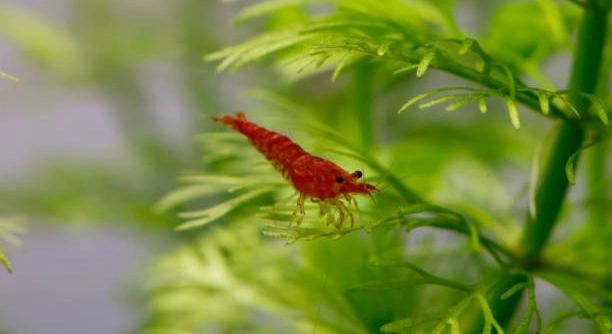
Keeping shrimp in a tank can be rewarding, but it takes more than clean water and food to see them thrive naturally. Observing their natural behaviors can make your aquarium more lively and engaging for both you and your shrimp.
Encouraging natural shrimp behavior involves providing appropriate hiding spaces, varied diet, stable water conditions, gentle lighting, live plants, social groups, and minimal disturbances. These elements collectively support instinctive activities such as foraging, molting, and breeding.
These simple adjustments can transform your tank, allowing your shrimp to express behaviors that reflect their natural environment.
Provide Hiding Spaces
Shrimp naturally seek shelter to feel secure, especially when molting or resting. Including small caves, dense plants, and moss creates areas for them to hide and reduces stress. Hiding spots also encourage natural behavior like grazing on biofilm or interacting cautiously with tank mates. You can use commercially available shrimp shelters, coconut shells, or ceramic tubes. Live plants such as Java moss or Anubias not only offer cover but also support water quality by absorbing excess nutrients. Arranging these elements in layers allows shrimp to choose their preferred depth and environment. Observing them in these spaces can reveal their preferences and personalities. Over time, shrimp may establish favorite hiding spots, creating microhabitats that make the tank more dynamic. Ensuring adequate shelter reduces aggression and competition among shrimp while allowing shy individuals to thrive. The more natural their environment, the more you will see instinctive behaviors displayed consistently, enhancing the overall health of the colony.
Providing hiding spaces also helps reduce stress-related illnesses in shrimp.
Properly arranged shelters promote natural interactions, allowing shrimp to feel safe and actively forage, molt, and explore without fear.
Maintain Stable Water Conditions
Stable water parameters are crucial for shrimp health. Fluctuations in pH, temperature, or hardness can stress shrimp and prevent them from behaving naturally. Keeping ammonia, nitrite, and nitrate levels in check ensures a healthy environment. Frequent small water changes maintain stability without shocking the shrimp, while a reliable heater or filter keeps temperature consistent. Testing water regularly allows early detection of potential issues, preventing long-term stress. Shrimp thrive in stable water conditions because it mimics their natural habitats, where sudden changes are rare. Stress from instability can suppress feeding, reproduction, and activity levels, making them more prone to disease. It’s also important to match water parameters to the specific species in your tank, as different shrimp types have varying tolerances. Proper care and consistent monitoring support their immune system, molting cycles, and overall vitality. By maintaining stable conditions, you encourage shrimp to display their natural behaviors confidently and regularly.
Stable water allows shrimp to forage, molt, and interact naturally without stress.
Consistent parameters prevent sudden shocks that can disrupt feeding and social behavior. Regular monitoring and careful adjustments ensure shrimp remain active, healthy, and capable of displaying instinctive habits over time.
Offer a Varied Diet
Shrimp need more than just pellets to thrive. Including blanched vegetables, algae wafers, and occasional protein sources helps mimic their natural feeding habits and supports growth, molting, and activity.
Providing a mix of foods ensures shrimp receive all necessary nutrients. Leafy greens like spinach or zucchini are soft and easy to eat, while algae wafers and biofilm supplements encourage natural grazing behavior. Occasional protein treats, such as tiny shrimp or fish flakes, can support reproduction and molting. Rotating food types keeps shrimp engaged and prevents boredom, while also reducing the risk of nutritional deficiencies. Observing how they forage across different surfaces can give insight into their preferences and natural instincts. A varied diet stimulates activity and keeps them healthy, while also promoting vibrant coloration and stronger shells. Consistency in feeding times combined with variety in diet creates a predictable yet enriching environment, allowing shrimp to develop natural behaviors that reflect those seen in the wild.
A balanced diet encourages natural grazing and promotes healthy growth and molting cycles.
Different foods and textures stimulate foraging, support immune health, and help shrimp express instinctive behaviors consistently.
Include Live Plants
Live plants improve water quality and provide surfaces for shrimp to explore and graze. Mosses, ferns, and Anubias are ideal choices that offer shelter and feeding grounds.
Plants act as natural biofilters, absorbing excess nutrients and maintaining oxygen levels. They create layers and textures in the tank that encourage shrimp to climb, hide, and graze. Fine-leaved plants like Java moss allow shrimp to pick at microorganisms, simulating natural foraging behaviors, while taller plants give vertical exploration opportunities. Live plants also reduce stress by creating safe areas for molting or resting, minimizing exposure to tank mates. Shrimp are more likely to show active behavior when their environment feels secure and dynamic. Additionally, plants help anchor the substrate and reduce algae growth by competing for nutrients. By incorporating live plants strategically, you can enhance both the aesthetics and functionality of the tank while supporting shrimp’s instinctive activities.
Plants create natural grazing and hiding spots, making shrimp more active and confident in the tank.
A mix of moss, ferns, and anchored plants encourages climbing, foraging, and resting behaviors, supporting overall health and natural instincts.
Gentle Lighting
Shrimp are sensitive to bright light. Using soft or diffused lighting prevents stress and encourages natural activity during the day.
Gradually adjusting light intensity simulates a natural day-night cycle. This helps shrimp explore, forage, and interact without hiding constantly.
Maintain Social Groups
Shrimp thrive in groups, which supports natural behaviors like grooming, foraging, and establishing territories. A small colony creates a sense of security.
Keeping a proper number of shrimp prevents loneliness and stress. Social interactions are essential for healthy development and natural instincts, including mating behaviors.
Minimize Disturbances
Frequent tapping or sudden movements around the tank can stress shrimp. Limiting disturbances allows them to behave naturally, forage, and molt without fear.
Monitor Molting Closely
Molting is critical for growth and vulnerability. Observing shrimp during this time ensures they are safe and recover properly, maintaining healthy behavior patterns.
FAQ
How often should I feed my shrimp?
Shrimp benefit from small, frequent feedings rather than one large meal. Feeding once or twice daily with tiny portions prevents overfeeding and maintains water quality. Providing a variety of foods like vegetables, algae wafers, and occasional protein supplements ensures balanced nutrition and encourages natural grazing behavior. Observing how much is consumed in a few hours helps determine the right amount without leaving excess food to decompose.
Can I keep different shrimp species together?
Some shrimp species coexist well, while others may compete for food or territory. Research compatibility before combining species. Generally, peaceful dwarf shrimp like Cherry and Crystal Red can share a tank if hiding spaces and food sources are adequate. Differences in water parameter requirements should also be considered to prevent stress and ensure both species display natural behaviors effectively.
Why are my shrimp hiding all the time?
Shrimp hide when they feel unsafe, during molting, or when water conditions are unstable. Ensure adequate hiding spaces, stable water parameters, and minimal disturbances. Stress can suppress activity and feeding, so creating a calm and secure environment encourages them to explore, forage, and interact naturally. Observing patterns in hiding can indicate molting schedules or environmental adjustments needed.
How do I know if my shrimp are healthy?
Healthy shrimp are active, have vibrant coloration, and display normal behaviors like grazing, climbing, and interacting with others. Molting should occur regularly, and shrimp should be free of visible parasites or lesions. Consistent feeding habits and regular social interactions are also good indicators of overall health and well-being in the tank.
What is the best substrate for natural shrimp behavior?
Fine gravel, sand, or specialized shrimp substrates allow for natural foraging and grazing. Substrates that support biofilm growth provide an additional food source and encourage instinctive behaviors. Avoid sharp or large gravel that could injure shrimp or make it difficult for them to access microorganisms. Layering substrate with live plants enhances hiding spots and exploration opportunities.
How do I encourage breeding?
Stable water parameters, a balanced diet, and proper social groups promote natural breeding behaviors. Females need safe spaces to molt and carry eggs, while males benefit from adequate territory and activity. Providing hiding spaces, live plants, and a varied diet increases the likelihood of successful mating and healthy offspring, reflecting natural reproductive behavior.
Why do some shrimp molt more often than others?
Molting frequency depends on age, growth rate, and environmental conditions. Younger shrimp molt more frequently, while adults molt less often. Stress, poor nutrition, or unstable water can disrupt molting cycles. Ensuring consistent food, hiding places, and stable water encourages regular molting and natural behavior, supporting healthy development.
Can shrimp coexist with fish?
Small, peaceful fish may coexist with shrimp, but larger or aggressive species can prey on them. Providing dense plants, hiding spots, and careful monitoring allows shrimp to thrive alongside compatible tank mates. Observing interactions ensures shrimp feel secure enough to forage and display natural behaviors without constant fear.
How do I handle molting issues?
Shrimp are vulnerable during molting. Providing hiding spaces, stable water, and a mineral-rich diet supports successful molts. Removing leftover exoskeletons is optional, as they are a natural calcium source. Avoid sudden disturbances to reduce stress and encourage safe, natural molting behavior.
How often should I test water parameters?
Regular testing, at least once a week, ensures stability in pH, ammonia, nitrite, and nitrate levels. Maintaining consistent parameters supports natural behaviors such as feeding, molting, and social interactions. Early detection of imbalances prevents stress and health issues in shrimp colonies, allowing them to thrive in a controlled environment.
What are common signs of stress in shrimp?
Shrimp showing excessive hiding, lethargy, faded colors, or refusal to eat may be stressed. Stress often stems from poor water quality, aggressive tank mates, or sudden changes in lighting and temperature. Addressing environmental issues promptly restores confidence, encourages natural behaviors, and supports overall health in the tank.
Can I use decorations safely?
Decorations provide exploration and hiding opportunities but must be safe. Avoid sharp edges or toxic materials that could harm shrimp. Natural or smooth surfaces, such as driftwood or ceramic ornaments, promote climbing, grazing, and shelter, helping shrimp display instinctive behaviors while enhancing tank aesthetics.
Is it necessary to quarantine new shrimp?
Quarantining new shrimp prevents disease and parasite introduction. A separate tank for observation allows for careful monitoring, treatment if needed, and gradual acclimation to water parameters. This practice protects existing shrimp and supports healthy social and natural behaviors once introduced into the main tank.
How do I prevent aggression in shrimp colonies?
Adequate hiding spaces, stable water, and proper population density reduce aggression. Providing plenty of food and avoiding overcrowding helps maintain harmony. Monitoring behavior allows early intervention if dominant individuals become too territorial, ensuring all shrimp can forage, molt, and interact naturally.
Can shrimp eat biofilm alone?
Biofilm is a vital part of a shrimp’s diet, providing nutrients and encouraging natural grazing behavior. While it contributes to health, additional foods like vegetables, algae wafers, and protein supplements ensure balanced nutrition and support molting, growth, and reproduction.
How do I encourage shrimp to explore the entire tank?
Placing hiding spaces, plants, and food sources in different areas stimulates movement. Shrimp naturally forage and climb when their environment offers variety. Spreading resources encourages exploration, reduces stress, and promotes natural behaviors, allowing shrimp to utilize the tank fully and display instinctive patterns.
What temperature is best for shrimp?
Maintaining a stable temperature appropriate for the species supports health and natural behaviors. Most dwarf shrimp thrive between 72–78°F (22–26°C). Sudden fluctuations can cause stress, reduce feeding, and suppress activity. Consistent heating encourages molting, foraging, and social interactions.
How can I tell if my shrimp are eating enough?
Active grazing, vibrant coloration, and regular molting indicate proper feeding. Observing food consumption during feedings helps gauge intake. Underfed shrimp may show reduced activity, slower growth, or aggression. Providing a balanced diet in small portions supports natural behaviors and overall well-being.
Are there signs my tank is overcrowded?
Excessive hiding, competition for food, and slowed growth suggest overcrowding. Maintaining an appropriate shrimp-to-space ratio prevents stress, supports natural behavior, and reduces aggression. Providing sufficient hiding spots and monitoring population growth keeps the colony healthy and active.
How do I encourage natural social behavior?
Maintaining stable water, proper group sizes, and a safe environment promotes grooming, foraging, and mating behaviors. Adequate hiding spots, varied food, and minimal disturbances allow shrimp to interact naturally, displaying instinctive behaviors and creating a dynamic, healthy tank environment.
Can shrimp survive without live plants?
They can survive, but live plants improve water quality, offer grazing surfaces, and provide hiding spots. Shrimp display more natural behaviors and remain healthier in planted environments, as plants support exploration, foraging, and molting safety.
How do I know if my shrimp are stressed by light?
Shrimp hiding excessively during bright periods, refusing to forage, or clustering in shaded areas indicates light stress. Using soft, diffused lighting and gradually adjusting intensity supports natural activity patterns.
What should I do if a shrimp dies?
Remove deceased shrimp promptly to prevent water contamination and observe the colony for signs of illness. Checking water parameters and feeding practices ensures the health of remaining shrimp and supports natural behaviors.
How can I tell if my shrimp are molting successfully?
Successful molts leave intact exoskeletons, and shrimp resume activity shortly after. Weak shells, incomplete molts, or prolonged hiding suggest issues. Providing proper nutrition, hiding spaces, and stable water supports safe molting and healthy growth.
Is it okay to have snails in a shrimp tank?
Most small snails coexist with shrimp, adding grazing surfaces and contributing to biofilm growth. They help maintain a clean environment without competing aggressively for resources, supporting shrimp’s natural behavior and exploration.
How long do shrimp live in captivity?
Dwarf shrimp typically live 1–2 years, depending on species, care, and environment. Stable water, varied diet, proper shelter, and minimal stress maximize lifespan while allowing shrimp to display natural behaviors throughout their life cycle.
Can I breed shrimp without a separate tank?
Yes, if the main tank has adequate hiding spots, stable conditions, and proper social groups. Females need safe spaces to molt and carry eggs, while males require access for mating. Careful monitoring ensures offspring survive and thrive without a dedicated breeding tank.
How can I reduce algae growth without harming shrimp?
Controlling light duration, avoiding overfeeding, and adding live plants helps manage algae naturally. Certain algae-eating shrimp or snails can assist, providing a safe and sustainable method that allows shrimp to forage naturally while keeping the tank balanced.
What minerals are essential for shrimp?
Calcium, magnesium, and trace elements support shell formation, molting, and overall health. Providing mineral-rich foods, supplements, or specialized substrates ensures shrimp develop strong exoskeletons and maintain normal behaviors.
How do I acclimate new shrimp properly?
Gradual acclimation to temperature, pH, and water chemistry prevents stress. Floating the bag, slowly adding tank water, and monitoring behavior ensures shrimp adjust safely, allowing them to forage, explore, and interact naturally once introduced.
Can shrimp live with bettas?
Bettas may view shrimp as prey, especially smaller or slower individuals. Dense plants, hiding spaces, and cautious monitoring are required to protect shrimp while allowing safe cohabitation, ensuring they can still express natural behaviors.
How do I encourage shrimp to breed in a small tank?
Stable water parameters, adequate hiding spaces, and a varied diet support natural reproductive behavior. Providing areas for females to molt safely and males to interact reduces stress and promotes healthy offspring, even in smaller setups.
Why do some shrimp lose color?
Faded coloration can result from stress, poor diet, or inadequate lighting. Stable water, mineral-rich foods, and proper tank conditions restore vibrancy while supporting normal behavior and overall health.
How often should I clean the tank?
Regular maintenance, including partial water changes and gentle substrate cleaning, prevents buildup of waste without disturbing shrimp. Proper care maintains water quality, encourages foraging, and supports natural behaviors consistently.
Can shrimp recognize each other?
Shrimp exhibit social behaviors such as grooming, following, and territory recognition. Maintaining stable groups and adequate space allows these interactions, promoting natural behaviors and a healthy, dynamic colony.
Is it necessary to remove uneaten food immediately?
Yes, excess food can decay and impact water quality. Monitoring feedings and removing leftovers maintains a healthy environment and supports natural foraging and activity.
What is the ideal tank size for a small colony?
A minimum of 5–10 gallons is suitable for small dwarf shrimp colonies. Adequate space ensures proper social interaction, foraging, hiding, and natural behavior expression without overcrowding.
Can I use tap water for shrimp?
Tap water is usable if treated to remove chlorine and chloramine, and adjusted for appropriate pH and hardness. Proper preparation ensures water safety, supports natural behaviors, and prevents stress-related health issues.
How do I prevent disease in shrimp?
Stable water parameters, a balanced diet, and quarantine for new shrimp reduce disease risk. Minimizing stress and maintaining cleanliness ensures healthy shrimp that display natural behaviors consistently.
Can shrimp survive in low-tech tanks?
Yes, as long as water is stable, food is adequate, and hiding spaces are provided. Low-tech setups can still support healthy, active shrimp capable of expressing instinctive behaviors and thriving in their environment.
How can I encourage shrimp to explore new areas?
Placing food, plants, or decorations strategically encourages movement. Variety in environment stimulates curiosity, natural foraging, and climbing behaviors, keeping shrimp active and confident.
Do shrimp need aeration?
Shrimp benefit from gentle water movement to maintain oxygen levels. Excessive currents can stress them, while subtle aeration supports healthy activity and natural behavior patterns.
How do I know when shrimp are ready to molt?
Shrimp often reduce feeding, hide more, and appear slightly translucent or swollen before molting. Observing these signs allows preparation of hiding spaces to ensure a safe molt.
Is it safe to mix shrimp with crabs?
Small crabs may stress or prey on shrimp. Tank size, hiding spaces, and careful monitoring are essential to allow shrimp to behave naturally while coexisting safely.
Can shrimp eat floating food?
Yes, but they prefer grazing on surfaces and biofilm. Floating food can supplement their diet, but surface exploration may be less natural than foraging across the substrate or plants.
How do I prevent shrimp from escaping?
Using a secure lid and avoiding gaps around filters or openings prevents escape. Ensuring safe containment allows them to forage, molt, and explore without risk.
How often should I trim plants?
Regular trimming prevents overgrowth, maintains hiding spaces, and ensures water circulation. Proper plant management encourages grazing, climbing, and other natural behaviors consistently.
Can shrimp survive in slightly acidic water?
Most dwarf shrimp tolerate slightly acidic conditions, but stability is key. Sudden changes can stress shrimp, while consistent pH supports foraging, molting, and breeding behaviors naturally.
Do shrimp need a dark period?
Yes, a natural light-dark cycle helps regulate activity, molting, and feeding. Shrimp are more confident and active when exposed to a predictable cycle that mimics their natural habitat.
How do I know if shrimp are stressed by tank mates?
Excessive hiding, reduced feeding, or aggression indicates stress. Providing hiding spaces and monitoring interactions ensures shrimp can display natural behaviors safely.
Are there signs of old age in shrimp?
Slower movement, fading color, and reduced molting frequency indicate aging. Proper care and environment allow older shrimp to maintain natural behaviors longer.
Can shrimp adapt to new tank setups?
Gradual acclimation, stable water, and plenty of hiding spaces support adjustment. Shrimp begin exploring, foraging, and interacting naturally once they feel secure.
What role does biofilm play in their diet?
Biofilm provides nutrients and encourages grazing. It is essential for natural foraging behavior and overall health, complementing other foods in a balanced diet.
How do I prevent shrimp from being stressed by water changes?
Small, gradual changes with matching temperature and chemistry prevent shock. Consistent handling allows shrimp to maintain natural behaviors and avoid hiding excessively.
Is it necessary to feed algae wafers daily?
Not daily, but periodically as part of a varied diet. Algae wafers supplement natural grazing and promote healthy, active shrimp behavior.
Can shrimp detect vibrations?
Yes, they respond to vibrations as a survival mechanism. Minimizing disturbances allows them to forage and molt without stress, promoting natural behavior.
Do shrimp need a calcium supplement?
Calcium supports molting and shell strength. Providing minerals through diet or substrate ensures healthy growth and allows natural behavior to continue safely.
How can I tell if a shrimp is breeding successfully?
Females carrying eggs, active foraging, and visible baby shrimp indicate successful breeding. Stable conditions and adequate hiding spaces increase survival rates of offspring while supporting natural behaviors.
What is the best way to clean the tank without stressing shrimp?
Partial water changes, gentle substrate cleaning, and minimal disruption prevent stress. Proper cleaning supports water quality while allowing shrimp to forage, explore, and molt naturally.
Can shrimp survive with low oxygen levels?
Low oxygen stresses shrimp, reducing activity and natural behaviors. Gentle aeration and plants help maintain proper oxygenation for healthy, active shrimp.
Do shrimp require special lighting to thrive?
Soft, diffused lighting supports natural behavior. Intense or fluctuating light can cause stress and excessive hiding, while moderate lighting encourages foraging and social activity.
How do I introduce new shrimp safely?
Float the bag, gradually mix tank water, and provide hiding spots. Careful acclimation reduces stress and allows natural behaviors to resume quickly.
Can shrimp survive in unheated tanks?
Yes, if temperature remains stable within the species’ tolerance. Sudden drops can stress them, while consistent temperatures support natural activity, feeding, and molting.
Is it safe to use fertilizers in shrimp tanks?
Only shrimp-safe fertilizers are recommended. They provide nutrients for plants without harming shrimp, supporting grazing, hiding, and exploration behaviors safely.
How can I prevent mold or fungus on food?
Remove uneaten food promptly and store supplements properly. Preventing decay maintains water quality and encourages natural feeding behaviors in shrimp.
Do shrimp need a specific pH range?
Most dwarf shrimp prefer slightly acidic to neutral pH. Stability is more important than exact numbers, as sudden shifts cause stress and suppress natural behavior.
Can shrimp live in hard water?
Some species tolerate hard water well, while others prefer softer conditions. Matching water hardness to species supports shell strength, molting, and natural activity.
How do I know if shrimp are interacting normally?
Observing grooming, following, and foraging behaviors indicates healthy social interaction. Stable water, proper diet, and hiding spaces encourage natural behavior consistently.
Are there signs of overfeeding?
Excess food leads to water pollution, algae growth, and reduced grazing. Observing consumption ensures proper feeding and encourages natural foraging habits.
Can shrimp live with snails that reproduce rapidly?
Yes, but monitor for overpopulation. Snails provide grazing surfaces, but excessive numbers may compete for resources. Proper balance supports shrimp activity and natural behaviors.
How do I prevent temperature fluctuations?
Using a reliable heater, avoiding drafts, and monitoring room temperature ensures stability. Consistent temperature supports molting, feeding, and active exploration.
Can shrimp survive sudden water chemistry changes?
No, sudden changes cause stress, hiding, and molting issues. Gradual acclimation preserves natural behaviors and overall health.
What is the ideal tank setup for dwarf shrimp?
A planted tank with hiding spots, stable water, gentle lighting, and a varied diet supports natural behaviors, social interactions, and healthy growth.
How do I reduce stress during water changes?
Perform small, gradual changes, match temperature and chemistry, and minimize disturbances. This allows shrimp to maintain normal behaviors and confidence in their environment.
Can shrimp live in aquaponic systems?
Yes, with stable water and adequate hiding spaces. Plants provide surfaces for grazing and shelter, allowing shrimp to display natural behaviors safely.
Do shrimp need air stones?
Gentle aeration can help maintain oxygen, but strong currents stress shrimp. Soft water movement supports healthy activity and natural behaviors.
How do I ensure proper calcium absorption?
Provide mineral-rich foods, substrates, or supplements. Calcium supports molting, shell strength, and overall health, allowing shrimp to behave naturally and maintain growth.
Can shrimp eat floating flakes?
Yes, but they prefer grazing surfaces like plants, substrate, or biofilm. Floating flakes supplement their diet without replacing
Providing an environment that encourages natural shrimp behavior requires attention to detail and consistency. Small adjustments in their habitat, diet, and care can have a big impact on their overall health and activity. By offering hiding spaces, live plants, and varied substrates, shrimp feel more secure and are more likely to explore and interact with their surroundings. Stable water conditions, including temperature, pH, and hardness, are essential for reducing stress and promoting regular molting and feeding habits. Observing shrimp in this type of environment allows you to notice subtle behaviors, such as foraging patterns, social interactions, and grooming, which reflect their well-being and comfort. Creating a balanced setup doesn’t need to be complicated, but it does require consistent effort to maintain water quality, monitor health, and provide proper nutrition. Even small enhancements, like adding moss or a few ceramic tubes, can significantly improve their confidence and activity levels. Over time, these adjustments allow shrimp to express behaviors that are closer to what they would naturally display in the wild, making the tank more dynamic and engaging.
Feeding plays a crucial role in supporting natural behavior. A varied diet that includes vegetables, algae wafers, and occasional protein sources encourages grazing and exploration across different areas of the tank. Providing food in small, controlled portions prevents waste and maintains water quality, which is directly tied to shrimp health. Healthy shrimp will exhibit regular foraging, molting, and social behaviors that are often suppressed when their diet is limited or inconsistent. Offering live plants and surfaces covered in biofilm also enhances their foraging experience and allows them to engage in instinctive feeding habits. While it may take time to notice these behaviors consistently, paying attention to how shrimp interact with their environment provides insight into their comfort levels. Social structures also develop more naturally when shrimp have sufficient space and appropriate group sizes. Ensuring hiding spots and soft lighting reduces stress and encourages natural interactions, allowing the shrimp to thrive both physically and behaviorally.
Maintaining a calm and stable environment supports long-term health and natural behavior. Minimizing disturbances, gradual acclimation for new shrimp, and careful observation during sensitive times like molting all contribute to a more stable and comfortable habitat. Overcrowding or aggressive tank mates can disrupt social behaviors, so careful planning and monitoring are essential. Shrimp are highly sensitive to their surroundings, and subtle changes can have noticeable effects on their activity and appearance. Consistent care, attention to water parameters, and providing varied, enriching elements create a habitat where shrimp feel secure and can behave naturally. While it requires patience and careful observation, the reward is a lively, healthy colony that demonstrates instinctive behaviors such as grazing, hiding, climbing, and social interaction. By prioritizing stability, nutrition, and enrichment, you can create a tank that supports shrimp health, encourages natural behaviors, and allows you to observe these fascinating creatures thriving in a safe and engaging environment.

Hello,
If you enjoy the content that we create, please consider saying a "Thank You!" by leaving a tip.
Every little bit helps us continue crafting quality advice that supports the health, happiness, and well-being of pets around the world, for pets of all shapes, sizes, and species.
We really appreciate the kindness and support that you show us!