
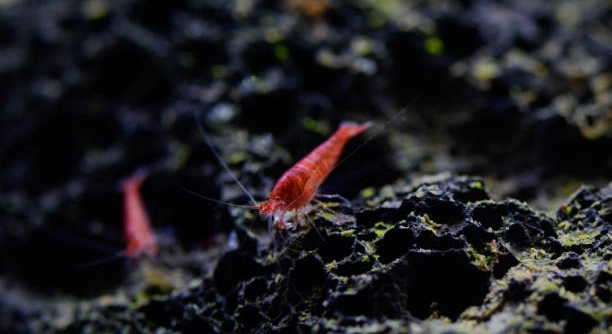
Do you ever notice your shrimp acting skittish or hiding more than usual in your tank? Many shrimp owners overlook the subtle ways their environment can affect these delicate creatures and their overall wellbeing.
Certain materials commonly used in aquariums, such as untreated wood, sharp gravel, rough decorations, metallic objects, chemically treated substrates, plastics that leach toxins, and poorly cured ceramics, can cause physical harm or stress responses in shrimp when improperly placed or maintained.
Knowing which materials to avoid and how to manage your tank setup can make a significant difference in your shrimp’s comfort and health.
Untreated Wood in the Aquarium
Untreated wood may look natural and appealing, but it can release tannins and acids that lower water pH suddenly, shocking your shrimp. Sharp edges on driftwood can also injure their delicate bodies. I’ve seen shrimp hide for hours after new wood was added without proper soaking. Boiling or soaking wood for several days can remove excess tannins and soften sharp surfaces. Even then, monitor your water parameters carefully. Certain types of wood, like oak or pine, are especially harsh and should be avoided. Many shrimp thrive with safer alternatives such as Indian almond leaves or driftwood labeled safe for aquariums. Observing your shrimp’s behavior after adding wood can reveal subtle stress signs, like reduced movement or antennae twitching. Maintaining a balance in décor and water chemistry ensures your shrimp remain active and healthy while enjoying a visually interesting tank.
Proper preparation of wood helps prevent pH swings and physical injuries that may stress shrimp.
Taking a little time to treat the wood can save your shrimp from discomfort and potential health issues later.
Sharp Gravel and Decorations
Sharp gravel or jagged ornaments can cause cuts and abrasions on shrimp bodies.
Even small scratches may become infected, making shrimp lethargic or more prone to molting problems. Regularly check gravel surfaces for rough edges, and opt for smooth stones or sand. Polished river rocks or aquarium-safe substrates reduce injury risk while still providing a natural-looking tank. When rearranging decorations, gently lift items rather than dragging them across the substrate, which can create sharp edges or stress hiding shrimp. Observing your shrimp in newly decorated tanks often shows which spots they avoid due to discomfort. Some decorations, while attractive, may trap water or food, creating bacteria build-up that indirectly harms shrimp. Over time, rough surfaces may erode or chip, so periodic inspections are essential. Investing in safe materials and being mindful during tank maintenance keeps your shrimp healthier, calmer, and more active, allowing you to enjoy a thriving aquatic environment without unnecessary stress.
Metallic Objects
Metal items in the tank can leach harmful ions into the water, stressing shrimp and affecting molting. Avoid decorations or tools made from untreated metals.
Even small amounts of metals like copper or iron can be toxic to shrimp. I once added a decorative metal coil, thinking it was harmless. Within hours, my shrimp began hiding and reducing movement. Metals interfere with their exoskeleton formation during molting, weakening them over time. Some metal alloys appear rust-resistant but can still release harmful elements slowly. Testing water regularly after introducing any metallic item is important. Choosing non-metal decorations prevents unexpected health problems and ensures shrimp remain active and healthy. Simple substitutes, such as ceramic or resin items, achieve the same visual effect without risks.
Keeping metallic objects away is especially important in tanks with sensitive species. Even brief exposure can trigger stress responses, reduce feeding, and increase susceptibility to disease. Observing shrimp behavior after changes in the tank helps identify potential risks before serious harm occurs. For long-term safety, prioritize smooth, non-metal alternatives and monitor water chemistry consistently. Over time, a safe setup reduces stress, encourages natural activity, and supports successful molting cycles. Avoiding metals altogether is an easy preventative step that protects shrimp health and keeps the aquarium stable.
Chemically Treated Substrates
Chemically treated substrates may look vibrant, but they can alter water chemistry or release toxins. Shrimp exposed to these changes can become stressed or sick.
Many substrates are coated to prevent algae or discoloration, but chemicals leach slowly over time. I once added a brightly colored substrate labeled “aquarium safe,” only to notice shrimp avoiding the area and reducing movement. The sudden change in pH and introduction of unknown compounds stressed them for days. Even after removing the substrate, recovery took time. Using natural, untreated sand or fine gravel avoids these risks. Treatments meant for plant growth may also introduce nutrients that imbalance the tank and encourage harmful algae. Regular water testing and gradual acclimation help prevent chemical shocks. Choosing neutral, untreated substrates creates a safe environment and supports shrimp health.
Plastics That Leach Toxins
Some plastic decorations and fittings can release chemicals into the water, stressing shrimp. Avoid cheap or uncertified plastics in your tank.
Even small amounts of plasticizers or dyes can affect shrimp behavior. I noticed my shrimp hiding more after introducing a colorful plastic ornament. Choosing high-quality, aquarium-safe plastics helps maintain water quality and shrimp health.
Poorly Cured Ceramics
Ceramics that are not fully fired or glazed may release harmful substances. Uncured ceramics can change water pH or leach minerals toxic to shrimp.
It’s important to verify that ceramic decorations are labeled safe for aquariums. I once added an unglazed piece, and shrimp activity dropped noticeably. Fully cured ceramics avoid chemical contamination, support stable water conditions, and prevent stress, ensuring your shrimp stay healthy and active.
Rough Decorations
Rough decorations can scratch shrimp and cause stress. Avoid items with sharp edges or uneven surfaces that may injure delicate bodies.
Even minor abrasions from rough décor can lead to infections or molting problems. Smoother alternatives reduce physical risk and keep shrimp comfortable.
FAQ
What are the most common materials that stress shrimp in a tank?
The materials most likely to stress shrimp include untreated wood, sharp gravel, metallic objects, chemically treated substrates, plastics that leach toxins, and poorly cured or rough ceramics. Each of these items can either physically harm shrimp or alter water chemistry, leading to stress. I’ve observed shrimp hiding and reducing activity when exposed to any of these materials, even for a short time.
How can untreated wood affect shrimp?
Untreated wood can release tannins and acids into the water, which may cause sudden drops in pH. Sharp edges can also injure shrimp’s delicate bodies. Soaking or boiling the wood before adding it to the tank reduces tannin levels and smooths rough surfaces, minimizing the stress caused by both chemical and physical factors.
Are metallic objects always harmful to shrimp?
Metals like copper, iron, or alloys can leach ions into the water that are toxic to shrimp. Even small exposure can disrupt molting and reduce activity. Some items may appear rust-resistant but still release harmful substances over time. Observing shrimp behavior after introducing metal items helps identify potential problems early.
Why are chemically treated substrates risky?
Many substrates are coated or treated to prevent algae or improve plant growth. Chemicals can slowly leach into the water, altering pH, introducing toxins, or encouraging bacterial overgrowth. Shrimp may avoid treated areas or become stressed due to the subtle changes in their environment. Using untreated sand or gravel is a safer choice.
Can plastics really harm shrimp?
Yes, some plastics release plasticizers, dyes, or other chemicals into the water. These toxins can affect shrimp behavior and health, causing hiding, lethargy, or molting difficulties. Choosing certified aquarium-safe plastics or resin decorations prevents exposure to these harmful substances and keeps shrimp active and stress-free.
What makes poorly cured ceramics unsafe?
Ceramics that are not fully fired or glazed may leach minerals or other substances that affect water quality. This can cause stress or even harm shrimp over time. Fully cured ceramics labeled as aquarium-safe maintain stable water chemistry and prevent chemical exposure.
How do rough or sharp decorations affect shrimp?
Rough surfaces or jagged decorations can scratch shrimp, leading to infections, molting problems, and stress. Smooth stones, polished rocks, or sand reduce the risk of physical injury and help shrimp feel more comfortable in their habitat.
How can I test if a material is safe for shrimp?
Before adding anything new, soak it in water for a few days and test water parameters like pH, hardness, and ammonia. Observe shrimp behavior closely after introducing the item. If shrimp hide, reduce activity, or show unusual behavior, the material may not be suitable.
Is it okay to mix different types of materials in one tank?
Yes, but only if each item is safe and prepared properly. Avoid untreated metals or plastics, sharp or rough surfaces, and chemically treated items. A mix of safe wood, smooth stones, and cured ceramics provides variety without compromising shrimp health.
How often should I monitor my tank after adding new decorations?
Check water parameters daily for at least a week after adding any new materials. Observe shrimp behavior and movement to catch early signs of stress. Timely intervention can prevent serious problems and ensure a stable environment for your shrimp.
Can stress from materials affect shrimp long-term?
Chronic stress can weaken shrimp immune systems, interfere with molting, reduce breeding success, and shorten lifespan. Avoiding risky materials and maintaining stable water conditions supports their health and allows shrimp to thrive over time.
Are there any materials completely safe for all shrimp species?
While nothing is 100% risk-free, natural, untreated wood, polished stones, fully cured ceramics, and aquarium-safe plastics are generally safe when prepared properly. Monitoring behavior and water chemistry is always important, as individual species may have slightly different sensitivities.
What should I do if I notice stress after adding a material?
Remove the new item immediately and perform a partial water change. Observe shrimp closely for injuries or behavioral changes. Adjust water parameters if necessary. Allow recovery time before reintroducing any new materials, and choose safer alternatives next time.
Can substrate choice alone reduce shrimp stress?
Yes, using smooth, untreated substrates like fine sand or polished gravel minimizes physical harm and avoids chemical leaching. Proper substrate can make a significant difference in shrimp comfort, especially during molting or active periods.
How do I prevent stress from accumulating over time?
Regular maintenance, careful selection of decorations, avoiding toxic or sharp materials, and consistent monitoring of water quality all contribute to reducing long-term stress. Gradual introduction of new items and observing shrimp behavior ensures a stable, safe environment.
What signs indicate that shrimp are stressed due to tank materials?
Shrimp may hide frequently, stop feeding, show slower movement, or have trouble molting. Physical injuries like scratches or damaged antennae are clear indicators. Observing these signs promptly allows you to address the issue before it affects overall health.
Can I combine wood, ceramics, and stones safely?
Yes, if all materials are safe and prepared properly. Ensure no untreated metals or rough surfaces are included. A combination of safe wood, smooth stones, and fully cured ceramics creates variety without causing stress. Regular monitoring ensures continued safety for your shrimp.
Do all shrimp react the same way to risky materials?
Different species may have varying sensitivities. Some are more tolerant of minor chemical changes or rough surfaces, while others hide immediately. Observing your specific shrimp’s behavior is essential to understanding what they can safely tolerate.
How long should materials be soaked before adding them to a tank?
Soaking times vary by material. Wood typically needs several days, sometimes boiling first. Ceramics and stones may need a few hours to stabilize. Always check water parameters before introducing the items to ensure they do not alter pH or hardness unexpectedly.
Is it worth replacing old tank decorations regularly?
Yes, over time, even safe materials can degrade or leach substances. Replacing old or damaged items reduces the risk of stress, injury, or chemical exposure. Inspecting decorations periodically keeps the tank safe and maintains shrimp health consistently.
How do I choose decorations for a stress-free tank?
Prioritize smooth, fully cured, and chemically neutral items. Avoid metals, rough surfaces, and untreated wood unless properly prepared. Observe shrimp behavior after each addition and monitor water chemistry to ensure the environment remains safe and stable.
Final Thoughts
Creating a safe and comfortable environment for shrimp requires careful attention to the materials used in their tank. Even items that look natural or decorative can pose risks if they are not prepared or chosen properly. Untreated wood, sharp gravel, metals, chemically treated substrates, plastics that leach toxins, and poorly cured ceramics all have the potential to cause stress or harm. Shrimp are sensitive creatures, and small changes in their surroundings can impact their behavior, molting cycles, and overall health. By selecting materials that are proven safe and taking steps to prepare them properly, you can reduce the likelihood of stress and create a more stable environment. This includes soaking wood to remove tannins, checking for sharp edges on gravel or decorations, and avoiding plastics or metals that are not labeled aquarium-safe. Observing shrimp behavior regularly will help you notice early signs of stress, allowing you to make adjustments before the problem worsens.
Maintaining water quality is equally important when considering tank materials. Even safe decorations can indirectly affect shrimp if they alter pH, hardness, or nutrient levels. For example, some woods release tannins that lower pH over time, while certain substrates may slowly leach minerals or chemicals. Testing water parameters regularly ensures that any changes caused by new materials are detected early. Shrimp are particularly vulnerable to sudden changes, so gradual introduction of new decorations or substrates is recommended. Additionally, smoothing or polishing rough surfaces, choosing fully cured ceramics, and removing metals or treated plastics altogether can prevent injuries and chemical stress. Over time, consistent care and attention to the materials in the tank allow shrimp to feel secure, move freely, and feed naturally, which is essential for their growth and reproduction. Small preventive steps go a long way in avoiding long-term health issues.
The right combination of safe materials and careful monitoring creates a tank where shrimp can thrive. By prioritizing smooth, untreated, and aquarium-certified items, you reduce the risk of injuries and exposure to harmful substances. Watching your shrimp closely and noticing even subtle changes in behavior helps maintain a healthy and stress-free environment. Remember that what may appear harmless to humans can be stressful or dangerous for shrimp. Regular tank maintenance, along with thoughtful material choices, ensures that your shrimp remain active and healthy. Over time, these practices help you establish a balanced and stable aquatic habitat that supports natural shrimp behavior, successful molting, and overall longevity. Keeping the tank safe and observing your shrimp’s reactions allows you to address potential issues before they become serious, making the aquarium a secure and comfortable place for them to live.

Hello,
If you enjoy the content that we create, please consider saying a "Thank You!" by leaving a tip.
Every little bit helps us continue crafting quality advice that supports the health, happiness, and well-being of pets around the world, for pets of all shapes, sizes, and species.
We really appreciate the kindness and support that you show us!