
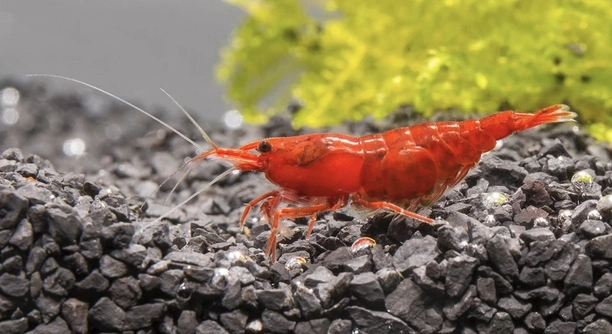
Cherry shrimp are popular freshwater aquarium pets, admired for their bright colors and active behavior. Many hobbyists enjoy observing them and maintaining their habitats, making them a delightful addition to home aquariums. Their small size adds to their charm.
Cherry shrimp cannot thrive in brackish water. Their physiology is adapted to strictly freshwater environments, and exposure to elevated salinity levels can cause stress, illness, or death. Maintaining proper freshwater conditions is essential for their long-term survival and health.
Understanding the limits of cherry shrimp’s environment helps ensure a healthy and vibrant aquarium. Proper care and knowledge make all the difference in their well-being.
Understanding Cherry Shrimp and Salinity
Cherry shrimp are small freshwater crustaceans that originate from streams and rivers with stable, low-salinity water. Their delicate physiology is designed to handle minimal fluctuations in water chemistry. Introducing them to brackish water, which contains higher salt concentrations, disrupts their osmotic balance. This can cause dehydration, stress, and eventual death if exposure continues. Their exoskeletons and gill structures are adapted specifically for freshwater, making sudden changes dangerous. Even slight increases in salinity can weaken their immune system, leaving them vulnerable to disease. Many shrimp owners assume they can tolerate some salt because other species do, but cherry shrimp are an exception. Tank conditions, including temperature, pH, and water hardness, must remain consistent for optimal health. Observing their behavior in freshwater, they are active, feeding often, and molting regularly, all indicators of proper conditions. A brackish environment disrupts this balance immediately, affecting growth, reproduction, and survival over time.
Maintaining freshwater conditions ensures cherry shrimp live longer, reproduce successfully, and display their vibrant colors fully.
Careful monitoring of water parameters is critical. Even small mistakes in salinity can lead to sudden health declines. By keeping water strictly freshwater, owners create a stable, safe environment.
Safe Alternatives for Slightly Salty Environments
Cherry shrimp are unsuitable for brackish tanks but can live with minimal mineral additions for water stability. Their tolerance is limited to trace minerals, not salt, which helps maintain their exoskeleton and supports molting. Adjusting water chemistry with calcium or magnesium supplements is safer than adding salt. Regular testing prevents accidental salinity increases and ensures they remain healthy. A balanced freshwater tank with plants, driftwood, and gentle filtration mimics their natural habitat more closely than brackish setups. Overcomplicating the environment with salt risks stress and mortality. Instead, focusing on consistent temperature, clean water, and proper nutrition yields more success. Breeding cherry shrimp in freshwater is achievable and far safer than attempting salt adaptation. These small adjustments allow them to thrive while still enhancing water quality and tank aesthetics.
Even minimal salinity changes can harm them. Maintaining freshwater is always the safest approach.
For long-term care, monitoring water quality and providing suitable decorations is crucial. Plants not only offer hiding spots but also stabilize water chemistry by absorbing nitrates. Driftwood releases beneficial tannins, slightly softening water without adding salt. A gentle filtration system prevents strong currents, which can stress shrimp, while maintaining clarity. Feeding should include high-quality shrimp pellets or blanched vegetables, providing necessary nutrients for molting and growth. Observing behavior and color is key; faded color or lethargy signals stress. Regular water changes prevent waste buildup and maintain chemical balance. Unlike brackish species, cherry shrimp thrive in consistent, low-stress environments. Their small size makes them sensitive to sudden changes, emphasizing the need for careful tank management. By combining stable freshwater conditions, proper nutrition, and environmental enrichment, these shrimp remain healthy, active, and vibrant. Long-term success relies on steady maintenance, not experimentation with salinity.
Signs of Stress in Cherry Shrimp
Stress in cherry shrimp often shows through changes in behavior and appearance. They may hide more frequently, stop eating, or lose their bright coloration. Molting problems and lethargy are also common indicators that the water conditions are unsuitable.
Behavioral changes like reduced movement or hiding indicate poor water quality or high salinity. Stress can suppress their immune system, making them prone to bacterial or fungal infections. Molting difficulties may arise, as a stressed shrimp struggles to shed its exoskeleton properly. Observing their daily activity, appetite, and color helps identify problems early. Quick adjustments to water parameters can prevent serious health issues.
Physical signs are equally important. Faded colors, clamped antennae, or abnormal swimming patterns point to environmental stress. Monitoring ammonia, nitrite, and pH levels regularly ensures that their freshwater habitat remains safe. Even minor changes in tank chemistry can trigger stress. Ensuring stable temperature, gentle filtration, and proper nutrition supports their overall health. Consistency in care is crucial for longevity and reproduction, as stressed shrimp may fail to breed or molt correctly.
Tips for Maintaining Freshwater Conditions
Maintaining freshwater conditions requires regular testing, consistent water changes, and careful observation of tank parameters. Avoid introducing salt or brackish water to prevent stress and mortality.
Testing water for pH, hardness, ammonia, nitrites, and nitrates is essential for keeping conditions stable. Frequent small water changes help maintain clarity and remove waste without shocking the shrimp. Equipment like heaters, filters, and thermometers should be properly calibrated and monitored. Adding live plants stabilizes water chemistry and provides hiding places, reducing stress. Avoid sudden chemical additions or treatments that could alter the tank’s balance. Proper feeding and avoiding overstocking are also key to maintaining a healthy freshwater environment for cherry shrimp.
Consistency is the most important factor in their care. Sudden fluctuations, whether in temperature, chemicals, or feeding, can stress or even kill shrimp. Observing their behavior and reacting quickly to changes keeps the environment safe. Using appropriate filtration and aeration ensures water remains clean without creating strong currents. Balancing minerals like calcium and magnesium supports healthy molting and shell development. Avoiding exposure to incompatible species or salt prevents unnecessary stress. By maintaining a stable, enriched freshwater tank, cherry shrimp can live longer, stay colorful, and reproduce successfully, showing their natural behaviors without risk from improper conditions.
Why Brackish Water is Harmful
Brackish water contains higher salt levels that cherry shrimp cannot tolerate. Exposure can cause dehydration, stress, and organ damage. Even brief contact with saltwater can negatively affect their health and shorten their lifespan significantly.
Salt disrupts the shrimp’s natural osmotic balance. Their bodies are adapted to freshwater, and sudden salinity changes can interfere with molting, feeding, and reproduction. Maintaining a strictly freshwater environment is essential for their survival and overall well-being.
Adjusting Water Parameters Safely
To keep cherry shrimp healthy, adjust water parameters gradually. Monitor pH, hardness, and temperature carefully. Small, slow changes help them adapt without stress or harm. Avoid adding salt or chemicals that alter their freshwater environment.
Monitoring Shrimp Health
Regular observation is key. Watch for color changes, inactivity, or unusual behavior. Immediate action prevents long-term damage and ensures the shrimp remain healthy and active.
FAQ
Can cherry shrimp survive in slightly brackish water?
Cherry shrimp cannot survive in brackish water, even at low salinity levels. Their physiology is designed strictly for freshwater, and exposure to salt stresses their gills and exoskeleton. Even small amounts of salt can lead to dehydration, molting issues, and weakened immunity. Maintaining purely freshwater conditions is essential for their health and longevity.
What happens if cherry shrimp are exposed to salt?
Salt exposure can cause immediate stress, lethargy, and color fading. Over time, it may lead to organ damage, difficulty molting, and increased susceptibility to bacterial or fungal infections. Their delicate balance of internal fluids cannot adjust to high salinity, which makes survival in brackish water unlikely.
Can cherry shrimp adapt to changing water parameters?
They can tolerate very small, gradual changes in pH, temperature, or hardness, but salt concentration is different. Even slow increases in salinity are harmful. Cherry shrimp need stable freshwater conditions to thrive. Adjustments in water chemistry should focus on safe minerals like calcium and magnesium, not salt.
Are there any shrimp that can live in brackish water?
Yes, some shrimp species are adapted to brackish water, such as Amano shrimp or ghost shrimp. These species have physiology that tolerates moderate salt levels. Cherry shrimp, however, are strictly freshwater and cannot safely live alongside brackish-adapted species without risk of stress or death.
How can I tell if my cherry shrimp is stressed?
Stress signs include hiding excessively, loss of color, decreased activity, refusal to eat, and difficulty molting. They may also swim erratically or cling to surfaces unusually. Monitoring their daily behavior and appearance is crucial for early intervention and maintaining a healthy environment.
What is the best way to maintain a healthy freshwater environment?
Regular water testing for pH, ammonia, nitrites, nitrates, and hardness is essential. Perform small, consistent water changes and provide gentle filtration to avoid strong currents. Live plants and driftwood stabilize water chemistry naturally. Avoid introducing salt or chemicals that could alter the freshwater balance.
Can cherry shrimp breed in freshwater tanks?
Yes, they can breed successfully in stable freshwater conditions. Proper care includes clean water, balanced nutrition, and plenty of hiding spots for the young. Stress, poor water quality, or exposure to salt will inhibit breeding and may harm both adult and juvenile shrimp.
How often should I change the water?
Water changes should be small but frequent, usually 10-20% weekly. Large changes can shock the shrimp. Consistency is more important than the size of the change. This approach keeps water chemistry stable and helps maintain shrimp health.
Is it safe to mix cherry shrimp with brackish species?
No, mixing cherry shrimp with brackish species is unsafe. Even minimal salinity in the tank harms cherry shrimp. Keeping them with compatible freshwater species ensures their survival and prevents stress-related health issues.
Can temperature fluctuations affect cherry shrimp?
Yes, sudden temperature changes cause stress and reduce immunity. Stable temperatures within their preferred range (around 72-78°F) are crucial. Gradual adjustments are safe if necessary, but extremes can harm or kill shrimp.
What are common mistakes that harm cherry shrimp?
Common mistakes include adding salt, overfeeding, poor water testing, sudden chemical additions, and housing them with incompatible species. Inconsistent maintenance or ignoring early stress signs also leads to illness or death. Careful attention to their freshwater needs is essential.
Can cherry shrimp recover from mild stress?
Yes, if detected early. Adjusting water parameters, maintaining consistent temperature, and providing clean water with adequate hiding spots can allow them to recover. Prolonged exposure to poor conditions, especially salinity, may be irreversible.
Do cherry shrimp need special minerals in freshwater?
They benefit from calcium and magnesium for healthy exoskeletons and molting. These minerals can be supplemented without increasing salinity. Avoid salt or other brackish additives, which are harmful to their delicate system.
How do I safely introduce new shrimp?
Quarantine new shrimp in freshwater before adding them to the main tank. This ensures they are healthy and prevents disease spread. Never acclimate them to brackish conditions, as cherry shrimp cannot tolerate salt even temporarily.
Can cherry shrimp survive in tap water?
Tap water can be suitable if dechlorinated and adjusted for pH and hardness. Chlorine or chloramine must be removed, and minerals balanced to support molting and overall health. Direct use without treatment is unsafe.
What is the lifespan of cherry shrimp in proper freshwater conditions?
With consistent freshwater conditions, good nutrition, and stable water parameters, cherry shrimp can live up to two years. Stress, poor water quality, or exposure to salt can shorten their lifespan significantly.
How do I maintain proper filtration for cherry shrimp?
Use gentle sponge filters or low-flow filtration to avoid strong currents that stress shrimp. Filters maintain water clarity, remove debris, and help balance chemical parameters without disturbing the shrimp or their habitat.
Is hiding space important for cherry shrimp?
Yes, hiding spaces like plants, rocks, or driftwood reduce stress, especially during molting. Shrimp use these areas to feel secure and protect themselves from potential threats, even in a peaceful freshwater tank.
How often should I feed cherry shrimp?
Feed small amounts once or twice daily. Overfeeding pollutes water and causes stress. Include high-quality shrimp pellets or blanched vegetables. Observing consumption ensures they receive enough nutrition without compromising water quality.
Can cherry shrimp tolerate hard or soft water?
They adapt to a range of freshwater hardness, but extremes can cause stress or molting issues. Slightly soft to moderately hard water with stable pH is ideal. Avoid sudden hardness changes or adding salts that mimic brackish conditions.
What should I do if my shrimp show molting problems?
Molting issues often indicate poor water quality, lack of minerals, or stress. Ensure proper calcium levels, stable water parameters, and hiding spaces. Correcting these factors can prevent fatal complications during the molting process.
Are cherry shrimp sensitive to chemicals in the tank?
Yes, they are highly sensitive to medications, cleaning agents, and chemicals. Only use treatments designed for freshwater shrimp and avoid products that raise salinity or alter pH abruptly. Even mild chemical exposure can be harmful.
Can cherry shrimp live with fish?
They can coexist with small, non-aggressive freshwater fish. Avoid large or predatory species that may eat them. Shrimp require hiding spaces to avoid stress or predation, ensuring they thrive alongside compatible tank mates.
How do I prevent disease in cherry shrimp?
Maintain clean, stable freshwater conditions, provide proper nutrition, and avoid overcrowding. Quarantine new additions and monitor health regularly. Preventing stress and maintaining consistent water chemistry reduces the likelihood of bacterial or fungal infections.
What is the role of plants in a cherry shrimp tank?
Plants provide hiding spaces, food sources, and stabilize water chemistry. They absorb nitrates, soften water slightly, and reduce stress, contributing to a safer and more natural freshwater environment for shrimp.
Can I use aquarium salt safely?
No, adding aquarium salt is not safe for cherry shrimp. Even small amounts can harm them. Only minerals that do not increase salinity, like calcium or magnesium, should be used to support molting and exoskeleton health.
How important is observation in shrimp care?
Observation is critical. Regularly checking behavior, color, and activity allows early detection of stress, illness, or environmental problems. Quick responses prevent serious health issues and maintain a thriving freshwater habitat.
Can cherry shrimp live in community tanks?
Yes, if other species are small, peaceful, and freshwater-compatible. Avoid brackish or aggressive species. Adequate hiding spaces, proper feeding, and stable water conditions ensure shrimp remain healthy in a community setup.
Are cherry shrimp suitable for beginners?
Yes, they are hardy in freshwater conditions but require attention to water quality and consistency. Beginners must avoid introducing salt or brackish conditions and monitor parameters regularly for long-term success.
Can cherry shrimp tolerate low oxygen levels?
No, low oxygen stresses shrimp and increases mortality risk. Proper aeration, plants, and gentle water movement maintain oxygen levels, supporting health and activity.
What is the best substrate for cherry shrimp?
Fine gravel, sand, or specialized shrimp substrates work best. Substrates support plant growth, provide hiding spaces, and help maintain stable water chemistry without introducing salt.
How do I acclimate new shrimp to my tank?
Float the bag in the tank to equalize temperature, then slowly mix tank water over one to two hours. Never introduce them directly into brackish or chemically altered water, as sudden changes can be fatal.
Can cherry shrimp tolerate fluctuating light levels?
They prefer consistent light cycles. Too much light increases algae growth, while sudden darkness or high-intensity lighting can stress shrimp. Balance natural or artificial light with periods of shade for comfort.
Is it normal for shrimp to die occasionally?
Some deaths are natural, especially with older shrimp. Frequent or sudden deaths often indicate water issues, stress, or disease. Monitoring water quality and behavior helps prevent excessive loss.
How do I manage breeding in a freshwater tank?
Maintain stable freshwater conditions, provide plants for shelter, and ensure proper nutrition. Stress-free environments increase survival rates of both adults and juveniles, while preventing disease and molting problems.
Can cherry shrimp survive without plants?
They can survive, but plants enhance health by offering shelter, improving water quality, and providing surfaces for biofilm growth, which shrimp feed on. Tanks without plants may increase stress and reduce breeding success.
What is the effect of overfeeding?
Overfeeding pollutes water, leading to ammonia spikes, stress, and disease. Feed small portions and remove uneaten food to maintain water quality and prevent harm to shrimp.
How important is tank size for cherry shrimp?
Smaller tanks require more frequent maintenance due to faster water quality changes. Larger tanks offer stable conditions, more hiding spaces, and reduced stress. Proper size ensures healthier, longer-living shrimp.
Can cherry shrimp tolerate tap water additives?
Only dechlorinated water and safe mineral supplements are acceptable. Avoid products that increase salinity, pH dramatically, or contain harmful chemicals. Improper additives can lead to stress or death.
What is the ideal temperature range?
Cherry shrimp thrive between 72-78°F. Sudden fluctuations outside this range cause stress, reduce immunity, and can be fatal. Maintaining steady temperature supports activity, feeding, and reproduction.
Can cherry shrimp survive in a filtered or unfiltered tank?
Filtered tanks with gentle flow are ideal, maintaining water clarity and chemical balance. Unfiltered tanks require frequent water changes and careful monitoring to prevent buildup of harmful compounds.
Do cherry shrimp need hiding spots for molting?
Yes, hiding spaces are critical during molting. Shrimp are vulnerable during this time, and plants, rocks, or driftwood reduce stress and prevent predation or injury.
Is water hardness important for cherry shrimp?
Moderate hardness is beneficial, supporting exoskeleton development and molting. Sudden changes or extreme hardness can stress shrimp and cause health issues. Monitoring hardness ensures proper growth and vitality.
How do I prevent ammonia spikes?
Regular water changes, avoiding overfeeding, proper filtration, and careful stocking density prevent ammonia buildup. Stable freshwater conditions minimize stress and maintain shrimp health.
Can cherry shrimp live with snails?
Yes, most freshwater snails are compatible. They help clean algae and detritus without harming shrimp. Avoid aggressive or large snail species that could compete for food or space.
Are shrimp-safe medications available?
Yes, but they must be designed for freshwater shrimp. Avoid general fish medications containing copper or salt, as these are toxic to cherry shrimp. Always read labels carefully.
Do cherry shrimp require aeration?
Yes, gentle aeration ensures oxygen levels remain sufficient. Plants help naturally, but air stones or sponge filters support active and healthy shrimp.
Can cherry shrimp survive in filtered tap water?
Yes, if it is dechlorinated and mineral-balanced. Proper filtration maintains water quality, prevents harmful chemical buildup, and ensures a stable freshwater environment.
How do I handle molting failures?
Address water quality, provide hiding spots, and supplement calcium or magnesium. Stress-free conditions support successful molting and reduce mortality during this vulnerable stage.
Can cherry shrimp live without substrate?
Yes, but substrate supports plant growth, hides waste, and provides surfaces for biofilm. It improves overall health, reduces stress, and encourages natural behaviors like grazing.
Is overstocking harmful?
Yes, overcrowding increases waste, stress, and disease risk. Adequate space is essential for feeding, hiding, and breeding. Overstocking quickly destabilizes water quality in freshwater tanks.
Can cherry shrimp tolerate high nitrate levels?
No, high nitrate causes stress, molting issues, and reduced lifespan. Regular water changes and plants help keep nitrate levels safe.
Do cherry shrimp need special lighting?
They do not require intense lighting. Moderate, consistent light supports plant growth and normal shrimp behavior while minimizing stress and algae overgrowth.
Can cherry shrimp live with bettas?
They can coexist if bettas are calm and the tank has plenty of hiding spaces. Aggressive bettas may attack shrimp, so monitoring is essential.
What is the impact of sudden water changes?
Sudden changes shock shrimp, causing stress, molting problems, and potential death. Gradual, consistent water changes are always safer.
How do I acclimate shrimp to a new tank?
Float the bag to equalize temperature, then slowly mix small amounts of tank water over one to two hours. Avoid rapid changes to prevent stress or mortality.
Can cherry shrimp survive in cold water?
Cold water slows metabolism, feeding, and molting. Prolonged exposure below their ideal range (72-78°F) can cause stress or death. Maintaining stable temperature is essential for health.
How important is consistency in care?
Consistency in water quality, feeding, and observation is critical. Cherry shrimp are sensitive to sudden changes, and stable conditions ensure longevity, health, and successful breeding.
Can cherry shrimp live in tanks without plants?
Yes, but they benefit from plants for shelter, biofilm growth, and water stabilization. Plant-free tanks increase stress and reduce overall health and reproduction success.
Do cherry shrimp need special foods?
They thrive on high-quality shrimp pellets, blanched vegetables, and occasional protein supplements. A balanced diet supports molting, coloration, and reproduction without harming water quality.
Can cherry shrimp survive with fluctuating pH?
No, sudden pH swings stress shrimp, affect molting, and increase mortality. Stable pH within a suitable range ensures healthy growth and breeding.
Is hiding space important for juveniles?
Yes, juveniles are vulnerable and need hiding spots to avoid stress, predation, and environmental fluctuations. Plants, rocks, and driftwood are essential.
How do I prevent fungus in shrimp tanks?
Maintain stable freshwater conditions, avoid overfeeding, provide hiding spaces, and quarantine new shrimp. Clean water and consistent care prevent fungal infections.
Can cherry shrimp live with crabs or crayfish?
No, most crabs and crayfish are predatory and will eat shrimp. Only small, peaceful freshwater species are safe tank mates.
Do cherry shrimp need decorations in the tank?
Yes, decorations provide hiding spots, surfaces for biofilm, and reduce stress. They improve water stability and encourage natural behaviors.
Can cherry shrimp survive if neglected?
Neglect, including poor water maintenance, overfeeding, or lack of observation, leads to stress, illness, and death. Consistent care is essential.
Are cherry shrimp sensitive to light and sound?
Yes, sudden intense light or vibrations can stress them. Moderate lighting and minimal disturbances support health and normal behavior.
How do I know if water is suitable?
Test for ammonia, nitrites, nitrates, pH, and hardness regularly. Stable freshwater parameters are key to shrimp survival and reproduction.
Can cherry shrimp live in tanks with fluctuating temperature and salinity?
No, both stress them severely. Temperature and salinity stability are essential for survival. Brackish conditions are fatal.
Cherry shrimp are delicate freshwater creatures that require specific care to thrive. Their bright colors and active behavior make them a popular choice for home aquariums, but their health depends entirely on maintaining proper water conditions. Unlike some other shrimp species, they cannot tolerate brackish water, as even small amounts of salt can disrupt their internal balance. Exposure to salinity can cause stress, molting problems, weakened immunity, and even death. Ensuring the water remains strictly freshwater is the most important step in keeping them healthy. Regular testing for pH, hardness, ammonia, nitrites, and nitrates is necessary to avoid harmful fluctuations. Small, frequent water changes and careful observation of their behavior help prevent long-term issues.
Maintaining a stable environment involves more than just water parameters. Temperature, filtration, and the presence of plants all contribute to their well-being. Cherry shrimp thrive in temperatures between 72-78°F, and sudden shifts can stress them significantly. Gentle filtration is preferred to avoid strong currents, which can inhibit movement or damage delicate bodies. Live plants provide shelter, surfaces for grazing, and help stabilize the water naturally. Driftwood and decorations also give them hiding spots, especially during molting when they are most vulnerable. Overfeeding should be avoided, as leftover food can pollute the water, leading to ammonia spikes and stress. Observing shrimp daily for changes in color, activity, or appetite allows early intervention and helps maintain long-term health.
Breeding cherry shrimp is possible in a stable freshwater tank, but stress and poor water conditions reduce success. Providing consistent care, adequate nutrition, and a safe environment ensures shrimp remain active, vibrant, and capable of reproducing. Even small mistakes, like adding salt or exposing them to incompatible species, can have serious consequences. By keeping conditions stable, maintaining proper water parameters, and providing suitable hiding spots and nutrition, cherry shrimp can live healthy lives and display their natural behaviors fully. Their delicate nature makes careful attention essential, but the effort pays off with a thriving, colorful, and active aquarium population.

Hello,
If you enjoy the content that we create, please consider saying a "Thank You!" by leaving a tip.
Every little bit helps us continue crafting quality advice that supports the health, happiness, and well-being of pets around the world, for pets of all shapes, sizes, and species.
We really appreciate the kindness and support that you show us!