
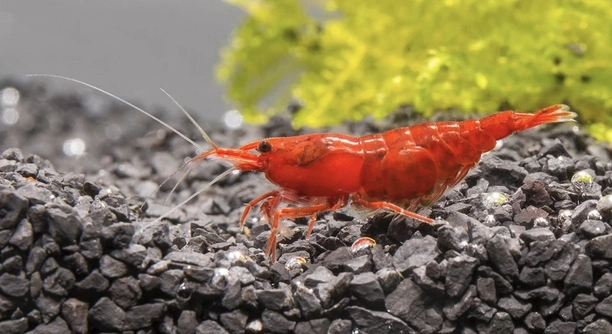
Cherry shrimp are small, delicate creatures that live in freshwater tanks. Their tiny bodies respond to changes in their environment, including the movement of other tankmates swimming nearby. Observing their behavior can be surprisingly insightful.
Cherry shrimp can sense tankmate movement through vibrations in the water. Their antennae detect changes in currents and disturbances, allowing them to react quickly to nearby fish or other shrimp. This sensory ability helps them navigate and stay safe.
Understanding how shrimp perceive their surroundings can improve tank management. Observing interactions and movement can lead to a healthier, more balanced aquarium environment.
How Cherry Shrimp Detect Movement
Cherry shrimp rely heavily on their antennae to detect changes around them. These tiny sensory organs pick up vibrations in the water caused by swimming tankmates, currents, or sudden movements. Their reactions can range from subtle fin flicks to quickly retreating into hiding spots. The sensitivity of shrimp is especially noticeable in community tanks with larger or more active species. Even minor disturbances, like a fish brushing past a plant, can trigger a response. Over time, shrimp seem to learn patterns in movement and may react more cautiously to certain tankmates. Observing their behavior can reveal which companions make them feel stressed and which allow for calmer activity. Properly spacing decorations and plants helps reduce unnecessary agitation. By paying attention to these signals, shrimp owners can create a safer, less stressful environment. Small adjustments in tank layout or stocking can make a big difference in their daily comfort and activity levels.
Their ability to detect vibrations is essential for survival, especially in tanks with multiple species.
Providing sufficient hiding spaces and maintaining calm water movement encourages natural behaviors. Observing interactions helps ensure shrimp remain healthy and comfortable, minimizing stress.
Tankmate Influence on Shrimp Behavior
Different tankmates affect shrimp differently depending on size and activity.
Some fish swim quickly and cause frequent disturbances, which can lead shrimp to hide for long periods. Shrimp may avoid open areas and stay close to plants or ornaments to feel secure. In contrast, smaller, slower-moving species allow shrimp to forage and move more freely without feeling threatened. Over time, shrimp may even anticipate patterns of movement and adjust their positions accordingly. Choosing compatible tankmates is key to maintaining a peaceful environment.
Shrimp respond to water vibration by retreating, freezing, or flicking their tails. They may temporarily stop feeding or exploring when tankmates are active nearby. Monitoring these responses helps gauge the level of stress and overall comfort in the aquarium. By carefully selecting companions and arranging tank elements to reduce sudden disturbances, owners can encourage natural shrimp behavior. Regular observation allows for adjustments that promote a balanced, calm habitat, ensuring shrimp remain active, healthy, and engaged with their surroundings without unnecessary stress.
Signs Shrimp React to Tankmate Movement
Shrimp often flick their tails, freeze, or dart into hiding when tankmates swim nearby. Their antennae constantly sense vibrations, making them aware of every movement in their vicinity. Small changes in water flow can trigger noticeable reactions.
These reactions are part of their natural survival instincts. Cherry shrimp rely on detecting vibrations to avoid potential threats. In community tanks, frequent disturbances can cause stress, limiting feeding and exploration. Even seemingly calm tankmates can create subtle currents that shrimp pick up. Observing these patterns helps identify which behaviors are typical and which indicate stress. Adjusting tank layout, providing hiding spots, and managing water movement can reduce unnecessary agitation and allow shrimp to maintain natural, relaxed activity.
Shrimp behavior can also change over time as they adapt to regular movements. They may become less reactive to familiar tankmates while remaining alert to sudden or unusual disturbances. Careful observation ensures their responses are healthy and not a sign of prolonged stress. Maintaining stable conditions supports overall shrimp well-being and encourages natural activity in the aquarium.
How Tank Setup Impacts Shrimp Sensitivity
Shrimp sensitivity increases in tanks with strong currents or minimal cover.
Dense plants, mosses, and decorations create calm zones where shrimp can retreat. Open, sparsely decorated tanks expose shrimp to constant vibrations, causing them to hide more often. Water movement from filters or frequent fish activity can further increase their alertness, making them less likely to forage openly. Properly arranging plants and ornaments helps diffuse currents, reducing stress and allowing shrimp to move naturally.
The placement of decorations and plants plays a key role in shrimp comfort. Hiding spots near feeding areas encourage exploration without fear. Filters should have gentle output, and currents should be minimized near main shrimp zones. Observing shrimp responses to different setups allows gradual improvements to the tank layout. Adjusting plant density and flow patterns helps create a stable environment where shrimp feel secure. This promotes healthy feeding habits, normal molting, and consistent activity, ensuring their well-being over time in a shared tank space.
Common Reactions to Fast-Moving Tankmates
Shrimp often retreat quickly or freeze when larger or faster tankmates swim nearby. Their antennae pick up vibrations, triggering defensive behavior. This response helps them avoid collisions and potential threats in the aquarium.
Frequent disturbances may lead shrimp to hide for longer periods. They tend to remain near plants or ornaments, avoiding open spaces where they feel vulnerable.
Water Flow and Shrimp Sensitivity
Strong water currents make shrimp more alert and reactive. Even small changes in flow can cause them to adjust positions, hide, or remain motionless. Gentle circulation allows them to explore and feed without constant stress. Careful placement of filters and decorations can reduce unnecessary agitation and create calm areas.
Observing Shrimp Behavior Patterns
Regular observation helps identify normal reactions versus stress indicators. Watching their responses over time provides insight into tankmate compatibility and overall comfort.
FAQ
Can cherry shrimp sense all types of tankmate movement?
Cherry shrimp primarily detect vibrations in the water through their antennae. Fast-swimming fish, large movements, and even minor water disturbances can be sensed. However, very slow or gentle movement may not trigger an immediate response. They react mostly to changes that suggest potential danger or disruption. Over time, shrimp can distinguish between frequent harmless movement and unexpected disturbances, adapting their behavior accordingly. This sensory ability is crucial for their survival and helps them navigate a shared aquarium without constant risk.
Do shrimp get stressed by active tankmates?
Yes, cherry shrimp can experience stress from active or larger tankmates. Constant vibrations or frequent collisions make them hide more often and reduce feeding and exploration. Stress can affect molting cycles and overall health. Providing plenty of plants, moss, and hiding areas reduces tension and allows shrimp to feel safer while interacting naturally with their environment. Even small adjustments, like rearranging decorations or slowing water flow, can make a noticeable difference.
How can I tell if my shrimp are reacting to tankmate movement?
Observing shrimp behavior is key. Common signs include tail flicking, freezing, hiding, or darting suddenly. Shrimp may avoid open areas, staying close to plants and rocks for security. Consistent reactions to specific tankmates indicate sensitivity to movement. Monitoring these behaviors helps determine which species or tank setups create stress. Noticing gradual changes, like less activity over time, can signal the need for environmental adjustments.
Are all shrimp equally sensitive to movement?
Sensitivity can vary depending on the shrimp species and individual temperament. Cherry shrimp are generally responsive due to their small size and delicate bodies. Younger shrimp or newly introduced individuals may be more cautious. Environmental factors like water flow, tank layout, and presence of hiding spaces also influence how shrimp perceive and respond to movement. Observing each shrimp over time provides insight into their personal comfort levels and helps optimize tank conditions.
Can shrimp adapt to frequent tankmate movement?
To some extent, yes. Shrimp may become accustomed to regular, non-threatening movements, showing less dramatic reactions over time. Adaptation depends on the level of disturbance and availability of safe spaces. Even when adapted, sudden or aggressive movement can still trigger defensive behaviors. Providing a stable environment, including consistent water conditions and strategically placed plants, allows shrimp to adjust without prolonged stress.
Do shrimp respond differently to large versus small tankmates?
Large, fast-moving tankmates tend to trigger stronger reactions, like hiding or tail flicking, because they create more noticeable water vibrations. Smaller, calmer species usually cause minimal disturbance, allowing shrimp to move freely. Understanding these dynamics helps in choosing compatible tankmates, arranging decorations, and maintaining stress-free zones where shrimp can feed and explore safely.
Does tank decoration affect shrimp sensitivity to movement?
Yes, decorations, plants, and moss can absorb and reduce vibrations, giving shrimp areas to hide and feel safe. Open tanks without cover expose them to continuous disturbances. Proper placement of ornaments, plants, and hiding spots ensures shrimp have control over when and where they respond to movement, creating a calmer and healthier environment.
Is water flow a factor in shrimp reactions?
Strong water flow increases shrimp alertness and sensitivity to tankmate movement. Gentle, controlled flow allows them to explore naturally. Adjusting filter output and using plants to diffuse currents reduces stress. Balancing water circulation ensures shrimp can move, feed, and interact comfortably without constant defensive reactions.
Can observing shrimp behavior improve tank management?
Absolutely. Watching how shrimp respond to tankmates, water flow, and layout informs better tank management decisions. Adjusting tankmate combinations, decorations, and current patterns based on shrimp reactions promotes healthy behavior, reduces stress, and supports overall well-being. Over time, careful observation allows owners to fine-tune conditions for a balanced, peaceful aquarium.
Do shrimp need hiding spots even if tankmates are calm?
Yes, hiding spots are important regardless of tankmate behavior. Shrimp naturally seek shelter during molting and when exploring new areas. Providing plants, moss, and ornaments ensures safety, reduces stress, and encourages normal activity patterns. Hiding areas also help shrimp recover from brief disturbances and maintain consistent feeding and movement habits.
Can shrimp ignore tankmate movement entirely?
They rarely ignore movement completely. Even when comfortable, shrimp remain alert to vibrations. Familiar, non-threatening tankmates may cause minimal response, but sudden or unusual disturbances will still trigger defensive actions. Their constant awareness is a survival mechanism, helping them stay safe in a shared environment.
How do I know if shrimp stress is affecting their health?
Signs include reduced feeding, limited movement, prolonged hiding, delayed molting, or visible physical changes. Regular observation of shrimp behavior, combined with stable water parameters and sufficient hiding spaces, helps prevent stress-related health issues. Addressing sources of constant disturbance ensures shrimp remain active, healthy, and resilient.
What can be done to minimize shrimp stress from tankmate movement?
Provide dense plants and hiding areas, control water flow, and choose compatible, calm tankmates. Observe shrimp behavior and make adjustments gradually. Rearranging decorations or slowing filter output can reduce unnecessary vibrations. Creating a stable, predictable environment encourages natural behavior and supports long-term shrimp well-being.
Cherry shrimp are small but highly sensitive creatures that react to their surroundings in ways that are easy to observe if you pay attention. Their antennae allow them to sense vibrations and movements in the water, which is how they respond to tankmates swimming nearby. Even subtle disturbances can trigger them to hide, flick their tails, or pause in place, and these reactions are all part of their natural behavior. Providing an environment that balances activity and safety is essential for their health. Proper tank layout, including plants, moss, and decorations, gives them places to retreat while still allowing them to explore and feed. Observing how shrimp interact with tankmates over time can reveal patterns in behavior and help identify which species or movements are causing unnecessary stress.
Tankmates play a significant role in how shrimp experience their habitat. Active or larger fish can create frequent vibrations that shrimp are quick to notice. This can lead to increased hiding and reduced activity if the tank is not arranged thoughtfully. Choosing compatible tankmates is an important consideration, as it directly affects shrimp comfort. Even slow-moving or small fish can impact shrimp if they disturb water currents too much. Adjusting water flow and placing decorations to diffuse movement helps shrimp feel more secure. By carefully observing reactions and making small changes, shrimp can live in a calmer, more balanced environment where their natural behaviors are supported.
Understanding shrimp behavior also helps improve overall tank management. Stress from constant movement or vibrations can affect feeding, molting, and growth, so creating a stable environment is key. Providing hiding spots, gentle water flow, and compatible companions ensures that shrimp remain healthy and active. Regular observation allows owners to spot early signs of stress and make adjustments before problems escalate. Over time, shrimp may even adapt to familiar movements, showing less extreme reactions to consistent tankmates while remaining alert to sudden disturbances. Taking these factors into account makes for a harmonious aquarium where shrimp thrive, maintain natural behaviors, and remain resilient in a shared habitat.

Hello,
If you enjoy the content that we create, please consider saying a "Thank You!" by leaving a tip.
Every little bit helps us continue crafting quality advice that supports the health, happiness, and well-being of pets around the world, for pets of all shapes, sizes, and species.
We really appreciate the kindness and support that you show us!