
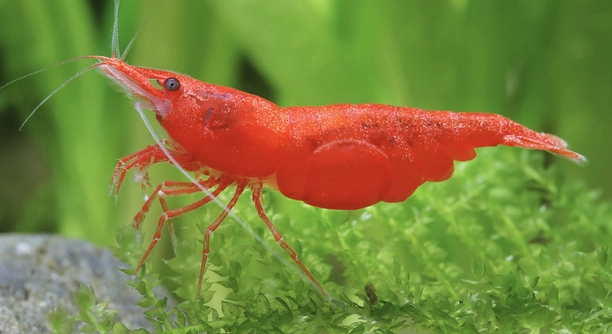
Have you ever noticed shrimp moving quietly around your aquarium or pond, seemingly searching for something? Observing these small creatures can reveal surprising behaviors, especially when it comes to where they choose to lay their eggs. Their habits are often hidden yet fascinating.
Shrimp prefer to lay eggs in sheltered, concealed locations that provide protection from predators and environmental fluctuations. Common sites include under rocks, inside dense aquatic plants, beneath driftwood, or within crevices that offer stability and safety for egg development.
Knowing where shrimp hide their eggs can help you maintain a healthier environment for them and better understand their natural behaviors. This insight is useful for hobbyists and researchers alike.
Under Rocks and Crevices
Shrimp often seek solid surfaces like rocks and small crevices to lay their eggs. These areas provide physical protection, keeping eggs safe from strong currents and potential predators. When I first observed my own aquarium, I noticed tiny shrimp constantly inspecting the undersides of flat stones. They would carefully wedge themselves into narrow gaps, sometimes disappearing for hours. This behavior is instinctive, ensuring that eggs remain secure and stable until hatching. Even in natural ponds, shrimp favor areas with uneven terrain where they can tuck their eggs away. By providing rocks of different sizes and shapes, you can encourage shrimp to select these safe spots, which reduces stress and increases the likelihood of successful reproduction. It’s fascinating how such small creatures can instinctively find the safest microhabitats, highlighting their adaptability and survival instincts.
Shrimp favor these locations because they offer shelter and a stable environment, protecting eggs from sudden disturbances or aggressive tank mates.
Observing these protective behaviors shows how shrimp interact with their surroundings. Rocks and crevices not only provide safety but also influence how shrimp explore and navigate their space. Over time, these small hiding spots become central to their routine, shaping social interactions and egg-laying patterns within the tank. Providing such features can also make your aquarium more dynamic, giving shrimp areas to retreat, molt, or forage. This simple adjustment often results in healthier, more active shrimp populations, with increased egg survival and less stress in confined habitats.
Dense Aquatic Plants
Shrimp commonly deposit eggs within dense clusters of aquatic plants. These plants offer both concealment and a steady flow of water, essential for oxygenating developing eggs.
Thick plant growth encourages natural egg-laying habits, mimicking their preferred environments.
Plant-covered areas provide multiple advantages beyond hiding eggs. The dense leaves slow down water currents, preventing eggs from drifting away while also offering surfaces where eggs can attach securely. Shrimp use these natural structures to anchor eggs, reducing accidental displacement. Additionally, plants supply microhabitats for tiny microorganisms, which later become a first food source for newly hatched shrimp. In aquariums, adding fine-leaved plants like Java moss or Anubias can replicate this protective environment, making it easier to maintain stable populations. Over time, shrimp become more confident exploring and depositing eggs in these areas. By understanding this behavior, caretakers can ensure both egg survival and the overall health of shrimp, supporting a balanced ecosystem within a tank or pond.
Beneath Driftwood
Shrimp often lay eggs under pieces of driftwood. The shaded and stable surfaces provide protection, helping eggs stay hidden from predators and avoiding direct light, which can stress developing embryos.
The texture of driftwood gives shrimp something to cling to, and the small gaps between pieces create natural shelters. I noticed in my tank that shrimp repeatedly explored the undersides of driftwood, carefully placing their eggs in tiny crevices. These spots mimic conditions found in natural ponds, where driftwood or fallen branches offer safety and stability. Eggs benefit from reduced water movement, which prevents them from being washed away. Driftwood also slowly releases tannins, slightly softening water and making the environment more comfortable for shrimp, encouraging natural behaviors.
Eggs laid beneath driftwood often have higher survival rates. The combination of protection, minimal disturbance, and oxygen flow around the wood creates a small microhabitat where shrimp feel secure and confident laying eggs regularly.
Inside PVC Pipes or Tubes
Shrimp frequently use PVC pipes or similar tubes as egg-laying spots. These narrow, enclosed spaces replicate natural crevices while providing stable shelter.
Artificial tubes in aquariums make it easier for shrimp to find a safe area. In my experience, placing small PVC pieces in the tank resulted in shrimp exploring them repeatedly, often retreating inside for hours. Tubes give eggs a consistent, shaded environment, reducing stress and preventing accidental displacement by water currents. They are particularly useful in tanks with active or larger tank mates, as eggs remain hidden and protected.
The enclosed space of a pipe also supports shrimp molting and resting behavior, making it a multipurpose habitat. Eggs stay secure, and shrimp feel comfortable exploring the tank. Over time, shrimp may develop favorite tubes, returning to the same spot repeatedly. PVC tubes provide a practical solution for controlled egg-laying while maintaining a natural-feeling environment. In addition, their smooth surfaces allow easy cleaning without disturbing eggs, which improves the overall management of shrimp populations in home aquariums.
Under Leaf Litter
Shrimp often lay eggs beneath layers of leaf litter in the substrate. The decomposing leaves provide both shelter and nutrients, creating a protective and slightly enriched environment for eggs to develop safely.
Leaf litter also softens the water slightly, which helps reduce stress and mimics natural habitats, encouraging shrimp to deposit eggs more frequently.
Inside Sponge Filters
Sponge filters are another preferred spot for shrimp egg-laying. The porous surfaces offer safe attachment points, and the gentle water flow ensures oxygen circulation without displacing eggs. In my tank, shrimp regularly explore and cling to these filters, carefully placing eggs in the protected nooks within the sponge material. This method combines safety with adequate aeration, making it ideal for controlled tank environments. Sponge filters also harbor micro-organisms that newly hatched shrimp can feed on, supporting early survival. Their accessibility allows caretakers to observe eggs without disturbing them, offering both protection and practicality for maintaining healthy shrimp populations.
Between Plant Roots
Shrimp frequently deposit eggs between dense plant roots. The tangled roots provide shelter, stability, and minimal water disturbance.
How can I tell if shrimp have laid eggs?
Shrimp carrying eggs are often called “berried shrimp” because their eggs cluster under the abdomen, forming a visible “berry-like” mass. In my tank, I noticed the shrimp slowing down and hiding more often when they carried eggs. The eggs may be green, yellow, or brown, depending on the species, and they are usually small and round. Observing shrimp closely during this period is important because they can be stressed easily. Eggs are fragile and can be dislodged by sudden movements or aggressive tank mates. Ensuring the shrimp have calm, sheltered spaces encourages them to carry eggs safely until they hatch.
How long does it take for shrimp eggs to hatch?
The time it takes for eggs to hatch depends on water temperature and species. On average, most freshwater shrimp eggs hatch within 2 to 4 weeks. Warmer temperatures generally speed up development, while cooler water slows it down. I learned that maintaining a stable temperature is critical because sudden fluctuations can delay hatching or harm the eggs. During this period, it’s essential to avoid moving or disturbing the tank excessively. Providing plenty of hiding spaces, such as moss, plants, or small crevices, ensures that both the adult shrimp and the eggs remain safe. Proper water quality, including stable pH and low ammonia, also supports healthy development.
Do shrimp need special food while carrying eggs?
Yes, shrimp benefit from nutrient-rich food when carrying eggs. High-quality microalgae, biofilm, or specialized shrimp pellets provide the extra nutrition needed for both the female and the developing eggs. I noticed my shrimp were more active and healthier when I supplemented their diet with finely powdered foods. Leaf litter and detritus also offer natural nutrients that support egg growth. Avoid overfeeding, as excess food can foul the water, stressing the shrimp and harming egg viability. Regular observation of eating habits helps ensure that the shrimp receive enough nutrients without compromising tank conditions. Proper diet improves hatching success and the health of newborn shrimp.
Can shrimp lose their eggs?
Yes, shrimp can lose eggs due to stress, water changes, or aggressive tank mates. I once lost a batch when I introduced a new fish that was too curious about the shrimp. Sudden temperature fluctuations or poor water quality can also cause females to drop eggs prematurely. Providing plenty of hiding spots and minimizing disturbances reduces this risk. In planted tanks, dense foliage and small shelters offer safety and prevent accidental egg loss. Monitoring shrimp behavior and maintaining a calm, stable environment is essential to protect the eggs until they hatch naturally.
Should I remove the eggs from the tank for safety?
It is generally better to leave eggs in the tank. Female shrimp protect and aerate the eggs naturally by fanning them with their pleopods. Removing them can stress both the female and the eggs. In my experience, letting the shrimp handle the eggs results in higher survival rates. Providing a safe environment with adequate hiding spots, stable water conditions, and gentle filtration is more effective than manual intervention. Only consider moving eggs in extreme cases, such as aggressive tank mates or water contamination, and even then, handle them very carefully to avoid damage.
What environmental factors affect shrimp egg survival?
Water quality, temperature, and current are the main factors. Ammonia, nitrite, and nitrate spikes can harm eggs, while fluctuating temperatures may slow development or kill them. Gentle water flow is important, as strong currents can wash eggs away. I make sure to monitor water parameters regularly and provide calm, well-aerated areas with shelter. Dense plants, moss, and small hiding spaces stabilize water movement and reduce stress. Consistent lighting and minimal disturbances also contribute to egg survival. By maintaining these conditions, shrimp eggs have a much higher chance of developing into healthy juveniles.
How can I increase hatching success in my tank?
Provide plenty of shelters, maintain stable water parameters, and offer nutrient-rich food. Observing shrimp behavior and minimizing disturbances makes a significant difference. I ensure shaded areas, moss, and leaf litter are available, which allows females to feel secure. Consistent temperature, low stress, and clean water promote healthy egg development. Avoid overcrowding and separate aggressive species if necessary. Monitoring the tank daily for signs of stress or disease further increases the likelihood of successful hatching. Supporting the female during this period is key because she is actively caring for the eggs.
What happens after the eggs hatch?
Once the eggs hatch, tiny shrimp larvae or miniature versions of adults emerge, depending on the species. In freshwater varieties, most hatchlings resemble adults and can feed on biofilm, microalgae, or finely powdered foods. I noticed my hatchlings immediately exploring moss and plant roots. Newly hatched shrimp are highly vulnerable, so maintaining plenty of cover is essential. They require stable water conditions and small spaces to hide from larger tank mates. Providing a consistent food source and calm environment ensures their growth and survival, gradually allowing them to develop into healthy adult shrimp capable of reproducing themselves.
Shrimp are small but fascinating creatures, and understanding where they like to lay eggs can make a big difference in maintaining a healthy tank or pond. Observing their habits helps provide the right environment for both adults and their developing eggs. Sheltered spots such as under rocks, inside dense plants, beneath driftwood, or in artificial tubes mimic their natural preferences and give eggs the protection they need. Even subtle changes in the tank, like adding moss or leaf litter, can encourage shrimp to lay eggs more confidently. When eggs are safely hidden, the female shrimp experience less stress, which in turn improves egg survival and supports the growth of future shrimp populations.
Creating a stable and safe environment goes beyond simply offering hiding spaces. Water quality is critical, as shrimp eggs are sensitive to changes in ammonia, nitrites, and pH levels. Maintaining a consistent temperature and gentle water flow reduces the risk of egg loss. Providing nutrient-rich food ensures the female has the energy needed to carry and care for her eggs. Observing shrimp behavior can also provide clues about their well-being. For instance, when a shrimp is carrying eggs, it may move more slowly, stay in sheltered areas, or spend time fanning the eggs to ensure proper oxygen flow. These small behaviors indicate the importance of a calm, supportive environment for successful reproduction.
Paying attention to these factors not only improves egg survival but also encourages natural shrimp behaviors, making a tank or pond more dynamic and interesting to watch. Each element—from hiding spots to plant roots and driftwood—plays a role in creating a suitable environment for shrimp to thrive. By understanding these preferences and making minor adjustments, caretakers can support the development of healthy shrimp populations while reducing stress for the adults. Ultimately, knowing where shrimp lay eggs and how to protect them is essential for anyone interested in keeping shrimp, whether for observation, breeding, or maintaining a balanced ecosystem. Proper care and observation lead to higher survival rates, healthier shrimp, and a more stable environment that benefits both the animals and the hobbyist alike.

Hello,
If you enjoy the content that we create, please consider saying a "Thank You!" by leaving a tip.
Every little bit helps us continue crafting quality advice that supports the health, happiness, and well-being of pets around the world, for pets of all shapes, sizes, and species.
We really appreciate the kindness and support that you show us!