
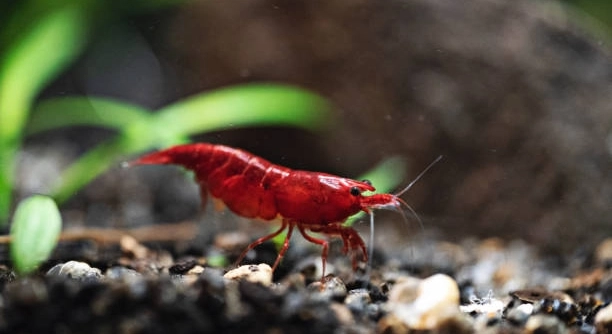
Have you ever noticed how shrimp move quickly around the tank or scavenge for food with surprising focus? These little creatures often go unnoticed, yet their behavior can be surprisingly complex and interesting to watch closely.
Shrimp display notable cognitive abilities, including problem-solving, learning from experience, and responding adaptively to their environment. Scientific studies indicate that their sensory and neural systems allow them to process information and react in ways previously underestimated.
Learning more about shrimp behavior reveals unexpected intelligence that can change how we view these small but capable creatures.
Shrimp Senses and Learning
Shrimp have more going on in their brains than most people assume. They can detect changes in light, water movement, and even tiny chemical signals. Watching them, I notice how quickly they respond to anything unfamiliar in their tank. Some experiments show shrimp can learn to avoid certain areas or follow simple patterns for food. Their memory might not be long-term like mammals, but it’s enough to help them adapt daily. Observing shrimp, I sometimes think they are quietly testing their environment, noticing risks, and remembering small details. Their eyes, which are on stalks, give them a nearly 360-degree view, helping them spot predators and food alike. Even tiny shrimp exhibit behaviors like grooming or exploring, which shows a level of awareness people rarely credit them with. These small actions demonstrate learning and responsiveness, suggesting shrimp are more capable than they appear.
Shrimp are able to remember experiences for short periods and modify their behavior based on what they’ve learned.
This adaptive learning helps shrimp survive in complex habitats. They notice repeated patterns, remember safe hiding spots, and react quickly when threatened. Over time, they can even anticipate certain events, like feeding times, showing their brains are constantly processing information. Observing them closely reveals subtle intelligence, as they balance caution with curiosity. Their sensory input, combined with learned behaviors, shows a surprising level of cognitive skill for such small creatures.
Social Behavior and Communication
Shrimp use body movements and color changes to communicate with each other.
They often interact in structured ways, like establishing territories or signaling danger. Some species form loose groups, coordinating movements while feeding or avoiding predators.
Shrimp interactions are subtle but meaningful. They use antennae to touch and sense nearby shrimp, helping identify each other and their intentions. In many species, dominance hierarchies form, where certain shrimp take priority for food or shelter. Some shrimp even cooperate in cleaning or mutual protection. Watching these interactions, I notice that aggression is rare but purposeful, often limited to defending space rather than constant conflict. Communication also includes chemical signals released into the water, allowing shrimp to share warnings without direct confrontation. These behaviors reveal social intelligence that many underestimate, showing shrimp can navigate relationships and respond appropriately to peers. Their ability to balance competition and cooperation highlights an unexpected level of behavioral complexity.
Problem-Solving Abilities
Shrimp can figure out simple challenges, like navigating mazes or avoiding traps. I’ve watched mine learn to find food even when obstacles are placed in their path. Their quick adjustments show they are not just reacting randomly but thinking through small problems.
In experiments, shrimp show the ability to remember solutions for short periods. When faced with a new maze or a change in food placement, they test different paths until they succeed. Over repeated trials, they improve their efficiency, suggesting learning and memory play a role in survival. Observing them in a tank, I notice how they avoid previous “danger zones” and target areas that worked before. This trial-and-error approach demonstrates a practical intelligence often overlooked. Their small brains still allow them to process sensory input and adapt strategies quickly.
Problem-solving is not just for mammals or birds. Shrimp demonstrate that even tiny creatures can use memory, pattern recognition, and adaptability to solve challenges. This makes them surprisingly capable in environments that require quick thinking and responses. Watching them work through obstacles reminds me how underestimated their abilities are, especially when compared to larger, seemingly smarter animals. Their actions reflect both instinct and learned strategies, showing a balance of natural ability and experiential knowledge.
Memory and Environmental Awareness
Shrimp remember key details about their surroundings and use them to navigate efficiently. I notice mine returning to favorite hiding spots or feeding zones without hesitation.
Their memory allows them to track food sources, avoid danger, and recognize safe shelters. Shrimp often respond to changes in water flow, light, or the presence of other animals, adjusting movements accordingly. Even in complex tanks, they quickly locate familiar areas and adapt to new obstacles. Short-term memory helps them remember which areas are risky and which are safe, while repeated exposure strengthens recognition of consistent patterns. Observing them, it’s clear they use memory to improve survival and daily efficiency, reacting with purpose rather than randomness.
Environmental awareness in shrimp extends beyond immediate surroundings. They detect subtle shifts in water currents, chemicals, and signals from other shrimp. This awareness allows them to anticipate predator movements, identify food sources, and navigate crowded or dangerous spaces effectively. Their brains process sensory input from multiple sources at once, combining memory and perception. The combination of learned experience and environmental sensitivity means shrimp can adjust behavior based on changing conditions. Watching them maneuver around obstacles or retreat from perceived threats, I notice a deliberate intelligence guiding their actions. Their ability to use memory and environmental cues together is a clear sign of cognitive sophistication.
Adaptation to Threats
Shrimp react quickly to potential threats in their environment. I notice mine darting to hiding spots at the slightest hint of movement or shadow. This instinctive response keeps them safe from predators.
They can also adjust behavior based on repeated exposure to risk. Over time, shrimp learn which areas are dangerous and which are safe, changing their movements accordingly. Their ability to modify actions shows both instinct and learning working together. Observing them, it feels like they are constantly assessing risk and making decisions to protect themselves.
Feeding Strategies
Shrimp use a mix of instinct and observation to find food efficiently. They pick through sand, algae, and detritus, often pausing to examine items carefully. Watching them, I see how methodical and patient they can be when searching for their next meal.
Interaction With Their Environment
Shrimp are constantly exploring and testing their surroundings. They touch surfaces with antennae, investigate small crevices, and move objects slightly to see if spaces are accessible. This interaction helps them find food and safe spots, showing active engagement with their environment rather than random movement.
Reproduction and Survival Instincts
Shrimp prioritize survival through careful reproduction strategies. They hide eggs in secure areas and adjust behavior to protect both themselves and their offspring. Observing this, I notice how instinct and cautious planning come together to ensure the next generation thrives.
FAQ
How do shrimp communicate with each other?
Shrimp communicate mainly through body movements, antennae touches, and subtle color changes. I often see mine flicking antennae toward another shrimp or changing posture to signal caution. Some species also release chemicals into the water to warn of danger or indicate territory. These signals are usually subtle but effective for coordinating feeding, avoiding predators, and maintaining social hierarchies.
Can shrimp remember things for long periods?
Shrimp memory is mostly short-term, but it is enough to recognize safe areas, feeding spots, and potential threats. I’ve watched shrimp return to favorite hiding spots or feeding zones days after encountering them. Repeated experiences strengthen these memories, allowing them to improve survival strategies and navigate complex environments efficiently.
Are all shrimp equally intelligent?
Not all shrimp display the same level of problem-solving or memory. Larger species tend to show more complex behaviors, while smaller ones rely more on instinct. Even so, most shrimp exhibit learning and adaptive behaviors, though the degree varies with species and environmental complexity. Observing different types, I notice variation in curiosity and exploration habits.
Do shrimp learn from each other?
Shrimp can observe and respond to behaviors of others, especially in group settings. I’ve seen shrimp follow another shrimp to food or retreat when one signals danger. Social learning seems limited but still present, as watching peers can influence decisions about movement, feeding, and hiding.
How do shrimp avoid predators?
Shrimp rely on quick reflexes, camouflage, and hiding to stay safe. Their eyes detect movement quickly, and their antennae help sense changes in water currents. I notice mine darting to crevices or under plants at the first sign of disturbance. Over time, they learn which areas are riskier and adapt their paths accordingly.
Can shrimp solve problems?
Shrimp can navigate mazes, avoid traps, and figure out how to access food. Watching mine, I see trial-and-error behaviors where they test different paths until one works. Over repeated attempts, they often improve efficiency, suggesting both memory and learning contribute to problem-solving. Their small brains handle these tasks surprisingly well.
Do shrimp have social hierarchies?
Yes, many shrimp species establish loose hierarchies. Dominant shrimp often claim the best hiding spots or food sources. Observing my tank, I notice subtle behaviors like nudging or posturing that indicate rank. Aggression is usually limited and purposeful, mostly to maintain space rather than constant conflict.
How do shrimp adapt to environmental changes?
Shrimp respond to changes in water flow, light, and chemical composition. I see mine adjusting movement patterns or hiding when the environment shifts. They combine instinct with short-term memory to navigate new conditions safely. This adaptability helps them survive in unpredictable habitats and avoid threats effectively.
Do shrimp recognize individual shrimp?
Shrimp can sense and differentiate between nearby shrimp using antennae and chemical signals. While recognition is not like mammals, I often see repeated interactions that suggest they remember certain peers. This recognition influences behavior, such as avoiding conflict or coordinating feeding.
How intelligent are shrimp compared to other animals?
Shrimp intelligence is specialized and practical rather than abstract. While smaller than mammal brains, they demonstrate memory, learning, problem-solving, and social behavior. Observing shrimp, it’s clear they handle environmental challenges effectively, showing a type of intelligence tailored to survival rather than complex reasoning.
Can shrimp adapt their feeding behavior?
Yes, shrimp adjust feeding strategies based on availability and risk. I watch mine pick through debris carefully, avoid risky areas, and sometimes follow other shrimp to food. Their adaptive feeding shows a mix of instinct, observation, and learned experience, allowing them to eat efficiently without unnecessary exposure to danger.
Do shrimp have personalities?
Individual shrimp show different levels of curiosity, boldness, and activity. Some explore constantly, while others stay hidden. Observing mine, I notice these traits influence how they interact, solve problems, and respond to threats. Personality differences affect survival strategies and social interactions within a group.
How do shrimp reproduce safely?
Shrimp hide eggs in secure areas and adjust behavior to reduce risk. I notice females often retreat to crevices after laying eggs and avoid open spaces. This combination of instinct and cautious planning ensures eggs have a higher chance of surviving, showing that reproductive behavior is closely tied to environmental awareness and memory.
Can shrimp recognize threats without seeing them?
Shrimp rely heavily on sensory input beyond vision. Their antennae detect vibrations and chemical cues in the water. I often see them reacting to nearby movement or subtle changes without a visual cue. This ability enhances survival, allowing them to detect predators and adjust behavior quickly.
Do shrimp show curiosity?
Yes, shrimp often explore new objects or areas in their environment. I watch mine touch unfamiliar items with antennae, test spaces, and move objects slightly. This cautious investigation is a form of curiosity that helps them find food, safe shelters, and understand changes in their surroundings.
How long do shrimp remember safe paths?
Short-term memory helps shrimp navigate efficiently. I notice they often take the same route to food or hiding spots after just a few experiences. Over repeated trials, these paths become more reliable, showing memory strengthens with practice. Efficient navigation reduces risk and saves energy.
Can shrimp learn from mistakes?
Shrimp adjust behavior after negative experiences, like encountering danger or an obstacle. Watching mine, I see them avoid previously risky areas and try alternative paths. This trial-and-error learning shows adaptability and practical intelligence, helping them survive in unpredictable conditions.
Do shrimp cooperate in any way?
While not highly social, shrimp sometimes work indirectly together. I see groups feeding in the same area without conflict or collectively responding to threats. This limited cooperation, guided by instinct and observation, helps them maximize safety and access to resources efficiently.
Are shrimp smarter than they appear?
Shrimp show memory, problem-solving, social interaction, and environmental awareness. Observing mine closely, it’s clear they use instinct and learning to survive. Their intelligence may be subtle, but it is practical, effective, and far more developed than most people give them credit for.
Shrimp are often seen as simple creatures, but spending time observing them shows a different story. They respond quickly to their surroundings, remember safe spots, and adjust behavior when faced with obstacles. Watching them navigate a tank, I notice how purposeful their movements can be, whether it’s finding food, hiding from perceived threats, or exploring small spaces. Even their antennae movements are deliberate, helping them sense changes in water currents or detect nearby objects. This level of responsiveness suggests that shrimp are constantly processing information and reacting in ways that go beyond simple instinct. It is easy to underestimate them because of their small size, but their actions reveal a surprising level of awareness. These tiny creatures are capable of learning from experiences and adjusting accordingly, which is a trait that many larger animals are praised for.
Another aspect that stands out is shrimp social behavior. While not as complex as mammals or birds, shrimp have ways to interact and communicate that influence survival. They use body movements, antennae, and chemical signals to signal danger, establish territory, or indicate feeding opportunities. I often notice subtle patterns in how they move around each other, avoiding conflict while still competing for resources. Some shrimp take the lead when exploring new areas, and others follow or respond cautiously. These behaviors show that shrimp are not entirely solitary; they are aware of each other and adjust actions accordingly. This form of interaction highlights that their intelligence is adaptive, tailored to both survival and navigating social dynamics within their group. Observing these small interactions repeatedly makes it clear that shrimp rely on both memory and instinct to manage risks and opportunities in their environment.
Finally, shrimp intelligence is practical and survival-focused, rather than abstract or symbolic. Their problem-solving, memory, and environmental awareness allow them to adapt to changing conditions effectively. I see them test new paths, remember safe routes, and adjust feeding strategies depending on circumstances. Reproduction is also guided by careful planning and instinct, with eggs often hidden in secure areas to improve survival chances. Even though their brains are tiny, they demonstrate skills that many larger animals exhibit in more obvious ways. Understanding shrimp behavior encourages a greater appreciation for these small creatures and the subtle ways they navigate life. They are more capable than most people assume, showing that intelligence comes in many forms and sizes, often hidden in the smallest details of everyday behavior. Observing shrimp reminds me that even creatures we overlook can show remarkable adaptability and awareness, proving that size does not determine capability.

Hello,
If you enjoy the content that we create, please consider saying a "Thank You!" by leaving a tip.
Every little bit helps us continue crafting quality advice that supports the health, happiness, and well-being of pets around the world, for pets of all shapes, sizes, and species.
We really appreciate the kindness and support that you show us!