
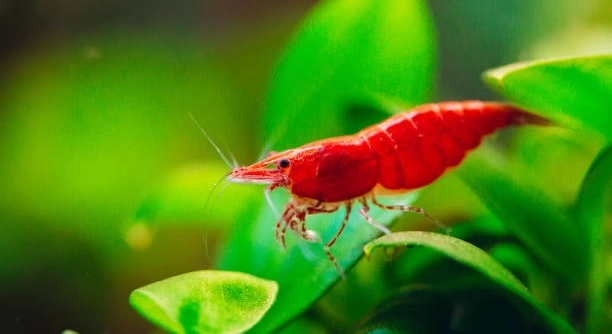
Do you ever watch your cherry shrimp exploring their tank and wonder how they behave around small hideouts? Their movements can make you curious about the patterns of space and comfort they form in tanks.
Cherry shrimp show mild territorial tendencies around preferred hideouts, especially when resources are limited. They often establish small personal zones, but these behaviors rarely lead to conflict. Adequate space and multiple shelters help maintain stable social dynamics and reduce competition.
Learning how these tiny crustaceans interact around shared shelters can help you create a more comfortable environment for your colony.
Understanding How Cherry Shrimp Use Hideouts
Cherry shrimp rely on small shelters to feel secure, and their behavior around these spaces can change depending on how many hideouts are available. When there are plenty of spots to choose from, they spread out comfortably and move with ease. When space is limited, some shrimp may linger near a preferred area a little longer, creating light tension among others that want the same spot. This isn’t aggressive behavior, but more of a quiet attempt to hold onto a place that feels safe. I’ve noticed that when tanks have mixed sizes of shrimp, the younger ones tend to gather together while older ones move with more confidence. Providing a good mix of plants, rock caves, and leaf litter helps keep everyone calm. With a well arranged setup, the group settles into a peaceful flow that makes the tank feel balanced and active.
Cherry shrimp benefit from consistent access to safe hideouts, allowing them to handle stress more effectively and maintain steady activity throughout the day.
A stable layout with enough shelter options encourages healthier behavior, reduces unnecessary tension, and keeps your shrimp moving comfortably through their daily routines without competing for limited spaces.
Factors That Influence Their Territorial Behavior
Several things can affect how cherry shrimp behave around hideouts, including tank size, crowding, shelter placement, and the presence of other species. When these factors are balanced, their interactions remain calm and predictable.
A larger tank gives cherry shrimp freedom to explore without constantly bumping into each other, reducing any subtle guarding of preferred spots. Proper planting, mixed textures, and scattered shelters create natural boundaries that help divide the space in a gentle way. Shrimp feel safer when they have multiple layers to hide in, such as moss, driftwood, and leaf piles. Adding fish or larger tank mates can increase stress, which sometimes makes shrimp cling to certain hideouts for longer periods. Keeping water conditions stable also influences how relaxed they feel while moving around their shelters. Frequent changes or poor maintenance may make them withdraw into tight spaces more often. By keeping these elements in balance, you’ll support a tank where your cherry shrimp act confidently, interact peacefully, and use their hideouts in a more relaxed, natural pattern.
Creating a Comfortable Tank Layout
Cherry shrimp settle into their environment more easily when the layout offers steady cover and enough room to wander. Spreading shelters across different areas prevents them from clustering in one place and lowers the chance of subtle tension around shared spaces.
A balanced layout starts with choosing plants and hardscape that create natural pockets of security without blocking movement. I like using a mix of mosses, small caves, and driftwood because it builds layers that shrimp can weave through at their own pace. When hideouts are placed too close together, it can make the tank feel cramped, so spreading them out helps keep activity flowing. A calm shrimp is one that feels safe enough to explore, graze, and interact gently. The layout should work with their habits instead of forcing them into tight corners or single crowded shelters.
A tank that feels open but still protected encourages stable behavior. Cherry shrimp move confidently when they can slip behind plants or leaves whenever they want, and this sense of choice reduces any mild guarding of preferred hideouts. Avoid arranging everything in one area because it leads shrimp to gather too closely, which may cause unnecessary tension. When the layout offers even coverage, every shrimp finds its own comfortable spot without competing for limited space.
How Tank Mates Influence Their Behavior
The presence of other species can shape how cherry shrimp use their hideouts, especially if the tank mates move quickly or show too much interest in them. Shrimp become cautious when they share space with active fish, choosing to stay deeper in shelters for longer periods.
Some fish create a calmer environment than others, and picking gentle tank mates helps shrimp maintain relaxed routines. Even peaceful fish can cause shrimp to retreat more often if the swimming patterns are too fast or unpredictable. I’ve noticed that shrimp thrive when their companions stay near the upper levels of the tank instead of hovering around the bottom. A well chosen group of tank mates encourages stable behavior and keeps the shrimp from feeling pressured into hiding. Managing species that share the same space supports a peaceful atmosphere that allows the shrimp to graze and explore comfortably.
Maintaining Stable Water Conditions
Clean and consistent water encourages cherry shrimp to explore more freely without clinging to their hideouts. Sudden changes in temperature or hardness make them uneasy, pushing them to stay hidden longer than usual. Keeping things steady helps them feel secure enough to move around comfortably.
Regular maintenance prevents stress that leads to extra hiding. I’ve seen shrimp act more confident when water is changed gently and filters run smoothly without strong currents. They settle into a calm routine when parameters remain stable, allowing them to use hideouts as needed instead of relying on them constantly for comfort.
Feeding Habits and Their Effect on Hideout Use
Feeding routines play a large part in how cherry shrimp behave around shelters. When food is scattered evenly across the tank, shrimp spread out without crowding into one area. If food is placed in a single spot, they may gather too tightly and try to hold a favored position. I’ve noticed that smaller, frequent meals keep them more relaxed because they can graze naturally instead of rushing to compete for a single feeding location. A calm feeding pattern lowers subtle guarding around hideouts because shrimp feel less pressure to protect a place that gives them quick access to food.
Seasonal Behavior Shifts
Changes in room temperature or light across seasons can make shrimp adjust how often they retreat into hideouts. Cooler conditions may slow their activity, while warmer periods often bring more exploring and grazing throughout the tank.
FAQ
Why do cherry shrimp seem to guard certain hideouts?
Cherry shrimp may guard a hideout when it gives them a strong sense of safety or easy access to food. This behavior is usually subtle rather than aggressive, and it often fades when the tank has plenty of shelters. I’ve seen this happen most often in smaller tanks where the shrimp feel more exposed. Giving them multiple hiding spots reduces the urge to linger in one place, and they become more comfortable moving around. Once the environment feels balanced, they stop holding onto a single shelter and begin exploring more freely.
Do cherry shrimp fight over their hideouts?
They rarely fight. Their interactions around hideouts tend to be very mild, showing more of a quiet nudge than an actual confrontation. If two shrimp want the same spot, one usually moves away without trouble. Most conflict happens only when the tank is overcrowded or when there are too few shelters. Adding more plants, moss, and small caves helps spread them out so they feel secure without needing to push each other aside. In a well arranged tank, territorial behavior stays minimal.
Does overcrowding increase territorial behavior?
Yes, overcrowding can make shrimp spend more time holding onto a favorite shelter. When too many shrimp share a limited area, they naturally try to claim spaces that feel safest. This doesn’t show up as aggression, but as increased hiding and less exploring. A tank with more room allows them to create gentle boundaries that shift throughout the day. Keeping the population at a comfortable level helps them stay active and reduces their need to cling to specific hideouts.
Can the lack of plants make shrimp more territorial?
A tank with very few plants often leaves shrimp feeling exposed. Without leafy cover or textured spaces to slip into, they treat any shelter they find as extra valuable. This can make them guard it a bit more closely. Adding live plants, especially mosses and stem plants, gives them more layers to explore so hideouts don’t become limited resources. Plants make the space feel natural and relaxed, which leads to calmer behavior.
Do cherry shrimp act differently when molting?
During molting, shrimp become vulnerable, so they hide more frequently and may hold onto a safe spot for longer periods. This can look like territorial behavior, but it’s mostly a need for protection. Once they complete the molt and harden up, they return to their normal routines. Providing soft, shaded areas helps them feel safer and reduces stress during this delicate stage.
Can tank mates trigger territorial behavior in cherry shrimp?
If shrimp share the tank with active or curious species, they may stay in hideouts more and guard them for longer. They react this way because they feel pressured, not because they have strong territorial instincts. Choosing calm tank mates keeps them relaxed and less dependent on shelters. Fish that stay near the top of the tank usually allow shrimp to wander more freely near the bottom.
Does feeding affect how they use their hideouts?
Feeding can shape how shrimp behave around shelters. When food is placed in one spot, shrimp cluster together and may try to stay closest to that area. When food is spread out, they move independently and use their hideouts more naturally. Smaller, frequent feedings create calmer activity throughout the tank.
Are cherry shrimp territorial during breeding?
Breeding doesn’t usually cause territorial behavior. Females carrying eggs may hide more often, but they don’t claim those hideouts aggressively. They simply choose calm areas away from movement. Once the young hatch, the adults continue their normal routines without trying to guard specific spaces. A stable tank with enough cover makes this period smooth and quiet.
Final Thoughts
Cherry shrimp behave in gentle and predictable ways when their environment gives them enough cover, space, and stable conditions. Their interactions around hideouts are usually mild, shaped more by comfort than by strong territorial instincts. When the tank offers plenty of hiding spots, they settle into a calm rhythm, moving from one shelter to another without pressure. I’ve noticed that they thrive when the layout feels open but still provides enough shaded corners and plant layers for them to slip into whenever they need a sense of safety. A balanced tank lowers any quiet competition for specific spots and allows each shrimp to choose its own comfortable space. This steady environment gives them confidence to graze, explore, and interact without feeling the need to hold onto a certain hideout. With the right setup, their behavior becomes smooth, relaxed, and easy to observe.
Maintaining water quality plays a large part in keeping their hideout use natural and healthy. Stable parameters help them feel secure, which reduces the tendency to stay hidden for long periods. When water changes happen too quickly, filters create strong currents, or temperatures fluctuate, shrimp often retreat into shelters for longer stretches. This shift is not aggressive behavior but a reaction to discomfort. A slow and gentle approach to maintenance reduces stress and encourages steady movement throughout the tank. Feeding routines also shape how they behave around hideouts. Scattering food instead of placing it in a single pile keeps them from crowding together and trying to hold one spot. Smaller, consistent feedings help them stay relaxed, allowing them to graze at their own pace. Seasonal changes in room temperature or lighting can also affect their habits, making it helpful to observe how their activity shifts throughout the year.
Cherry shrimp remain peaceful creatures when given thoughtful care, and their subtle use of hideouts adds charm to their presence. They rarely show true territorial behavior, and when they seem to guard a shelter, it is usually a sign that they need more space, more plants, or more stable conditions. Their needs are simple, and small adjustments often make a noticeable difference in how confidently they explore the tank. Watching them interact with their surroundings can be calming, especially when the environment supports their natural habits. As long as they have plenty of cover, gentle tank mates, and steady water conditions, they will use their hideouts in a balanced and predictable way. Creating this kind of environment not only reduces tension but also brings out the peaceful nature that makes cherry shrimp such enjoyable additions to a tank.

Hello,
If you enjoy the content that we create, please consider saying a "Thank You!" by leaving a tip.
Every little bit helps us continue crafting quality advice that supports the health, happiness, and well-being of pets around the world, for pets of all shapes, sizes, and species.
We really appreciate the kindness and support that you show us!