
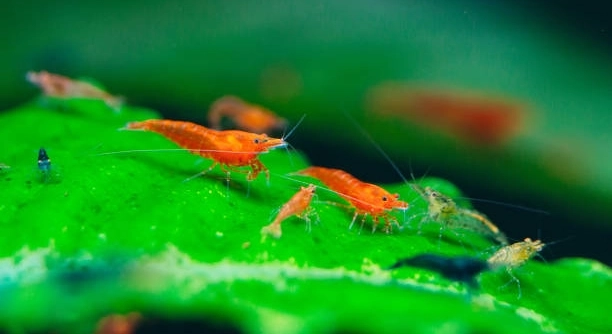
Cherry shrimp are small, colorful freshwater creatures that add life to any aquarium. They often explore plants, finding hiding spots and grazing surfaces. Observing their behavior reveals preferences that can influence how you set up your tank.
Cherry shrimp show clear preferences for certain plants due to surface texture, leaf size, and biofilm availability. Plants with fine leaves and dense surfaces provide shelter and feeding opportunities, while smooth or sparse foliage tends to be avoided by these shrimp.
Understanding their plant choices helps create a healthier environment. By selecting the right plants, you can ensure your shrimp thrive and feel secure.
Factors Influencing Plant Preference
Cherry shrimp are selective when it comes to the plants they interact with in an aquarium. They favor plants with fine, delicate leaves because these provide easier grazing surfaces for biofilm and algae. Dense foliage offers protection, giving shrimp places to hide during molting or when feeling stressed. Plants with smooth surfaces, like certain types of plastic or broad-leafed species, are less attractive because they offer fewer surfaces for feeding or attachment. Lighting also affects plant selection. Shrimp are more likely to explore areas where light encourages algae growth, making these plants more appealing. Temperature and water parameters can indirectly influence preference as well, as healthier plants support more biofilm and grazing material. Observing shrimp behavior over time reveals patterns, such as frequent visits to mossy areas or certain fast-growing plants. By understanding these subtle cues, aquarists can select plants that improve shrimp comfort and activity.
Choosing the right plants directly impacts shrimp health and behavior, promoting a stable and engaging environment for them.
Shrimp often revisit the same plants repeatedly. This repetition is a sign that they have found optimal grazing and shelter conditions. Mosses, ferns, and fine-leaved stem plants consistently attract attention because they support biofilm growth and offer intricate hiding spots. Observing which plants are used most can guide future tank arrangements. Integrating these preferred plants ensures shrimp feel secure and reduces stress, supporting natural behaviors. Strategic plant placement encourages exploration and activity, making tanks visually appealing while meeting shrimp needs. Over time, this approach fosters a thriving, balanced aquatic environment where shrimp can feed, molt, and interact with confidence.
Practical Tips for Plant Selection
When selecting plants, consider texture, density, and growth rate to match shrimp preferences.
Fast-growing plants such as Java moss, moss balls, and fine-leaved ferns are ideal for cherry shrimp. Their intricate leaves provide surfaces for biofilm and algae to develop, supplying consistent feeding opportunities. Shrimp also use these plants for shelter during molting, reducing vulnerability and stress. Stem plants with thin leaves are often explored for grazing, while plants with smooth, broad leaves tend to be avoided. Placement matters: grouping dense foliage in corners or along the tank bottom encourages exploration and natural hiding behaviors. Lighting should be adjusted to promote algae growth on preferred plants without encouraging excessive algae elsewhere. Monitoring shrimp interactions over weeks helps identify which plants are genuinely favored. Rotating or trimming plants ensures continued biofilm availability and prevents overcrowding. By combining plant type, placement, and maintenance strategies, aquarists can create a dynamic, supportive environment that keeps cherry shrimp healthy, active, and secure, while maintaining a visually balanced tank for easy enjoyment.
Feeding Behavior and Plant Interaction
Cherry shrimp spend most of their time grazing on surfaces covered in biofilm and algae. Plants with rough textures and fine leaves provide more surface area, making them more attractive for feeding. Smooth or broad leaves tend to be ignored, offering little grazing opportunity.
The feeding patterns of cherry shrimp are closely linked to plant structure. They prefer mosses, ferns, and fine-leaved stem plants where biofilm accumulates. Shrimp use their tiny appendages to scrape surfaces, picking up microscopic algae, detritus, and microorganisms. Plants with dense foliage allow them to feed in safety, reducing stress and risk from tankmates. Over time, shrimp develop preferred grazing spots, often returning to the same plants repeatedly. Observing these patterns helps in selecting and arranging plants that meet both feeding and shelter needs.
Plant arrangement directly influences feeding efficiency and shrimp activity. Clusters of preferred plants in high-traffic areas encourage grazing while maintaining a safe environment. Sparse plants or smooth leaves result in less interaction. Adjusting plant placement can increase foraging and ensure shrimp utilize the entire tank, supporting both their diet and mental stimulation. A balanced mix of moss, ferns, and delicate stem plants promotes continuous grazing, shelter access, and overall well-being, creating a lively and productive habitat.
Environmental Factors Affecting Plant Preference
Water quality, light, and temperature all impact how cherry shrimp choose plants. Poor water conditions or low light reduce biofilm growth, making plants less attractive.
Optimal water conditions enhance shrimp activity and plant selection. Stable parameters such as pH, temperature, and hardness support healthy plant growth, encouraging biofilm development that shrimp feed on. High-quality lighting promotes algae and microorganism growth, particularly on moss and delicate leaves, increasing plant desirability. Shrimp may avoid areas with strong currents or sudden temperature fluctuations, preferring calm, well-lit zones with rich surfaces. Placement of plants in areas with gentle water flow ensures biofilm accumulation without washing away resources, creating a more consistent feeding environment and supporting natural grazing behavior.
Environmental stability shapes both shrimp comfort and plant interaction. When parameters are consistent, shrimp actively explore and utilize their favorite plants, spending more time grazing and hiding safely. Unstable conditions cause stress, reducing activity and plant engagement. By maintaining proper water chemistry, moderate lighting, and stable temperature, aquarists ensure shrimp remain healthy and active. Strategic placement of preferred plants in these stable areas maximizes grazing opportunities and encourages natural behaviors, while maintaining a visually appealing and balanced tank. Continuous monitoring allows adjustments to enhance shrimp-plant interactions, creating an environment where shrimp thrive.
Plant Texture and Leaf Structure
Cherry shrimp are naturally drawn to plants with fine, textured leaves. These surfaces allow easier grazing for biofilm and algae, making them more attractive than smooth, broad-leaved plants.
Dense clusters of thin leaves also provide hiding spots. Shrimp feel safer when they can cling to and navigate through delicate foliage, especially during molting periods.
Mosses and Ferns as Top Choices
Mosses and ferns consistently rank as the most preferred plants for cherry shrimp. Their complex leaf structures trap biofilm and detritus, supplying ample grazing opportunities. Shrimp also use moss and fern fronds for shelter, which reduces stress and encourages natural behaviors. Choosing these plants promotes active, healthy shrimp.
Avoiding Smooth, Broad-Leaved Plants
Smooth or wide leaves rarely attract cherry shrimp. These plants offer little biofilm accumulation and provide minimal shelter, resulting in limited interaction.
FAQ
Why do cherry shrimp prefer moss over other plants?
Moss offers a combination of fine texture and dense coverage that is ideal for cherry shrimp. Its leaves trap biofilm and algae, providing a constant food source. The dense structure also creates safe hiding areas, which is particularly important during molting or periods of stress. Moss grows slowly and consistently, so shrimp can rely on it without sudden changes in their environment. This makes moss one of the most versatile and valuable plants in a shrimp tank, supporting both feeding and protective behaviors.
Can cherry shrimp eat all types of plants?
Cherry shrimp do not consume plants directly in the same way herbivorous fish might. They primarily graze on the microorganisms, biofilm, and algae that grow on plant surfaces. Smooth or broad-leaved plants offer little surface area for these food sources, making them less attractive. Plants with fine leaves or textured surfaces, such as ferns or mosses, provide the most feeding opportunities. While shrimp may occasionally nibble on very soft plants, their diet depends heavily on what grows on the leaves rather than the plant tissue itself.
Does plant placement affect shrimp behavior?
Yes, plant placement is crucial. Cherry shrimp prefer areas where they feel safe while foraging. Dense plants positioned along the bottom or in corners provide shelter while allowing access to grazing surfaces. Open areas with smooth or sparse plants are often ignored because they do not provide security. Strategically placing dense moss or ferns in high-traffic areas encourages shrimp to explore and utilize the space. This not only improves feeding efficiency but also reduces stress by giving shrimp easy access to both food and hiding spots.
How does lighting influence plant preference?
Lighting indirectly impacts shrimp preference by affecting algae and biofilm growth. Well-lit areas encourage algae growth on mosses and ferns, making these plants more appealing. Low-light areas may not support sufficient biofilm, reducing grazing activity. Consistent moderate lighting ensures biofilm develops evenly across plants, which keeps shrimp engaged and active. It also helps plants stay healthy, maintaining structure and texture that shrimp rely on for shelter and foraging. Adjusting lighting according to plant and shrimp needs promotes a balanced, thriving tank environment.
Do water conditions change which plants shrimp prefer?
Water quality plays a significant role in shrimp behavior and plant choice. Stable parameters, including temperature, pH, and hardness, ensure plants remain healthy and biofilm grows consistently. Unstable conditions can stress shrimp, causing them to reduce activity and ignore previously preferred plants. Shrimp avoid plants in areas with strong currents or sudden temperature fluctuations, as these conditions interfere with grazing and safety. Maintaining clean water with balanced parameters supports both plant growth and shrimp engagement, creating a predictable environment where shrimp can feed and hide comfortably.
Are some plants better for breeding shrimp?
Yes, plants like mosses, ferns, and fine-leaved stem plants are particularly helpful for breeding. Dense foliage provides safe hiding spots for young shrimp, reducing predation risk. These plants also support biofilm growth, giving juveniles a steady food source. Placing preferred plants near breeding areas ensures that both adults and offspring have access to shelter and grazing surfaces. Avoiding broad, smooth-leaved plants in breeding zones helps maintain higher survival rates and encourages natural reproductive behavior among cherry shrimp.
How often should I trim plants for shrimp?
Trimming plants depends on growth rate. Fast-growing mosses and ferns may need occasional trimming to prevent overcrowding while still preserving grazing surfaces. Maintaining a balance ensures shrimp have enough biofilm and hiding places without becoming overwhelmed. Trimming also improves water flow, preventing detritus buildup and ensuring healthier plants. Observing shrimp activity can guide trimming schedules, as areas heavily used for feeding and shelter should remain accessible. Proper maintenance keeps plants attractive and functional for shrimp while supporting a clean, organized tank environment.
Can shrimp adapt to new plants quickly?
Cherry shrimp can adapt, but adaptation depends on plant texture and surface availability. Shrimp are more likely to explore new plants that offer fine leaves or dense coverage. Smooth or sparse plants are usually ignored, so introducing those may have little effect on behavior. Gradual introduction of new mosses or ferns in familiar areas encourages shrimp to explore and establish grazing spots. Providing consistent biofilm on new plants accelerates acceptance, making the tank environment both dynamic and comfortable.
Do shrimp show favorite spots on the same plant?
Yes, cherry shrimp often revisit specific areas of a plant where biofilm and algae are densest. They may consistently feed on tips or shaded surfaces, depending on light and flow conditions. Repeated use of these spots indicates that shrimp can recognize optimal grazing areas and prefer predictable feeding zones. This behavior allows aquarists to monitor plant health and biofilm levels, ensuring consistent feeding opportunities. By observing preferred areas, you can make small adjustments to plant placement or maintenance to keep shrimp engaged and maintain a thriving, active environment.
What happens if shrimp don’t have preferred plants?
Without preferred plants, shrimp may show reduced activity and grazing. They may avoid open areas with smooth or broad leaves, leading to stress and potential health issues. Lack of fine-leaved plants or moss can reduce feeding efficiency and hideouts, making shrimp more vulnerable during molting. Ensuring that tanks include moss, ferns, or delicate stem plants supports natural behavior, improves foraging, and maintains overall well-being. Careful plant selection is essential to keep shrimp healthy, active, and comfortable in their environment, even if alternative plants are present.
Final Thoughts
Cherry shrimp are small but fascinating creatures whose behavior can be greatly influenced by the plants in their aquarium. Observing which plants they prefer reveals important details about their needs. Mosses, ferns, and fine-leaved stem plants consistently attract attention because they provide both food and shelter. The texture and density of leaves play a major role, as delicate, rough surfaces support biofilm and algae growth while offering hiding spots. Shrimp naturally gravitate toward these areas, spending more time grazing and less time exposed in open, bare spaces. Smooth, broad leaves are less appealing because they lack adequate surface for feeding and do not offer much protection. Understanding these preferences allows aquarists to make intentional plant choices that improve shrimp well-being.
Plant placement is just as important as plant selection. Shrimp feel more comfortable and display natural behaviors when plants are positioned to create safe zones and grazing areas. Dense foliage along the tank bottom or corners provides security while still being accessible for feeding. Open or sparsely planted areas are generally ignored because they do not meet these needs. Consistent observation can reveal which areas shrimp use most frequently, helping to refine the tank layout. Lighting and water conditions also contribute to plant preference, as well-lit areas promote biofilm growth, and stable water parameters support healthy plant growth. By maintaining optimal conditions, shrimp remain active, stress-free, and more likely to interact with the plants as intended.
Maintaining a shrimp-friendly tank involves more than just selecting the right plants. Regular trimming of fast-growing plants, monitoring water quality, and ensuring consistent lighting all contribute to a balanced environment. Preferred plants not only support feeding and shelter but also encourage natural behavior, which is essential for overall health. Introducing new plants gradually and observing shrimp reactions can help integrate additional options without causing stress. Over time, creating an environment that prioritizes texture, density, and accessibility will result in a lively and engaging tank where shrimp thrive. This approach ensures that cherry shrimp enjoy a comfortable habitat while allowing aquarists to observe their natural interactions and behaviors in a sustainable, healthy setting.

Hello,
If you enjoy the content that we create, please consider saying a "Thank You!" by leaving a tip.
Every little bit helps us continue crafting quality advice that supports the health, happiness, and well-being of pets around the world, for pets of all shapes, sizes, and species.
We really appreciate the kindness and support that you show us!