
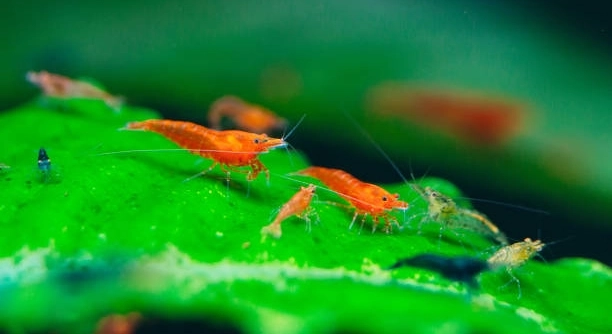
Have you ever watched your tank and noticed shifts around your shrimp? These small changes can mark the start of something new, giving hints that a developing colony could soon become part of your aquarium.
Shrimp colonies form when environmental conditions support stable breeding, consistent food availability, and low stress. Increased activity, clustering, and visible juveniles often indicate a growing group, reflecting a balanced habitat that encourages reproduction and sustained population development within the aquarium.
These early signs can help you understand the rhythm of your tank, creating a path toward exploring each clue further.
Early Shifts in Group Behavior
When you start noticing your shrimp gathering in gentle clusters, it can feel like the first real hint that something meaningful is happening in your tank. Their movements may seem small, yet they can carry steady purpose as they explore the same spaces again and again. You might see them grazing together on the same surface, staying close as if they are drawn to shared comfort. I often find that these repeating patterns show me how stable my setup has become, because shrimp rarely settle into predictable routines unless they feel secure. Their calm behavior also signals that they trust the conditions around them. As their confidence grows, their interactions become smoother and more relaxed, creating a peaceful flow across the tank. Watching these behaviors unfold helps me understand that a shift in population could be on the horizon, supported by the balance of care and environment that encourages them to thrive.
These small shifts in behavior often act as gentle signals that your shrimp are settling into a stable rhythm. When they begin moving with steady purpose and calm energy, it usually means the conditions in your tank are supporting growth that may soon lead to a forming colony within it.
As these patterns become clearer, you can start paying attention to how your shrimp interact with different parts of the tank. Shared feeding areas, slow movements around hiding spots, and gentle exploration often signal comfort that supports the early stages of population growth. I like watching these moments because they show me how my care influences every small behavior. When shrimp feel secure, they settle into routines that reflect stability. These routines can quietly guide you toward understanding whether a colony is forming, giving you a calm and steady look at the changes taking place.
Environmental Signs Supporting Growth
Stable water conditions often set the foundation for colony development, and you can usually see the effects in how relaxed your shrimp appear. Balanced parameters, regular feeding, and clean spaces encourage steady activity that reflects ongoing comfort, making these conditions essential indicators of early population expansion.
When your tank remains consistent for several weeks, shrimp respond in ways that reveal how much the environment supports their wellbeing. You might notice smoother movements, gentle foraging, and calm interactions that show they are not stressed by sudden shifts in temperature or water quality. Over time, small details become more noticeable, such as increased grazing on biofilm, confident exploration around plants, and a willingness to gather in open areas. These behaviors reflect trust in the stability you have created. I often find that when the environment stays steady, the shrimp begin displaying clearer signs of readiness for growth. Clean surfaces, thriving plants, and predictable routines all contribute to a comfortable habitat that can support new life. When these elements come together, the tank becomes a safe space where a forming colony can take hold and continue developing with ease.
Increased Juvenile Activity
Young shrimp becoming more visible in open areas usually shows that conditions are stable. Their steady movement, gentle grazing, and comfort around plants or food spots can signal that a fresh wave of growth is taking place in your tank.
When juveniles begin appearing more often, it usually means they feel safe enough to explore without stress. I notice this most when the tank stays clean, the water remains balanced, and hiding places are undisturbed. These small shrimp often gather near biofilm-rich areas, moving with light, quick motions that show steady feeding behavior. Their presence also confirms that the adults have been breeding successfully, supported by the calm environment. Watching these tiny shrimp move through the tank can help you understand how secure the setup has become and how well it supports early development.
Stable visibility among juveniles also reflects how much the aquarium encourages growth. When they explore plants, sift through moss, or gather near driftwood, it hints that they are finding enough food to stay active. I like observing how they weave around the tank with confidence, moving through spaces that older shrimp frequent. Their steady behavior shows that stress levels are low, which supports healthy development. When these young shrimp continue appearing across different areas, it usually means the population is strengthening and the colony is establishing itself steadily.
Consistent Feeding Patterns
Shrimp gathering around food more predictably usually shows that the group is becoming stable. Their behavior becomes calm, organized, and reliable, which can indicate that the conditions clearly support ongoing growth and balanced activity throughout the tank.
As feeding routines become consistent, shrimp often start appearing at the same places each day with steady movements that signal familiarity. They cluster gently around food or graze together along shared surfaces. I often notice that when feeding becomes predictable, the shrimp display clearer signs of trust in their environment. They move with relaxed patterns, explore nearby spots, and return repeatedly without hesitation. This rhythm helps maintain a dependable structure within the group and encourages the development of a stronger colony. Consistent feeding behavior also supports their overall health and makes it easier to understand how well the tank is meeting their needs.
Expanding Use of Tank Space
Shrimp spreading into new areas of the tank usually signals that they feel safe. When they move across plants, substrate, and hardscape with steady patterns, it reflects comfort that often supports the early stages of colony growth.
Their exploration tends to stay calm and predictable, which shows that the environment feels stable to them. I often notice this when the tank has remained balanced for a while, allowing them to move freely without stress.
Increased Molting Activity
Frequent molting often appears when shrimp have steady nutrition and a supportive environment. I usually see more empty shells during periods of growth, especially when the tank remains clean and the water parameters stay consistent enough to encourage healthy development and steady movement throughout the day.
Visible Females Carrying Eggs
Females carrying eggs often show that breeding is active. Their steady movements, careful grazing, and calm behavior usually signal that conditions are strong enough to support new life forming within the colony.
How do I know if my shrimp colony is healthy?
A healthy shrimp colony shows steady activity, calm behavior, and regular feeding. Adults and juveniles move confidently around the tank, grazing on biofilm or detritus without hesitation. I notice that when water parameters remain stable, shrimp appear vibrant in color, and molting occurs regularly. Consistent visibility of juveniles also indicates successful reproduction.
What water parameters are best for shrimp colonies?
Shrimp thrive in stable water with a temperature around 72–78°F, pH between 6.5 and 7.5, and low levels of ammonia and nitrites. Regular testing helps maintain this balance. I find that stable hardness and gentle filtration support both adult and juvenile survival, encouraging consistent population growth.
How often should I feed my shrimp?
Feeding should be light but frequent, around every one to two days, depending on the population size. Overfeeding can pollute the tank, while underfeeding slows growth. I usually provide small portions of algae wafers, blanched vegetables, or specialized shrimp food. Observation helps me adjust the amount according to their activity.
Can tank size affect colony formation?
Yes, larger tanks allow more space for hiding, grazing, and exploring. I’ve noticed colonies establish faster in tanks with varied terrain like plants, driftwood, and moss. Smaller tanks can work but require careful management of water quality and population density to prevent stress and mortality.
Why do shrimp cluster in certain areas?
Clustering usually indicates comfort, stable food sources, or low stress. I see shrimp gather around biofilm-rich surfaces or near feeding zones. It can also reflect environmental factors like water flow or hiding spaces. Patterns of clustering often reveal which areas are most suitable for growth.
What signs show that a female shrimp is ready to breed?
Females ready to breed carry a greenish or yellowish saddle near their back. Their movement is calm but purposeful, and they often explore hiding spots more frequently. I’ve found that a stable environment, with regular feeding and clean water, encourages females to molt and carry eggs consistently.
How long does it take for a colony to grow?
Colony growth depends on water stability, population density, and feeding quality. In a well-maintained tank, noticeable juvenile populations can appear in a few weeks, while a stable colony may take several months to fully establish. I usually track progress by observing activity, molting frequency, and juvenile visibility.
What should I avoid to prevent stress in my colony?
Sudden temperature changes, aggressive tank mates, and poor water quality stress shrimp. I always maintain gentle filtration, consistent feeding, and low disturbance. Avoiding harsh chemicals or strong currents also helps keep the colony calm and encourages regular breeding and healthy development.
How can I encourage new shrimp to explore the tank?
Adding plants, moss, and driftwood creates safe pathways and surfaces to graze on. I also distribute food in small amounts across the tank to motivate movement. Gentle water flow encourages natural exploration without causing stress. Gradual changes in layout help shrimp adapt comfortably while expanding their territory.
Can I mix different shrimp species in one tank?
Some species coexist well, but compatibility depends on behavior, size, and environmental needs. I usually avoid combining aggressive or very large species with smaller, delicate shrimp. Monitoring interactions and ensuring sufficient hiding spaces can reduce conflict and allow multiple species to thrive in the same tank.
How do I know if juveniles are surviving?
Survival is visible through steady juvenile activity and growth. I look for small shrimp grazing alongside adults and moving confidently among plants or moss. Consistent water quality, stable feeding, and minimal stress are critical for survival. Observing these signs helps me track the colony’s long-term health.
What adjustments help a forming colony thrive?
Adjustments include maintaining stable water parameters, increasing hiding spaces, and providing consistent, small feedings. I often observe how shrimp respond to each change. Proper filtration, minimal tank disturbances, and gradual environmental improvements all contribute to stronger, healthier colonies that continue to grow steadily.
Observing a shrimp colony form in your tank can be quietly satisfying. The small changes in behavior, movement, and interaction reveal a lot about the health of the group and the stability of the environment. I often find myself noticing patterns I hadn’t seen before, like how juveniles begin exploring plants or how adults settle into consistent grazing routines. These patterns tell me that the tank is balanced and the shrimp are responding well to the conditions I provide. Calm movement, gentle clustering, and regular molting are all signs that the shrimp feel safe and supported. It is rewarding to see these signs develop slowly, as each small observation builds a clearer picture of how the colony is progressing.
Maintaining a supportive environment is key to helping a shrimp colony thrive. Stable water parameters, proper feeding, and a clean tank create the conditions that shrimp need to reproduce and grow. I’ve learned that even small shifts in water quality or temperature can impact behavior, so paying close attention to the tank makes a difference. Providing hiding spots and varied terrain helps shrimp feel secure, encouraging exploration and consistent activity. When juveniles are visible and females are carrying eggs, it confirms that the tank is meeting their needs. Watching the colony grow over time shows how care and patience contribute to long-term stability, giving insight into the delicate balance of an aquatic ecosystem.
Patience and observation are important when caring for a shrimp colony. Growth does not happen overnight, and each step in the process provides valuable information about the health and balance of the tank. I often find that small adjustments, like changing feeding routines or adding new plants, can influence behavior in subtle ways. Recognizing these effects allows for informed care that supports steady development. Over time, a forming colony becomes more predictable, with visible juveniles, calm clustering, and confident movement. Keeping the environment consistent and observing these signs ensures that the colony continues to grow successfully, providing both a lively display in the tank and a clear understanding of the thriving ecosystem within.

Hello,
If you enjoy the content that we create, please consider saying a "Thank You!" by leaving a tip.
Every little bit helps us continue crafting quality advice that supports the health, happiness, and well-being of pets around the world, for pets of all shapes, sizes, and species.
We really appreciate the kindness and support that you show us!