
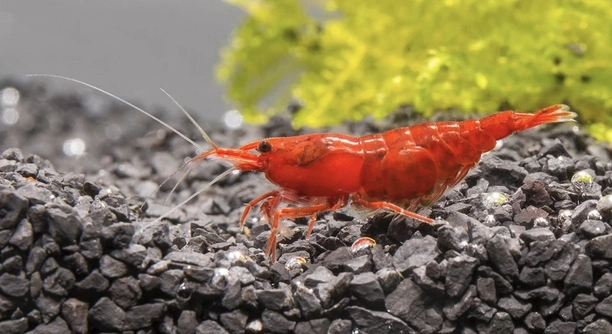
Shrimp are fascinating creatures that often live in groups, creating dynamic interactions among themselves. Observing their movements and social patterns can reveal subtle changes in behavior that may not be obvious at first glance. Their tiny actions often carry meaning.
Shrimp exhibit noticeable behavioral shifts when placed in larger groups. Group size influences foraging, movement, and social interactions, leading to increased coordination and altered activity patterns. These changes are consistent across species and demonstrate the impact of social environment on shrimp behavior.
Learning about these social dynamics provides insight into aquatic life and helps us better understand how shrimp interact in natural habitats. This knowledge can inform both research and practical care approaches.
Social Behavior in Shrimp Communities
In larger groups, shrimp display behaviors that are far more complex than when they are alone. Movement patterns become synchronized, and foraging is often more efficient because shrimp follow cues from their peers. Aggression levels can change depending on group size, with some individuals asserting dominance while others adapt to avoid conflict. Communication, though subtle, is evident in body movements and antenna signals. Observing these interactions can be surprisingly engaging, as each shrimp seems to respond to the presence and actions of others. Over time, larger groups foster cooperation and reduce risks from predators, as the collective vigilance of many individuals offers better protection. Even small environmental changes can influence how shrimp behave together, showing that social context is critical for their daily activities. In essence, shrimp are not just reacting instinctively but are constantly adjusting their actions based on group dynamics, which can be quite remarkable to watch.
Group interactions also impact feeding patterns. Shrimp in larger groups often share food more efficiently.
Understanding these behaviors helps predict shrimp movement and improves tank or habitat management. Observing them teaches patience and attention to subtle cues. It can enhance both research and care, giving a clearer picture of natural social structures and allowing for more effective environmental adjustments. Grouping shrimp thoughtfully can minimize stress and encourage healthier, more active colonies, which benefits their growth and overall wellbeing. By monitoring interactions closely, it is possible to detect early signs of illness, imbalance, or aggression, enabling timely interventions. This knowledge also provides context for studying other aquatic species, as social dynamics often influence survival, reproduction, and adaptation. The impact of group size is significant, showing how even small animals exhibit intricate, responsive social behavior that mirrors larger ecological principles.
Group Size and Stress Levels
Shrimp in larger groups often show lower stress indicators than isolated individuals. The presence of peers seems to provide a sense of security, allowing them to explore and feed more actively without constant vigilance. Stress-related behaviors decrease significantly with the right group size.
Overcrowding can have the opposite effect, though. If there are too many shrimp in a confined space, competition for food and hiding spots increases. This can lead to heightened aggression and unpredictable interactions. Balancing group size with tank space and resources is essential to maintain calm behavior and overall health. Observing their responses over time helps determine the optimal population for each environment. Proper management ensures that shrimp remain active, healthy, and socially balanced, reducing stress-related issues before they escalate.
Stress levels are also affected by environmental factors. Water quality, temperature, and hiding spaces influence how shrimp respond to each other. Even in moderately sized groups, poor conditions can negate the calming effect of social presence. Providing a well-maintained habitat with adequate resources minimizes conflict and supports cooperative behavior. Monitoring shrimp closely allows early detection of stress, giving an opportunity to adjust conditions before problems worsen. A thoughtful setup promotes not only better behavior but also healthier growth and reproduction.
Observing Behavioral Patterns
Shrimp demonstrate predictable routines within their groups, which include synchronized feeding, coordinated movement, and mutual awareness. These patterns become more apparent as group size increases and individual actions influence others. Tracking these routines helps identify normal versus abnormal behavior.
Watching shrimp over several weeks reveals how their interactions evolve. Individuals often take turns leading during exploration or feeding, while others follow closely. Dominant shrimp may guide movement, and subordinate shrimp adapt to avoid conflict. Patterns of rest and activity are also shared, with groups settling together in sheltered areas at certain times. These behaviors suggest a level of social organization that relies on communication through subtle cues and movement synchronization. Changes in these patterns often indicate environmental stress, health issues, or imbalance in group composition, making observation a key tool for management.
Behavioral consistency supports long-term health. Groups with stable routines experience fewer conflicts and maintain more uniform feeding, growth, and activity levels. Understanding these dynamics allows for better adjustments to tank setups, ensuring that shrimp can interact naturally without undue stress. Predictable patterns also make it easier to introduce new individuals, as the group can gradually integrate newcomers while maintaining order. Continuous observation and small, thoughtful interventions help sustain harmony, promoting both welfare and natural behavior expression. Monitoring for deviations ensures timely responses to any emerging problems, maintaining a balanced, thriving shrimp community.
Feeding Dynamics in Groups
Shrimp feeding behavior changes noticeably in groups. Individuals often feed more efficiently when others are present, as they follow cues and adjust their movements to share space. Competition is reduced when group size and food availability are balanced.
Larger groups also display coordinated feeding strategies. Some shrimp take the lead while others follow, ensuring that everyone gets access to resources. This reduces aggressive encounters and supports healthier growth. Observing these interactions highlights how social structure influences feeding efficiency and group harmony. Timing, positioning, and movement all play roles in creating a smoother feeding environment.
Movement Coordination
Shrimp adjust their swimming patterns based on group size. They tend to move in sync, creating fluid collective motion. These coordinated movements reduce collisions and enhance navigation through complex spaces.
Environmental Influence
Environmental factors significantly affect shrimp behavior in groups. Light, temperature, and available hiding spaces shape interactions and activity levels, making habitat setup crucial for social balance.
FAQ
How do shrimp communicate within a group?
Shrimp communicate primarily through subtle physical signals. Movements of their antennae, body gestures, and gentle touches allow them to convey information about food sources, danger, or territory. Even small changes in posture can indicate dominance, submission, or alertness. Observing these signals provides insight into group interactions and helps predict their behavior.
Do larger groups reduce stress for shrimp?
Yes, being in a moderate-sized group often lowers stress levels. The presence of other shrimp gives individuals a sense of safety, reducing constant vigilance and allowing them to explore, feed, and rest more comfortably. Overcrowding, however, can increase tension and conflict. Proper balance is essential for their well-being.
Can shrimp learn from each other?
Shrimp exhibit behavior that suggests social learning. When one shrimp discovers a food source or a safe hiding spot, others often follow. This copying behavior allows the group to adapt more efficiently to changes in their environment. Social learning contributes to smoother feeding and coordinated movement.
How does group size affect aggression?
Aggression levels fluctuate depending on how many shrimp are present. Small groups can lead to more frequent dominance disputes, as individuals compete for resources. Moderate groups tend to have balanced interactions, while very large groups can sometimes trigger stress-induced aggression. Observing early signs of conflict helps maintain harmony.
Do shrimp change behavior when introduced to new members?
Yes, introducing new shrimp triggers temporary adjustments in behavior. Existing members may display mild territoriality, while newcomers observe group dynamics and adapt. Gradual introductions and monitoring ensure smoother integration and prevent prolonged stress or aggression.
How does environment impact social behavior?
Environmental factors play a major role. Light levels, hiding spaces, water temperature, and food distribution affect how shrimp interact. A well-structured habitat reduces stress, supports coordination, and minimizes aggression. Poor conditions can override the calming effect of social presence.
Can shrimp cooperate during feeding?
Yes, shrimp in groups often show cooperative feeding. Some individuals lead while others follow, distributing access to food evenly. Coordinated movement reduces competition and ensures all shrimp receive nourishment, promoting healthier growth and less conflict.
What signs indicate group imbalance?
Signs of imbalance include frequent fights, uneven feeding, or isolated individuals. Changes in movement patterns, lethargy, or hiding more than usual also suggest stress. Regular observation and adjustments to group size or environment help restore stability.
Are certain shrimp species more social than others?
Yes, some species naturally form larger, more cohesive groups, while others are more solitary. Understanding species-specific tendencies helps in creating balanced group environments and encourages natural behavior.
Does group behavior influence reproduction?
Group dynamics can impact mating and reproductive success. Social cues and interactions signal readiness, influence pairing, and reduce stress, which supports healthier reproduction. Maintaining a stable group structure ensures optimal conditions for breeding.
How long does it take for shrimp behavior to stabilize in new groups?
Adjustment times vary depending on group size and species. Typically, shrimp settle within days to weeks. Monitoring interactions during this period helps detect potential conflicts or stress, allowing timely interventions to maintain harmony and promote healthy social behavior.
Can observing group behavior improve tank management?
Yes, watching shrimp closely allows you to identify stress, aggression, or environmental issues early. Understanding their interactions guides adjustments to habitat, feeding, and group size, ensuring a balanced and thriving community. Observation is a key tool for long-term care and research.
Do shrimp show leadership or followership tendencies?
Certain shrimp often take the lead during movement or feeding, while others follow. These roles are fluid and can change over time. Leadership helps guide the group efficiently, while following behavior supports coordination and reduces conflict.
How can group observations inform research?
Studying shrimp in groups provides insight into social structures, environmental preferences, and behavioral patterns. This knowledge is valuable for ecology studies, aquaculture, and improving care practices. Observations reveal the subtle ways shrimp interact and respond to challenges, offering practical and scientific benefits.
Final Thoughts
Observing shrimp in groups reveals a surprising level of social complexity. Even though they are small and often overlooked, their behaviors are influenced by the presence of others. Group size, environment, and resource availability all play a role in shaping their interactions. Shrimp adjust their movements, feeding, and resting patterns depending on who is around them and how much space they have. Larger groups often show more coordinated activity, while smaller or overcrowded settings can increase tension or aggression. Over time, watching these interactions helps understand how shrimp balance competition and cooperation in daily life.
The environment plays a critical role in how groups function. Light, water quality, temperature, and hiding spots all influence shrimp behavior. A well-structured habitat can reduce stress and encourage natural behaviors, while poor conditions may lead to conflict or lethargy. Even minor adjustments, like adding extra shelters or redistributing food, can significantly improve group harmony. Observing shrimp regularly allows for early detection of stress or illness. Their subtle signals—changes in movement, feeding patterns, or interactions—often indicate when something is off. Maintaining balance between environmental factors and social dynamics ensures healthier, more active shrimp, which benefits both growth and reproduction.
Understanding shrimp behavior in groups is not only valuable for managing aquariums but also provides insight into natural aquatic ecosystems. Social interactions help shrimp survive, find food, and avoid threats, demonstrating that even small creatures rely on community dynamics. By paying attention to group behavior, patterns, and responses, it becomes possible to predict and influence outcomes in care or research settings. Thoughtful management of group size, environment, and resources promotes stability and reduces stress. Shrimp offer a clear example of how social context shapes behavior, highlighting the importance of observation, patience, and adjustments to support healthy, thriving communities.

Hello,
If you enjoy the content that we create, please consider saying a "Thank You!" by leaving a tip.
Every little bit helps us continue crafting quality advice that supports the health, happiness, and well-being of pets around the world, for pets of all shapes, sizes, and species.
We really appreciate the kindness and support that you show us!