
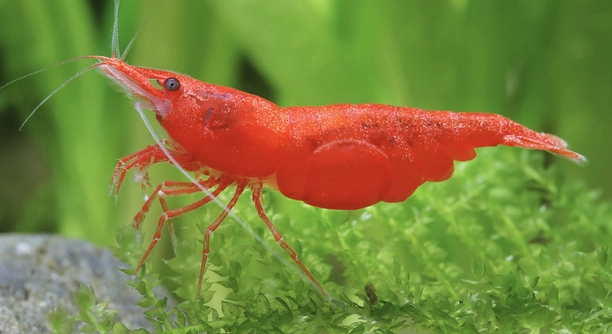
Feeding shrimp may seem simple, yet small mistakes can quietly affect their activity and overall health. Many shrimp keepers unknowingly follow routines that disrupt natural behaviors, leading to less energetic and less visible shrimp in aquariums.
The main feeding mistakes that impact shrimp activity include overfeeding, providing inappropriate food types, inconsistent feeding schedules, neglecting water quality, using oversized food, failing to remove leftovers, and not observing shrimp behavior regularly. Each factor directly influences shrimp energy and movement patterns.
Recognizing these common errors will help you adjust feeding habits, creating a healthier and more active environment for your shrimp. Understanding proper practices ensures your aquatic companions thrive consistently.
Overfeeding Shrimp
Overfeeding is a common issue that many shrimp keepers face, even unintentionally. Shrimp have small stomachs and can only consume limited amounts at a time. Excess food not only pollutes the water but also discourages shrimp from actively foraging. Leftover food decomposes quickly, increasing ammonia and nitrite levels, which directly stress shrimp and reduce their movement. In my own tank, I noticed that my shrimp became less visible and more lethargic when I added slightly too much food each day. Observing how quickly the shrimp consume the food can help determine the right portion. Feeding small amounts multiple times a day is often better than a single large feeding. This method keeps the shrimp engaged, encourages natural grazing behavior, and maintains water quality. Balancing nutrition while avoiding excess requires attention but significantly improves shrimp activity and overall health.
A simple adjustment to feeding quantity can transform shrimp behavior, keeping them active and healthier over time.
Monitoring each feeding closely ensures shrimp remain energetic while preventing water contamination and behavioral changes caused by leftover food and poor nutrition.
Inappropriate Food Types
Shrimp require a varied diet that includes algae, biofilm, and specialized shrimp pellets. Feeding only one type of food limits their nutrient intake and can lead to reduced activity. Foods that are too hard or large may be ignored, leaving shrimp hungry. Soft, nutrient-rich options are ideal, promoting constant movement and grazing behavior. In my experience, when I switched to a mix of high-quality pellets and natural algae supplements, shrimp became noticeably more active. They explored more areas of the tank and interacted with plants and decorations frequently. Providing foods that align with their natural preferences ensures energy levels remain consistent, supporting molting and reproduction. Avoid processed or artificial foods that break down too quickly, as these can deteriorate water quality and reduce shrimp motivation to forage. A varied, suitable diet encourages natural activity, making your aquarium a lively, balanced ecosystem.
Inconsistent Feeding Schedule
Shrimp respond well to routine. Irregular feeding times can cause stress and reduce activity. They may hide more or ignore food if it’s unpredictable. A consistent schedule keeps them comfortable and encourages regular movement around the tank.
When I first kept shrimp, I fed them at different times each day. I noticed that their activity levels fluctuated, with some days barely seeing them at all. Once I set a fixed morning and evening feeding, shrimp became more predictable in their behavior. They grazed steadily and explored plants and substrate more frequently. Predictability gives them a sense of security, reducing stress. Maintaining this schedule also allows me to observe health changes promptly, as any drop in activity becomes noticeable against their usual routine. Over time, consistent feeding supports growth, molting, and even breeding patterns, keeping the aquarium lively and well-balanced.
Regular feeding times help shrimp anticipate food, encouraging natural foraging behavior. Consistency also supports healthy growth and molting cycles while keeping the tank environment stable.
Neglecting Water Quality
Poor water conditions quickly affect shrimp activity. Ammonia, nitrite, and high nitrate levels can make shrimp sluggish or force them to hide, disrupting normal behavior. Frequent water changes and monitoring maintain their energy and visibility.
In my experience, even minor neglect in water maintenance caused shrimp to retreat to corners and plants. I once skipped a scheduled water change, and within hours, movement slowed noticeably. Maintaining clean water through partial weekly changes and checking parameters keeps shrimp active and healthy. Temperature and pH fluctuations also influence behavior, so stability is essential. I noticed that using a gentle filter and removing uneaten food consistently made shrimp more exploratory. Clear, balanced water supports their natural grazing patterns and encourages interaction with the environment. Over time, proper water care prevents stress-related illnesses, reduces molting complications, and promotes consistent activity across all shrimp in the tank.
Keeping water parameters stable directly affects shrimp energy, visibility, and overall health. Regular monitoring and care prevent stress-induced inactivity.
Using Oversized Food
Shrimp struggle with food that is too large, often ignoring it completely. Providing smaller, appropriately sized pieces ensures they can consume it efficiently, keeping them active and engaged in natural foraging behaviors.
In my tank, I initially offered large pellets, and many shrimp avoided them. Switching to smaller granules led to immediate improvement. They grazed consistently and explored more areas, reducing leftover food and maintaining water quality. Properly sized food encourages movement, keeps shrimp healthy, and supports normal activity levels without causing stress or waste.
Failing to Remove Leftovers
Uneaten food can pollute water quickly, creating harmful ammonia and nitrite spikes. Removing leftovers promptly prevents stress and lethargy in shrimp.
Not Observing Shrimp Behavior
Regularly watching shrimp helps detect feeding issues early. Changes in movement or activity often indicate problems with diet, water, or health, allowing timely adjustments.
How often should I feed my shrimp?
Feeding frequency depends on tank size and shrimp population. Generally, small portions once or twice daily are enough. Overfeeding leads to leftover food and water quality issues, while underfeeding reduces activity. I feed my shrimp twice a day, observing them eat quickly and ensuring no excess remains. This routine keeps them energetic and encourages natural grazing. Adjust portions based on how fast the shrimp consume the food, always aiming for small amounts that disappear within a couple of hours. Regular, measured feedings maintain healthy behavior without stressing the tank ecosystem.
What types of food are best for shrimp?
Shrimp need a mix of algae, biofilm, and specialized shrimp pellets for balanced nutrition. I add blanched vegetables like zucchini or spinach occasionally to provide variety. Avoid foods that break down too fast or are overly processed, as these can harm water quality. Soft, nutrient-rich pellets encourage active grazing and consistent energy. Algae wafers or spirulina-based foods supplement natural grazing behavior and promote molting. Mixing dry and fresh food ensures shrimp get essential vitamins, minerals, and fiber. Over time, a varied diet prevents inactivity and keeps shrimp exploring the tank.
How do I know if I am overfeeding?
Uneaten food that remains after a few hours indicates overfeeding. I learned to feed smaller portions gradually, ensuring the shrimp finish the food quickly. Overfeeding often leads to water cloudiness and higher ammonia, which reduces shrimp movement. Observing how much shrimp consume helps determine the correct portion. Less is more when it comes to shrimp feeding. Overfeeding disrupts natural behavior and can cause molting problems or stress. Removing leftover food promptly is as important as portion control. Properly gauged feeding keeps shrimp active, healthy, and reduces water maintenance issues.
What water conditions support active shrimp?
Stable water temperature, pH, and low ammonia, nitrite, and nitrate levels are crucial. I maintain consistent conditions with partial weekly water changes and a gentle filter. Fluctuating parameters make shrimp hide and slow down. Proper water conditions support natural grazing, molting, and reproduction. Regular monitoring allows early detection of issues, keeping shrimp lively. Avoid strong currents or drastic changes in chemistry, as shrimp are sensitive. Clean water and stability directly influence activity levels, preventing stress-related behavior. Over time, careful attention ensures a thriving shrimp population.
Can shrimp become inactive due to stress?
Yes, stress from poor water quality, overcrowding, or sudden changes can make shrimp sluggish. In my tank, new additions initially hid under plants until they adjusted. Reducing disturbances and maintaining stable conditions helped them regain normal activity. Stress affects feeding, molting, and overall health, so observing behavior is key. Providing a calm environment with hiding spots encourages exploration and regular movement. Gradual adjustments to diet or tank layout prevent shock, supporting steady activity. Understanding stress signs early ensures shrimp remain healthy and engaged in their habitat.
Is variety in diet necessary for shrimp activity?
Variety prevents boredom and nutritional deficiencies. I rotate pellets, algae-based foods, and occasional blanched vegetables to encourage grazing. Shrimp respond positively, exploring different tank areas and remaining active. Repeatedly feeding only one type can reduce movement and lead to selective eating. Including various textures and nutrients supports molting, growth, and breeding. Observing which foods are consumed fastest helps refine the diet. A balanced, diverse diet is essential for consistent shrimp activity and overall tank health, preventing lethargy and ensuring energy levels remain stable.
How can I prevent leftover food from affecting shrimp?
Feeding small amounts and removing leftovers after a couple of hours prevents water contamination. I often feed in multiple tiny portions rather than one large meal. Using a feeding dish or spreading food in different spots allows shrimp to reach it all, reducing waste. Regular tank cleaning and siphoning uneaten food prevent ammonia buildup, keeping shrimp active and healthy. Consistent observation during feeding ensures proper portion sizes and reduces stress caused by poor water quality. Over time, careful feeding habits maintain a clean environment, promoting consistent shrimp movement and natural behavior.
What signs indicate shrimp are not getting enough food?
Shrimp that remain hidden, move slowly, or nibble excessively on substrate or plants may not be receiving enough nutrition. In my experience, increasing the variety and portion slightly improved activity immediately. Underfed shrimp show low energy, delayed molting, and decreased interaction. Ensuring a balanced diet with appropriate portions encourages normal grazing and exploration. Monitoring their response to each feeding helps identify hunger patterns. Providing sufficient, digestible food at consistent times prevents lethargy and supports growth, molting, and overall health. Active, well-fed shrimp maintain a lively tank environment.
Can shrimp adapt to irregular feeding schedules?
Shrimp can adjust to occasional irregularities, but prolonged inconsistency reduces activity. I observed that skipping feedings occasionally caused them to hide more, while returning to a fixed schedule restored normal behavior. Predictable feeding supports natural rhythms, grazing patterns, and social interactions. Irregular schedules may lead to stress, slower molting, and less energy. Even with automated feeders, maintaining consistent timing is crucial. Shrimp thrive best when they know when to expect food, allowing them to stay active and healthy. Observing responses to schedule changes helps refine feeding habits and maintain a stable environment.
How do I balance feeding multiple shrimp in one tank?
In larger tanks or mixed species setups, I divide food into small portions placed in different areas. This ensures all shrimp access food without overcrowding. Watching for dominant shrimp consuming more helps adjust distribution. Proper spacing and portion control prevent inactivity in shy individuals and reduce leftover food. Regular observation allows refinement of feeding techniques. Balancing feeding ensures equitable nutrition, supports active behavior, and maintains water quality. Even small adjustments, like spreading pellets or alternating feeding spots, significantly improve participation and exploration among all shrimp in the tank.
Final Thoughts
Proper feeding practices are essential to maintain healthy and active shrimp. Small mistakes, such as overfeeding or using the wrong type of food, can quietly disrupt their natural behavior and energy levels. Observing how shrimp interact with their food allows you to adjust portions and types, ensuring they remain engaged and active. I have found that sticking to a consistent schedule and providing appropriately sized food helps shrimp explore the tank more and reduces leftover waste. Balanced nutrition not only supports activity but also promotes healthy growth and successful molting. Maintaining water quality alongside proper feeding ensures the tank environment stays stable, preventing stress that often leads to inactivity. Paying attention to these small but important details can transform the energy and behavior of your shrimp over time.
Consistency in feeding and care is as important as the food itself. Irregular schedules or neglecting leftover food can lead to slower movement, hiding, or even health issues. In my experience, shrimp respond well to predictable routines, and their activity levels noticeably improve when feeding becomes regular. Removing uneaten food promptly prevents water quality problems, which directly affects energy levels and natural behavior. Similarly, varying their diet with different pellets, algae, or blanched vegetables encourages grazing and exploration, preventing boredom and lethargy. Observing shrimp closely allows you to notice subtle changes in behavior that may indicate underfeeding, overfeeding, or water issues. Adjustments based on these observations help maintain a lively, balanced environment where shrimp can thrive. A calm, well-maintained tank with proper nutrition encourages consistent activity, healthy growth, and even reproduction over time.
Ultimately, shrimp activity is influenced by a combination of factors that include feeding habits, food type, water quality, and observation. Each element plays a role in how shrimp behave, and neglecting even one can reduce their energy and engagement. I have learned that small, consistent actions make a significant difference in maintaining a healthy and active tank. By monitoring portions, using suitable food, maintaining stable water conditions, and observing shrimp behavior, it is possible to create an environment that supports their natural habits. Careful attention to feeding routines and environmental factors not only enhances activity but also contributes to the overall health and longevity of shrimp. Establishing these practices ensures that shrimp remain energetic, visible, and healthy, making the aquarium a vibrant and enjoyable space. Regular adjustments, based on careful observation, allow shrimp to thrive while preventing common issues that can slow their activity or stress them unnecessarily. Consistent care, combined with appropriate feeding, creates a balanced ecosystem that promotes steady growth, molting, and active behavior, ensuring shrimp continue to flourish.

Hello,
If you enjoy the content that we create, please consider saying a "Thank You!" by leaving a tip.
Every little bit helps us continue crafting quality advice that supports the health, happiness, and well-being of pets around the world, for pets of all shapes, sizes, and species.
We really appreciate the kindness and support that you show us!