
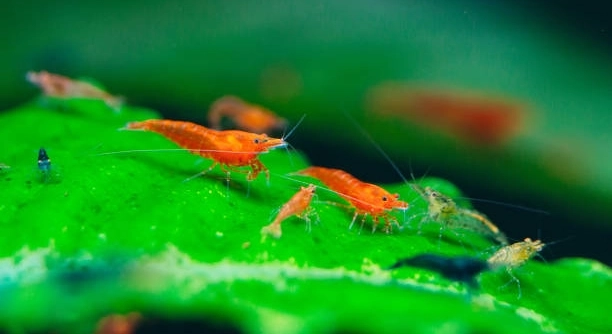
Cherry shrimp are small, colorful freshwater creatures often kept in planted aquariums. They move gracefully among plants and decorations, adding life to any tank. Their gentle nature makes them a favorite for many aquarium enthusiasts.
Cherry shrimp can nibble on aquarium moss, but they do not rely on it as a primary food source. They mainly consume biofilm, algae, and detritus, with moss serving as occasional supplemental nutrition or a hiding place in the tank.
Observing how shrimp interact with moss can reveal insights into their feeding habits and tank environment. Proper understanding helps maintain a healthy and balanced aquarium ecosystem for these tiny crustaceans.
What Cherry Shrimp Eat in the Aquarium
Cherry shrimp mainly feed on biofilm, algae, and leftover food in the tank. They pick at surfaces, grazing on tiny microorganisms that grow naturally on plants, decorations, and substrate. Moss can provide a small portion of their diet, but it is more useful as a hiding spot and shelter. These shrimp are opportunistic feeders, so they will nibble on anything small and soft that fits their mouthparts. Overfeeding with commercial foods can reduce their interest in moss, while a lightly planted tank encourages natural grazing.
Providing a varied diet ensures shrimp remain healthy.
Moss can trap leftover food and debris, which shrimp often clean up. It acts like a small food reserve and helps maintain water quality. Shrimp also use it for shelter, reducing stress and encouraging natural behavior patterns. Regularly checking moss growth and trimming when needed helps keep the tank balanced and prevents excessive decay that could harm water conditions.
Benefits of Aquarium Moss
Moss supports shrimp by creating safe spaces and surfaces for biofilm growth.
Besides shelter, moss plays a vital role in water quality and tank balance. It absorbs nitrates and provides surfaces for microorganisms that shrimp feed on. Shrimp use moss to molt safely, hiding during vulnerable periods. Different moss types, such as Java moss or Christmas moss, vary in texture, allowing shrimp to explore and graze. Maintaining healthy moss requires moderate lighting and clean water. Regular rinsing prevents buildup of waste or decaying matter. In tanks with heavy feeding, moss may need extra trimming to avoid overcrowding or water stagnation. Observing shrimp activity around moss can indicate their health and comfort, as active grazing and hiding are positive signs. Including moss in a shrimp tank enhances the natural environment, encourages proper nutrition, and supports their behavioral needs, contributing to overall tank stability and shrimp well-being.
How Cherry Shrimp Interact with Moss
Cherry shrimp often crawl over moss, picking at surfaces for biofilm and algae. They rarely damage the moss itself, instead using it as a grazing area and a place to hide, molt, or rest within the tank environment.
Observing shrimp on moss reveals their natural habits. They move slowly, grazing on tiny microorganisms that cling to leaves and stems. The moss provides multiple layers and textures, encouraging exploration and feeding. Molting shrimp especially benefit, as the dense moss offers shelter during this vulnerable time. Even small amounts of moss can improve shrimp activity and comfort, making the tank feel safer.
Different moss types attract shrimp differently. Some have finer leaves that hold more biofilm, while others offer thick coverage for hiding. Shrimp adjust their movement based on moss structure, choosing areas that balance feeding and protection. Moss placement near tank corners or decorations creates microhabitats where shrimp can forage and retreat without stress. Regular observation allows adjustments to moss density to maintain healthy shrimp behavior.
Maintaining Moss for Healthy Shrimp
Trimming moss regularly prevents decay and keeps the tank clean.
Healthy moss encourages shrimp activity and improves water conditions. Moss traps detritus, which can become harmful if left to decompose. Light trimming removes excess growth, maintaining space for shrimp to move freely. Adequate lighting supports moss growth but avoids algae overgrowth, which competes with biofilm. Water flow should be gentle, as strong currents can dislodge delicate moss, reducing grazing areas. Adding slow-growing moss varieties ensures steady surfaces for shrimp while minimizing maintenance. Observing shrimp behavior can indicate if moss density is appropriate, as overgrown moss may limit swimming and feeding.
Regular maintenance of moss balances tank health and shrimp well-being. Remove any decaying portions promptly, rinse moss occasionally to reduce trapped waste, and monitor water parameters like ammonia and nitrate levels. Healthy moss encourages more active grazing, while preventing buildup that can harm shrimp. Using moss alongside other plants can create a layered environment, offering multiple hiding spots and feeding surfaces. By integrating moss properly, shrimp have consistent access to natural food sources and shelter, which supports growth, molting, and overall vitality. A well-maintained moss habitat contributes directly to stable water conditions and a thriving shrimp population.
Choosing the Right Moss
Java moss and Christmas moss are popular for shrimp tanks. They grow steadily, tolerate low light, and provide safe hiding spaces.
Fine-leaved moss holds more biofilm, which shrimp can graze on. Dense moss offers better protection during molting, reducing stress and promoting natural behavior in the tank.
Feeding Habits with Moss
Shrimp feed primarily on biofilm and algae that grow on moss surfaces. They nibble constantly, scraping microorganisms with their tiny claws. Moss also traps leftover food, giving shrimp an additional, passive food source. Grazing on moss encourages natural movement and reduces boredom, supporting their overall health.
Preventing Moss Damage
Shrimp rarely harm healthy moss. Excessive moss decay or poor water conditions, not the shrimp, usually causes deterioration in the tank.
FAQ
Can cherry shrimp eat all types of moss?
Cherry shrimp can nibble on most types of moss, but their interaction depends on moss texture and density. Fine-leaved moss like Java moss offers more grazing surfaces for biofilm and algae. Thick or coarse moss, such as some ornamental mosses, is less palatable but still used for hiding and molting. Moss that is decaying or overgrown may attract less feeding, as shrimp prefer surfaces with fresh biofilm. Maintaining healthy moss ensures it remains a supplemental food source and shelter without deteriorating water quality.
How often do cherry shrimp eat moss?
Shrimp do not rely on moss as a primary food source. They graze continuously on biofilm and microorganisms present on moss leaves, but most of their nutrition comes from algae, detritus, and supplemental shrimp foods. Grazing frequency increases in tanks with low food availability or abundant biofilm. Observing their activity around moss can help determine if they are getting enough natural food or if additional feeding is needed. Moss provides both a food source and a safe area, making it essential for active shrimp behavior.
Is moss necessary for a cherry shrimp tank?
Moss is not strictly necessary but highly beneficial. It supports shrimp health by providing shelter during molting, surfaces for biofilm growth, and a place to hide from tank mates. Moss also traps debris, improving water quality and offering passive feeding opportunities. Even small patches of moss improve tank aesthetics and shrimp activity. Without moss, shrimp can survive if provided with enough alternative food and hiding spots, but including moss creates a more natural and low-stress environment for them.
Can cherry shrimp damage moss?
Healthy cherry shrimp rarely damage moss. They nibble on biofilm and algae without harming the plant structure. Moss deterioration is usually caused by poor water conditions, excess waste, or decay rather than shrimp feeding. Dense moss may trap detritus that needs regular cleaning to prevent breakdown. Proper lighting, gentle water flow, and occasional trimming ensure moss stays healthy while shrimp continue to benefit from it.
What types of moss are best for cherry shrimp?
Java moss is the most popular choice due to its resilience, fine texture, and ability to grow in low-light conditions. Christmas moss also works well, providing denser areas for hiding. Other moss types like Flame moss or Peacock moss can be used but may require slightly more care. The key is choosing moss that grows steadily, tolerates your tank conditions, and offers surfaces for grazing and shelter. Mixing moss types can create layered environments that encourage natural shrimp behavior.
How should moss be maintained in a shrimp tank?
Trimming moss regularly prevents overgrowth and decay. Rinse moss occasionally to remove trapped debris while avoiding strong water flow that can dislodge it. Monitor water quality, ensuring ammonia, nitrite, and nitrate levels remain low, as unhealthy water can harm both moss and shrimp. Adequate lighting promotes moss growth without encouraging excessive algae. Observing shrimp activity can indicate whether moss density is balanced, providing both feeding areas and hiding spots without overcrowding the tank.
Do shrimp eat moss after molting?
After molting, shrimp may graze lightly on moss while recovering. Moss provides a safe environment for molting shrimp to hide from stress and potential aggression from tank mates. Grazing biofilm during this time offers gentle nutrition that supports regeneration and overall recovery. Dense moss helps reduce stress and ensures molting shrimp have secure spaces to regain strength before resuming normal activity.
Can overfeeding affect shrimp grazing on moss?
Yes, when shrimp are fed too much commercial food, they may ignore moss. Excess food reduces the need to graze on natural biofilm and algae, potentially limiting their interaction with moss. Maintaining a balanced feeding schedule encourages shrimp to use moss for natural foraging and shelter while still receiving adequate nutrition from supplementary foods. Observing feeding behavior helps adjust portions to maintain grazing activity and promote natural behaviors.
How does moss improve water quality for shrimp?
Moss absorbs some nitrates and traps organic matter, reducing water pollution. By hosting microorganisms and biofilm, moss contributes to nutrient cycling and provides a natural, self-sustaining food source. Healthy moss helps maintain stable water conditions, which is critical for delicate shrimp species. Combining moss with other plants or filtration creates a cleaner, more balanced tank environment.
Can moss grow too fast in a shrimp tank?
Yes, moss can sometimes grow faster than expected, creating dense areas that limit swimming space. Regular trimming prevents overcrowding and ensures shrimp can access feeding surfaces and hiding spots. Fast-growing moss may trap debris if left unchecked, which can harm water quality. Maintaining moderate growth through careful lighting and pruning helps balance aesthetics, feeding surfaces, and tank functionality for healthy shrimp behavior.
Final Thoughts
Cherry shrimp and aquarium moss work well together in a tank setting. Moss provides a natural space for shrimp to explore and graze on biofilm, algae, and small microorganisms. It acts as a passive food source, helping to supplement the shrimp’s diet without requiring constant feeding from the owner. In addition to providing food, moss offers a safe area for shrimp to hide or molt, which is essential for their well-being. Even small patches of moss can make a noticeable difference in shrimp activity and comfort. Dense or fine-leaved moss encourages shrimp to move around more, grazing across the surfaces and interacting with the environment naturally. The presence of moss also makes the tank feel more dynamic and lively while supporting the small ecosystem that keeps shrimp healthy. For tanks with multiple shrimp, moss can help reduce stress and create individual spaces, which is particularly helpful during molting periods or when territorial behaviors emerge.
Maintaining moss properly is important for keeping both the shrimp and plants healthy. Trimming moss regularly prevents excessive growth that could block swimming areas or trap decaying material. Rinsing moss occasionally removes accumulated debris and supports clean water conditions. Healthy moss grows steadily under moderate lighting and gentle water flow. Strong currents can dislodge moss, while poor lighting can reduce its growth and overall effectiveness as a habitat. It is also important to monitor water parameters, including ammonia, nitrite, and nitrate levels. Unhealthy water can affect both moss and shrimp, leading to stress, decreased grazing, or deterioration of plant material. Combining moss with other plants can enhance its benefits, creating multiple layers of hiding spots and surfaces for feeding. This layered setup encourages shrimp to move naturally and engage in their usual behaviors, while also maintaining a visually appealing tank environment.
Understanding how cherry shrimp interact with moss can make tank care easier and more effective. While shrimp do not rely on moss as their primary food source, they gain significant benefits from having it in their environment. Moss supports natural grazing, offers shelter during vulnerable times, and helps maintain water quality. Observing shrimp behavior can guide adjustments in moss placement, trimming, and feeding schedules, ensuring a balanced and healthy tank. Incorporating moss thoughtfully also reduces stress for shrimp and encourages active, healthy lifestyles. Even a small investment in moss care can have noticeable benefits for the tank ecosystem. Overall, moss is a simple yet effective addition to a cherry shrimp tank, improving both shrimp health and the overall balance of the aquatic environment. Proper care and observation ensure the tank remains a safe and thriving habitat for these small, delicate creatures.

Hello,
If you enjoy the content that we create, please consider saying a "Thank You!" by leaving a tip.
Every little bit helps us continue crafting quality advice that supports the health, happiness, and well-being of pets around the world, for pets of all shapes, sizes, and species.
We really appreciate the kindness and support that you show us!