
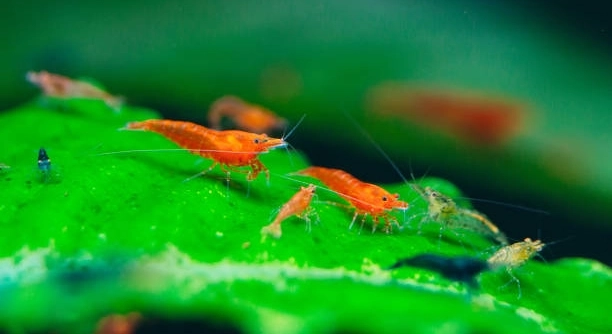
Have you ever noticed your shrimp gathering at one spot during feeding time? Watching them nibble around can make you wonder which type of food truly suits their habits best. Their behavior is subtle but telling.
Shrimp generally prefer sinking food over floating food because it aligns with their natural bottom-feeding behavior. They tend to search the substrate for scraps and consume food that settles, allowing them to feed comfortably and efficiently.
Understanding shrimp feeding preferences can help you maintain a healthier aquarium. Observing how they interact with different foods reveals more than just their eating habits.
Understanding Shrimp Feeding Habits
Shrimp are naturally bottom dwellers, which affects how they approach their food. They usually explore the substrate, picking at small particles that sink to the bottom. Floating food can attract their attention, but it often drifts away before they can reach it. Observing shrimp in a tank shows that they are slow and methodical eaters. They prefer to graze continuously rather than rush toward a floating pellet. Different species have slightly varied behaviors, but most share this preference for food that settles. This feeding pattern also helps them avoid competition with faster, more aggressive tank mates. By understanding this behavior, aquarists can adjust feeding schedules and choose appropriate foods that align with shrimp habits. Offering sinking foods in measured amounts prevents overfeeding and keeps water quality stable. Over time, this makes shrimp more comfortable during feeding, reducing stress and encouraging consistent growth. It also helps maintain a clean tank environment for everyone living there.
Shrimp feeding habits are shaped by their environment. Sinking foods match their natural grazing patterns.
Providing sinking food consistently encourages shrimp to feed properly, maintain health, and prevent leftover food from polluting the tank, making tank management easier and more efficient.
Choosing the Right Food Type
Floating food can seem convenient, especially for mixed tanks where visibility is key. However, it often leaves shrimp struggling to reach it. Sinking pellets or wafers allow shrimp to feed at their pace without stress.
Selecting food specifically designed to sink ensures shrimp get proper nutrition. Many sinking options contain essential proteins, vitamins, and minerals necessary for molting and growth. Feeding sinking foods in small amounts reduces waste and helps maintain water clarity. Some shrimp species also benefit from algae wafers, blanched vegetables, or protein-rich pellets that slowly release nutrients as they settle. Observing shrimp while feeding helps gauge which foods they prefer and how much to offer. Adjusting feeding techniques based on their behavior promotes better health and reduces aggressive competition for resources. Over time, shrimp learn the feeding schedule, resulting in calmer behavior and consistent growth. By choosing foods that align with their habits, aquarists create a balanced and thriving tank environment that supports all inhabitants. Proper feeding not only improves shrimp longevity but also enhances their colors and overall vitality, making the tank more enjoyable to observe.
Feeding Frequency and Portions
Shrimp do best with small, frequent feedings rather than one large meal. Overfeeding can lead to leftover food, which harms water quality and encourages algae growth.
Feeding shrimp in small amounts multiple times a day mimics their natural grazing habits. They consume little by little, picking at food throughout the day. By observing their eating pace, you can adjust portions to ensure they finish the food without leftovers. This approach helps maintain stable water parameters, which is crucial for shrimp health. Sinking foods work well for frequent feedings because they stay within reach longer, allowing shrimp to feed comfortably at their own pace without stress.
Portion control is also important for mixed tanks. If other species are present, feeding too much can cause aggression and competition. Sinking foods help shrimp feed first, reducing stress and ensuring they get adequate nutrition. Careful portioning supports molting, growth, and overall vitality. Regular observation allows you to fine-tune amounts, ensuring shrimp remain active and healthy without compromising tank cleanliness.
Observing Shrimp Behavior
Shrimp often signal their preferences through subtle movements. Grazing patterns show what food they favor and how comfortable they feel.
Watching shrimp during feeding provides insight into their habits and needs. They tend to explore the bottom carefully, picking at sinking particles and ignoring floating options. Some shrimp may climb plants or decorations to reach drifting food, but this is less efficient for them. By noting which foods disappear fastest, you can identify preferred options and adjust feeding schedules accordingly. Observation also reveals stress signs, like hiding or reduced movement, which can indicate issues with water quality or nutrition.
Behavior observation helps tailor feeding strategies. Offering sinking foods aligned with their natural habits encourages consistent feeding and reduces wasted food. This approach improves health, enhances colors, and prevents competition in mixed tanks. Regular monitoring ensures that all shrimp receive enough nutrition without overfeeding, creating a calmer, more balanced tank environment where shrimp can thrive and display natural behaviors comfortably.
Tank Setup and Feeding
Shrimp prefer areas with hiding spots and gentle currents. Food that sinks naturally reaches them near the substrate, making feeding easier and less stressful.
Plants, rocks, and decorations create spaces for shrimp to forage safely. Sinking foods settle around these areas, allowing shrimp to eat comfortably without being disturbed by faster tank mates.
Choosing Nutrient-Rich Foods
Sinking foods designed for shrimp often contain essential nutrients like protein, calcium, and vitamins. These nutrients support molting, growth, and overall vitality. A diet that meets these needs keeps shrimp active and healthy, promoting vibrant colors and strong shells.
Avoiding Overfeeding
Too much food can pollute water quickly. Offer only what shrimp can consume in a short time to maintain cleanliness and healthy conditions.
FAQ
Do shrimp eat floating food at all?
Yes, shrimp can nibble on floating food, but it’s not their preference. They are slow bottom feeders, so floating pellets often drift away before they can reach them. Floating foods can be used occasionally, but most shrimp will ignore them if sinking options are available.
How often should I feed my shrimp?
Shrimp do best with small, frequent feedings. Offering tiny portions two to three times a day allows them to graze naturally. Overfeeding once a day can leave excess food that pollutes the tank and encourages algae growth, which may stress shrimp and other tank inhabitants.
Can shrimp share food with other fish?
Yes, but competition can be an issue. Shrimp are slow eaters, so faster fish might consume most of the food. Using sinking foods helps shrimp feed at the bottom without being outcompeted, giving them time to eat safely and get proper nutrition.
What types of sinking food are best?
Shrimp thrive on pellets, wafers, algae sheets, and blanched vegetables. High-protein pellets support growth and molting, while algae-based foods promote healthy coloration. Rotating food types ensures balanced nutrition, preventing deficiencies and keeping shrimp active and healthy in the tank environment.
Is it bad to give shrimp too much food?
Yes, overfeeding can quickly reduce water quality. Uneaten food decays and produces ammonia, which is harmful to shrimp. Sticking to small, controlled portions that they can finish in minutes helps maintain clean water and reduces the risk of stress or disease.
Do baby shrimp have different food preferences?
Baby shrimp, or shrimplets, prefer finely powdered sinking foods or specially formulated micro-pellets. Their tiny size makes it difficult to eat larger sinking pellets. Providing appropriate food ensures proper growth and reduces mortality in the early stages of life.
Can shrimp survive on vegetables alone?
Vegetables can supplement their diet but are not sufficient alone. Shrimp require protein and minerals for molting and growth. Offering a mix of sinking pellets, algae wafers, and occasional blanched vegetables provides a balanced diet, supporting health, activity, and vibrant coloration.
How can I tell if shrimp are getting enough food?
Healthy shrimp are active, colorful, and consistently molt. If shrimp hide constantly or appear thin, they may be underfed. Observing feeding behavior helps determine if portions are adequate. Sinking foods allow shrimp to eat calmly and ensure everyone receives enough nutrition.
Do shrimp prefer live food?
Some shrimp enjoy live foods like daphnia or brine shrimp. These can be offered occasionally as a treat but are not necessary for most species. Sinking pellets with balanced nutrition are sufficient for daily feeding while providing ease and cleanliness.
Should I mix floating and sinking foods?
It’s possible but usually unnecessary. Sinking foods meet shrimp dietary needs and match their natural habits. Floating foods may be useful in mixed tanks, but for shrimp alone, focusing on sinking options ensures they eat efficiently and reduces leftover food that can pollute the tank.
Can shrimp eat food off plants or decorations?
Yes, shrimp naturally graze surfaces for algae, biofilm, and settled food. Sinking foods often land on plants or decorations, allowing shrimp to forage safely while mimicking their natural behavior. This also keeps them occupied and reduces stress.
How long does it take for shrimp to finish a meal?
It depends on the portion and type of food. Small sinking pellets can be consumed within 10–15 minutes, while wafers may take longer. Observing their pace helps prevent overfeeding and ensures water quality remains stable.
Is temperature important for feeding?
Yes, shrimp metabolism slows in cooler water, reducing appetite. Warmer temperatures within their preferred range increase feeding activity. Adjusting portions according to temperature ensures shrimp eat efficiently without leaving excess food in the tank.
Can shrimp eat leftover fish food?
They can, but it depends on the type. Sinking flakes or pellets that reach the bottom can be consumed. Floating fish food may go uneaten, leaving debris. Providing food suited for shrimp ensures balanced nutrition and prevents water contamination.
How do I store shrimp food properly?
Keep food in a cool, dry place, away from moisture and sunlight. Proper storage preserves nutrients and prevents spoilage. Using fresh, well-stored sinking foods helps maintain quality and ensures shrimp receive consistent nutrition.
Can shrimp go without food for a few days?
Shrimp can survive short periods without food because they graze on biofilm and algae. However, prolonged fasting can weaken them, slow growth, and affect molting. Regular feedings of sinking food are the safest way to maintain health and activity.
Are homemade foods safe for shrimp?
Homemade options can be safe if balanced, including proteins, vitamins, and minerals. Common choices are boiled vegetables or finely chopped seafood. However, precise nutrition is hard to achieve, so commercially formulated sinking foods are usually more reliable for daily feeding.
Do shrimp ever overeat?
Shrimp rarely overeat naturally, but excessive portions left in the tank can lead to water quality issues. Controlling portion size ensures they get enough nutrition without the negative effects of decaying leftovers, keeping the tank clean and shrimp healthy.
How do I transition shrimp to a new food?
Introduce new food gradually alongside their current diet. Mixing small amounts helps shrimp recognize and accept it without causing stress. Gradual changes reduce rejection and allow observation of preferences, ensuring smooth adaptation to new sinking foods.
Can shrimp eat algae alone?
Algae is a good supplement but not enough for complete nutrition. It provides fiber and some vitamins but lacks sufficient protein for growth and molting. Combining algae with sinking pellets or wafers ensures a balanced diet that supports health, coloration, and longevity.
What is the best way to feed shrimp in a community tank?
Use sinking foods placed near hiding spots to reduce competition. Monitor feeding to ensure shrimp get their share while faster species consume surface food. Careful portioning and observation prevent stress, maintain water quality, and ensure all shrimp are properly nourished.
Do shrimp prefer specific textures?
Yes, shrimp respond well to firm sinking pellets or wafers that don’t disintegrate immediately. Soft foods may be harder to grasp and can create debris, while firm textures allow slow grazing and easy handling, aligning with their natural bottom-feeding behavior.
Can shrimp survive on a vegetarian diet?
Vegetarian diets alone are insufficient. They need protein for growth, molting, and energy. Including algae, vegetables, and sinking protein pellets ensures balanced nutrition, supporting development and overall vitality.
How important is food placement in the tank?
Very important. Sinking food should reach the substrate near plants, rocks, or decorations. This allows shrimp to feed comfortably, reduces competition, and mimics natural behavior, promoting health, activity, and reduced stress.
Do shrimp need variety in their diet?
Yes, variety prevents deficiencies and encourages natural foraging behavior. Rotating sinking pellets, wafers, algae, and vegetables supports growth, color, and molting. Consistent nutrition from multiple sources ensures shrimp remain healthy and active.
How long can shrimp store energy from a meal?
Shrimp digest and use food quickly due to their fast metabolism. Small, frequent feedings are ideal because energy from one meal lasts only a few hours, making regular access to sinking food necessary for consistent growth and health.
Are shrimp picky eaters?
Shrimp can be selective, preferring sinking foods that match their grazing habits. They may ignore floating or unfamiliar foods at first. Offering food in preferred textures and nutrient balance ensures they eat well and stay healthy.
Do shrimp eat at night or during the day?
Shrimp are mostly active during low light periods but will feed at any time if food is available. Sinking foods allow feeding at the bottom regardless of lighting, ensuring nutrition is accessible whenever they are active.
Can shrimp overconsume protein?
Yes, too much protein can cause health issues and water pollution. Balanced diets with moderate protein, supplemented with plant matter, support molting and growth while keeping the tank environment stable and safe.
How do I remove uneaten food safely?
Use a small net or siphon to remove leftovers. Prompt removal prevents decay and ammonia spikes. Observing shrimp feeding and offering controlled portions reduces waste, keeping the tank clean and shrimp healthy.
What signs indicate shrimp like a particular food?
Shrimp gather around the food quickly, feed steadily, and return for more. Active, colorful shrimp that explore the substrate and consume food efficiently show clear preference, helping determine which sinking foods work best for your tank.
Can shrimp feed together peacefully?
Yes, if portions are adequate and food sinks. Proper placement and small amounts prevent competition, allowing shrimp to graze together without stress while ensuring everyone receives nutrition.
How important is water quality for feeding?
Water quality directly affects feeding behavior. Poor water conditions stress shrimp and reduce appetite. Keeping ammonia, nitrite, and nitrate low ensures shrimp feed regularly and absorb nutrients effectively.
Do shrimp need supplements beyond sinking food?
If the sinking food is balanced, additional supplements are usually unnecessary. Occasionally offering algae or vegetables can enhance nutrition, but high-quality sinking pellets or wafers provide complete diets for healthy growth, molting, and color.
Is it okay to leave food overnight?
It’s better to remove uneaten food before nightfall. Food left too long decays, affecting water quality. Sinking foods that settle quickly reduce waste, but careful observation ensures the tank remains clean and shrimp stay healthy.
Do shrimp prefer live algae over dried foods?
Live algae can be enjoyed, but shrimp also accept dried or wafer forms. Sinking dried foods are more convenient, provide balanced nutrition, and reduce tank maintenance, making them suitable for regular feeding while still satisfying grazing instincts.
Can feeding habits change over time?
Yes, shrimp may adjust preferences based on age, health, or tank conditions. Observing their behavior helps identify changes and ensures the diet continues to meet nutritional needs. Flexibility in feeding options supports long-term health and growth.
Do shrimp recognize specific feeding spots?
Yes, shrimp often return to areas where food is consistently offered. Placing sinking foods in the same spots encourages predictable feeding behavior and reduces stress, helping shrimp feed efficiently while maintaining a clean tank.
Is it necessary to remove all biofilm before feeding?
No, biofilm provides a natural food source and complements sinking foods. Shrimp will graze on it alongside pellets or wafers, supporting balanced nutrition and promoting healthy foraging behavior in the tank.
Can shrimp eat leftover decayed food safely?
Decayed food is unsafe, as it produces ammonia and toxins. Shrimp may nibble at small particles, but prolonged exposure harms health. Removing leftovers promptly ensures a safe, clean environment and prevents stress or disease.
Do shrimp prefer sinking foods over live foods consistently?
For daily feeding, yes. Sinking foods provide balanced nutrition and are easier to manage. Live foods can supplement occasionally, but shrimp thrive on nutrient-rich sinking options that match their natural feeding behavior.
How does molting affect feeding?
Molting shrimp may reduce food intake temporarily. Providing easy-to-access sinking foods ensures they can eat when ready, supporting recovery, growth, and maintaining overall health during this vulnerable period.
Are shrimp affected by food flavor?
Yes, shrimp often respond better to protein-rich or algae-based flavors. While subtle, flavor can encourage feeding, ensuring they consume sufficient nutrients while remaining active and healthy.
Can shrimp adapt to different food brands?
Gradually, yes. Mixing small amounts of new brands with familiar sinking foods helps shrimp adjust without stress, ensuring continuous nutrition while introducing variety to prevent deficiencies or boredom.
Do shrimp ever refuse food completely?
They may refuse food due to poor water quality, illness, or recent molting. Observing behavior and maintaining clean conditions ensures shrimp resume feeding quickly, supporting growth and vitality.
How long should feeding sessions last?
Shrimp typically consume small portions within 10–20 minutes. Offering food beyond this risks decay and water contamination. Short, controlled feeding sessions maintain water quality and provide consistent nutrition.
Can shrimp share food with snails or other bottom dwellers?
Yes, but monitor portions. Sinking foods allow shrimp to eat first, while snails or other bottom dwellers can access leftovers without stress, maintaining harmony and preventing overfeeding.
Is it better to feed multiple times a day or once?
Multiple small feedings are ideal. Shrimp graze naturally, and frequent feedings prevent waste and support steady growth. Large single meals may leave uneaten food that degrades water quality and encourages algae.
Do shrimp prefer soft or hard sinking foods?
Firm sinking pellets and wafers are preferred. They remain intact long enough for slow grazing, reduce debris, and mimic natural feeding behavior, making it easier for shrimp to consume nutrients efficiently.
Can temperature or light cycles affect feeding?
Yes, shrimp are more active in preferred temperature ranges and low light periods. Adjusting feeding to match activity ensures they consume food efficiently, supporting growth, health, and overall vitality.
How do I introduce new sinking foods safely?
Mix small amounts with their current diet over several days. Observe acceptance and adjust portions gradually. This method reduces stress, encourages consistent feeding, and ensures nutritional needs are met while maintaining tank balance.
Are commercial sinking foods sufficient for all shrimp species?
For most species, yes. High-quality sinking foods provide balanced nutrition, supporting growth, molting, and coloration. Occasional supplementation with algae or vegetables can enhance variety but is not essential for healthy daily feeding.
Can shrimp overgraze on biofilm if food is insufficient?
Yes, limited supplemental food may increase grazing on biofilm, which is usually safe. However, biofilm alone cannot meet all nutritional needs. Providing proper sinking foods ensures balanced growth, molting support, and overall vitality.
Do shrimp need calcium supplements beyond food?
If sinking foods contain sufficient minerals, additional calcium is usually unnecessary. Adequate calcium supports molting and shell strength. Occasional supplementation is only needed in soft water tanks where minerals are low.
How do I know if shrimp enjoy a new food?
Shrimp gather, feed actively, and return for more. Rapid consumption and steady grazing indicate preference. Observing behavior during feeding helps determine which sinking foods meet their needs effectively.
Can shrimp feed while hiding?
Yes, sinking foods allow shrimp to eat safely from under plants or decorations. This reduces stress and mimics natural foraging behavior, ensuring they get nutrition without exposure to perceived threats or competition.
Is it necessary to remove old sinking food before adding new?
Yes, removing leftovers prevents decay and ammonia buildup. Offering controlled portions of fresh sinking food ensures shrimp feed efficiently while maintaining water quality and tank health.
Do shrimp prefer natural foods over processed pellets?
Shrimp respond to both. High-quality processed sinking foods provide balanced nutrition consistently. Occasional natural foods like blanched vegetables or algae wafers can enhance variety but are not essential for daily health.
Can shrimp distinguish between food types?
Yes, they often show preference for sinking foods with higher protein or algae content. Observing which foods they consume first helps adjust diet to match nutritional needs and preferences.
How long should new shrimp acclimate before feeding?
Usually a few hours to a day. Allow them to settle and explore the tank before introducing food. This reduces stress and encourages proper feeding once acclimated.
Do shrimp share food peacefully among themselves?
Typically, yes. Sinking foods settle on the substrate, allowing multiple shrimp to feed simultaneously. Small portions prevent competition and ensure even access, supporting healthy growth for all.
Can feeding routines affect shrimp behavior?
Yes, consistent feeding times and preferred sinking foods promote calm, active behavior. Irregular feeding may cause stress, hiding, or reduced activity, affecting overall health and tank harmony.
Do shrimp need feeding if there’s plenty of algae?
Algae helps, but it is not enough alone. Sinking foods ensure balanced protein, vitamins, and minerals, supporting growth, molting, and coloration beyond what algae provides.
Are there foods shrimp should avoid?
Avoid high-fat human foods, excessive flakes, or items that decay quickly. These can harm water quality or lack proper nutrients. Stick to balanced sinking foods designed for shrimp for safety and health.
Can shrimp eat leftover food from the previous day?
It’s risky. Old food can decay, produce ammonia, and harm shrimp. Only offer freshly placed sinking food and remove uneaten portions promptly to maintain clean water and prevent stress or illness.
Does shrimp size affect feeding choices?
Yes, smaller shrimp require finely powdered or micro-pellets, while adults can handle larger sinking pellets or wafers. Providing appropriately sized food ensures proper consumption and growth at every stage.
Can shrimp eat both plant and animal-based foods?
Yes, a combination supports balanced nutrition. Algae, vegetables, and protein-rich sinking pellets together meet dietary needs, promoting healthy growth, vibrant coloration, and strong shells.
Is it better to feed shrimp before or after lights are on?
Feeding during low light periods aligns with natural grazing behavior. Sinking foods placed before lights come on allow shrimp to feed safely and calmly without excessive competition or stress.
Do shrimp prefer live or dried algae?
Both are acceptable. Live algae offers movement that attracts shrimp, while dried wafers or pellets are more practical for daily feeding. Sinking forms ensure shrimp can access nutrition efficiently.
How much food should I give at one time?
Provide only what shrimp can finish in 10–15 minutes. Controlled portions prevent leftover decay, maintain water quality, and ensure all shrimp feed adequately.
Can shrimp detect spoiled food?
Yes, shrimp may avoid decaying or foul-smelling food. Observing feeding behavior helps identify freshness, ensuring only safe, nutritious sinking foods are offered.
Is there a risk of shrimp choking on sinking food?
Rarely, if food is appropriately sized. Using pellets or wafers suited to shrimp size prevents choking and allows safe, efficient consumption.
Do shrimp prefer slow-sinking or fast-sinking food?
Slow-sinking foods are ideal. They remain accessible on the substrate longer, allowing shrimp to feed at their natural pace without rushing or missing portions.
How often should I rotate food types?
Rotating every few days or weekly keeps shrimp interested and provides balanced nutrients. Combining pellets, wafers, algae, and vegetables ensures they get proteins, vitamins, and minerals consistently.
Can shrimp survive on only one type of sinking food?
Yes, high-quality sinking foods provide complete nutrition. However, variety improves feeding engagement and prevents nutritional gaps, supporting overall health and vibrant coloration.
Do shrimp feed differently in groups versus alone?
Groups can eat more efficiently, grazing together and sharing sinking food. Alone, they may feed slower but will still consume adequate portions if food is accessible.
Does tank size affect feeding behavior?
Yes, larger tanks may require multiple feeding spots to ensure shrimp find food easily. Sinking foods placed strategically allow all shrimp to access nutrients without excessive competition.
**
Shrimp are fascinating creatures that follow simple, natural feeding habits. Observing them in a tank reveals a clear preference for sinking foods. They spend most of their time near the bottom, grazing slowly and methodically. Floating food may attract attention for a short time, but it often drifts away before shrimp can eat it properly. By focusing on sinking foods, aquarists can provide a feeding environment that matches shrimp behavior. This makes mealtime less stressful for the shrimp and more predictable for the keeper. A tank with consistent feeding routines allows shrimp to eat at their own pace and reduces the risk of leftover food polluting the water.
Feeding shrimp properly is more than just offering the right type of food. Portion control, frequency, and placement are all key factors. Small, frequent meals work best because shrimp graze naturally rather than consuming large amounts at once. Using sinking pellets, wafers, or blanched vegetables ensures the food reaches them where they spend most of their time. Observing shrimp during feeding helps to adjust portions and choose the most suitable foods for the species in the tank. This approach supports growth, molting, and overall vitality. Over time, it becomes clear which foods the shrimp prefer and how much they need for consistent health. Feeding strategies also play a role in maintaining water quality, as uneaten food is one of the main causes of tank pollution.
Maintaining a healthy shrimp tank requires attention to detail, but it is rewarding. Understanding shrimp behavior, providing nutrient-rich sinking foods, and monitoring feeding patterns all contribute to a thriving environment. Proper care results in active, colorful shrimp that display natural behaviors, which is satisfying to observe. A thoughtful feeding plan reduces stress for the shrimp and creates a cleaner, more balanced tank. Even small adjustments, like switching to sinking foods or offering food in preferred areas, make a noticeable difference. By respecting their natural habits and ensuring their nutritional needs are met, shrimp remain healthy and vibrant, enhancing the enjoyment and success of keeping them in an aquarium.

Hello,
If you enjoy the content that we create, please consider saying a "Thank You!" by leaving a tip.
Every little bit helps us continue crafting quality advice that supports the health, happiness, and well-being of pets around the world, for pets of all shapes, sizes, and species.
We really appreciate the kindness and support that you show us!