
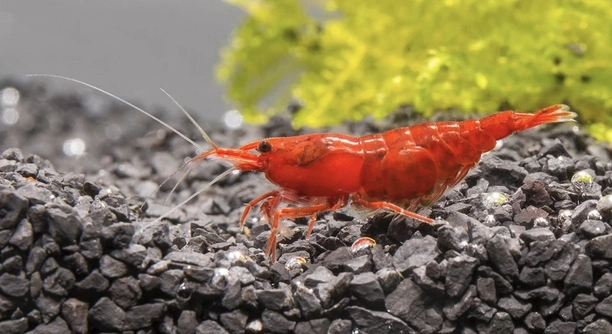
Cherry shrimp are a popular choice for freshwater aquariums, admired for their bright colors and active behavior. Many hobbyists notice, however, that these tiny creatures sometimes avoid the gravel at the bottom of their tanks.
Cherry shrimp may avoid gravel due to factors such as poor water quality, inappropriate substrate type, insufficient hiding spaces, or stress from tank mates. Each of these environmental and behavioral influences can significantly alter shrimp activity and feeding patterns.
Learning how these factors impact shrimp behavior will help improve their habitat and encourage healthier, more active shrimp in your aquarium.
Understanding Substrate Preferences
Cherry shrimp often show clear preferences for the type of substrate in their tank. Fine gravel or sand tends to be easier for them to walk across and forage on, while large or sharp gravel can discourage movement. Uneven or coarse substrates can trap uneaten food and waste, creating pockets that make shrimp hesitant to explore. They are naturally cautious and will avoid areas that feel unstable or potentially harmful. Providing a substrate that mimics their natural habitat encourages more confident and consistent behavior. Many hobbyists notice that adding a layer of fine sand over coarser gravel improves shrimp activity. Additionally, live plants or moss attached to the substrate create secure hiding spots. This combination not only satisfies their need for safety but also allows them to graze and scavenge comfortably. Observing shrimp behavior closely after changes in substrate can help determine the best environment for them.
Choosing the right substrate makes shrimp feel secure and more willing to explore the tank regularly.
Even slight adjustments in substrate depth or texture can change shrimp behavior significantly. Shallow areas with fine gravel allow easy movement, while dense plant coverage gives them confidence to venture further. Over time, the shrimp learn which areas are safe and where they can find food, reducing stress. Gravel that is too large or rough discourages activity, often leaving shrimp hiding or clinging to plants. Combining different textures and surfaces can create a balanced habitat. This approach supports natural behaviors like grazing, molting, and breeding. Observing their daily patterns helps refine substrate placement. Incorporating moss or low plants ensures constant grazing opportunities and adds a sense of security. Water flow should also be mild to prevent dislodging delicate shrimp from the substrate. By understanding their preferences, it becomes easier to maintain a healthy, active population that interacts naturally with the tank environment.
Water Quality and Its Effect
Water conditions strongly influence shrimp activity and substrate use. Poor water parameters can cause them to hide and avoid gravel.
Maintaining stable pH, temperature, and ammonia levels ensures shrimp feel safe and comfortable. Proper filtration and regular water changes are essential.
Shrimp are highly sensitive to even minor fluctuations in water quality. Ammonia spikes, high nitrate levels, or sudden temperature changes can stress them, causing them to retreat from the substrate entirely. They rely on consistent conditions to forage and explore safely. Testing water parameters regularly and adjusting them as needed supports their health and activity. Water hardness also affects their comfort, influencing how confidently they move across the substrate. Adding gentle aeration or small plants can stabilize water conditions further, creating microhabitats that reduce stress. Clean water encourages shrimp to graze openly rather than hiding, promoting natural behaviors like molting and reproduction. By monitoring and maintaining proper water quality, you create an environment that allows cherry shrimp to thrive, interact with the substrate, and exhibit their full range of natural behaviors.
Hiding Spots and Tank Layout
Providing plenty of hiding spots helps cherry shrimp feel safe and encourages them to explore the gravel. Moss, small plants, and decorations give them places to retreat when they feel threatened or stressed.
Shrimp naturally seek cover to avoid predators and reduce stress. Without sufficient hiding spots, they often cling to plants or tank walls rather than moving across the substrate. Dense moss, small caves, or ceramic tubes create secure zones, allowing them to graze and interact safely. Proper spacing between decorations ensures they can move freely without feeling exposed. Observing their patterns helps determine if more cover is needed. Over time, shrimp gradually become more comfortable venturing onto open gravel areas, which improves feeding and activity.
Even the placement of decorations can influence shrimp behavior. Tall plants near the substrate edges provide shelter, while open central areas allow grazing. Mixing plant types and heights encourages exploration while maintaining security. Low-flow areas around hiding spots reduce stress and prevent them from being pushed into unsafe zones. Small adjustments in tank layout can dramatically improve shrimp confidence, resulting in healthier and more active individuals.
Feeding Practices
Cherry shrimp tend to avoid gravel if food is scarce or scattered, preferring areas with visible feeding opportunities. Concentrating food in safe zones encourages movement.
Regular, evenly spaced feeding helps shrimp explore the substrate without stress. Uneaten food should be removed to prevent decay and maintain water quality. Rotating food types ensures they receive balanced nutrition.
Shrimp are selective grazers, often preferring biofilm, algae, or specialized shrimp pellets. Placing food near moss or low plants allows them to forage confidently. Overfeeding can lead to waste accumulation, making gravel less appealing. Feeding in small portions multiple times a day maintains constant grazing opportunities and reduces competition. Some hobbyists sprinkle powdered food or use sinking tablets to ensure even distribution. Watching their feeding behavior helps identify preferred areas and adjust placement accordingly. Providing consistent nutrition while keeping the substrate clean encourages them to explore and use the gravel actively, supporting natural behavior patterns and overall health.
Tank Mates
Aggressive or fast-moving fish can make cherry shrimp avoid the gravel entirely. Keeping compatible species reduces stress and encourages natural activity.
Peaceful fish or invertebrates allow shrimp to explore without fear. Overcrowding should be avoided, as limited space can increase hiding behavior and restrict movement.
Lighting Conditions
Bright, harsh lighting can cause shrimp to stay under plants or decorations instead of venturing onto gravel. Dim or diffused lighting makes them feel more secure.
Adjusting light intensity to mimic natural conditions supports grazing and reduces stress. Timed lighting schedules help shrimp adapt and maintain consistent activity throughout the day.
Molting and Growth
During molting, shrimp hide more and avoid the gravel until their new exoskeleton hardens. This behavior is natural and temporary.
Providing safe, sheltered areas ensures they can molt safely without being disturbed. Adequate minerals in water support healthy growth and successful molting.
FAQ
Why are my cherry shrimp avoiding the gravel?
Cherry shrimp often avoid the gravel due to stress, poor water quality, or an unsuitable substrate. Sharp or uneven gravel can make them hesitant to explore. Lack of hiding spots or aggressive tank mates can also cause them to stay hidden, preferring plants or decorations instead.
Can the type of gravel affect shrimp behavior?
Yes, gravel texture, size, and composition directly influence shrimp activity. Fine gravel or sand is easier for walking and grazing, while coarse or sharp gravel discourages movement. Mixing textures and adding moss or plants can create a comfortable environment that encourages shrimp to use the substrate.
Does water quality make a difference?
Absolutely. Ammonia spikes, high nitrates, and sudden temperature fluctuations can stress shrimp, making them avoid the substrate. Maintaining stable pH, temperature, and water hardness while performing regular water changes ensures shrimp feel safe enough to explore the gravel.
Do shrimp need hiding spots?
Yes, hiding spots are essential. Cherry shrimp feel vulnerable without cover. Moss, plants, small caves, or ceramic tubes provide safe areas. Properly placed shelters reduce stress, allowing shrimp to venture onto the gravel more confidently and display natural grazing behavior.
Can tank mates affect gravel use?
Aggressive or fast-moving fish can scare shrimp, preventing them from exploring the substrate. Peaceful species are best for community tanks with shrimp. Avoid overcrowding to minimize stress, as limited space and constant disturbance can make them cling to plants instead of the gravel.
Does feeding influence gravel exploration?
Yes, shrimp will avoid gravel if food is scarce or hard to find. Placing food in accessible areas near hiding spots encourages them to forage. Small, frequent feedings reduce stress and prevent waste buildup, promoting active grazing across the substrate.
How does lighting affect shrimp behavior?
Bright or harsh lighting can make shrimp hide under plants and decorations. Dim or diffused lighting mimics natural conditions, helping shrimp feel secure while grazing. Timed lighting schedules support consistent daily activity without startling them.
What happens during molting?
During molting, shrimp hide more and avoid gravel until their new exoskeleton hardens. This is normal behavior. Providing safe, sheltered areas and proper minerals in water ensures successful molts and healthy growth.
Can stress cause shrimp to stay in one place?
Yes, stress from poor water quality, aggressive tank mates, or insufficient hiding spots can make shrimp remain in one area. Reducing stressors and monitoring behavior helps them feel secure and encourages movement across the gravel.
Is it normal for some shrimp to avoid gravel entirely?
It can happen, especially if their environment lacks safety or comfort. Observing their behavior, adjusting substrate, and improving tank conditions usually encourages them to explore more over time.
How long does it take for shrimp to adapt to new gravel?
Adaptation varies by individual shrimp. With proper substrate, hiding spots, and stable water conditions, shrimp generally begin exploring within a few days to a week. Patience and gradual adjustments help them feel confident and reduce stress.
Do decorations impact shrimp activity?
Yes, decorations can provide security or create obstacles. Dense plant coverage and strategically placed shelters encourage shrimp to move across the substrate safely, while cluttered or sharp decorations may make them avoid certain areas entirely.
Are there any signs that shrimp are stressed?
Shrimp that stay hidden, cling to plants, or show reduced feeding may be stressed. Molting difficulties, unusual color changes, or lethargy also indicate environmental issues that should be addressed to promote healthy substrate exploration.
Can water flow affect substrate use?
Strong currents can push shrimp off the substrate, making them retreat to sheltered areas. Gentle, consistent water flow is ideal, allowing shrimp to graze and move safely without being disturbed.
How can I encourage shrimp to use the gravel more?
Provide fine or mixed substrate, stable water conditions, hiding spots, and gentle water flow. Feed consistently near safe areas, reduce stress from tank mates, and adjust lighting. Observing their behavior and making gradual changes encourages natural movement and grazing across the gravel.
Final Thoughts
Cherry shrimp are small but sensitive creatures whose behavior can reveal a lot about the conditions in their aquarium. Avoiding the gravel is often a sign that something in their environment is not ideal, whether it is the substrate itself, water quality, lighting, or tank mates. Paying attention to these details is important because shrimp need a safe and comfortable space to explore, forage, and molt. Fine gravel or sand, combined with small plants or moss, provides a stable surface for movement and feeding. Adding shelters and hiding spots gives them security, which encourages natural activity. Even minor adjustments to substrate depth or texture can make a significant difference in how confident shrimp feel while moving across the tank floor. By observing their daily behavior, it becomes easier to identify areas that may need improvement or modification to support their overall well-being.
Water quality plays an equally crucial role in promoting active, healthy shrimp. Cherry shrimp are highly sensitive to changes in ammonia, nitrate, and water hardness. Fluctuations in pH or temperature can quickly lead to stress, causing shrimp to retreat from the gravel or remain hidden for extended periods. Regular water testing and maintenance routines help maintain stable conditions, allowing shrimp to feel secure. Proper filtration, gentle water flow, and consistent feeding schedules further support their comfort and activity levels. Overfeeding or leaving uneaten food to decay on the gravel can create unhealthy conditions, discouraging shrimp from exploring their substrate. Introducing a balanced feeding routine with small portions near hiding spots encourages natural grazing behavior while keeping water quality high. When these factors are properly managed, shrimp are more likely to use the gravel confidently and display their full range of behaviors.
Tank layout and lighting also influence how shrimp interact with the substrate. Dense plant coverage, moss, and strategically placed decorations create safe zones while open areas allow grazing and movement. Adjusting light intensity to mimic natural conditions prevents stress and encourages shrimp to explore. Aggressive or fast-moving tank mates can also limit substrate use, so choosing compatible species is essential. Additionally, understanding natural behaviors such as molting helps explain periods when shrimp avoid the gravel, emphasizing the importance of providing sheltered spaces. By combining suitable substrate, stable water quality, adequate hiding spots, and proper lighting, shrimp can thrive in their aquarium. Small, consistent adjustments can improve their comfort, encourage activity, and create an environment where cherry shrimp feel secure and healthy while using the gravel naturally.

Hello,
If you enjoy the content that we create, please consider saying a "Thank You!" by leaving a tip.
Every little bit helps us continue crafting quality advice that supports the health, happiness, and well-being of pets around the world, for pets of all shapes, sizes, and species.
We really appreciate the kindness and support that you show us!