
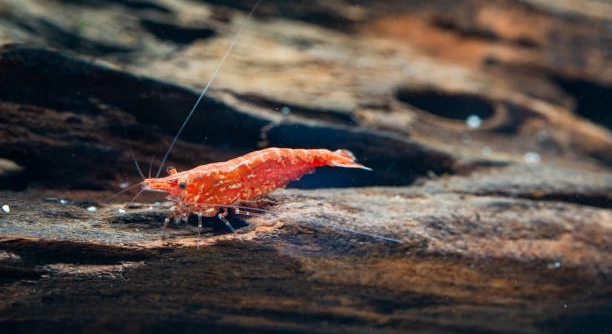
Shrimp are small creatures that often surprise us with their habits. Many people assume they only eat typical food, but shrimp can interact with objects in their environment in interesting ways. Their preferences are often unexpected.
Shrimp show attraction to various non-food items, including smooth stones, shells, plastic decorations, and aquarium plants. These objects provide shelter, stimulation, and surfaces for grazing, influencing their natural behaviors and supporting overall well-being in controlled environments.
Learning about these preferences can improve shrimp care. Observing which objects they favor helps create a healthier and more engaging habitat for them.
Smooth Stones
Smooth stones are more than decoration in a shrimp tank. I started noticing my shrimp often brushing against them or climbing over them. The stones provide surfaces for biofilm growth, which shrimp graze on throughout the day. They also create little hiding spots, reducing stress and making shrimp feel secure. Some stones even help maintain water stability by preventing sudden pH changes. Placing a few in different parts of the tank can encourage exploration and natural activity. Smooth stones vary in size, so mixing small and medium pieces offers both grazing surfaces and areas for tiny shrimp to hide. Observing their behavior around these stones, I realized it wasn’t just for shelter—they genuinely engage with them, moving them slightly and cleaning the surfaces. This small addition improves their comfort and stimulates their instincts in ways food alone cannot.
Smooth stones are simple but effective tools to enrich a shrimp’s habitat. They balance safety, stimulation, and foraging opportunities naturally.
In my tank, I noticed that after introducing smooth stones, shrimp were more active and seemed calmer. They spent more time exploring different areas, grazing on biofilm, and occasionally resting in crevices. It’s fascinating to watch such small creatures interact with objects in ways that appear purposeful. Smooth stones also help manage tank cleanliness by collecting debris in certain areas, making maintenance easier. Over time, I realized that having multiple textures and sizes encourages a variety of behaviors. Shrimp move confidently across stones, hop between them, and use them as vantage points to observe their surroundings. For someone caring for shrimp, smooth stones aren’t just aesthetic—they’re functional and contribute to the shrimp’s overall well-being and natural routines.
Aquarium Plants
Adding live plants creates a thriving environment for shrimp. The leaves and stems serve as surfaces for grazing, while roots provide shelter for smaller shrimp and eggs.
Aquarium plants support shrimp by providing food surfaces, hiding spaces, and a more natural habitat.
Plants make the tank dynamic. I’ve noticed my shrimp nibbling on the biofilm that grows on leaves and exploring the root systems for cover. Fast-growing plants like Java moss or Anubias are particularly popular. They not only enhance the tank visually but also improve water quality by absorbing excess nutrients. Shrimp often climb stems, weave between leaves, and use the plants as resting spots. This interaction reduces stress and promotes natural behaviors, like grazing and exploration. Even the tiniest shrimp seem drawn to dense foliage, highlighting how essential plant life is beyond aesthetics. Over time, maintaining a variety of plant species encourages diversity in behavior. Observing these habits reminded me that a shrimp tank is more than water and food—it’s a microhabitat that thrives when enriched thoughtfully.
Plastic Decorations
Plastic decorations give shrimp extra surfaces to explore. They can cling to, crawl over, and hide under these objects, which adds stimulation to their environment and encourages natural behaviors.
I added a few small plastic castles and tubes to my tank, and I immediately noticed shrimp interacting differently. They climbed the sides, rested inside hollow spaces, and grazed on biofilm that collected on the surfaces. Unlike smooth stones, plastic decorations come in shapes that create tunnels and nooks, which encourage movement and exploration. They also help divide open areas, giving timid shrimp safe spaces to retreat. Over time, these objects became regular hangouts where shrimp would gather and investigate, making the tank more engaging and lively.
Plastic decorations are easy to clean and reposition, making them flexible for changing tank setups. Observing how my shrimp used them, I realized the structures not only provide fun but also support their natural instincts. They use the edges for climbing, the hollows for hiding, and the surfaces for grazing. The decorations encouraged more dynamic activity than before. By rotating or rearranging items, shrimp stayed curious and engaged with the environment consistently.
Shells
Shrimp are drawn to shells for both shelter and grazing surfaces. The texture and hollows make them ideal spots for small shrimp to hide and feed safely.
Adding empty shells increased tank activity immediately. Shrimp explored inside, around, and on top of them. The shells collected biofilm, which became a supplementary food source. Tiny shrimp used shells as protection, while adults rested nearby. Different sizes allowed shrimp of all ages to find suitable spaces, which reduced stress and aggressive encounters. The shells also created subtle terrain changes, giving the tank a more natural feel.
I experimented with a mix of snail and clam shells, and the shrimp showed clear preferences for smaller openings and curved surfaces. They grazed surfaces frequently, and I noticed fewer shrimp hiding in corners of the tank. Shells encourage both exploration and foraging, creating microhabitats that mimic natural environments. Placing them strategically near plants and stones allowed continuous interaction, keeping shrimp active and engaged. The shells also helped maintain cleaner areas, as shrimp removed debris while exploring. Watching these patterns made it clear that shells are not just decorations—they actively improve shrimp behavior and comfort.
Driftwood
Driftwood adds texture and hiding spots for shrimp. They often climb on it, scrape biofilm from its surface, and use the crevices as resting areas.
I noticed my shrimp constantly exploring driftwood edges and holes. It quickly became a favorite spot for grazing and shelter, enhancing both activity and comfort.
Ceramic Tubes
Ceramic tubes create secure spaces for shrimp to hide and molt. They provide a sense of safety, especially for timid or juvenile shrimp, while also supporting natural behaviors like exploring and grazing on surfaces.
Leaf Litter
Leaf litter offers grazing surfaces and gentle shelter. Shrimp often sift through decomposing leaves, collecting small particles for food.
What objects do shrimp like most in a tank?
Shrimp are drawn to objects that provide surfaces for grazing and areas for shelter. Smooth stones, shells, ceramic tubes, driftwood, plastic decorations, aquarium plants, and leaf litter are some of the most commonly observed favorites. These objects support natural behaviors like exploring, hiding, and feeding.
Why do shrimp graze on non-food surfaces?
Shrimp feed on biofilm, algae, and microorganisms that naturally grow on surfaces in their tank. Rocks, plants, and even decorations collect this growth, giving shrimp an additional food source beyond their regular diet. Grazing helps them stay healthy and encourages natural foraging habits.
Do all shrimp prefer the same objects?
Not all shrimp interact with objects the same way. Some may favor hiding spaces, while others explore more open surfaces. Juvenile shrimp often prefer smaller, tighter hiding spots, whereas adults may spend more time on surfaces with biofilm or climbing structures.
How can objects improve shrimp health?
Objects create a more stimulating and secure environment. Hiding spots reduce stress, while surfaces with biofilm provide supplemental nutrition. Encouraging exploration and natural behaviors can improve molting success, overall activity, and the longevity of shrimp in captivity.
Are plastic decorations safe for shrimp?
Plastic decorations are generally safe if aquarium-grade and free of sharp edges or harmful chemicals. They are easy to clean and reposition, making them versatile for tank setups. Observing shrimp using these structures, they often climb, hide, and graze, showing these decorations contribute to engagement.
Can shells and driftwood impact water quality?
Shells may slightly increase water hardness, while driftwood can lower pH over time. Both objects provide grazing surfaces and hiding spots. Monitoring water parameters ensures the tank remains balanced, and any changes caused by these additions are manageable and predictable.
How often should objects be cleaned?
Cleaning frequency depends on biofilm buildup and algae growth. Light rinsing with tank water is often sufficient. Avoid soap or harsh chemicals, as shrimp are sensitive. Keeping objects clean prevents excess debris but allows biofilm to persist for grazing.
Do live plants matter for shrimp interaction?
Live plants are highly beneficial. They offer surfaces for biofilm growth, shelter, and microhabitats for hiding or resting. Shrimp often explore leaves and roots continuously, showing preference for densely planted areas over bare tank zones. Plants also improve water quality by absorbing excess nutrients.
Can leaf litter be used regularly?
Leaf litter is excellent for providing food and hiding spots. As it decomposes, it releases small particles shrimp can feed on. Regular additions of safe leaves, like Indian almond leaves, encourage natural foraging and molting while enriching the tank environment.
Do objects reduce aggression among shrimp?
Yes, having multiple hiding spots and surfaces reduces competition and stress. Timid shrimp can retreat, and active shrimp can explore freely. This distribution of resources lowers aggressive encounters and supports a more balanced, peaceful community in the tank.
How should I arrange objects for best results?
Place a mix of tall, short, open, and enclosed objects throughout the tank. Smooth stones, driftwood, and ceramic tubes should be near plants or leaf litter. Rotating or repositioning objects occasionally keeps shrimp engaged and encourages exploration, mimicking natural habitats.
Are there risks to overloading a tank with objects?
Too many objects can reduce swimming space and make maintenance harder. It’s important to balance enrichment with open areas for movement. Observing shrimp behavior helps identify if the arrangement feels crowded or if certain items are underused.
Can shrimp use decorations for molting?
Yes, molting shrimp often seek shelter. Ceramic tubes, shells, and dense plants provide secure spaces. Safe hiding spots increase molting success and reduce vulnerability during this critical period, improving survival rates in the tank.
Do juvenile shrimp use objects differently than adults?
Juveniles prefer tight, sheltered spaces and surfaces for grazing, while adults explore more and climb structures. Observing shrimp size and behavior can help determine which objects are most useful and where to place them for maximum benefit.
Can objects encourage breeding?
Objects that provide secure hiding spaces and biofilm surfaces can create conditions conducive to breeding. Females may feel more comfortable carrying eggs when hiding spots are available, and biofilm offers supplemental nutrition that supports reproductive health.
Is there a limit to the types of objects I can use?
Objects should be non-toxic, aquarium-safe, and easy to clean. Avoid metals or treated woods. Natural or aquarium-grade decorations are best, as shrimp interact safely without risking water quality or health. Observing shrimp response helps guide suitable selections.
How do I know if shrimp like a new object?
Watch for grazing, climbing, or hiding behavior. If shrimp interact frequently and appear active around it, the object is suitable. Lack of engagement may indicate the surface, shape, or placement is less appealing, and adjustments can improve usage.
Can objects reduce stress during tank changes?
Yes, objects provide familiar spaces and shelter, helping shrimp feel secure during water changes or maintenance. Having consistent hiding spots allows shrimp to retreat and resume normal behavior faster after disturbances.
Do shrimp interact with artificial and natural objects equally?
Shrimp interact with both, but natural objects like shells, driftwood, and plants often offer more grazing opportunities and microhabitats. Artificial objects can supplement these spaces, providing variety and additional exploration surfaces. Observing shrimp preferences helps balance natural and artificial elements.
How can I encourage shrimp to explore new objects?
Introduce objects gradually and position them near areas shrimp already frequent. Biofilm or algae coating can make surfaces more attractive. Moving items slightly over time encourages curiosity and interaction without causing stress or territorial disputes.
What is the overall benefit of adding multiple objects?
Multiple objects increase environmental complexity, promote natural behaviors, reduce stress, provide supplemental nutrition, and support healthy molting and breeding. They transform a simple tank into a dynamic habitat, keeping shrimp active, engaged, and comfortable.
Do certain objects help shy shrimp more than others?
Yes, enclosed spaces like ceramic tubes, small shells, and dense plant clusters give shy shrimp safe retreats. These allow timid individuals to hide while still exploring gradually, reducing stress and encouraging confidence in the tank.
Are there seasonal considerations for objects?
Seasonal changes in water temperature or light can affect shrimp activity. Objects that offer shelter or shaded areas help maintain comfort and behavior consistency, keeping shrimp engaged despite environmental shifts.
How long do shrimp typically use the same objects?
Shrimp often return to preferred objects consistently but may explore new ones over time. Rotating or adding items keeps their environment stimulating and encourages continued interaction with both familiar and novel surfaces.
Can I combine objects for better engagement?
Yes, combining stones, plants, shells, and decorations creates multi-layered habitats. Shrimp enjoy climbing, hiding, and grazing across different textures and surfaces, which encourages activity, reduces stress, and mimics natural microhabitats effectively.
Do objects affect water movement preferences?
Shrimp often use objects to break currents and create calmer zones. Smooth stones, driftwood, and plants provide areas where shrimp can rest without fighting water flow, supporting energy conservation and natural positioning in the tank.
Are there signs shrimp are not benefiting from objects?
If shrimp avoid certain items, remain in one area, or appear stressed, it may indicate placement, type, or overcrowding is an issue. Observing behavior and adjusting the arrangement ensures objects remain beneficial and do not hinder activity.
How can I keep objects safe over time?
Regular inspection, gentle cleaning, and monitoring water chemistry are important. Driftwood may leach tannins, and shells can alter hardness. Keeping items safe ensures ongoing enrichment without compromising water quality or shrimp health.
Do shrimp show preferences for specific textures?
Yes, smooth stones, curved shells, and textured plants are often favored for grazing and climbing. Texture variety encourages exploration and grazing activity, supporting physical and behavioral stimulation for all shrimp.
Can objects help shrimp acclimate to new tanks?
Objects provide familiar hiding spots and surfaces for grazing, which reduces stress during acclimation. Having familiar or safe areas allows shrimp to explore gradually and settle in more comfortably without aggression or fear.
How important is object placement in a tank?
Placement affects shrimp activity and comfort. Distributing hiding spots and surfaces throughout the tank encourages exploration while maintaining open swimming areas. Observing shrimp interaction helps determine ideal positioning for maximum engagement.
Can over-cleaning objects be harmful?
Yes, removing all biofilm reduces grazing opportunities. Light cleaning with tank water is sufficient. Maintaining some biofilm ensures supplemental nutrition and encourages natural foraging without compromising hygiene.
Do shrimp use objects differently at night?
Shrimp may hide more in sheltered spaces at night, using tubes, shells, or plant clusters for security. Observing nighttime behavior confirms that objects provide comfort and encourage natural daily activity cycles.
Are all shells equally attractive to shrimp?
Shrimp prefer smaller openings and curved surfaces for grazing and hiding. Flat or overly large shells are less frequently used, while varied sizes support different life stages and activity levels within the tank.
Can objects improve shrimp breeding success?
Yes, objects providing shelter, biofilm, and secure surfaces create conditions that support molting and egg carrying. Multiple hiding spaces reduce stress and aggression, increasing the likelihood of successful reproduction.
What maintenance tips keep objects effective for shrimp?
Use gentle cleaning, rotate or reposition items occasionally, monitor water parameters, and allow some biofilm growth. Keeping objects functional and engaging ensures continued benefit for shrimp behavior, health, and activity.
Do shrimp interact with objects in groups or alone?
Shrimp use objects both socially and individually. Some gather on biofilm-rich surfaces, while shy individuals retreat to enclosed spaces. A variety of objects accommodates different social and behavioral needs, reducing stress and encouraging interaction.
How long does it take shrimp to adapt to new objects?
Shrimp often begin exploring within hours but may take several days to fully use new items. Gradual introduction and observing their behavior helps ensure comfort and proper engagement without stress.
Are there benefits to combining live and artificial objects?
Yes, live plants, shells, and driftwood offer natural grazing and hiding spots, while artificial decorations add variety and climbing surfaces. Together, they create a balanced, stimulating environment that encourages exploration and activity consistently.
Do objects influence shrimp territorial behavior?
Objects provide boundaries and private spaces, reducing territorial disputes. Shrimp use these to establish personal areas, hide when stressed, or escape more dominant individuals, promoting harmony and balanced social behavior in the tank.
Can small objects help juvenile shrimp more than adults?
Yes, juveniles prefer smaller, enclosed spaces for protection and grazing. Adults explore larger surfaces but may also use small objects for resting or grazing, showing the importance of varied sizes and shapes in a tank.
How do objects affect feeding habits?
Objects covered in biofilm or algae supplement regular feeding, encouraging natural grazing. Shrimp spend time moving across surfaces, picking at growths, which supports digestion and keeps them active between feedings.
Do shrimp interact with objects differently in planted tanks?
Planted tanks encourage climbing, grazing, and hiding among roots and leaves. Objects complement plant life by offering alternative surfaces and microhabitats, increasing activity and reducing stress. Shrimp utilize both for feeding and shelter.
Can objects prevent stress during water changes?
Yes, having familiar hiding spots reduces stress during partial or full water changes. Shrimp can retreat safely and resume normal behavior quickly after disturbances. Placement consistency enhances this protective effect.
Are some objects more suitable for breeding shrimp?
Objects offering tight, secure spaces, like ceramic tubes or small shells, are ideal. They provide privacy and comfort for egg-carrying females, while surfaces like stones and plants supply biofilm to support nutrition and reproductive health.
Do shrimp prefer horizontal or vertical surfaces?
Both are used differently. Horizontal surfaces like flat stones are grazed frequently, while vertical surfaces on plants or decorations encourage climbing and exploration. Variety supports natural activity patterns and behavioral stimulation.
Can rotating objects improve engagement?
Yes, occasionally moving or changing positions keeps shrimp curious. Rotation encourages exploration and prevents habituation, ensuring they continue interacting actively with their environment over time.
How do objects support shrimp molting?
Enclosed spaces like tubes, shells, and dense plant clusters offer protection during vulnerable molting periods. Secure spots reduce stress and risk of predation or injury, improving molting success and overall survival.
Do shrimp use objects for resting?
Yes, many shrimp rest on or inside objects. Smooth stones, driftwood, shells, and plant roots offer comfortable surfaces and partial shelter, allowing them to pause safely while staying close to feeding areas.
Can objects reduce aggression among mixed species tanks?
Objects provide hiding spots and territory markers, reducing confrontations. Different species can occupy separate areas without constant interaction, which lowers stress and maintains a peaceful tank environment.
Are there signs shrimp are bored with their objects?
Lack of exploration, limited grazing, or clustering in one area can indicate boredom. Introducing new textures, shapes, or surfaces often re-engages shrimp and stimulates natural behavior.
Do shrimp prefer natural textures over artificial ones?
Many shrimp interact with both but often favor natural textures like driftwood, shells, and plants for grazing. Artificial objects are useful for climbing and hiding but may be secondary to natural surfaces in attracting attention.
How many objects should I add to a tank?
Balance is key. Provide enough variety for hiding, grazing, and exploration without overcrowding swimming areas. Observing shrimp behavior helps determine if additional objects are needed or if space feels restricted.
Can objects be used to manage shrimp population density?
Yes, more hiding spots reduce stress and aggressive encounters, supporting larger populations. Objects allow timid shrimp to avoid more dominant individuals, promoting healthier interactions and survival rates.
Do objects affect shrimp feeding order or hierarchy?
Yes, objects allow shy shrimp to access food surfaces without confrontation. Providing multiple grazing and feeding areas helps balance access and prevents dominant individuals from monopolizing resources.
Can objects help shrimp adapt to new tank mates?
Objects create secure retreat spaces and familiar landmarks, which reduce stress when new shrimp are introduced. They allow gradual interaction and reduce aggressive behavior, helping new and resident shrimp coexist peacefully.
Are certain objects better for active versus shy shrimp?
Active shrimp use open surfaces and climbing structures for exploration, while shy shrimp prefer enclosed spaces and dense plant clusters. Providing both types accommodates diverse behaviors and promotes overall activity balance.
Do objects influence shrimp lifespan?
By reducing stress, supporting natural behaviors, and providing grazing opportunities, objects can indirectly contribute to longer, healthier lives. Comfortable, enriched environments promote activity, proper molting, and reproductive success, all of which affect overall longevity.
Can objects prevent shrimp from hiding too much?
Yes, balanced placement of open areas and grazing surfaces encourages shrimp to explore while still offering secure retreats. Properly designed tanks promote activity without forcing shrimp into constant hiding.
How do I know if objects are being used properly?
Observe climbing, grazing, hiding, and resting behaviors. Consistent use, especially for feeding and shelter, indicates proper interaction. Minimal interaction may suggest placement, type, or size adjustments are needed.
Do objects help shrimp cope with sudden light or temperature changes?
Yes, shelters like tubes, shells, and dense plants provide cover and shaded zones. These safe areas reduce stress during sudden environmental fluctuations, allowing shrimp to maintain natural activity levels.
Are there objects that should be avoided?
Avoid metals, sharp-edged items, and chemically treated materials. Non-aquarium-safe plastics or woods can leach harmful substances. Safe, smooth, and non-toxic objects support interaction without compromising water quality or shrimp health.
Can objects support juvenile growth?
Objects provide grazing surfaces, hiding spaces, and secure resting areas. Juveniles benefit from biofilm access and protected microhabitats, which support healthy growth, molting, and adaptation to tank life.
Do shrimp use objects differently during feeding times?
Shrimp often gather near objects covered in biofilm or algae during feeding. Open areas allow free movement, while structures provide nearby security, balancing feeding activity with protection and comfort.
Can objects encourage shy shrimp to become more active?
Yes, strategically placed hiding spots and surfaces can build confidence. Shy shrimp gradually explore more, using structures for security while discovering new grazing areas and climbing opportunities.
How do I combine objects for optimal tank design?
Mix horizontal, vertical, natural, and artificial objects. Include grazing surfaces, hiding spaces, and climbing areas. Balanced placement encourages exploration, reduces stress, and supports all life stages from juveniles to adults.
Do objects affect water circulation patterns?
Objects can create sheltered zones with calmer water, which shrimp use to rest or feed. Strategic placement ensures both flowing and calm areas, accommodating different behaviors and preferences.
Are objects more important in small or large tanks?
Objects are important in both. In small tanks, they prevent overcrowding stress, while in larger tanks, they provide distributed grazing and hiding spots, encouraging exploration and activity throughout the space.
Can objects support shrimp during disease recovery?
Safe hiding spaces allow sick or recovering shrimp to retreat, reducing stress and exposure to active tank mates. Biofilm surfaces provide low-effort grazing while conserving energy for recovery.
How often should I rotate or replace objects?
Rotation every few weeks or months keeps shrimp engaged. Replace items only when worn or unsafe. Gradual changes stimulate curiosity while maintaining familiar refuges for comfort.
Do shrimp use objects differently in community tanks versus single-species tanks?
In community tanks, objects reduce stress from interactions with other species, offering retreats and territories. In single-species tanks, they encourage exploration and social behaviors without overcrowding, supporting both individual and group activity.
Can objects help monitor shrimp health?
Observing shrimp interaction with objects can reveal issues. Reduced climbing, grazing, or hiding may indicate stress, illness, or environmental problems, allowing timely adjustments for care and recovery.
Are certain objects more beneficial for algae-eating shrimp?
Smooth stones, plants, and leaf litter attract biofilm and algae. These surfaces provide consistent grazing opportunities, which support nutritional needs and natural foraging habits for algae-eating species.
Do objects influence shrimp sleeping patterns?
Objects offer safe resting spots during inactive periods. Shaded areas, enclosed spaces, and elevated surfaces allow shrimp to rest without disturbance, supporting healthy activity cycles and overall well-being.
Can objects help reduce aggression during feeding?
Yes, multiple grazing surfaces and shelters reduce competition. Shy or smaller shrimp access food safely while dominant individuals graze elsewhere, balancing feeding opportunities and minimizing stress.
Are objects necessary for shrimp kept in bare tanks?
Bare tanks are usable but limit enrichment, grazing surfaces, and hiding spaces. Objects improve activity, reduce stress, and support natural behaviors that bare tanks cannot provide adequately.
Do shrimp prefer clustered or spaced-out objects?
Both arrangements serve purposes. Clustered objects provide complex microhabitats for hiding and grazing, while spaced-out items encourage exploration and movement across the tank. A combination supports diverse behaviors.
Can objects help reduce shrimp mortality?
Yes, by offering hiding
Shrimp are small creatures with surprisingly complex behaviors. Throughout their daily routines, they interact with many objects in their environment, using them for food, shelter, and comfort. Items like smooth stones, shells, ceramic tubes, driftwood, plastic decorations, plants, and leaf litter all serve multiple purposes for shrimp. These objects provide surfaces for biofilm and algae to grow, which shrimp feed on naturally. They also offer hiding spaces that reduce stress, encourage exploration, and support healthy behaviors like grazing, climbing, and resting. By adding such objects to a tank, the environment becomes more engaging and closer to a natural habitat. Observing shrimp interact with these items can also give insight into their preferences, habits, and well-being over time.
In my experience, arranging a variety of objects creates the most beneficial environment for shrimp. A mix of textures, sizes, and shapes ensures that shrimp of all ages and activity levels have something to explore or hide in. Smaller shrimp and juveniles often prefer tight spaces and smaller surfaces for grazing and safety, while adult shrimp explore larger surfaces and climb higher objects. Including both natural and artificial items can balance enrichment with practicality. For example, live plants and driftwood provide food and shelter, while plastic decorations or ceramic tubes offer durable climbing or hiding spaces. Rotating or repositioning objects occasionally keeps shrimp engaged and curious, preventing boredom and encouraging natural behaviors. Over time, these small adjustments can improve their overall activity, reduce stress, and support their health and longevity.
Taking the time to provide a well-thought-out tank setup shows that shrimp care goes beyond feeding. The right objects not only enhance their living space but also support behaviors that are essential for growth, molting, and reproduction. Hiding spaces help reduce conflict and give shy shrimp confidence, while biofilm-covered surfaces supplement their diet naturally. Even minor details, like placing stones near plants or arranging shells in corners, can make a noticeable difference in how shrimp interact with their environment. By observing their reactions and adjusting objects to meet their needs, it is possible to create a balanced and stimulating habitat. Overall, providing a variety of objects is a simple and effective way to support shrimp well-being and ensure they remain active, healthy, and comfortable in their home.

Hello,
If you enjoy the content that we create, please consider saying a "Thank You!" by leaving a tip.
Every little bit helps us continue crafting quality advice that supports the health, happiness, and well-being of pets around the world, for pets of all shapes, sizes, and species.
We really appreciate the kindness and support that you show us!