
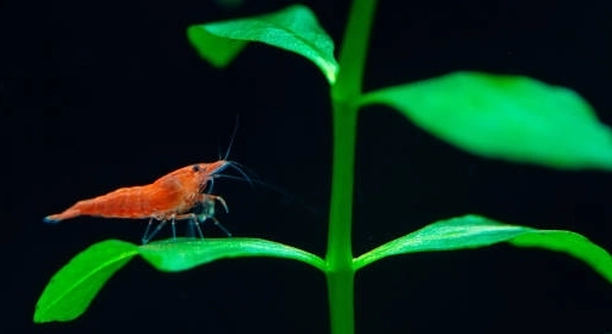
Have you ever set up a new tank for your cherry shrimp and wondered how their environment affects them? Even small details in a tank can influence their behavior and overall well-being in surprising ways.
Cherry shrimp do not have specific requirements for tank depth, as long as other conditions like water quality, temperature, and hiding spaces are appropriate. They are more influenced by horizontal space and vegetation than vertical height.
Understanding how tank dimensions affect shrimp behavior can help you create a healthier and more comfortable home for them.
How Tank Depth Affects Cherry Shrimp Behavior
Cherry shrimp are small and active creatures, and their movement is influenced more by horizontal space than the depth of water. In a deeper tank, they may explore vertically, but it doesn’t significantly change their daily activity. Shrimp tend to stick close to plants, hiding spots, and the substrate. Providing layers of moss, rocks, or decorations can encourage natural foraging and climbing behaviors. Tank depth only becomes a concern when it affects water circulation or oxygen levels. Shallow tanks are easier to maintain for beginners, but deeper tanks can offer more stability in temperature and water parameters. Shrimp rarely swim far from their preferred hiding areas, so even a taller tank will see most activity near the bottom or mid-level. Observation shows they adapt well to different tank heights as long as conditions remain stable.
Deeper tanks can provide more stability in water conditions but do not directly change shrimp behavior significantly.
Even though depth is not critical, a taller tank allows layering of plants and substrates, which gives shrimp more variety in hiding and grazing spots. This can make them appear busier and more engaged. Creating multiple levels using rocks or driftwood encourages them to climb or hover, which can reduce stress. In a shallow tank, they may feel exposed if hiding areas are limited, but proper plant coverage mitigates this. Water circulation should be monitored, especially in taller tanks, to prevent low-oxygen zones near the bottom. Temperature consistency also improves with depth if a heater is properly positioned. Feeding is easier when shrimp have access to multiple levels, as food may sink or float differently depending on tank design. Overall, providing a mix of heights and textures within the tank supports natural behaviors without requiring extreme depth.
Ideal Tank Setup for Cherry Shrimp
A simple setup with plants, rocks, and hiding spots is best for shrimp survival and comfort.
A balanced environment supports healthy shrimp growth, activity, and breeding.
Shrimp thrive in tanks with gentle filtration, stable temperature, and adequate plant coverage. Substrate choice matters for foraging and molting, and moss or fine-leaved plants provide necessary surfaces. Moderate water depth paired with sufficient horizontal swimming space is ideal. Decorations like driftwood or small caves add security and encourage exploration. Overcrowding should be avoided, as limited space can stress shrimp regardless of tank depth. Consistent water parameters, including pH, temperature, and ammonia levels, are more important than whether the tank is tall or shallow. Regular maintenance, careful feeding, and monitoring behavior help ensure shrimp remain active and healthy. Even in a deeper tank, these considerations outweigh vertical space, proving that setup quality matters far more than height alone. Proper planning lets shrimp flourish, producing vibrant colors and natural behaviors in any appropriate tank environment.
Feeding and Activity Levels
Cherry shrimp feed mainly on algae, biofilm, and leftover food. Tank depth has little effect on how they search for food. They prefer grazing along plants, substrate, and decorations rather than swimming in open water. Providing even coverage of food encourages balanced activity.
Even in a deeper tank, feeding patterns remain consistent. Shrimp often move slowly across surfaces, scraping off biofilm or nibbling on soft plant leaves. Vertical space may allow some climbing, but most feeding happens near the bottom or mid-level. Uneaten food should be removed to prevent water quality issues, which can affect shrimp health. Monitoring how shrimp interact with food helps adjust feeding amounts and maintain a clean, safe tank environment for them.
Activity levels are influenced more by tank setup than depth. Plants, hiding spots, and water quality encourage natural behavior. Shrimp may hover briefly or climb rocks, but the majority of movement occurs horizontally. Consistent lighting and temperature also play a role, keeping shrimp alert and active throughout the day. Observing their patterns ensures they remain healthy and engaged.
Breeding Considerations
Shallow or deep tanks do not directly affect shrimp breeding success. Stable water parameters and safe hiding spaces are far more important.
Providing dense plant cover and moss helps females feel secure when carrying eggs. Males move freely, searching for mates, while females stay closer to shelters. Avoid strong currents that could stress or displace them. Clean water and consistent temperature encourage successful molting and egg development. Separation of fry is rarely needed in a well-planted tank, as small shrimp can hide effectively. Regular observation allows timely adjustments in food and tank maintenance to support reproduction. Proper attention to these details promotes natural breeding behaviors without worrying about depth.
Water Quality and Depth
Water quality is more important than tank depth for cherry shrimp health. Regular testing of ammonia, nitrite, nitrate, and pH ensures a safe environment. Even a deep tank can become harmful if these parameters are unstable.
Filtration and water changes maintain clarity and oxygen levels. Proper flow prevents stagnation, which is more critical than how tall the tank is. Cherry shrimp prefer calm areas, so placement of filters should avoid strong currents near plants or hiding spots. Consistent water conditions reduce stress and support natural behaviors, including feeding and breeding.
Light and Plant Coverage
Adequate lighting encourages plant growth, which provides food, shelter, and grazing surfaces. Cherry shrimp interact with plants throughout the tank, regardless of vertical height. Healthy plants improve water quality and give shrimp a sense of security, promoting natural activity.
Observing Shrimp Behavior
Watching shrimp can reveal stress, illness, or changes in activity. Sudden hiding, lethargy, or color loss may indicate water or environment issues. Early observation allows quick corrective actions to maintain a healthy tank.
Tank Decorations and Hiding Spots
Rocks, caves, and moss create necessary hiding areas. Cherry shrimp use these spaces to feel secure, molt safely, and explore without risk. Placement of decorations affects their movement more than tank depth.
FAQ
Do cherry shrimp prefer shallow or deep tanks?
Cherry shrimp do not have a strong preference for tank depth. Their behavior is more influenced by hiding spots, plants, and water quality than how tall the tank is. Shallow tanks are easier to maintain, but deeper tanks provide more stability in temperature and water parameters. As long as there are enough surfaces for grazing and hiding, shrimp adapt well to various depths. Observing their activity will show that they spend most of their time near the substrate or mid-level areas rather than swimming freely in open water.
How does tank depth affect feeding?
Tank depth has minimal impact on feeding behavior. Cherry shrimp mainly graze on biofilm, algae, and leftover food found on surfaces. In a taller tank, they may explore slightly higher areas, but most food consumption occurs near plants, decorations, and the substrate. Uneaten food should be removed to prevent water quality issues, regardless of depth. Providing food on multiple levels can help ensure all shrimp access it and encourage natural movement without stressing them. Feeding frequency and portion size are far more important than how deep the tank is.
Can tank depth influence shrimp breeding?
Depth does not directly impact breeding success. Secure hiding spaces and dense plant coverage are far more crucial for females carrying eggs. Males move freely in search of mates, while females remain near shelter. Shallow or deep tanks do not limit egg carrying or hatching as long as water quality is stable. Consistent temperature and calm water reduce stress, which is important for successful reproduction. Observing females and fry can help ensure conditions are appropriate, but depth alone does not affect breeding outcomes.
Do shrimp use the entire height of the tank?
Cherry shrimp rarely use the full vertical space of a tank. They prefer to stay close to surfaces where food and shelter are available. Vertical exploration can occur if there are moss, rocks, or other climbing opportunities, but the majority of movement is horizontal. Adding layers and decorations encourages natural climbing behavior without relying on tank depth. Watching shrimp shows that they tend to hover near plants or substrate rather than occupying open water high above, demonstrating that vertical height is secondary to habitat complexity and safety.
Does a deeper tank improve water stability for shrimp?
A deeper tank can provide slightly more stable temperature and chemical conditions, as larger water volumes buffer sudden changes. However, stability depends more on regular maintenance, proper filtration, and monitoring water parameters. Cherry shrimp are sensitive to ammonia, nitrite, nitrate, and pH fluctuations, so ensuring these are controlled is more critical than tank height. Consistent water quality encourages natural behavior, healthy growth, and successful breeding, making care practices more important than relying solely on depth for stability.
How does tank depth affect molting?
Molting is not directly influenced by depth. Shrimp require safe hiding areas to molt without disturbance. Dense plant coverage, moss, and decorations provide secure spots. Stress from water changes, poor water quality, or aggressive tank mates can interfere with molting. Depth may offer more vertical spaces for hiding, but it does not replace proper care and habitat design. Observing shrimp during molting ensures they have enough security to complete the process safely, maintaining their health and coloration.
Are there risks in using very deep tanks?
Very deep tanks can create low-oxygen zones near the bottom if water flow is inadequate. Filtration and circulation should be adjusted to prevent stagnant areas. Feeding may require more attention, as food can sink quickly in deeper tanks. Beyond these concerns, cherry shrimp adapt well to different tank depths, but ensuring proper habitat structure, plant coverage, and water quality remains essential for health and activity.
Do shrimp prefer calm water over strong currents?
Yes, cherry shrimp prefer calm or gentle water flow. Strong currents can stress them, interfere with feeding, and make hiding spots less effective. Depth does not compensate for aggressive water movement. Filter placement and gentle circulation ensure they can move, feed, and breed naturally, regardless of tank height. Proper flow encourages healthy oxygen levels while keeping shrimp comfortable and active throughout the tank.
How important is horizontal space compared to depth?
Horizontal space is far more important than vertical height for cherry shrimp. They spend most of their time moving across surfaces in search of food, grazing, and interacting with plants. While vertical layers add variety, adequate horizontal swimming and foraging areas support their activity, health, and overall well-being more than a deep tank alone.
Can tank decorations make up for lack of depth?
Yes, moss, rocks, caves, and plants create hiding and grazing areas that allow shrimp to behave naturally, even in shallow tanks. Decorations encourage exploration, climbing, and grazing without needing tall water columns. Proper placement ensures security and movement, providing enrichment and reducing stress.
Do deeper tanks affect shrimp visibility?
Shrimp may be harder to see in taller tanks, especially if plants or decorations are dense. Visibility does not affect their behavior or health but can make observation and maintenance slightly more challenging. Positioning hiding spots and feeding areas strategically can help monitor shrimp activity effectively.
Is it necessary to change care routines for deeper tanks?
Care routines remain largely the same, with slight adjustments for circulation and feeding. Deep tanks may require careful observation of water flow, oxygen distribution, and placement of hiding areas. Regular water testing, cleaning, and feeding schedules continue to be the most important factors for maintaining shrimp health.
Do all shrimp species react the same to tank depth?
Different shrimp species have varying preferences and behaviors, but cherry shrimp are generally adaptable. Other species may prefer specific depths for hiding or breeding. Understanding the needs of each type ensures proper tank setup and care, while cherry shrimp remain flexible as long as water quality and habitat structure are maintained.
How often should water parameters be checked in deeper tanks?
Even in deeper tanks, water testing should follow regular schedules. Ammonia, nitrite, nitrate, and pH levels should be monitored weekly or more often if problems arise. Depth does not replace consistent observation, as shrimp health depends on stable, safe conditions rather than tank height alone.
Does tank depth affect shrimp color or growth?
Depth does not significantly impact coloration or growth. Shrimp color and size depend on genetics, water quality, food quality, and stress levels. Providing a stable, enriched environment with proper nutrition ensures vibrant, healthy shrimp regardless of whether the tank is shallow or deep.
Can cherry shrimp adapt to changes in depth?
Yes, cherry shrimp adapt well to new tank depths if other conditions remain stable. Gradual adjustments to water parameters and careful observation reduce stress. Shrimp quickly resume normal behaviors, feeding, and breeding in both shallow and taller tanks once acclimated properly.
Do deeper tanks require more maintenance?
Maintenance is slightly more challenging in taller tanks due to harder access to the substrate and decorations. Water changes may require extra care to avoid disturbing shrimp or plants. However, the overall routine—filter cleaning, water testing, and feeding—remains consistent and manageable with proper planning.
Does depth affect the type of substrate used?
Substrate choice is independent of depth. Fine gravel, sand, or planted substrates all work for cherry shrimp. Depth only matters if it affects water circulation at the bottom. A good substrate provides grazing surfaces, supports plants, and allows safe molting, which is more important than tank height.
How can I encourage shrimp to explore taller tanks?
Adding vertical structures like moss columns, stacked rocks, or driftwood encourages climbing and exploration. While shrimp primarily move horizontally, these features increase activity and provide variety. Ensuring safe surfaces and gentle water flow makes vertical areas appealing without causing stress.
Are deeper tanks better for breeding multiple generations?
Depth alone does not improve breeding outcomes. Dense plants, safe hiding spots, and stable water conditions are what support fry survival and multiple generations. A deeper tank can provide additional space, but success depends on overall care and habitat design rather than vertical height.
Do shrimp ever get stuck or stressed in deep tanks?
Cherry shrimp rarely get stuck due to depth. Stress is more often caused by poor water quality, strong currents, or lack of hiding spaces. Proper design and monitoring prevent any negative effects, regardless of how tall the tank is.
Is it worth investing in a very deep tank for cherry shrimp?
A very deep tank is not necessary for healthy, active shrimp. Moderate depth with good plants, decorations, and water quality achieves the same results. Extra depth may provide slight stability in water parameters, but careful setup and maintenance matter far more than tank height.
Can lighting affect shrimp in deeper tanks?
Yes, lighting should reach all levels to support plant growth and grazing surfaces. Proper illumination ensures shrimp can find food and hiding areas. Depth may require adjusting light intensity or positioning, but shrimp adapt well as long as plants thrive and surfaces are visible.
Do deep tanks make shrimp more prone to disease?
Depth itself does not increase disease risk. Poor water quality, overcrowding, or inadequate feeding are the real causes. Maintaining stable conditions, clean water, and proper nutrition prevents illness regardless of tank height.
How do I choose the right tank depth for cherry shrimp?
Choose a tank depth that fits your space, maintenance routine, and setup design. Horizontal space, plant coverage, and hiding spots are more important than vertical height. Moderate depth allows stability without complicating care or observation, supporting healthy and active shrimp.
Are there limits to how deep a cherry shrimp tank should be?
Tanks that are excessively deep may create low-oxygen zones and make maintenance harder. Generally, a moderate height of 12–18 inches is sufficient. Focus on substrate, plants, and gentle water flow to provide a safe, comfortable environment.
Do cherry shrimp prefer certain areas of the tank based on depth?
Shrimp tend to stay near the bottom or mid-level surfaces. They rarely occupy the top open water unless climbing on plants or decorations. Depth alone does not attract them, but habitat structure guides their movement.
Can tank depth affect algae growth for shrimp grazing?
Depth can slightly influence light penetration, which affects algae growth. Ensuring adequate lighting and surfaces throughout the tank provides enough grazing material. Shrimp will feed actively on plants, rocks, and decorations, keeping them healthy regardless of depth.
Is it easier to maintain water temperature in deeper tanks?
Deeper tanks may buffer temperature changes better, but heating and monitoring are still necessary. A stable temperature supports feeding, activity, and breeding. Depth helps with minor fluctuations but does not replace consistent care.
Do shrimp need special care in tall tanks?
Care is similar to any tank. Focus on water quality, hiding spots, plants, and gentle flow. Tall tanks may require attention to circulation and food distribution, but overall maintenance and feeding routines remain the same.
How does tank depth influence stress levels?
Depth alone rarely causes stress. Lack of hiding spots, poor water quality, or strong currents are the main stressors. Proper environment design, plant coverage, and calm conditions keep shrimp active and relaxed, no matter the tank height.
Can cherry shrimp live in very shallow tanks?
Yes, shallow tanks work well if horizontal space, plants, and water quality are sufficient. Depth is less important than providing secure hiding areas, clean water, and proper feeding for their health and activity.
Do shrimp explore differently in varying depths?
Exploration patterns change little with depth. Shrimp primarily move along surfaces horizontally. Vertical structures encourage limited climbing, but most activity occurs near the substrate or plants, making depth less influential than habitat design.
How does tank depth affect shrimp molting safety?
Depth itself does not affect molting. Providing secure hiding spots, moss, and decorations ensures safe molting. Shrimp need privacy and stable conditions, which are more critical than the height of the tank.
Is it harder to monitor shrimp in taller tanks?
Yes, visibility can be reduced in deeper tanks, especially with dense plants. Positioning decorations and feeding areas strategically helps observation. Monitoring remains essential to detect health, activity, or breeding issues early.
Does tank depth change shrimp interaction with other species?
Depth has minimal impact. Interaction depends on space, hiding spots, and temperament of tank mates. Cherry shrimp stay near surfaces and plants, so vertical space does not significantly alter behavior toward other species.
Do deeper tanks require stronger filtration?
Filtration should support water movement and oxygenation but does not need to be excessively strong. Gentle flow is preferred to avoid stressing shrimp. Depth may require careful filter placement to maintain proper circulation.
Can deep tanks hold more shrimp safely?
Yes, deeper tanks may provide more volume, but horizontal space, hiding spots, and stable water conditions determine how many shrimp can thrive. Overcrowding leads to stress and health issues, not tank height alone.
Are there differences in shrimp behavior between shallow and deep tanks?
Behavior is mostly consistent. Shrimp explore, graze, and hide similarly in shallow and taller tanks. Depth mainly influences minor climbing or hovering, but natural behaviors remain unchanged.
How important is water flow in deeper tanks?
Water flow is crucial for oxygen distribution and preventing stagnant areas. Proper circulation ensures shrimp can feed and move comfortably. Depth does not replace the need for gentle, consistent flow.
Do deeper tanks require different lighting schedules?
Lighting schedules remain the same. Depth may require adjustments in intensity or positioning to reach lower surfaces and plants. Ensuring enough light supports grazing, plant growth, and overall shrimp activity.
Can cherry shrimp get stressed from tall tanks if plants are sparse?
Yes, lack of hiding spots is stressful, regardless of depth. Dense plants, moss, and decorations are more important than tank height in reducing stress and supporting natural behavior.
Does tank depth affect shrimp lifespan?
No, lifespan is influenced by water quality, food, stress, and genetics. Depth alone does not extend or reduce life expectancy. Proper care ensures shrimp live their full healthy lifespan.
Are tall tanks better for planted setups with shrimp?
Tall tanks allow layering of plants and decorations, but horizontal space and coverage are more important. Shrimp benefit from multiple grazing surfaces and hiding spots, which can be achieved in tanks of moderate depth as well.
Do shrimp need extra oxygen in deeper tanks?
Deeper tanks may have lower oxygen near the bottom if circulation is poor. Proper flow and surface agitation prevent oxygen depletion. Extra aeration is rarely needed with correct filter placement and plant coverage.
Can depth affect shrimp color vibrancy?
Depth does not impact color. Vibrancy depends on genetics, food, stress levels, and water quality. Healthy, well-fed shrimp maintain bright colors regardless of tank height.
Do shrimp need vertical hiding spots in taller tanks?
Vertical structures are optional. Shrimp mainly use horizontal surfaces and mid-level plants. Vertical spots provide enrichment but are not essential for comfort or survival.
Is it harder to clean a deep tank for shrimp?
Cleaning can be more challenging in taller tanks due to harder access to the bottom and decorations. Siphoning and plant maintenance require more careful positioning, but regular routines remain similar to shallow tanks.
Do deeper tanks require different substrate layers?
Substrate layers can be the same as in shallow tanks. Proper substrate supports grazing, plants, and molting. Depth does not change substrate requirements, only care for circulation and cleaning.
Can shrimp climb in deep tanks?
Shrimp may climb moss, rocks, or driftwood, but climbing is limited. Depth adds minor vertical space, but most activity remains along horizontal surfaces.
Are taller tanks better for community setups with shrimp?
Height does not improve community success. Horizontal space, hiding spots, and calm water are more important to reduce stress and maintain harmony between shrimp and tank mates.
Do cherry shrimp notice water pressure changes in deep tanks?
Water pressure from depth is negligible at typical aquarium heights. Shrimp do not respond to depth-related pressure changes, making normal tall tanks safe for them.
Does tank depth affect how shrimp interact with each other?
Interactions are driven by space, hiding spots, and food availability. Depth alone does not significantly alter social behaviors or hierarchy among cherry shrimp.
Are deeper tanks harder for feeding shrimp evenly?
Yes, food may sink faster in deep tanks. Spreading food across surfaces or using slow-sinking pellets ensures all shrimp have access. Proper feeding prevents stress and maintains health.
Can cherry shrimp adapt to both shallow and deep tanks?
Yes, they adapt well if water quality, plants, and hiding spots are adequate. Depth is less important than stable, enriched conditions for their health and natural behavior.
Do deeper tanks require special monitoring for fry?
Fry hide in plants and substrate, so depth is less of an issue. Regular observation ensures they find food and remain safe, but no special monitoring is needed beyond standard care.
Does tank depth influence shrimp activity cycles?
Activity cycles depend on light, temperature, and feeding, not depth. Shrimp remain active near surfaces throughout the day, with minor vertical movement if structures are available.
Are shallow tanks easier for breeding cherry shrimp?
Shallow tanks can be just as effective for breeding as deeper tanks. Dense plants, stable water, and secure hiding areas are the real factors influencing reproductive success.
Do shrimp prefer certain plants based on tank depth?
Shrimp select plants for grazing and shelter, not depth. Moss, fine-leaved plants, and dense coverage encourage natural behaviors, regardless of vertical height.
Can tank depth cause shrimp to hide more often?
Shrimp hide based on stress, water quality, and security, not depth. Providing plants and decorations reduces hiding behavior and encourages normal activity.
Does a deeper tank reduce algae growth for shrimp grazing?
Depth may slightly limit light penetration, but algae growth depends more on lighting, nutrients, and surface availability. Adequate algae and biofilm are sufficient for grazing in both shallow and deep tanks.
Do deeper tanks affect shrimp molting frequency?
Molting frequency is determined by age, growth, and water quality, not depth. Proper care ensures regular, safe molts.
Are deeper tanks more stable for breeding pairs?
Depth offers minor stability, but plant coverage, hiding spots, and water quality have a larger effect on breeding success. Proper setup ensures shrimp feel secure and reproduce naturally.
Do shrimp need vertical feeding areas in deep tanks?
Vertical feeding surfaces are optional. Shrimp graze mostly horizontally, so providing sufficient horizontal areas and surfaces is more important than creating vertical feeding zones.
Can depth affect shrimp aggression?
Depth does not influence aggression. Aggressive behavior depends on overcrowding, food competition, or stress. Proper space, hiding spots, and calm conditions prevent conflicts.
Do cherry shrimp explore differently in very tall tanks?
They may explore vertical structures if present, but primary movement remains horizontal. Taller tanks offer enrichment, but shrimp behavior is largely consistent.
Is it harder to acclimate shrimp in deep tanks?
Acclimation is similar regardless of depth. Slow introduction to water parameters ensures shrimp adjust safely, whether in shallow or tall tanks.
Do shrimp prefer mid-level or bottom areas?
Shrimp favor mid-level surfaces and the substrate for grazing and hiding. Top open water is rarely used except for climbing on plants or decorations.
Does tank depth affect shrimp lifespan indirectly?
Depth has minimal indirect effect. Proper care, stable water, and safe habitats are what influence longevity
Cherry shrimp are small but fascinating creatures that bring life to a tank. Their needs are simple in many ways, and depth is not a major factor in how well they thrive. What matters most is providing a safe and stable environment where they can feed, hide, and interact naturally. Shrimp spend most of their time near surfaces, grazing on biofilm, algae, and plant matter, so horizontal space and hiding spots are far more important than vertical height. Even in a taller tank, they rarely use the open water at the top unless there are structures for climbing or grazing. By focusing on water quality, gentle filtration, and a variety of plants or decorations, you create an environment that encourages natural behavior without needing to worry about exact tank depth.
Depth may offer minor benefits, such as slightly more stable water temperature and chemical conditions, but these are secondary to consistent care. Regular water testing, gentle water changes, and monitoring for ammonia, nitrite, and nitrate levels have a far greater impact on shrimp health than the height of the tank. Shrimp are sensitive to stress, so maintaining calm conditions with plenty of hiding areas is essential. Providing moss, rocks, or small caves gives them places to feel secure, especially during molting or when carrying eggs. While a very shallow tank may require slightly more attention to prevent temperature swings or low oxygen spots, a moderately deep tank allows similar stability without extra effort. The key is ensuring that all surfaces are available for grazing and hiding, creating a balanced space that supports their needs.
Ultimately, cherry shrimp adapt well to a range of tank depths as long as care standards are met. They thrive in setups that provide food, shelter, and clean water, and they exhibit natural behaviors regardless of vertical space. Whether a tank is shallow or taller, the focus should be on horizontal space, plant coverage, gentle water flow, and safe hiding spots. Observing shrimp regularly allows you to notice subtle changes in activity, feeding, or health, helping you make adjustments when needed. By prioritizing these factors, depth becomes a minor consideration, and the shrimp can remain healthy, active, and vibrant. Creating a well-planned tank environment ensures that cherry shrimp live comfortably, reproduce successfully, and display their natural colors and behaviors. Attention to detail in care, rather than worrying about tank height, is what leads to a thriving shrimp habitat and long-term success in maintaining these small, captivating creatures.

Hello,
If you enjoy the content that we create, please consider saying a "Thank You!" by leaving a tip.
Every little bit helps us continue crafting quality advice that supports the health, happiness, and well-being of pets around the world, for pets of all shapes, sizes, and species.
We really appreciate the kindness and support that you show us!