
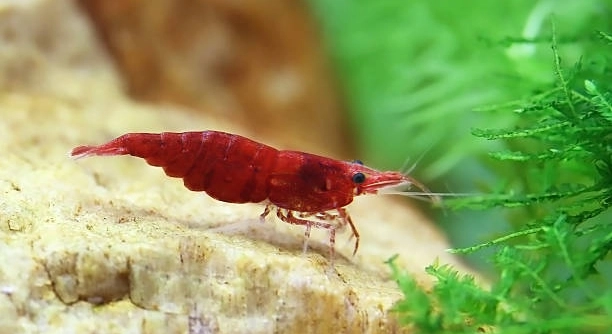
Cherry shrimp are delicate freshwater creatures often kept in home aquariums for their vibrant color and peaceful nature. Their small size and sensitive bodies make their environment and noise levels important for their wellbeing.
Cherry shrimp generally show little to no stress from the moderate hum of a standard air pump. Their behavior, feeding patterns, and activity remain largely unaffected, indicating that low-level mechanical noise is unlikely to disturb or harm them.
Understanding how these tiny shrimp respond to everyday aquarium equipment helps ensure a calm and healthy tank environment. Observing their behavior closely provides insight into their comfort and overall wellbeing.
Understanding Air Pump Noise and Cherry Shrimp
Air pumps are common in aquariums to circulate water and maintain oxygen levels. While the sound may seem loud to us, cherry shrimp are adapted to subtle noises in their environment. Their small size and delicate nervous systems make them sensitive to sudden or extreme disturbances, but the constant, low-level hum of a properly functioning air pump usually does not trigger stress responses. Observations show that shrimp continue grazing, hiding, and swimming without notable interruption.
Moderate air pump noise does not cause behavioral changes in healthy cherry shrimp.
Cherry shrimp react more to changes in water conditions than to background mechanical sounds. Sudden vibrations or excessively strong currents can startle them, but typical air pump noise is steady and predictable. Maintaining stable water parameters, hiding spaces, and a gentle current ensures the shrimp remain comfortable. Over time, they become accustomed to the consistent hum, and their activity and feeding remain unaffected, proving that a well-managed aquarium setup supports their natural behaviors while keeping noise concerns minimal.
Signs of Stress in Cherry Shrimp
Stress in cherry shrimp is subtle and often overlooked.
Common indicators include hiding for extended periods, reduced movement, loss of color, or irregular feeding habits. Stress is more likely caused by water quality, temperature fluctuations, or aggressive tank mates rather than consistent air pump noise. Monitoring these factors helps maintain a healthy environment.
Observing your shrimp daily allows for early detection of stress. If they suddenly stop feeding or retreat excessively, check water parameters first, as ammonia spikes or temperature changes are usually the main issues. Ensuring proper filtration, regular water changes, and balanced tank mates reduces stress risk. Even minor improvements, like adding plants or soft substrates, can make shrimp feel safer. Air pump noise alone, when moderate and constant, rarely causes long-term problems, but pairing it with a stable, enriching environment guarantees they thrive and display natural, vibrant behavior consistently.
Minimizing Noise Impact
Positioning the air pump away from the tank and using soft tubing can reduce vibrations. Gentle flow adjustments help keep water movement calm, preventing unnecessary stress for cherry shrimp.
Using sponge filters or quieter pumps can maintain oxygen levels while lowering sound levels. Adding decorations or plants near the pump outlet diffuses water flow and softens noise. Cherry shrimp prefer stable environments, so small modifications in equipment placement make a noticeable difference. Consistent monitoring ensures these adjustments work without affecting overall tank health. Over time, shrimp adapt better when background noise is controlled and water conditions remain stable.
Even simple changes, like adding a foam pad under the pump or using flexible tubing, can decrease sound transmission. Observing shrimp behavior after adjustments confirms that they are more comfortable and active. Ensuring a quiet, stable environment supports natural behaviors and feeding patterns, which helps maintain their vibrant colors and general health.
Observing Shrimp Behavior
Cherry shrimp activity is a key indicator of comfort. Subtle changes in movement, color, or feeding habits reveal stress levels.
Shrimp that remain active, explore their environment, and feed normally demonstrate tolerance to consistent background noise. Watching them closely provides insight into how equipment impacts daily routines. Changes in behavior often correlate with water quality, temperature, or tank setup rather than mechanical noise.
Noticing even small shifts, such as hiding longer than usual or fading color, allows timely corrections. Adjusting equipment placement, improving water quality, or increasing hiding spaces helps maintain a stress-free environment. Consistent observation ensures that shrimp thrive while adapting to any low-level noise present, supporting long-term health and activity.
Pump Placement Tips
Placing the air pump on a soft surface reduces vibration noise. Avoid direct contact with the tank or hard surfaces to prevent sound from transferring through glass.
Using flexible tubing and keeping the pump slightly above tank level also minimizes hum. Small adjustments make a noticeable difference in tank tranquility.
Comparing Pump Types
Air pumps vary in noise output. Sponge filters and quieter diaphragm pumps create gentle circulation without producing a strong hum. Electric air pumps with higher PSI tend to be louder and may transmit vibrations through the tank. Choosing the right pump depends on tank size, shrimp population, and noise tolerance. Observing shrimp behavior after installing a new pump helps ensure that they remain active and stress-free. Soft tubing, foam pads, or placing the pump outside a cabinet can further reduce disturbance. Prioritizing quieter equipment supports a calm environment while maintaining adequate oxygenation and circulation.
Monitoring Long-Term Effects
Regular observation ensures shrimp remain healthy and comfortable.
FAQ
Do cherry shrimp get stressed from air pump noise?
Cherry shrimp are generally tolerant of the low hum from a standard air pump. They respond more strongly to sudden vibrations or strong water currents than consistent background noise. Observing their daily activity, feeding, and color provides the clearest indicators of stress.
Can the noise affect their feeding habits?
Typically, moderate air pump noise does not alter feeding behavior. Shrimp will continue grazing on algae, biofilm, and supplemental foods as usual. Only abrupt changes in water flow or vibrations directly in the tank tend to disrupt feeding patterns. Consistent background noise is rarely a problem.
How can I reduce vibrations from my air pump?
Placing the pump on a soft pad or foam surface reduces vibration transmission. Flexible tubing and slightly elevating the pump above the tank also help. These adjustments decrease mechanical noise without affecting water circulation or oxygenation, keeping shrimp comfortable.
Is it better to use sponge filters or traditional air pumps?
Sponge filters produce gentler water flow and are quieter, making them ideal for shrimp tanks. Traditional air pumps may be louder but provide stronger circulation for larger tanks. Choosing between them depends on tank size, shrimp sensitivity, and desired noise levels.
Will moving the pump farther from the tank help?
Yes, relocating the pump away from hard surfaces or placing it on a separate stand reduces sound transfer. Even a few inches of distance can minimize vibrations reaching the tank, helping maintain a calm environment for shrimp.
How do I know if my shrimp are stressed?
Signs of stress include prolonged hiding, fading color, irregular swimming, and reduced feeding. Monitoring shrimp behavior daily helps identify problems early. Stress is usually linked to water quality, temperature fluctuations, or tank disturbances rather than consistent air pump noise.
Can multiple pumps increase stress levels?
Multiple pumps can increase vibrations and create stronger currents. Ensuring pumps are properly placed, using flexible tubing, and adjusting flow rates helps maintain a gentle environment. Observation of shrimp activity confirms whether additional pumps are affecting comfort.
Do shrimp eventually get used to air pump noise?
Yes, cherry shrimp can habituate to constant, low-level noise. Once they recognize it as non-threatening, their activity and feeding return to normal. Maintaining stable water parameters and providing hiding spots enhances this adaptation.
Is louder always worse for shrimp?
Not necessarily, but high-pitched or irregular noise can startle them. Steady, moderate noise is usually tolerated. Avoid placing pumps directly against the tank glass or using pumps with strong, uneven vibrations for small shrimp tanks.
How often should I check on shrimp behavior related to noise?
Daily observation is ideal, especially after installing new equipment. Watching for changes in color, movement, and feeding ensures early detection of stress. Adjusting pump placement or flow promptly helps maintain a healthy, calm tank.
Can decorations or plants reduce perceived noise?
Yes, plants, rocks, and driftwood can buffer vibrations and diffuse water flow. This creates quieter areas in the tank where shrimp feel secure. Strategically placed decorations improve overall comfort and encourage natural behavior despite background pump noise.
Is it necessary to turn off the pump at night?
Not usually. Continuous oxygenation is important for shrimp health. If noise is noticeable, ensuring it is steady and low is better than turning it off completely. Sudden off-and-on cycles can be more disruptive than constant low hum.
Do shrimp react differently in smaller tanks?
Smaller tanks can amplify noise and vibrations, so careful pump placement is more important. Using low-flow pumps and soft tubing is helpful. Shrimp in small tanks may show minor signs of stress if the equipment is too loud or direct.
Are there signs that indicate the pump is too strong?
Shrimp struggling to swim, constantly hiding, or being pushed by currents indicate the flow is excessive. Adjusting the flow, using a sponge filter, or redirecting output reduces stress and maintains normal activity.
Does water level affect noise perception?
Yes, keeping water slightly below the tank rim or using decorations to diffuse bubbles can lessen surface noise. The shrimp perceive less vibration when the tank is set up to soften air bubbles and flow patterns.
Can background noise from other equipment affect shrimp?
Shrimp are sensitive to vibrations from heaters, filters, or other pumps. Consistent, gentle background noise is tolerated, but irregular or strong vibrations can cause hiding and stress. Positioning equipment carefully reduces these disturbances.
Do stress effects from noise accumulate over time?
If the noise is constant but moderate, shrimp generally adapt. Chronic strong vibrations or high-intensity noise can accumulate stress over time, affecting color, molting, and feeding. Maintaining a stable, gentle environment prevents long-term effects.
Is monitoring shrimp behavior more important than measuring noise levels?
Yes, direct observation of shrimp is more effective than relying on decibel readings. Shrimp behavior reflects comfort levels accurately. Noise management should focus on reducing vibrations and flow impact rather than achieving a specific decibel target.
Can other tank inhabitants influence shrimp stress with noise?
Yes, active fish or aggressive species can increase movement and vibration in the tank. Even moderate air pump noise may combine with other disturbances, so choosing calm tank mates helps maintain a low-stress environment.
Do different shrimp colors or strains react differently?
There is no significant evidence that color or strain affects sensitivity to moderate pump noise. Individual shrimp may vary slightly, but behavior is mostly influenced by water conditions, tank setup, and environmental stability rather than genetic coloration.
Is it necessary to use a noise-reducing enclosure for the pump?
Not for most setups. Soft pads, flexible tubing, and proper placement are usually sufficient. Enclosures can help in extremely quiet rooms or for very sensitive tanks, but they are not essential for normal cherry shrimp care.
Can the sound of bubbling air itself bother shrimp?
Gentle, steady bubbles are not harmful and shrimp often ignore them. Irregular or forceful bubbling may startle them temporarily. Using diffusers or adjusting the air stone placement ensures a calmer environment while maintaining oxygenation.
Does water temperature interact with noise sensitivity?
Yes, stressed or fluctuating temperatures can make shrimp more reactive to noise. Maintaining stable water parameters reduces overall stress, making them less sensitive to the hum of pumps or other background vibrations.
Are young shrimp more sensitive than adults?
Juvenile shrimp are generally more vulnerable to strong currents or sudden disturbances. Moderate pump noise is tolerated, but providing calm areas with plants or hiding spots supports their growth and reduces stress risk.
How often should pump maintenance be performed to avoid noise increase?
Regular cleaning of tubing and air stones prevents clogs that increase vibration and noise. Checking pumps monthly ensures consistent performance, a steady hum, and a stress-free environment for shrimp.
Can too many shrimp in one tank increase stress from noise?
Higher stocking density may increase overall activity, amplifying perceived vibrations. Maintaining appropriate population levels and providing hiding spaces ensures each shrimp can escape minor disturbances and remain comfortable.
Are there any long-term effects of minor stress from noise?
Minor, consistent noise usually has no lasting effects if water quality and tank conditions are stable. Severe or irregular vibrations over time can impact molting, coloration, and feeding. Observation and preventive adjustments are the most effective way to protect shrimp health.
Can the type of substrate influence noise perception?
Soft substrates like sand or fine gravel help absorb vibrations, reducing noise transmission through the tank. Hard substrates can amplify mechanical sounds, making even moderate pump hum more noticeable to shrimp.
Does tank size affect noise impact?
Larger tanks disperse sound more effectively, reducing the intensity shrimp perceive. Smaller tanks may amplify vibrations, so careful equipment placement and flow control are more critical to maintain comfort.
Are cherry shrimp more sensitive during molting?
Yes, molting is a vulnerable time. Providing hiding spaces and minimizing sudden disturbances ensures shrimp remain safe. Consistent, gentle background noise is tolerated, but any sudden vibration should be avoided during this period.
Can I use noise-reducing materials outside the tank?
Placing foam, silicone pads, or vibration-absorbing mats under pumps reduces transmitted sound. These adjustments lower stress risk while keeping equipment functioning normally and maintaining consistent water flow for shrimp.
Is air pump noise worse at night?
Shrimp do not sleep in the same way mammals do, but nighttime noise may coincide with quieter surroundings, making it more noticeable to humans than shrimp. Constant, gentle noise remains safe for their activity.
Do different air stones affect noise levels?
Yes, fine bubble air stones produce softer, quieter flow than coarse stones. Adjusting the stone type can reduce surface splashing and vibrations while maintaining oxygenation for shrimp.
How can I test if my shrimp are bothered by noise?
Monitor feeding, color, movement, and hiding behavior. If shrimp remain active, explore, and feed normally, the noise is not disruptive. Adjusting flow or placement can help if minor stress is observed.
Are shrimp reactions to noise immediate or delayed?
Most reactions are immediate, like brief hiding or slight movement changes. Chronic stress from vibration or high-intensity noise may develop over days, emphasizing the importance of careful observation and consistent environment management.
Can background noise help mask sudden disturbances?
Yes, steady ambient noise can reduce startle responses from brief external sounds. Consistent background hum often helps shrimp feel secure compared to complete silence punctuated by sudden noises.
Does using multiple air stones reduce stress?
Properly placed multiple stones can distribute bubbles evenly, lowering current intensity in one area. This provides calmer zones, reducing stress for shrimp while maintaining oxygenation throughout the tank.
Are there any risks from completely eliminating pump noise?
Turning off pumps or filters completely reduces oxygenation and water circulation, which is harmful. Moderate, consistent noise is preferable to no circulation, as it maintains shrimp health and tank stability.
How important is regular observation alongside noise management?
Observation is critical. Even low-level, moderate noise is tolerated only if water conditions, hiding spots, and tank stability are maintained. Daily monitoring ensures shrimp remain comfortable and healthy despite mechanical sounds.
Do some shrimp ignore noise entirely?
Yes, many cherry shrimp quickly habituate to background hum. Their activity, feeding, and social behavior return to normal once they recognize the noise as non-threatening. Individual variation exists, but most adapt successfully.
Can stress from noise affect breeding?
Excessive stress can reduce egg production or survival rates. Moderate, constant noise is generally safe, but maintaining a calm, stable environment with adequate hiding spots supports reproduction and juvenile development.
Are there any tools to measure shrimp stress from noise?
Direct behavioral observation is most effective. While decibel meters can measure sound, shrimp response is better assessed through feeding, color, and activity patterns. Adjusting tank setup according to behavior ensures long-term comfort.
Does tank cover or lid influence noise impact?
Covers can dampen surface splashing noise and reduce evaporation. They also contain bubbles and vibrations, which may slightly decrease perceived noise, benefiting shrimp comfort and overall tank stability.
Can different water depths change noise perception?
Yes, deeper water absorbs vibrations and reduces surface noise, creating a calmer environment. Shallow tanks transmit sound more directly, so careful pump placement and gentle flow are important in these setups.
Do shrimp in planted tanks react differently to noise?
Plants provide hiding spots and diffuse water movement, reducing stress from vibrations. Shrimp in well-planted tanks often show less concern over moderate air pump hum compared to sparsely decorated tanks.
How can I balance oxygenation and noise control?
Choosing quiet pumps, using sponge filters, adjusting flow, and adding plants achieves sufficient oxygen without unnecessary noise. Observing shrimp ensures that oxygenation levels remain safe while maintaining a calm environment.
Is it necessary to replace air stones frequently?
Yes, clogged or worn air stones produce uneven bubbles and increased vibrations. Regular replacement maintains gentle flow, consistent oxygenation, and minimizes stress for shrimp.
Do shrimp ever react negatively to silent pumps?
Silent pumps are safe if water circulation and oxygenation are adequate. Issues arise only if lack of movement reduces water quality. Noise itself is rarely a requirement; function matters more than sound.
Can different tank shapes affect noise perception?
Yes, glass thickness, tank size, and shape influence vibration transmission. Narrow or shallow tanks may amplify hum, while larger, thicker tanks disperse noise more effectively. Adjustments in placement and tubing reduce perceived impact.
Are older shrimp more tolerant of noise?
Adult shrimp are generally more accustomed to consistent background hum. Juveniles are slightly more sensitive, but providing hiding spaces and gentle flow supports all age groups equally.
Does the type of air pump matter for long-term stress?
Yes, high-quality, low-vibration pumps reduce cumulative stress. Reliable pumps maintain stable flow, minimizing sudden disturbances and helping shrimp remain healthy over time.
Can noise levels be completely ignored in shrimp tanks?
Moderate, steady noise is usually harmless. Observation and proper tank setup are more important than eliminating all sound. Consistency, gentle flow, and environmental stability protect shrimp better than focusing solely on decibel levels.
How do I know when noise adjustments are necessary?
Shrimp hiding, reduced feeding, or color fading indicate the need for changes. Simple modifications, like repositioning the pump or adding foam pads, often restore comfort. Observation guides effective adjustments without overcomplicating equipment setup.
Does the combination of pump and filter noise matter?
Yes, combined vibrations can be stronger than a single source. Distributing equipment, using soft tubing, and adjusting flow ensures calm zones and prevents compounded stress from multiple devices.
Are shrimp more sensitive to intermittent noise than constant noise?
Intermittent, unpredictable noise is more likely to trigger hiding or stress. Constant, moderate noise is tolerated because it is predictable and non-threatening. Keeping flow and hum consistent supports shrimp wellbeing.
Does noise affect molting frequency?
Moderate, consistent noise does not impact molting. Stress from poor water quality or strong vibrations can delay or disrupt molting, so tank stability is more influential than air pump sound.
Can I use noise-reducing mats under the tank itself?
Yes, placing mats under the tank absorbs vibrations and reduces transmitted hum. This benefits shrimp comfort, especially in smaller tanks or rooms with hard flooring.
Do shrimp react differently to vertical vs horizontal tubing placement?
Vertical tubing may create stronger currents near the bottom, affecting shrimp movement. Horizontal or angled tubing disperses bubbles and current more evenly, reducing stress while maintaining circulation.
Is there a recommended distance between pump and tank?
A few inches on a soft surface is usually sufficient. Distance combined with foam pads and flexible tubing helps reduce transmitted vibrations and minimizes the perceived hum inside the aquarium.
Do temperature fluctuations worsen noise sensitivity?
Yes, shrimp are more reactive under stress from temperature swings. Stable temperatures combined with gentle flow reduce the chance of noise-induced hiding or altered behavior.
Can multiple small pumps be better than a single large one?
Yes, distributing flow across several low-output pumps reduces strong currents and vibrations in one area. This creates a calmer environment while ensuring adequate oxygenation throughout the tank.
Are shrimp more sensitive to noise during breeding?
Breeding shrimp prefer calm, stable conditions. While moderate, consistent noise is tolerated, sudden vibrations or strong currents may disrupt mating, egg-laying, or juvenile survival. Providing quiet zones supports reproductive success.
Does noise affect shrimp coloration?
Long-term stress can dull color, but moderate, constant noise has little impact. Maintaining water quality, gentle flow, and hiding spaces ensures vibrant, healthy shrimp.
How often should I review pump placement?
Review placement periodically or after any equipment changes. Observing shrimp behavior guides adjustments, ensuring minimal stress and consistent tank stability.
Do different species of shrimp respond differently to air pump noise?
Most small freshwater shrimp, like cherry shrimp, respond similarly. Sensitivity varies slightly by species, but moderate, steady noise is generally tolerated across common shrimp varieties.
Can air pump noise interfere with other tank equipment?
Improper placement may amplify vibrations affecting filters or heaters. Ensuring pumps sit on soft surfaces and tubing is flexible reduces noise interference while protecting shrimp comfort.
Are shrimp more reactive in bare tanks than planted tanks?
Yes, planted tanks provide hiding spots and buffer vibrations. Bare tanks leave shrimp more exposed, making even moderate pump noise slightly more noticeable and potentially stressful.
Does room acoustics affect shrimp perception of pump noise?
Indirectly, room acoustics can amplify or dampen sound, but shrimp react primarily to vibrations in water. Tank setup and equipment placement are more significant than ambient room noise.
Can using a check valve reduce stress from noise?
Yes, check valves prevent backflow and unwanted bubbling, reducing sudden bursts of noise and vibrations that may startle shrimp.
Is air pump size critical for noise control?
Choosing a pump appropriate for tank size avoids excessive flow or vibration. Oversized pumps may create strong currents and louder hum, while correctly sized pumps maintain calm conditions.
Do shrimp ever show preference for quieter zones?
Yes, they often congregate near plants or decorations that diffuse current and noise. Providing calm areas ensures comfort despite background pump hum.
Can air stones with smaller pores reduce stress?
Smaller pores create finer bubbles, producing gentler currents and softer surface noise. This reduces stress while maintaining adequate oxygenation for shrimp.
Are shrimp more sensitive to noise during extreme temperatures?
Extreme heat or cold makes shrimp more reactive to all disturbances, including moderate pump noise. Maintaining stable water temperature minimizes stress and ensures normal behavior.
Can vibrations from nearby appliances affect shrimp?
Yes, washing machines, heaters, or speakers can transmit vibrations to the tank. Isolating the tank or using pads reduces these external disturbances, complementing careful pump placement.
Do shrimp ever adapt to loud pumps?
Most adapt only if the noise is steady and not overly strong. Sudden or irregular loud pumps may cause persistent hiding or stress. Gradual habituation with gentle flow works best.
Are juvenile shrimp more affected by sudden noise than adults?
Yes, juveniles are more easily startled. Providing hiding spots, gentle flow, and minimal vibrations ensures they grow safely and remain active despite moderate air pump noise.
Does the frequency of bubbles matter?
Steady, small bubbles are tolerated, while large, forceful bubbles create noise and strong currents. Adjusting bubble size reduces stress without compromising oxygenation.
Can aquarium mats help overall noise management?
Yes, placing mats under tanks or equipment absorbs vibrations. Mats are simple solutions that reduce hum and support a calmer environment for shrimp.
Is there a difference between top-mounted and side-mounted pumps?
Side-mounted pumps may transmit more vibration through the tank walls. Top-mounted or external pumps on soft surfaces tend to produce less disturbance for shrimp.
Do shrimp react differently to vertical versus angled bubble streams?
Angled streams diffuse current, reducing stress. Vertical streams may push shrimp unintentionally, especially juveniles. Adjusting bubble direction helps maintain a calm environment.
Can soft tubing alone reduce stress?
Yes, flexible tubing reduces vibration transmission and noise. Combining tubing with foam pads and proper placement maximizes comfort
Cherry shrimp are small, delicate creatures that respond to their environment in subtle ways. Ensuring their comfort requires attention to water quality, temperature, hiding spaces, and overall tank stability. While air pumps are essential for maintaining oxygenation and circulation, their noise is often a concern for shrimp keepers. Observations and research indicate that cherry shrimp generally tolerate moderate, steady air pump noise without showing signs of stress. Their natural behaviors, including feeding, swimming, and social interactions, continue normally when noise is consistent and non-disruptive. Understanding their behavior and providing a calm environment ensures that they thrive in home aquariums, even with mechanical equipment present.
Proper placement of air pumps and equipment can significantly reduce vibration and sound transfer in a tank. Using soft tubing, foam pads, and positioning pumps slightly away from hard surfaces helps decrease the intensity of vibrations reaching the water. Sponge filters and low-flow pumps create gentle currents, which are often more suitable for smaller shrimp tanks. Adding plants, rocks, or driftwood not only provides hiding spaces but also diffuses water flow and softens noise. Over time, shrimp adapt to constant background hum, but sudden changes in noise, flow, or tank setup can trigger stress. Maintaining stability in both equipment and environmental conditions is key to their health and comfort.
Regular observation is crucial for maintaining a healthy shrimp tank. Watching for changes in color, behavior, or feeding patterns allows for early detection of stress. Even minor adjustments, such as repositioning a pump, adding a foam pad, or altering flow, can make a noticeable difference in shrimp activity. Long-term care involves balancing adequate oxygenation with a calm environment, ensuring that shrimp remain vibrant and active. While air pump noise is rarely harmful on its own, combining careful equipment management with a stable, enriched environment supports natural behavior and overall wellbeing. Providing these conditions ensures cherry shrimp can live comfortably, displaying their natural colors and behaviors consistently in a home aquarium.

Hello,
If you enjoy the content that we create, please consider saying a "Thank You!" by leaving a tip.
Every little bit helps us continue crafting quality advice that supports the health, happiness, and well-being of pets around the world, for pets of all shapes, sizes, and species.
We really appreciate the kindness and support that you show us!