
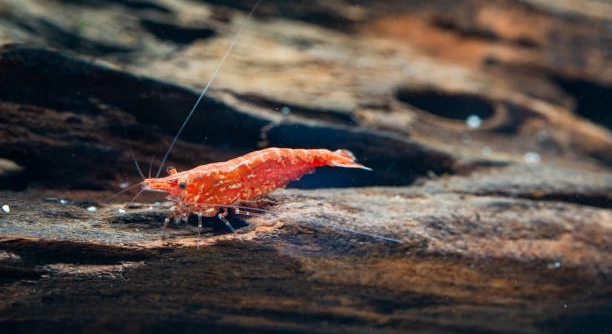
Shrimp are fascinating creatures, and their tiny movements often catch the eye. Some of these actions may appear strange or alarming to the untrained observer, especially when they twist, flick, or linger in unusual positions.
Many behaviors that seem concerning in shrimp are natural and part of their normal daily activities. Shrimp may hide, molt, flick their antennae, or float momentarily, all of which are signs of healthy development, exploration, or interaction within their environment.
Observing these actions closely helps in understanding shrimp better, ensuring their well-being while appreciating the intricacies of their natural behavior.
Flicking Antennae Rapidly
Shrimp often flick their antennae quickly, which can look alarming if you are watching closely. This behavior is a normal part of how they explore their surroundings. Antennae help shrimp sense water currents, locate food, and detect other creatures nearby. When shrimp wave their antennae rapidly, they are actively scanning the environment, gathering information to stay safe. This action may increase when they are curious, adjusting to new tank conditions, or reacting to movement around them. Observing this behavior over time can help distinguish normal activity from stress-related movements. Some shrimp may flick more vigorously than others, depending on their personality and health. Water quality and tank setup can influence how often this behavior occurs. Maintaining a stable, clean tank with plenty of hiding spots encourages natural antennae movement. This simple behavior is one of the easiest ways to monitor shrimp activity without disturbing them.
Rapid antennae flicking is generally harmless and indicates healthy sensory activity.
Paying attention to these subtle movements helps in understanding shrimp habits and recognizing normal patterns versus unusual stress signals.
Hiding in Corners
Shrimp often retreat to corners or under decorations, which can seem worrying at first.
Hiding is a natural behavior used for protection, resting, or molting. Shrimp feel secure in covered areas, and this behavior is more frequent during daylight or when tankmates are active. Providing plants, rocks, or shelters encourages them to express this natural instinct safely.
Some shrimp may hide for short periods, while others spend more time secluded. Observing when and how often shrimp hide can reveal details about their comfort level and tank conditions. Healthy shrimp usually venture out periodically to feed and explore, showing they are adapting well. Stress, poor water quality, or aggressive tankmates may increase hiding frequency, so monitoring these factors is important. Hiding is essential during molting, as it reduces vulnerability. Even when hiding seems excessive, it can simply reflect their preference for shaded, secure spots. Over time, you can recognize individual patterns, ensuring shrimp remain active and healthy. Proper tank design and consistent maintenance help shrimp feel confident, allowing them to display natural behaviors without constant concern.
Molting
Molting is a critical process where shrimp shed their exoskeleton to grow. It can look concerning because they may lie still and appear vulnerable. This pause is normal and essential for their development.
During molting, shrimp often hide in secure spots to avoid potential threats. Their new exoskeleton is soft, leaving them temporarily defenseless. Observing a shrimp during this phase may make it seem inactive or weak, but this is a natural, healthy process. Water conditions, diet, and stress levels affect how frequently molting occurs. A well-maintained tank with proper calcium and minerals supports successful molts, reducing complications. Some shrimp may take longer to fully harden, requiring extra care. Handling or disturbing them during this stage can cause injury. Regular observation helps identify molting patterns and ensures shrimp remain safe. Watching them grow through molting is fascinating and reassuring once you understand the process.
Molting signs include a discarded shell, swelling, or temporary color changes. Keeping the environment stable helps shrimp molt safely.
Floating or Hanging in Water
Shrimp may float or hang mid-water, which can seem unusual at first. Their movements remain controlled and intentional.
This floating is often part of normal swimming or exploring. Shrimp use water currents and gentle fin motions to maintain position without stress. Sometimes, they adjust orientation to feed on drifting particles or survey their surroundings. Floating may also occur after molting when their new exoskeleton is soft. Occasional hovering is typical behavior, reflecting health and energy. Persistent floating without movement or response to stimuli may indicate a problem, but short periods are natural. Observing how often and for how long a shrimp floats gives insight into their activity patterns and overall comfort in the tank.
When floating is frequent, it often relates to feeding or interacting with the environment. Tank design, current flow, and hiding spots influence how shrimp use mid-water areas, allowing them to balance safety with exploration naturally. Some shrimp enjoy open spaces, while others prefer to stay near the substrate. Maintaining stable water parameters encourages healthy swimming habits and prevents unnecessary stress that could affect floating behavior. By noting these patterns, you can better interpret shrimp activity and ensure they remain active and secure in their habitat.
Sudden Jerky Movements
Shrimp may make sudden, jerky motions that appear alarming. This is usually a response to changes in the environment or nearby movement.
These quick flicks are normal reflexes. They help shrimp escape perceived threats or adjust their position quickly. Observing these movements shows alertness and active sensory response.
Climbing Decorations
Shrimp often climb plants, rocks, or other tank decorations to explore or reach food. This behavior is natural and encourages physical activity, helping maintain muscle tone.
Scraping or Grazing
Shrimp frequently scrape surfaces to feed on algae and biofilm. This continuous grazing is essential for nutrition and overall health. Regular observation ensures they are actively feeding and maintaining a balanced diet.
What does it mean when shrimp hide constantly?
Constant hiding is usually a sign that shrimp are feeling insecure or stressed. It can happen when there is too much light, strong water currents, or aggressive tankmates. Hiding itself is natural, especially during molting, but prolonged seclusion can indicate environmental issues. Observing how often shrimp emerge to feed helps assess their comfort. Providing plenty of hiding spaces like plants, rocks, or moss creates a safer environment. If hiding persists even with shelter, checking water parameters for ammonia, nitrites, and nitrates is essential, as poor water quality often causes stress.
Why do shrimp flick their antennae so fast?
Rapid antennae flicking is a normal sensory behavior. Shrimp use their antennae to detect food, monitor water currents, and sense potential threats. Flicking helps them gather information about their surroundings efficiently. Increased activity may occur when shrimp are exploring new areas or interacting with other shrimp. Flicking is also a sign of curiosity and alertness. Observing this behavior regularly can indicate whether shrimp are active and healthy. If antennae movement seems unusually frantic or accompanied by erratic swimming, it could suggest minor stress or environmental changes that need attention.
Is it normal for shrimp to float in the water column?
Yes, floating or hanging in mid-water is typical for healthy shrimp. They use small fin movements and water currents to maintain position while feeding or exploring. Floating may also occur after molting when their exoskeleton is still soft. Short periods of hovering are natural, and shrimp often return to the substrate or hiding spots afterward. Persistent floating without movement or response to stimuli can be a concern, but occasional mid-water activity is normal. Tank layout, current, and available cover influence how often shrimp use open spaces, and providing stable water conditions helps them feel secure while floating.
Why do shrimp climb decorations and plants?
Climbing is a natural exploratory and foraging behavior. Shrimp use decorations and plants to reach food, explore their environment, or find safer resting spots. This activity is important for physical exercise and mental stimulation. Observing climbing behaviors shows they are active and comfortable in their tank. Providing varied textures and surfaces encourages climbing and grazing, keeping shrimp healthy.
What causes shrimp to make sudden jerky movements?
Jerky movements are normal reflexes to environmental changes, sudden shadows, or perceived threats. Shrimp use quick flicks to escape danger or adjust their position rapidly. These movements indicate alertness and a functional nervous system. Occasional jerks are typical, but frequent or continuous spasms may suggest stress, poor water quality, or irritation. Maintaining a stable tank environment reduces unnecessary stress and ensures shrimp remain active without excessive startling.
Why do shrimp scrape surfaces constantly?
Scraping or grazing is part of normal feeding behavior. Shrimp feed on algae, biofilm, and tiny particles on surfaces. This helps them maintain nutrition and supports tank cleanliness. Regular observation ensures all shrimp are feeding evenly, and no one is being outcompeted for food. Providing surfaces rich in biofilm or supplementing with algae wafers promotes healthy scraping behaviors.
How can I tell if shrimp molting is going well?
Signs of a successful molt include a discarded exoskeleton, a soft but gradually hardening new shell, and continued feeding afterward. Shrimp may hide during the process, which is normal. Water quality, calcium levels, and stress-free conditions influence molting success. Observing shrimp daily helps identify normal molting patterns and ensures they remain safe during this vulnerable stage.
Are unusual color changes a problem?
Temporary color changes often occur during molting, stress, or feeding. Minor variations are normal, but drastic or prolonged changes may indicate illness or poor water conditions. Monitoring shrimp behavior alongside color changes helps determine if intervention is needed. Stable water parameters and a balanced diet support consistent, healthy coloration.
Can shrimp behaviors indicate water issues?
Yes, many behaviors signal environmental conditions. Excessive hiding, lethargy, erratic swimming, or prolonged floating can indicate poor water quality. Testing parameters like ammonia, nitrite, nitrate, pH, and temperature ensures shrimp remain healthy. Observing natural behaviors in a stable environment helps distinguish normal actions from stress-induced responses.
How can I reduce stress in shrimp?
Providing hiding spots, maintaining consistent water parameters, feeding appropriately, and avoiding overcrowding reduces stress. Minimizing sudden changes in light, temperature, or water flow also supports calm, healthy shrimp behavior. Regular observation allows you to catch early signs of stress before they become serious.
Why do shrimp sometimes appear inactive?
Inactivity often relates to resting, molting, or environmental comfort. Shrimp spend periods stationary to conserve energy and process food. Consistent inactivity without feeding or movement may indicate illness or water problems. Monitoring patterns and tank conditions ensures inactivity is natural and not a sign of distress.
What is normal shrimp behavior overall?
Normal shrimp behavior includes grazing, climbing, floating, flicking antennae, hiding occasionally, and moving in controlled bursts. They may have unique personalities and preferences, but most display regular activity when healthy. Understanding these patterns allows for better care and a more rewarding observation of these small, intricate creatures.
How often should I observe shrimp?
Daily observation helps track normal versus concerning behaviors. Noting molting, feeding, hiding, and swimming patterns provides insight into health and tank conditions. Observing for even a few minutes each day ensures problems are identified early and shrimp remain active and thriving.
What should I do if behaviors seem abnormal?
Check water quality, temperature, diet, and tankmates first. Correcting environmental issues often resolves concerning behavior. Persistent abnormal activity may require consulting experienced shrimp keepers or experts for guidance. Early intervention prevents long-term health problems and ensures shrimp continue exhibiting natural, healthy behaviors.
Can shrimp behavior change with age?
Yes, younger shrimp may be more active and exploratory, while older shrimp often move more slowly and hide more frequently. Monitoring age-related changes helps distinguish normal behavior shifts from potential health concerns. Adjusting tank conditions for different life stages supports their ongoing well-being.
Are shrimp social creatures?
Shrimp interact with each other by grazing near one another, flicking antennae, and occasionally following movement. Social interaction is subtle but contributes to their natural behavior patterns. Observing group dynamics can indicate comfort levels and overall tank harmony.
How does diet affect shrimp behavior?
A balanced diet keeps shrimp active, supports molting, and maintains vibrant coloration. Nutritional deficiencies can lead to lethargy, excessive hiding, or irregular molting. Providing algae, biofilm, and supplemented foods ensures shrimp remain healthy and exhibit normal behaviors consistently.
What role does tank setup play in shrimp behavior?
Tank layout, hiding spots, water flow, and lighting all influence behavior. Proper design encourages natural activities like grazing, climbing, and floating safely. Stressful setups may increase hiding, jerky movements, or lethargy. Maintaining a well-structured environment promotes healthy, observable behaviors.
How long do shrimp behaviors take to normalize in a new tank?
Shrimp usually take a few days to a week to adapt, gradually exploring and feeding more actively. Initial hiding, antennae flicking, or floating is normal. Observing their progression helps confirm they are adjusting comfortably and that water conditions are appropriate.
Can observing shrimp behavior improve care?
Yes, careful observation reveals their needs, signals potential problems, and enhances understanding of natural habits. Tracking daily patterns ensures a safe, healthy environment and strengthens the ability to respond promptly to any changes in behavior.
Do shrimp behave differently in groups versus alone?
Shrimp are generally social but can be shy when isolated. Groups encourage grazing, climbing, and interaction, creating a more active tank environment. Observing how they behave in company versus alone provides insight into social and environmental needs.
How does lighting affect shrimp behavior?
Bright lighting can trigger hiding and reduce activity. Dim or moderate lighting encourages grazing and natural exploration. Gradual light changes are preferable, reducing stress while allowing shrimp to adjust comfortably to their environment.
What signs indicate a healthy shrimp?
Active movement, regular grazing, smooth antennae flicking, normal coloration, and proper molting are key indicators. Healthy shrimp balance activity with resting periods and respond to stimuli appropriately. Observing these signs daily ensures ongoing care aligns with their needs.
How often should I feed shrimp to support behavior?
Small, frequent feedings promote natural grazing and prevent overfeeding. A balanced diet with biofilm, algae, and occasional supplements maintains energy levels, encourages activity, and supports healthy molting, coloration, and exploration behaviors.
What environmental factors most influence shrimp behavior?
Water quality, temperature, hiding spots, tankmates, and lighting are critical. Stable conditions support normal grazing, climbing, floating, and antennae activity. Stressors like poor water or sudden changes trigger hiding, jerky movements, or inactivity. Consistent observation ensures the environment remains conducive to natural behavior patterns.
How can I tell if shrimp are stressed?
Signs include prolonged hiding, erratic swimming, color fading, and inactivity. Stress often stems from poor water conditions, overcrowding, or aggressive tankmates. Monitoring daily behaviors allows early detection, and correcting environmental issues reduces stress while promoting healthy, natural activity.
Do shrimp communicate with each other?
Shrimp use subtle movements and antennae flicks to sense others and navigate around the tank. This communication helps avoid collisions, establish space, and maintain group dynamics. Observing these interactions reveals comfort levels and social patterns without direct contact.
How do seasonal changes affect shrimp behavior?
Minor changes in water temperature or lighting can influence activity, grazing, and molting patterns. Gradual adjustments help shrimp adapt naturally, while abrupt shifts may trigger hiding, floating, or jerky movements. Monitoring environmental stability ensures consistent healthy behavior.
Can shrimp behavior predict health issues?
Yes, deviations from normal patterns often indicate water problems, illness, or dietary deficiencies. Early observation of hiding, lethargy, or erratic swimming allows timely intervention, preventing long-term complications and maintaining a thriving shrimp population.
How long does it take to recognize normal shrimp behaviors?
Within a few weeks, regular observation reveals individual and species-specific patterns. Noting feeding, climbing, molting, and floating habits helps distinguish normal behaviors from signs of stress or illness. Understanding these routines improves care and tank management practices.
What can be done to encourage natural shrimp behavior?
Provide varied surfaces for grazing, hiding spaces, gentle currents, and stable water conditions. Balanced diet and proper lighting encourage activity, exploration, and social interaction. Observing patterns ensures interventions maintain comfort and health. Proper care supports natural behaviors consistently across all life stages.
Are all shrimp behaviors easy to interpret?
Some behaviors, like flicking or hiding, are straightforward, while others, such as subtle color shifts or floating patterns, require careful observation. Understanding context, tank conditions, and molting stages helps interpret actions accurately, ensuring healthy shrimp care.
How important is observation for long-term shrimp health?
Observation is key. Daily attention identifies stress, illness, or environmental issues early. Recognizing normal versus concerning behaviors allows timely adjustments, supporting active, healthy shrimp and a well-balanced, thriving tank ecosystem.
Can shrimp adapt to new environments quickly?
Shrimp usually take several days to a week to acclimate. Gradual introduction, stable water parameters, and accessible hiding spots help them adjust safely, minimizing stress and promoting natural behaviors in their new surroundings.
How do tankmates influence shrimp behavior?
Aggressive or fast-moving tankmates may trigger hiding, jerky movements, or reduced grazing. Peaceful companions allow natural activity, encouraging exploration, climbing, and feeding. Observing interactions ensures a harmonious environment, reducing stress and promoting healthy behaviors.
What is the best way to monitor shrimp behavior daily?
Spend a few minutes each day observing movement, grazing, antennae activity, and interactions. Note hiding frequency, molting stages, and floating behavior. Consistent monitoring helps detect changes early, supporting timely interventions and long-term health.
How do water currents affect shrimp activity?
Moderate currents stimulate natural swimming and exploration. Strong currents may increase hiding or jerky movements. Adjusting flow ensures shrimp can forage and move comfortably without unnecessary stress. Proper current management promotes healthy, observable behaviors.
Why is hiding beneficial during molting?
Shrimp hide to protect themselves while their new exoskeleton hardens. This reduces vulnerability to tankmates and environmental stress. Providing secure hiding spots supports safe molting, ensuring shrimp emerge healthy and active.
Can shrimp behavior vary between species?
Yes, some species are more active, while others prefer hiding or slow grazing. Knowing species-specific tendencies helps interpret behaviors accurately and create an environment that meets their natural needs.
Does water temperature affect shrimp behavior?
Yes, cooler water slows metabolism, reducing movement and grazing, while warmer water increases activity. Maintaining appropriate temperature ranges ensures shrimp display normal behaviors without stress or lethargy.
How does tank size influence shrimp behavior?
Larger tanks allow more exploration, climbing, and floating, reducing stress and competition. Small tanks may increase hiding or jerky movements due to limited space. Observing shrimp in relation to tank size helps assess comfort and activity levels.
Are shrimp more active at certain times of day?
Shrimp often increase activity during low-light periods and rest when exposed to bright lighting. Understanding daily activity cycles helps anticipate grazing, climbing, and exploration behaviors, supporting consistent care and observation.
What feeding practices support natural shrimp behavior?
Small, frequent feedings encourage grazing, climbing, and floating. Balanced diets with algae, biofilm, and supplements maintain energy, molting success, and coloration, promoting natural, healthy activity patterns.
How do stress signals appear in shrimp behavior?
Stress shows through prolonged hiding, reduced movement, color changes, or erratic swimming. Early detection allows adjustments in water quality, lighting, or tankmates, preventing health issues and restoring natural behavior.
How can observing shrimp enhance overall tank management?
Daily observation informs feeding, cleaning, and habitat adjustments. Recognizing normal and abnormal behaviors allows proactive care, reduces stress, supports molting, and ensures shrimp remain active and healthy within the tank ecosystem.
Can shrimp behavior indicate reproductive readiness?
Yes, increased activity, grooming, and antennae flicking can signal readiness to mate. Observing these patterns helps track reproductive cycles and maintain proper tank conditions for successful breeding.
How long should I observe shrimp after adding new tankmates?
Monitor daily for at least one to two weeks. Check interactions, hiding, feeding, and activity levels to ensure harmony and identify stress before problems develop.
What environmental adjustments help encourage natural behaviors?
Provide varied surfaces, stable water parameters, gentle currents, appropriate lighting, and hiding spaces. Adjustments encourage grazing, climbing, floating, and social interaction, supporting healthy, natural shrimp activity.
Are all shrimp behaviors easy to distinguish from stress?
Not always. Subtle differences, like occasional hiding versus prolonged inactivity, require careful observation. Context, tank conditions, and individual patterns help distinguish normal behavior from stress responses.
Can diet changes alter shrimp behavior quickly?
Yes, introducing new foods or supplements may increase grazing, climbing, or activity levels. Ensuring balanced nutrition supports consistent, healthy behaviors over time.
How do I ensure shrimp feel secure in the tank?
Provide adequate hiding spaces, stable water parameters, gentle flow, and peaceful tankmates. Observing their movements and activity patterns ensures shrimp feel safe and can display natural behaviors comfortably.
What is the most important factor in interpreting shrimp behavior?
Consistency. Observing shrimp regularly, noting patterns, and understanding environmental conditions allows accurate interpretation. Recognizing deviations early ensures timely care, supporting health, molting, feeding, and overall natural activity.
How long does it take to fully understand shrimp behaviors?
With consistent observation over several weeks, individual and species-specific patterns become clear. Understanding these behaviors improves care, tank management, and overall shrimp well-being.
Are abnormal behaviors always dangerous?
Not always. Some unusual behaviors are temporary responses to changes or molting. Persistent or repeated abnormal patterns indicate stress, water issues, or illness and require attention to maintain shrimp health.
How does lighting adjustment help shrimp feel comfortable?
Gradual lighting changes reduce stress, encouraging grazing, climbing, and exploration. Bright sudden light can trigger hiding or inactivity. Stable light conditions help shrimp display normal, healthy behaviors consistently.
Do shrimp require social interaction to behave naturally?
Yes, group presence encourages grazing, climbing, and exploration. Observing interactions among tankmates provides insight into social dynamics and comfort, supporting healthy natural activity.
Can shrimp behavior help detect early illness?
Yes, deviations from normal patterns, such as lethargy, erratic swimming, or prolonged hiding, often indicate early illness. Early detection allows corrective action, improving survival and long-term health.
What role does water chemistry play in shrimp behavior?
Stable pH, temperature, hardness, and nutrient levels support normal activity, grazing, and molting. Imbalances trigger stress behaviors like hiding, jerky movements, or inactivity. Monitoring and adjusting chemistry is critical for maintaining healthy shrimp behavior.
How do shrimp respond to tank disturbances?
Shrimp may flick, dart, or hide temporarily in response to disturbances. Short-term reactions are normal; prolonged stress signals environmental issues that need correction. Observing these responses helps ensure the tank remains suitable for healthy activity.
Can observing shrimp behavior improve breeding success?
Yes, recognizing mating behaviors, molting patterns, and activity cycles helps provide optimal conditions for reproduction. Monitoring interactions ensures shrimp are healthy, active, and ready for breeding opportunities.
Do shrimp ever display aggressive behavior?
Shrimp are generally peaceful but may compete for food or space. Minor scuffles or antennae flicking occur occasionally. Observing these interactions ensures they remain non-threatening and that all shrimp can feed and move comfortably.
How important is tank stability for shrimp behavior?
Highly important. Stable water parameters, gentle currents, and consistent feeding encourage normal grazing, climbing, floating, and resting patterns. Stability reduces stress and supports overall shrimp health and activity.
What behaviors indicate shrimp are adapting well to a new tank?
Regular grazing, climbing, antennae flicking, and controlled movement show adaptation. Gradual exploration and reduced hiding indicate they feel secure and are adjusting successfully to their environment.
How can observing shrimp prevent problems before they arise?
Early detection of unusual hiding, jerky movements, color changes, or inactivity allows intervention. Maintaining water quality, proper diet, and suitable tankmates prevents stress and supports healthy natural behaviors.
Are all shrimp behaviors predictable?
Not entirely. Individual personalities, age, and environmental changes influence behaviors. Understanding normal patterns allows interpretation of variations while ensuring proper care and observation.
Can behavior tracking improve long-term shrimp care?
Yes, noting feeding, climbing, floating, and molting patterns supports better tank management, stress reduction, and timely intervention, promoting healthy, active shrimp over time.
Do shrimp adjust behavior according to tankmates?
Yes, shrimp may hide, flee, or become more cautious around faster or aggressive tankmates. Observing these adjustments ensures compatibility and maintains a healthy, stress-free environment.
What is the easiest way to monitor shrimp behavior daily?
Spend a few minutes observing activity, feeding, hiding,
Shrimp are delicate and fascinating creatures that show a variety of behaviors that can seem unusual at first. Their antennae flick constantly, they may hide in corners, climb decorations, or float in the water column. These behaviors, while sometimes alarming to an observer, are mostly natural and essential for their survival and comfort. Each movement has a purpose, whether it is exploring the environment, finding food, or avoiding potential threats. Understanding these patterns helps ensure shrimp remain healthy and stress-free in their habitat. Regular observation is key to distinguishing normal activity from signs of discomfort or illness. By paying attention to their daily routines, it becomes easier to identify when something is off, such as prolonged hiding, erratic swimming, or a failure to feed. A stable environment with proper hiding spaces, balanced nutrition, and consistent water conditions supports shrimp as they express their natural behaviors. Recognizing the subtle differences in individual shrimp habits allows for better care and a more harmonious tank environment overall.
Molting is one behavior that often causes concern, but it is a critical process for growth. During this time, shrimp may remain still for long periods and seek secure hiding spots. This vulnerability is normal and necessary as their new exoskeleton hardens. Similarly, behaviors like grazing, scraping surfaces, and climbing are signs of active engagement with their surroundings. Even floating or hanging mid-water is often just a way for shrimp to rest, feed, or observe their environment. Each of these actions is a form of communication with their surroundings and other tankmates, demonstrating that shrimp are responsive and aware. Healthy shrimp will cycle through these behaviors consistently, showing curiosity and interaction rather than lethargy or excessive hiding. Maintaining a clean tank, proper water chemistry, and adequate food sources encourages these natural activities. Observing shrimp over time also provides insight into their comfort and wellbeing, revealing patterns that indicate thriving behavior versus stress or discomfort.
Providing a stable and supportive environment is essential for encouraging normal shrimp behavior. Hiding spots, gentle water flow, balanced lighting, and peaceful tankmates all contribute to their sense of security. Small, frequent feedings and surfaces rich in biofilm or algae allow shrimp to express natural grazing and scraping behaviors. Consistent observation helps track their activity, feeding habits, and molting cycles, providing an early warning if something is off. Recognizing the difference between natural and concerning behavior ensures that interventions, when needed, are timely and effective. Over time, learning to interpret these behaviors improves care, reduces stress, and supports long-term health. Paying close attention to shrimp behavior allows for a rewarding experience of observing their small but intricate daily lives. A thoughtful approach to tank management, combined with careful monitoring, ensures shrimp remain active, healthy, and comfortable in their aquatic environment.

Hello,
If you enjoy the content that we create, please consider saying a "Thank You!" by leaving a tip.
Every little bit helps us continue crafting quality advice that supports the health, happiness, and well-being of pets around the world, for pets of all shapes, sizes, and species.
We really appreciate the kindness and support that you show us!