
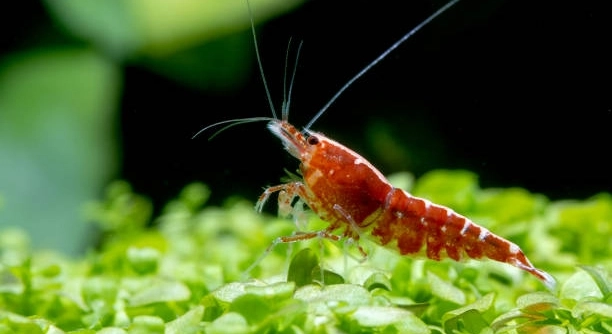
Do you ever notice your cherry shrimp quietly moving around the tank and wonder where they prefer to rest? Observing them can be relaxing, yet there is more to their behavior than just random swimming.
Cherry shrimp tend to select resting zones based on safety, comfort, and access to food. They often settle among plants, moss, or near hiding spots where they feel secure while conserving energy and staying protected from potential disturbances.
Learning about their resting habits can help improve their environment and overall well-being in the tank. Understanding these patterns benefits both the shrimp and their caretakers alike.
Preferred Resting Spots in the Tank
Cherry shrimp often pick areas that provide both cover and stability. I noticed mine spending most of their time clinging to moss or dense plants, especially near the bottom of the tank. These spots allow them to feel secure while still being able to reach food easily. Rocks and driftwood also act as resting zones, giving them surfaces to grip with their tiny legs. Some shrimp prefer quieter corners where water flow is minimal, helping them conserve energy. Observing their choices shows that safety and comfort are major factors in their resting behavior. Even in a well-planted tank, certain areas become favored because they offer the right combination of shelter and proximity to feeding spots. Temperature and lighting also influence where shrimp choose to stay, with dimmer areas being particularly popular during the day. Over time, patterns form, revealing their preferred resting zones naturally and consistently.
Their favored spots are usually calm areas with plant cover or surfaces to grip.
Resting zones are influenced by several factors, including water current, light intensity, and proximity to food. Shrimp often avoid open spaces where they feel exposed to perceived threats. Even within the same tank, individual shrimp may have different preferred locations based on personality or age. Juveniles may hide more, while adults take advantage of more central spaces. Observing shrimp over weeks can show consistent patterns, helping aquarists adjust tank layout. Adding moss, rocks, or hiding spots can encourage natural resting behavior and reduce stress. Maintaining stable water conditions also keeps these zones attractive. By watching how shrimp use different areas, it’s possible to optimize both their comfort and visibility for observation.
Environmental Factors Affecting Resting Behavior
Lighting and water flow significantly impact where shrimp choose to rest.
Temperature, water quality, and tank decoration all influence resting behavior. I found that shrimp avoid brightly lit areas and prefer regions where plants or moss soften the light. Strong currents push them toward sheltered zones, while calm water encourages longer rest. Tank layout matters; a combination of vertical surfaces and horizontal hiding spots allows them to choose based on mood or safety needs. Seasonal changes in tank lighting or temperature can subtly shift their favorite resting areas. Consistent feeding patterns also affect resting locations, as shrimp often settle near spots where food is likely to appear. Observing these behaviors helps in creating an environment that supports natural habits. By understanding how shrimp respond to these factors, it’s easier to keep them healthy and stress-free. Adjusting decor, water flow, and lighting ensures that preferred resting zones remain accessible, comfortable, and safe for all inhabitants. Maintaining these conditions can enhance activity during feeding while providing secure resting spaces at other times.
Daily Patterns and Resting Times
Cherry shrimp often rest during the day and become more active in the evening. I noticed mine hiding among moss or plants during bright daylight hours, conserving energy until the lights dimmed.
Most shrimp follow a predictable daily pattern. During daylight, they favor shaded or sheltered areas where they feel safe. As evening approaches, they gradually move toward open spaces to feed. Light intensity influences these movements significantly, with brighter areas being avoided during rest periods. Even small changes in lighting schedule can shift their resting times slightly. Observing shrimp over multiple days reveals consistent rhythms, showing how strongly they rely on environmental cues. These patterns also help predict when they will be most active, which is useful for feeding and maintenance schedules. Adjusting lighting gradually helps maintain their natural behavior without stress.
Water flow and tank temperature also affect daily resting routines. I noticed that shrimp often choose lower current areas when lights are on and spread out more once the flow slows. Shifts in water temperature can prompt them to move to different spots or alter resting duration. Juvenile shrimp may rest longer than adults, and older shrimp sometimes pick quieter zones. Observing these patterns provides insight into how each shrimp adapts to its surroundings, helping me optimize their tank for comfort and natural activity levels.
Social Behavior Around Resting Zones
Shrimp often rest near others but keep a small distance for comfort.
Resting zones are influenced by social interactions. Shrimp tend to cluster in areas with adequate cover but rarely crowd tightly. Dominant individuals may claim preferred surfaces, while others adjust their resting spots slightly away. Communication through subtle movements helps establish boundaries. These social dynamics are most noticeable during feeding or when new decorations are added. Changes in population density also affect how resting areas are shared. In heavily planted tanks, shrimp distribute themselves evenly, but some locations consistently attract more individuals due to safety and accessibility. I’ve observed that adding new hiding spots reduces competition and allows multiple shrimp to rest comfortably. Social behavior directly impacts stress levels, activity, and overall health. Maintaining a balance between shelter availability and population density ensures each shrimp can enjoy preferred resting zones without conflict.
Hiding Spots and Comfort
Moss, plants, and small decorations are often the preferred resting spots for cherry shrimp. I noticed they spend most daylight hours clinging to these areas, feeling secure while avoiding bright light and strong currents.
Rocks and driftwood also provide surfaces for gripping. Shrimp favor spots that offer both shelter and stability, allowing them to rest without constantly adjusting to water movement.
Influence of Tank Layout
The arrangement of plants, rocks, and hiding spaces affects how shrimp choose resting zones. Open areas are usually avoided during the day, while dense clusters attract more individuals. Proper layout encourages natural behavior, reduces stress, and helps them conserve energy efficiently. Observing their movement shows which areas are most comfortable.
Resting and Feeding Areas
Shrimp often pick resting zones close to feeding spots. This reduces energy spent moving around the tank and ensures quick access to food when it becomes available.
FAQ
Do cherry shrimp always rest in the same spot?
Not always, but they tend to favor consistent areas over time. I’ve seen mine return to the same moss patch or near a rock after exploring other parts of the tank. Preferred spots usually combine safety, comfort, and access to food. Occasional movement is normal, especially when lighting, water flow, or decorations change.
How long do cherry shrimp rest at a time?
Resting periods vary but usually last from a few minutes to several hours. During the day, they often hide for long stretches under plants or moss. At night or during dim light, they move more actively and may rest in shorter intervals, adjusting to environmental conditions.
Do cherry shrimp sleep like other animals?
Cherry shrimp don’t sleep in the way mammals do, but they have low-activity periods that serve a similar function. During these times, their movement slows, and they cling to surfaces while conserving energy. I’ve noticed they rarely leave their hiding spots during these periods.
Do tank mates affect resting behavior?
Yes. Fish or other more active tank mates can influence where shrimp rest. I’ve observed mine avoiding areas frequented by fast-swimming fish, instead choosing sheltered corners or dense moss. Peaceful tank mates allow shrimp to relax in preferred zones without constant interruptions.
Is water quality important for resting spots?
Absolutely. Poor water conditions can make shrimp restless or force them to hide excessively. Clean water, stable temperature, and proper pH levels encourage normal resting behavior. I always check water parameters regularly to ensure my shrimp feel safe and comfortable in their chosen zones.
Do all shrimp prefer the same types of hiding spots?
Not necessarily. While moss, plants, and driftwood are popular, individual shrimp may show personal preferences. Juveniles often hide more in dense moss, while adults may use open surfaces or edges of rocks. Observing each shrimp’s habits helps in arranging the tank to accommodate everyone.
Can resting zones change over time?
Yes, they can. Seasonal changes in lighting, temperature, or tank decoration can shift preferred spots. I’ve moved plants around and noticed shrimp adapting to new areas quickly. Providing multiple resting options helps them adjust without stress.
Do cherry shrimp rest more during the day or night?
They generally rest more during the day when the tank is brightly lit. Evening and low-light periods increase activity as they move to feed or explore. I often see them clinging to moss or rocks during the day and spreading out more in the evening.
Are there signs of stress in resting behavior?
Shrimp that constantly hide, avoid open spaces entirely, or move erratically may be stressed. I’ve noticed stress can result from overcrowding, poor water conditions, or strong currents. Ensuring plenty of hiding spots and stable water parameters helps maintain normal resting behavior.
Do feeding schedules affect resting zones?
Yes. Shrimp often settle near areas where food is consistently available. I feed mine in specific corners, and they tend to rest nearby, ready to move quickly when food appears. This reduces energy use and makes them feel secure while resting.
Do lighting and water flow impact resting locations?
Both are important. Bright light pushes shrimp toward shaded areas, while strong water currents push them toward sheltered zones. I’ve adjusted flow in my tank to create calm pockets, which shrimp consistently choose for resting.
How can I encourage shrimp to use multiple resting spots?
Adding moss, plants, rocks, and driftwood throughout the tank encourages variety. I’ve noticed that providing multiple surfaces reduces competition and allows each shrimp to find a comfortable place, ensuring everyone can rest without crowding or stress.
Is it normal for shrimp to rest together or alone?
Both are normal. Some cluster together in safe zones, while others prefer solitary spots. I’ve seen adults resting together in moss while juveniles hide nearby but not in the same patch. Social preference varies with age, personality, and tank layout.
Do shrimp ever rest in open areas?
Rarely. They usually avoid open water when resting due to vulnerability. If they do rest in exposed areas, it’s often when they feel completely safe or there is very little disturbance. I try to provide enough coverage so shrimp always have secure options.
Can resting behavior indicate health issues?
Yes. Unusual patterns, such as constant hiding, lack of movement, or staying in one spot for too long, can signal illness or poor water quality. I monitor resting behavior closely, as changes often reveal problems early, allowing for prompt correction.
How do tank decorations influence resting habits?
Decorations provide both surfaces to cling to and shaded areas for security. I’ve found that adding driftwood or rocks encourages shrimp to rest in multiple zones rather than overcrowding one spot. The arrangement can guide natural behavior and reduce stress.
Are there differences between males and females in resting preferences?
Females, especially when carrying eggs, often choose more sheltered spots for safety. Males may rest in slightly more open areas but still prefer protection. Observing their habits helps in understanding natural behavior and arranging the tank accordingly.
Do juvenile and adult shrimp rest differently?
Yes. Juveniles hide more frequently and in denser cover, while adults rest in accessible areas with moderate protection. I’ve seen younger shrimp rarely venture out, relying on moss and plants, while adults use a mix of hiding spots and open resting surfaces.
Can temperature changes affect resting zones?
Even small fluctuations can shift resting behavior. Warmer water may increase activity, while cooler water encourages longer resting periods. I maintain a stable temperature to ensure shrimp feel comfortable and consistently use their preferred zones.
Does the number of shrimp in a tank impact resting zones?
Higher population density can increase competition for prime spots. I’ve noticed that with more shrimp, individuals spread out and use secondary hiding spots more often. Providing plenty of moss, plants, and surfaces ensures that each shrimp has a safe resting area without conflict.
Are resting zones permanent once chosen?
Not permanent, but shrimp often return to familiar areas. Changes in lighting, water flow, or tank decorations can cause temporary relocation, but preferred zones usually reestablish themselves over time as shrimp adapt to their environment.
How can I tell if a resting spot is suitable?
Shrimp will remain in comfortable areas for long periods and return to them consistently. I watch for relaxed posture, minimal movement, and regular use as signs that a spot provides safety and comfort. Unsuitable spots are often abandoned quickly.
Does food type influence resting behavior?
Indirectly. Shrimp tend to rest near areas where they expect food to appear. I noticed that if I feed in one corner regularly, shrimp spend more time resting nearby, conserving energy and staying ready to feed efficiently.
Can multiple shrimp share one resting zone comfortably?
Yes, if there is enough space. Moss patches and plants can accommodate several shrimp without overcrowding. I make sure hiding spots are spread throughout the tank so that multiple individuals can rest comfortably without stress or competition.
Do shrimp change resting spots after tank maintenance?
Yes. Cleaning or rearranging decorations can temporarily disrupt resting patterns. I’ve seen shrimp explore new areas cautiously before settling again. Offering multiple safe zones during maintenance helps them adjust quickly.
How does tank size affect resting behavior?
Larger tanks allow more options, while smaller tanks may force shrimp to share spots. I’ve noticed in bigger tanks, they distribute themselves evenly, reducing stress and competition for resting areas. Proper layout is especially important in smaller setups.
Are resting spots influenced by the presence of plants?
Definitely. Shrimp prefer areas with moss, ferns, or dense plants. These provide both shelter and surfaces to cling to. I’ve seen that adding more plant coverage encourages natural resting behavior and reduces stress levels.
Can resting behavior indicate social hierarchy?
Sometimes. Dominant shrimp may claim prime spots, while others adapt by resting slightly away. I’ve observed subtle movements and nudges that establish these boundaries. Providing multiple options reduces conflict and ensures all shrimp can rest comfortably.
Do shrimp ever change resting habits for breeding purposes?
Yes. Females carrying eggs often choose more secure, sheltered areas to rest and protect their eggs. I’ve noticed males occasionally adjust resting locations to stay nearby but not interfere. Understanding these patterns helps support successful breeding in the tank.
How can I encourage natural resting behavior?
Provide plenty of hiding spots, stable water conditions, and minimal disturbances. I arrange moss, plants, and rocks in multiple locations, control water flow, and maintain consistent lighting. Observing how shrimp interact with these zones helps fine-tune the tank environment. Natural resting behavior is more likely when comfort and safety are prioritized.
Do changes in lighting affect shrimp resting schedules?
Yes. Shrimp avoid bright light when resting and seek shaded areas. I gradually adjust lighting levels to mimic natural cycles, which helps maintain consistent daily patterns and encourages them to use preferred zones.
How important is surface texture for resting spots?
Very important. Shrimp prefer textured surfaces like moss, rocks, or driftwood to cling to. Smooth surfaces are less appealing and may be avoided. I always provide a mix of textures, which helps shrimp feel secure and maintain natural behavior.
Are resting habits different in planted vs. bare tanks?
Planted tanks provide natural shelter and encourage varied resting behavior. Bare tanks force shrimp to hide in corners or cling to surfaces, limiting options. I’ve observed that planted tanks promote healthier, less stressed shrimp and more natural resting patterns.
Do shrimp ever rest near the tank’s surface?
Occasionally, but it’s uncommon. They usually prefer mid or bottom areas with cover. Surface resting occurs more often when the tank has floating plants or very calm water. I make sure there are secure options at multiple levels to meet their preferences.
How long does it take for shrimp to settle into new resting zones?
It varies, usually a few hours to several days. I’ve seen shrimp explore cautiously before consistently returning to preferred spots. Multiple hiding options help them adjust faster and reduce stress during transitions.
Can resting zones be affected by water current changes?
Yes. Strong currents push shrimp toward sheltered areas, while calm zones become more attractive for resting. I adjust flow patterns to create safe pockets where shrimp can rest without constantly gripping or swimming against the current.
Do shrimp prefer resting near tank decorations or plants?
Both. Moss, plants, and decorations provide surfaces to cling to and cover from bright light or disturbances. I’ve observed shrimp choosing spots that combine protection and accessibility, balancing security with convenience for feeding and movement.
Does age affect resting behavior?
Yes. Juveniles hide more frequently and in denser areas, while adults use more open spaces with moderate protection. Observing age differences helps in arranging the tank to accommodate all shrimp comfortably.
Can stress from external factors change resting behavior?
Definitely. Loud noises, vibrations, or rapid water changes can cause shrimp to hide excessively or avoid certain areas. I keep the tank environment calm to maintain natural resting patterns and reduce stress-related behavior changes.
Do shrimp adjust resting spots after feeding?
Yes. After feeding, they may move slightly to new zones, especially if food is scattered. I’ve noticed they quickly return to preferred spots once feeding is complete, conserving energy and remaining alert.
How do I identify a well-used resting zone?
Signs include frequent use, relaxed posture, and consistent return by multiple shrimp. I watch for these indicators to determine which areas provide comfort, shelter, and safety, ensuring they remain accessible and well-maintained.
Do shrimp ever change resting habits based on tank activity?
Yes. Increased tank activity, such as maintenance, new additions, or fish movement, can temporarily shift resting behavior. I observe their responses to ensure preferred zones remain safe and comfortable after changes.
Can adding more hiding spots improve resting behavior?
Absolutely. More options reduce competition and stress, allowing all shrimp to rest comfortably. I’ve found that even small additions like moss pads or tiny rocks create multiple attractive zones for resting, promoting natural behavior and well-being.
Do cherry shrimp share resting zones with other species?
Sometimes. Peaceful tank mates may share moss or plants without issue, but aggressive species can force shrimp to retreat to safer areas. I carefully choose companions to ensure shrimp can rest without conflict.
How important is consistent observation for understanding resting zones?
Observation is key. I watch shrimp daily to identify favorite spots, adjust tank layout, and notice unusual patterns. Consistent monitoring helps maintain comfort, reduce stress, and ensure natural behavior continues.
Do seasonal changes in lighting affect resting habits?
Yes. Shrimp adjust activity based on light intensity and duration. I modify artificial lighting gradually to mimic seasonal shifts, supporting consistent resting schedules and natural rhythms within the tank.
Can resting zones help predict shrimp behavior?
Yes. Knowing preferred zones helps anticipate activity periods, feeding responses, and social interactions. I use this insight to optimize tank layout and provide environments that meet their needs for safety, comfort, and energy conservation.
Do resting spots vary between tank levels?
Yes. Bottom and mid-level areas are usually preferred due to cover and stability. I provide moss, plants, and decorations at multiple levels to accommodate different preferences and allow natural distribution across the tank.
Is it normal for shrimp to avoid certain resting zones?
Yes. Spots with strong currents, bright light, or frequent disturbances are often avoided. I monitor which areas remain unused and adjust tank conditions or decorations to create more comfortable resting options.
Can resting behavior indicate readiness for molting?
Often. Shrimp may seek secluded, secure spots when preparing to molt. I’ve observed them hiding longer than usual, clinging tightly to moss or rocks, which provides protection during this vulnerable stage.
Do shrimp communicate through resting behavior?
Indirectly. Positioning, proximity, and subtle movements can signal social hierarchy or comfort levels. I’ve noticed dominant individuals claim prime resting zones while others adjust positions, maintaining balance within the group.
Can resting zones be affected by seasonal water temperature changes?
Yes. Warmer temperatures may increase activity, while cooler water encourages longer resting periods. I maintain stable conditions to ensure consistent resting behavior and minimize stress caused by temperature fluctuations.
Does tank size influence resting patterns?
Larger tanks provide more options, allowing shrimp to spread out. Smaller tanks may limit choices, forcing them to share zones. I ensure plenty of hiding spots and surfaces regardless of tank size to support natural resting behavior.
Are certain decorations better than others for resting?
Textured surfaces like moss, driftwood, and rocks are preferred. Smooth surfaces are less appealing. I provide a mix to allow shrimp to choose based on grip, shelter, and comfort.
Do shrimp ever rest near the water filter?
Rarely. Filters create strong currents, which are usually avoided. I’ve observed shrimp rest in calm areas nearby, but direct filter zones are almost always skipped unless flow is minimal.
Can resting behavior change with the addition of new shrimp?
Yes. New additions may alter territory or preferred spots temporarily. I monitor interactions, ensuring hiding spots and resting zones are sufficient for everyone to reduce stress and maintain normal behavior.
Do shrimp prefer horizontal or vertical surfaces for resting?
Both, depending on the individual. Horizontal surfaces like rocks and leaves are common, while vertical surfaces like plant stems provide grip and security. I provide a variety to accommodate personal preference and support natural behavior.
Is it normal for shrimp to move between multiple resting zones in a day?
Yes. They may shift spots based on light, water flow, feeding, or social interactions. I’ve noticed this behavior is natural and indicates healthy, adaptable shrimp.
Can changes in water chemistry affect resting behavior?
Absolutely. Poor water quality or unstable parameters can make shrimp hide excessively or avoid certain areas. I maintain clean, stable conditions to ensure preferred resting zones remain attractive and safe.
Do shrimp show favorite zones even when food is abundant?
Yes. Even with plenty of food, they return to preferred spots for comfort and security. Feeding proximity helps, but safety and stability are stronger factors in selecting resting zones.
Are resting zones important for shrimp health?
Yes. Safe, comfortable spots reduce stress, conserve energy, and support overall health. I ensure multiple options are available to allow natural resting behavior, which contributes to longevity and well-being.
Do shrimp prefer dense or sparse plant coverage for resting?
Dense plants are generally favored for security, while sparse areas may be used for brief rests or exploration. I provide a mix to give shrimp choices and maintain natural behavior.
Can resting zones affect breeding behavior?
Yes. Secure, sheltered spots encourage females to carry and protect eggs. I’ve observed that appropriate resting areas directly influence successful reproduction and reduce stress during breeding.
Do shrimp ever change resting spots after tank rearrangement?
Yes. They explore new areas cautiously, then settle into preferred zones once they feel safe. Multiple hiding options help them adjust quickly.
Can resting zones indicate dominance in the tank?
Sometimes. Dominant shrimp often claim prime areas, while others use secondary spots. I’ve noticed subtle positioning and nudges establish boundaries, which reduce conflicts when multiple shrimp share a tank.
Do resting habits differ between types of cherry shrimp?
Yes. Different color morphs or strains may have subtle differences in activity and preferred cover. Observing each type helps in arranging tanks to suit varied behaviors and resting needs.
Is it normal for shrimp to return to the same spot after disturbance?
Yes. Once the tank stabilizes, shrimp often return to familiar areas. I’ve seen them explore briefly after movement, then settle back in preferred resting zones.
Do seasonal changes in feeding schedules influence resting zones?
Yes. Shrimp tend to rest closer to areas where they expect food. Shifts in feeding times can slightly alter where they choose to stay during rest periods.
Can resting zones help predict shrimp activity periods?
Yes. Preferred spots indicate when they will be less active, and observing patterns can help plan feeding or tank maintenance around natural rhythms.
Do shrimp ever rest in open water when threatened?
Rarely. They usually seek cover during stress. I ensure plenty of hiding options so shrimp can retreat safely rather than risk open areas.
Are resting zones affected by aquarium size or shape?
Yes. Larger tanks provide more choices, while smaller tanks may concentrate shrimp in fewer areas. Proper layout ensures adequate coverage regardless of size or shape.
Do shrimp communicate stress through resting location?
Indirectly. Avoiding certain zones or constantly moving can indicate discomfort. I monitor resting patterns to detect potential stress or environmental issues early.
Can resting zones vary between day and night?
Yes. Daylight often pushes shrimp to shaded, sheltered areas, while night or dim light encourages movement and feeding. Observing patterns helps maintain a comfortable environment.
Do resting zones need to be changed often?
Not usually. Once shrimp settle into preferred spots, minimal changes are needed. I only adjust layout if adding new shrimp, decorations, or improving flow.
Are resting zones shared equally among all shrimp?
Not always. Dominant shrimp may occupy prime spots, while others use secondary areas. Providing multiple options reduces competition and allows everyone to rest comfortably.
**Can resting zones indicate shrimp health before visible signs?
Cherry shrimp are small but fascinating creatures. Their resting behavior may seem simple at first glance, but it reflects their needs for safety, comfort, and energy conservation. Observing them over time reveals clear patterns. They choose spots that provide shelter, such as moss, plants, rocks, or driftwood. These zones allow them to stay secure while keeping close to areas where food is available. Even small details, like water flow or lighting, influence where they prefer to rest. In my experience, understanding these habits has made caring for them more rewarding and less stressful, both for the shrimp and for me as an aquarist.
Resting zones are also shaped by social and environmental factors. Shrimp often rest near others but maintain personal space to avoid conflict. Juveniles tend to hide more than adults, and females carrying eggs usually seek the safest, most sheltered spots. The tank layout, including decorations and plant placement, can encourage natural resting behavior and reduce stress. Changes in water quality, temperature, or light intensity can prompt shrimp to temporarily shift their resting spots. Observing these patterns helps in adjusting the tank to meet their needs. Providing multiple hiding spots and calm areas ensures that all shrimp have access to safe and comfortable zones, allowing them to rest naturally without disturbance.
Finally, paying attention to resting behavior can improve the overall health and happiness of cherry shrimp. Resting habits are closely linked to their daily rhythms, feeding patterns, and stress levels. Consistent observation allows you to detect changes that may indicate health issues or environmental problems. Creating a tank that supports natural resting behavior, with stable water parameters, sufficient cover, and gentle currents, helps shrimp thrive. Over time, these small adjustments lead to a healthier, more balanced environment. Understanding resting zones is not only about observing behavior but also about actively providing a setting where shrimp feel secure, comfortable, and confident, ensuring long-term well-being in their aquatic home.

Hello,
If you enjoy the content that we create, please consider saying a "Thank You!" by leaving a tip.
Every little bit helps us continue crafting quality advice that supports the health, happiness, and well-being of pets around the world, for pets of all shapes, sizes, and species.
We really appreciate the kindness and support that you show us!