
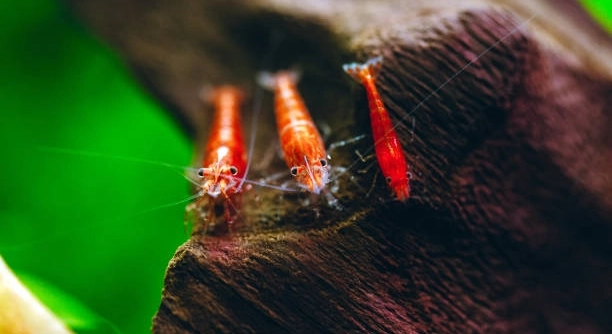
Keeping sensitive shrimp healthy in a home aquarium can feel overwhelming at times. Their small size and delicate nature mean even small mistakes in tank care can cause stress or health issues for them.
Maintaining a stable environment, monitoring water parameters, and performing regular cleaning are essential steps to ensure sensitive shrimp thrive. Proper filtration, gentle water changes, and careful feeding prevent stress and maintain overall tank stability for long-term shrimp health.
Following simple practices can protect your shrimp from common issues. These tips will help you create a safer and more comfortable habitat for your aquatic pets.
Monitor Water Parameters Regularly
Keeping water conditions stable is the most important part of shrimp care. Sensitive shrimp react strongly to changes in pH, temperature, and ammonia levels. Regular testing helps you catch problems early before they affect your shrimp’s health. Use a reliable test kit to check pH, nitrites, nitrates, and ammonia at least once a week. Temperature should remain consistent, ideally between 72-78°F, depending on the species. Avoid sudden changes in water chemistry, as even small fluctuations can stress your shrimp.
Testing water weekly gives a clear view of tank health and helps prevent emergencies.
Consistent monitoring allows you to adjust conditions gradually. If pH shifts slightly, you can correct it slowly rather than making sudden changes. Sensitive shrimp need a stable environment to grow, molt, and reproduce. Keeping track of ammonia and nitrate levels prevents disease and improves overall shrimp activity. Even small mistakes, like forgetting to top off evaporated water, can cause stress. Documenting readings over time also helps you notice patterns, making tank management much easier and less stressful. Regular monitoring is a simple step that has a big impact on long-term shrimp survival.
Perform Gentle Water Changes
Frequent, gentle water changes prevent waste buildup without shocking shrimp.
Small, regular water changes of 10-20% weekly maintain water quality while keeping parameters stable. Avoid using tap water without proper conditioning, as chlorine and chloramines are harmful.
When performing water changes, remove only a portion of the water at a time. Use a siphon to gently clean the substrate, removing uneaten food and debris. Make sure replacement water is the same temperature as the tank to avoid sudden changes. Condition the water to neutralize chemicals and add beneficial minerals if needed. Sensitive shrimp benefit from stable, mineral-rich water, which supports molting and overall health. Over time, consistent water changes prevent algae overgrowth and maintain a clear, safe environment. Even if the tank looks clean, waste products can accumulate and affect shrimp behavior. Establishing a simple routine ensures that the tank remains healthy without creating unnecessary stress for your shrimp.
Maintain a Stable Temperature
Shrimp are very sensitive to temperature fluctuations, which can stress them and affect molting. Keep the tank within their preferred range and avoid placing it near windows or vents.
Using a reliable heater with a thermostat ensures consistent water temperature. Sudden drops or spikes can weaken shrimp, making them more prone to disease. Even a few degrees difference can slow metabolism or cause lethargy. Monitor the water with a thermometer regularly, and adjust the heater as needed. Avoid turning off the heater for long periods, especially during colder months. A stable temperature also supports beneficial bacteria, keeping the tank’s ecosystem balanced. Keeping the environment consistent helps shrimp feel secure and thrive naturally over time.
Temperature consistency affects feeding, growth, and activity. Shrimp may refuse food or molt improperly if stressed by fluctuating heat. A tank with stable temperature supports reproduction and reduces mortality rates. Using a heater in combination with room temperature monitoring is an easy and effective way to maintain ideal conditions for sensitive shrimp.
Feed Carefully and Sparingly
Overfeeding can quickly pollute the tank, harming delicate shrimp. Small amounts of food once or twice a day are sufficient.
Sensitive shrimp require a balanced diet but in moderation. Excess food decomposes and releases ammonia, affecting water quality. Provide high-quality flakes, pellets, or blanched vegetables in tiny portions. Remove uneaten food within a few hours to avoid waste buildup. Feeding small amounts ensures shrimp have enough nutrition without overwhelming the tank’s filtration system. Observe how quickly the shrimp consume food, and adjust portions accordingly. Too much food can also attract unwanted pests, which can introduce disease. Proper feeding routines support healthy growth, vibrant coloration, and regular molting.
Shrimp often graze throughout the day rather than eating everything at once. By offering small, controlled meals, you reduce stress and maintain cleaner water. Include variety in their diet, such as algae wafers or occasional protein supplements, to ensure balanced nutrition. Avoid overfeeding even if the shrimp appear hungry, as consistent water quality is more important than extra treats. Careful feeding is a simple way to promote long-term health and activity in a sensitive shrimp tank.
Provide Hiding Spots
Shrimp feel safer when they have places to hide. Use plants, moss, or small decorations to create shelters.
Hiding spots reduce stress, especially during molting. They also give shrimp a sense of security, encouraging natural behavior and exploration throughout the tank.
Use Gentle Filtration
Choose a filter that does not create strong currents. Sponge filters are ideal because they clean water without harming shrimp.
Filters help maintain water quality by removing debris and supporting beneficial bacteria. Gentle filtration prevents shrimp from being sucked into strong currents while keeping the tank clean. Regularly rinse the sponge or filter media in tank water to avoid buildup and maintain efficiency. A balanced filtration system ensures oxygen circulation and a healthy environment for sensitive shrimp, reducing stress and promoting long-term survival.
Avoid Chemicals and Medications
Harsh chemicals can quickly harm shrimp. Avoid using unnecessary treatments, especially in a tank with sensitive species.
FAQ
How often should I test water parameters for sensitive shrimp?
Testing water once a week is usually enough for stable tanks. Focus on pH, ammonia, nitrites, and nitrates. If you notice sudden behavior changes or unusual deaths, test more frequently to identify potential problems quickly. Using a reliable test kit gives more accurate results.
Can I keep different shrimp species together?
It is possible but not always recommended. Some species are more aggressive or require slightly different water conditions. Mixing species increases the risk of stress and competition for food. If you try it, choose species with similar needs and monitor closely for signs of aggression or stress.
What is the best food for sensitive shrimp?
High-quality flakes, pellets, and blanched vegetables like spinach or zucchini work well. Occasional protein supplements, such as frozen or powdered shrimp food, support growth and molting. Avoid overfeeding, as leftover food can pollute the water and harm shrimp health. Feed small portions once or twice daily.
How can I tell if my shrimp are stressed?
Signs include hiding constantly, reduced activity, faded colors, or poor feeding. Molting problems or unexplained deaths may also indicate stress. Stress often comes from unstable water parameters, temperature swings, or overcrowding. Identifying these signs early helps you correct problems before they become serious.
Is it necessary to use a heater for all shrimp tanks?
Most tropical shrimp species benefit from a heater to maintain stable temperatures. A heater with a thermostat prevents sudden fluctuations, which can stress sensitive shrimp. Some hardy species tolerate room temperature tanks, but consistent warmth generally improves molting, feeding, and overall activity.
How often should I clean the tank?
Regular maintenance is essential. Partial water changes of 10-20% weekly keep the water clean without shocking shrimp. Remove debris and uneaten food during changes. Avoid full tank cleanings unless necessary, as this disrupts beneficial bacteria and can stress the shrimp. Cleaning should be gentle and consistent.
Can plants help shrimp health?
Yes, live plants improve water quality, provide hiding spots, and offer surfaces for biofilm, which shrimp graze on. Mosses, Java fern, and Anubias are particularly shrimp-friendly. Plants also help stabilize pH and reduce nitrate spikes, creating a healthier, more natural environment for sensitive shrimp.
What should I do if a shrimp molts and dies?
Molting is natural, but death can indicate water issues or stress. Check water parameters immediately and review feeding routines. Ensure minerals like calcium are available to support healthy molting. Dead shrimp should be removed promptly to prevent water contamination and disease spread.
Can I use tap water for shrimp tanks?
Tap water is fine if treated with a dechlorinator and tested for safe pH, hardness, and mineral content. Sensitive shrimp are vulnerable to chlorine, chloramine, and heavy metals, so proper conditioning is necessary before adding it to the tank. Using prepared water reduces risks.
Why do my shrimp hide all the time?
Hiding can be normal during molting or when stressed. Overcrowding, strong currents, or poor water conditions often cause excessive hiding. Providing plenty of plants, moss, and caves helps them feel safe. Monitoring their behavior can indicate whether the environment needs adjustment.
How many shrimp can I keep in a tank?
Stocking depends on tank size, filtration, and hiding spaces. A common guideline is one shrimp per two gallons of water for small species. Overcrowding causes stress, competition for food, and poor water quality, so maintaining a moderate population is essential for their health.
Is it necessary to quarantine new shrimp?
Quarantining new shrimp for at least a week helps prevent disease introduction. Observe their behavior and check for parasites or health issues. Quarantine also allows them to adjust to water parameters gradually before joining the main tank, reducing stress and risk to existing shrimp.
Can shrimp survive without live plants?
Yes, but live plants improve water quality and offer grazing surfaces. Without plants, shrimp may need more frequent water changes, careful feeding, and artificial hiding spots to thrive. Plants also provide a natural environment that supports health, molting, and reproduction.
How do I prevent shrimp from dying after molting?
Ensure water is clean, stable, and mineral-rich. Provide hiding spots to reduce stress. Molting failures often result from sudden water changes, lack of calcium, or overcrowding. Monitoring tank conditions and feeding a balanced diet with necessary nutrients supports healthy molts and reduces post-molt mortality.
What should I do if water parameters fluctuate frequently?
Identify the source, such as heater issues, overfeeding, or inconsistent water changes. Adjust routines gradually and avoid drastic changes. Frequent monitoring helps catch problems early. Stable parameters are critical for sensitive shrimp, as repeated fluctuations can lead to stress, disease, and deaths.
Can shrimp live with fish?
Some small, peaceful fish may coexist with shrimp, but many species will eat or harass them. If you mix them, ensure plenty of hiding spaces and monitor interactions closely. Shrimp-only tanks are safer for sensitive species to reduce stress and mortality.
How often should I feed vegetables to shrimp?
Offer small amounts of blanched vegetables a few times a week. They provide fiber and nutrients that support health and molting. Remove uneaten portions within a few hours to prevent water contamination. Balance vegetable feeding with commercial shrimp food for optimal nutrition.
Are filters necessary in shrimp tanks?
Yes, filters maintain water quality, circulate oxygen, and support beneficial bacteria. Sponge filters are ideal for sensitive shrimp because they are gentle and reduce the risk of shrimp being sucked in. Clean or rinse filter media in tank water to maintain efficiency without disturbing bacteria.
How do I prevent algae overgrowth?
Maintain proper feeding, regular water changes, and adequate lighting. Overfeeding and excess light often lead to algae blooms. Including live plants helps compete with algae for nutrients. Manual removal during maintenance keeps growth under control, supporting a healthy, balanced tank environment.
Can I use aquarium salt with shrimp?
Some species tolerate small amounts of aquarium salt, but sensitive shrimp are often harmed by it. Avoid adding salt unless recommended for a specific health issue, and always research your shrimp species’ tolerance before using it. Small mistakes with salt can be fatal.
What’s the best way to introduce shrimp to a new tank?
Acclimate slowly using a drip method or floating the bag to match temperature. Gradually add small amounts of tank water over an hour or more. Sudden changes in water chemistry can shock shrimp, causing stress or death. Patience during introduction ensures a smoother adjustment.
How do I encourage breeding in shrimp?
Stable water parameters, regular feeding, hiding spots, and mineral-rich water promote reproduction. Avoid stress from temperature swings or overcrowding. Healthy, well-fed shrimp are more likely to molt successfully and produce offspring. Observing juveniles can help track breeding success and tank health.
How can I tell if my shrimp are eating enough?
Shrimp should be active, grazing, and show visible growth over time. Uneaten food or lethargic behavior may indicate underfeeding or water issues. Observing feeding habits daily helps adjust portions, ensuring shrimp receive proper nutrition without polluting the tank.
What are common causes of shrimp deaths?
Poor water quality, sudden temperature changes, overfeeding, insufficient hiding spots, and incompatible tank mates are frequent causes. Disease and inadequate nutrition can also contribute. Careful observation, regular testing, and consistent maintenance help reduce mortality and keep sensitive shrimp healthy.
Is CO2 injection safe for shrimp tanks?
CO2 can lower pH rapidly, which is risky for sensitive shrimp. If used, monitor levels carefully and avoid sudden increases. Many shrimp thrive without CO2 supplementation. Plants that grow slowly or naturally in low CO2 conditions are safer for shrimp tanks.
How do I clean the substrate without harming shrimp?
Use a siphon gently and avoid disturbing shrimp hiding in the substrate. Clean small areas at a time, removing debris and uneaten food. Avoid full deep-cleaning unless necessary, as it can stress shrimp and disrupt beneficial bacteria that maintain tank health.
What should I do if shrimp lose color?
Color loss often signals stress, poor diet, or water issues. Check water parameters, adjust feeding, and provide hiding spots. Healthy shrimp regain coloration with proper care. Ensure the tank environment is stable, and supplement their diet with nutrient-rich foods to support vibrant colors.
Can shrimp live in low-light tanks?
Yes, many species do well in low light. Low-light conditions reduce algae growth and stress for sensitive shrimp. Ensure there are hiding spots and adequate food sources, as natural grazing surfaces like biofilm may grow more slowly without light.
How do I prevent shrimp from escaping?
Use a secure lid, as shrimp can climb and escape. Gaps around equipment, filters, or decorations should be closed. Keeping water levels moderate and surfaces slippery around the tank edges also reduces the risk. Careful setup protects shrimp from accidental escapes.
Can I use tap water conditioners for shrimp?
Yes, conditioners that neutralize chlorine and chloramines are essential. Some also bind heavy metals. Always choose products labeled safe for shrimp. Treat the water before adding it to the tank to prevent stress and maintain safe, stable conditions.
How do I identify sick shrimp?
Symptoms include lethargy, unusual swimming, faded colors, missing limbs, or molting problems. Early detection allows for corrective measures, like adjusting water quality or removing potential stressors. Observing shrimp behavior daily is key to catching problems before they worsen.
Are shrimp sensitive to light cycles?
Yes, consistent light and dark periods help regulate behavior and molting. Too much light can increase algae, while too little may reduce grazing activity. A timer ensures a regular cycle, supporting shrimp health and activity without unnecessary stress.
Can I use fertilizers in a shrimp tank?
Only use fertilizers labeled safe for shrimp. Many plant fertilizers contain copper or chemicals toxic to shrimp. Stick to shrimp-safe options to support plant growth without risking the health of sensitive species. Avoid accidental overdosing, which can be fatal.
How do I prevent shrimp from molting issues?
Stable water, proper minerals, and a balanced diet are essential. Provide hiding spots to reduce stress during molting. Avoid sudden changes in temperature, water chemistry, or overcrowding. Observing molts helps detect problems early and ensures shrimp recover safely.
What is the best tank size for sensitive shrimp?
A minimum of 10 gallons is recommended for small species, providing space, hiding spots, and stable water conditions. Larger tanks are easier to maintain and reduce stress, offering a more balanced environment for long-term shrimp health.
Can I add snails to a shrimp tank?
Yes, many small snails coexist with shrimp and help clean algae. Avoid aggressive or large snails that may compete for food or damage shrimp. Choose peaceful species like Nerite or Ramshorn snails for compatibility and a balanced tank.
How do I safely remove dead shrimp?
Use a net or siphon carefully. Remove them promptly to prevent ammonia spikes and disease spread. Dispose of the carcass outside the tank or in a separate container. Regular observation and quick action keep the tank environment safe for remaining shrimp.
Can shrimp survive sudden power outages?
Short outages are usually tolerated, but long ones can reduce oxygen levels. Battery backup for filters or aeration helps protect shrimp. Minimizing stress during outages and restoring filtration quickly is crucial for sensitive species.
Are shrimp sensitive to vibrations or loud noises?
Yes, strong vibrations or loud activity near the tank can stress shrimp, leading to hiding or molting problems. Place the tank in a quiet area and avoid frequent tapping on the glass. A stable, calm environment supports health and normal behavior.
What is the best substrate for sensitive shrimp?
Fine gravel, sand, or specialized shrimp substrates are ideal. They provide surfaces for biofilm growth, support plants, and are gentle on delicate shrimp. Avoid sharp or coarse substrates that could damage their legs or bodies. Regular cleaning maintains its benefits.
How do I acclimate shrimp to a new tank?
Float the bag to equalize temperature, then slowly add small amounts of tank water over one to two hours. Gradual acclimation reduces stress from water chemistry changes and increases survival rates for sensitive shrimp. Patience during this process is essential.
Can shrimp tolerate slight ammonia presence?
No, even low ammonia levels are harmful. Sensitive shrimp require zero ammonia. Immediate corrective measures like water changes or improved filtration are needed if ammonia appears. Regular monitoring prevents accumulation and protects shrimp health.
Is it okay to leave shrimp alone for a few days?
Yes, if the tank is stable, properly filtered, and food is available. Overfeeding or adding too much food can be harmful. A short absence is manageable, but frequent monitoring is still important to maintain water quality and shrimp health.
How do I prevent shrimp from dying after transport?
Minimize stress during transport by keeping temperature stable and limiting handling. Acclimate slowly to the new tank and avoid sudden water changes. Gentle care ensures shrimp adjust without shock or health complications.
Can shrimp survive in tap water with high hardness?
Some species tolerate hard water, but sensitive shrimp prefer softer water. Testing and adjusting water hardness with appropriate methods ensures proper molting, growth, and long-term survival. Hard water can interfere with nutrient absorption and shell development.
How often should I prune plants in a shrimp tank?
Trim plants to prevent overgrowth and maintain circulation. Remove dead leaves promptly to reduce waste accumulation. Regular pruning encourages healthy growth, provides hiding spots, and keeps the tank balanced, supporting shrimp health and activity.
Can I use medications to treat sick shrimp?
Only use treatments labeled safe for shrimp. Many medications for fish are toxic to sensitive species. Research carefully and follow dosing instructions. Inappropriate treatment can harm or kill healthy shrimp in the tank.
What is the ideal pH range for most sensitive shrimp?
Most prefer slightly acidic to neutral water, around 6.5-7.5. Consistency is more important than exact numbers. Sudden pH shifts can stress shrimp, disrupt molting, and reduce survival rates. Monitor regularly to maintain stable conditions.
How do I prevent shrimp from overcrowding?
Follow stocking guidelines based on tank size and filtration. Provide enough hiding spots and maintain water quality. Overcrowding causes stress, food competition, and poor water conditions, leading to illness and deaths in sensitive shrimp.
Are shrimp affected by household chemicals?
Yes, fumes, sprays, and cleaners near the tank can harm shrimp. Keep chemicals away and ventilate carefully. Even small traces of detergents, perfumes, or cleaning agents entering the water can be fatal to sensitive species.
Can I keep shrimp with small fish fry?
It depends on species. Some fish may eat baby shrimp or compete for food. If keeping fry, provide plenty of hiding spaces and monitor interactions closely. Shrimp-only tanks reduce risk and create a safer environment for sensitive shrimp.
How do I know when a shrimp is molting?
Shrimp may hide more and appear sluggish just before molting. The exoskeleton may look dull or loose. Providing hiding spots and proper nutrition during this time ensures a successful molt without stress or injury.
Can I use substrate additives for shrimp?
Only use shrimp-safe additives that provide minerals or adjust pH. Avoid copper-based or chemically strong products. Proper additives support shell growth and molting without harming sensitive species.
How do I prevent algae from harming shrimp?
Control feeding, maintain regular water changes, and manage light exposure. While some algae are a food source, overgrowth reduces oxygen and competes for nutrients. Removing excess manually keeps the tank safe and supports shrimp health.
Can I breed shrimp without live plants?
Yes, but plants improve water quality, offer hiding spots, and provide grazing surfaces. Breeding is easier and safer in planted tanks. Without plants, more maintenance and careful observation are required to support healthy reproduction and juvenile survival.
How do I reduce stress during water changes?
Use small, frequent changes and match the temperature and parameters of replacement water. Avoid sudden chemical or temperature shifts. Slow, gentle water adjustments minimize stress and support shrimp health and activity during routine maintenance.
What is the ideal tank lighting for sensitive shrimp?
Moderate lighting supports plant growth and biofilm development without over-stressing shrimp. Too bright can cause algae and stress, too dim slows plant growth. A timer ensures consistency, supporting natural shrimp behavior and feeding patterns.
Can shrimp live with crayfish or crabs?
No, crayfish and crabs often see shrimp as food. Mixing them risks injury or death. Sensitive shrimp are safest in species-only tanks or with carefully chosen small, peaceful tank mates.
How do I prevent shrimp from dying in new tanks?
Acclimate slowly, maintain stable water parameters, and avoid overfeeding. Provide hiding spots and monitor closely for stress or disease. Gradual introduction and careful observation are essential for survival in a new environment.
Are shrimp affected by temperature drops at night?
Yes, sudden drops can stress sensitive shrimp. Using a heater or ensuring room temperature remains stable prevents stress and supports normal activity and molting cycles. Consistent temperature day and night is important for overall health.
Can shrimp tolerate strong water currents?
No, strong currents can stress shrimp and prevent proper grazing. Sponge filters or gentle circulation provide oxygen without disturbing their normal behavior. Sensitive species need calm areas to thrive.
How do I handle a shrimp safely?
Avoid direct handling when possible. Use a soft net if necessary. Handling can stress delicate shrimp and damage their exoskeleton. Limit interactions and be gentle during any required maintenance.
Can I use driftwood in a shrimp tank?
Yes, driftwood provides hiding spots and surfaces for biofilm. It can slightly lower pH and add tannins, which some shrimp prefer. Make sure it is clean and safe, free of chemicals or contaminants before adding it to the tank.
How do I maintain water hardness for sensitive shrimp?
Use water with appropriate minerals, or adjust hardness with shrimp-safe additives. Stable hardness supports molting and shell development. Avoid sudden changes that can stress shrimp and impact their overall health.
Can shrimp survive in tanks without filtration?
Small, lightly stocked tanks may survive without filtration temporarily, but long-term health depends on clean, oxygenated water. Filters maintain water quality, support beneficial bacteria, and reduce stress for sensitive species, making them highly recommended.
How do I know if my shrimp are breeding successfully?
Look for berried females carrying eggs and tiny juveniles appearing in the tank. Consistent water quality, hiding spots, and proper feeding increase breeding success. Tracking population growth over time indicates successful reproduction.
What is the best water temperature for baby shrimp?
Slightly warmer temperatures within the species’ safe range encourage activity and growth. Avoid sudden changes. Stable warmth supports feeding, molting, and overall survival of juvenile shrimp.
Can I use aquarium decorations safely with shrimp?
Yes, as long as decorations are smooth, non-toxic, and free of sharp edges. Avoid painted or chemically treated items. Decorations provide hiding spots and surfaces for grazing, improving overall shrimp well-being.
**How
Caring for sensitive shrimp requires patience, consistency, and attention to detail. These tiny creatures depend on a stable environment to remain healthy, and even small mistakes in water parameters, feeding, or temperature can affect them. Maintaining proper water quality is one of the most important aspects of shrimp care. Regularly testing pH, ammonia, nitrites, and nitrates allows you to catch problems early and take corrective steps before they become serious. Using a gentle filter and performing small, frequent water changes helps maintain clean water without stressing the shrimp. Even minor adjustments, like topping off evaporated water or ensuring a consistent temperature, contribute to a safer, healthier tank environment. Paying attention to these details makes it easier to avoid common issues and promotes long-term shrimp survival.
Feeding shrimp carefully is another key factor in their care. Overfeeding can quickly pollute the water, while underfeeding may prevent proper growth and molting. Offering small portions of high-quality shrimp food along with occasional blanched vegetables ensures a balanced diet without overwhelming the tank. Observing how quickly shrimp consume food helps guide portion sizes, while removing leftover food prevents excess waste. Providing variety supports nutrition and encourages natural grazing behavior. In addition to feeding, creating hiding spaces with plants, moss, or decorations is important for their well-being. These spots reduce stress, protect shrimp during molting, and give them confidence to explore the tank. A secure, enriched environment helps shrimp feel safe and supports their natural activity.
Maintaining a shrimp tank is an ongoing process that requires regular observation and care. Monitoring water conditions, maintaining a stable temperature, feeding appropriately, and providing proper shelter all work together to ensure shrimp thrive. Sensitive shrimp may not tolerate abrupt changes, so gradual adjustments are essential when modifying water conditions or introducing new tank mates. Keeping track of their behavior and health helps identify issues early, allowing for timely corrections. A well-maintained tank not only benefits shrimp health but also creates a more enjoyable experience for you as a caretaker. By combining consistency, careful observation, and thoughtful maintenance, you can support a vibrant, thriving shrimp community that remains healthy for years.

Hello,
If you enjoy the content that we create, please consider saying a "Thank You!" by leaving a tip.
Every little bit helps us continue crafting quality advice that supports the health, happiness, and well-being of pets around the world, for pets of all shapes, sizes, and species.
We really appreciate the kindness and support that you show us!