
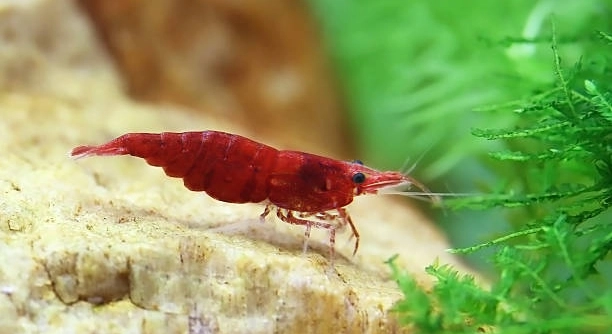
Cherry shrimp are fascinating little creatures that often attract attention in freshwater tanks. They display unique behaviors, and one habit that stands out is their tendency to crawl on snail shells while exploring their environment.
Cherry shrimp may crawl on snail shells primarily for grazing and resting purposes. The shells provide a stable surface covered in biofilm and algae, which serve as a food source, while also offering shelter and elevated resting spots within the aquarium.
Observing this behavior can reveal insights into shrimp feeding habits and tank dynamics, helping you better understand their natural interactions and care requirements.
Why Cherry Shrimp Prefer Snail Shells
Cherry shrimp often choose snail shells as convenient surfaces for grazing and exploring. The curved structure allows them to cling easily while searching for biofilm and algae. These shells are not only food sources but also provide a sense of security, as shrimp can rest safely on them without being exposed. Observing shrimp crawling on shells shows their natural instincts to seek both nourishment and protection. This behavior is common in tanks with snails, as the shells offer varied textures and angles that shrimp find appealing. By providing multiple shells in your aquarium, you create more opportunities for shrimp to engage in natural activities, improving their overall comfort and wellbeing. The movement over the shells also helps with their exercise and encourages healthy growth. Over time, these interactions form a subtle but observable pattern in tank behavior, highlighting how even small creatures like cherry shrimp use their environment thoughtfully and efficiently.
Shells offer algae and surfaces that shrimp need for grazing and resting, making them essential in a balanced tank setup.
In addition to grazing, shrimp climbing on snail shells promotes physical activity and interaction with their surroundings. The shells act as microhabitats, creating small climbing challenges that mimic natural environments. This helps maintain shrimp health and reduces stress, as they can explore without constant exposure to open water. When multiple shells are present, shrimp can switch between surfaces, balancing feeding, resting, and social behaviors. Observing these interactions can indicate a thriving tank, where both shrimp and snails coexist naturally. Adjusting shell placement and ensuring they remain clean allows for better grazing and reduces the risk of overgrowth, supporting a cleaner aquarium ecosystem. Understanding this behavior can help hobbyists create an environment that supports natural shrimp instincts, leading to more active and content creatures.
Tips for Maintaining Healthy Snail and Shrimp Interaction
Maintaining clean shells ensures shrimp have a safe surface for grazing and resting, preventing harmful buildup.
Regular monitoring of tank conditions supports healthy interactions between cherry shrimp and snails. Algae growth should be balanced to provide food without overwhelming the tank. Shells should be checked for debris or damage, as broken surfaces can injure shrimp. Adding new shells periodically keeps surfaces available as older shells become covered or deteriorate. Observing shrimp behavior can indicate if they are actively using the shells, allowing adjustments to placement or quantity. Maintaining water quality, temperature, and diet contributes to overall health, ensuring shrimp remain active and snails continue producing shells for grazing. Consistent care creates a stable ecosystem where natural behaviors are encouraged and supported. This approach ensures that both species coexist safely and thrive in their environment while reducing potential conflicts over surfaces or food sources.
Common Mistakes in Snail and Shrimp Tanks
Overcrowding shells can stress cherry shrimp and limit their grazing areas. Too many snails in a small tank also reduce space, making it harder for shrimp to explore safely. Monitoring the number of shells and snails keeps the tank balanced.
Improper cleaning of shells can cause harmful algae buildup or debris that shrimp may ingest accidentally. This can affect their digestion and overall health. Regularly rinsing shells and lightly scrubbing them ensures they remain safe surfaces for shrimp to crawl on. Removing broken shells prevents injuries, while maintaining natural biofilm supports feeding. Balancing cleanliness with natural grazing surfaces encourages healthy shrimp activity.
Neglecting water quality is another common mistake. Shrimp and snails both require stable conditions to thrive. Frequent water changes, checking pH levels, and maintaining proper temperature prevent stress and disease. Observing shrimp behavior can reveal water-related issues, such as reduced activity or reluctance to climb on shells. Proper tank management promotes long-term health and interaction between species, allowing natural grazing and resting behaviors to continue safely.
Benefits of Multiple Shells in a Tank
Providing several shells increases grazing opportunities and reduces competition among shrimp. More surfaces allow them to explore and rest freely without stress.
Multiple shells create diverse microhabitats that support natural behaviors. Shrimp can climb, graze, and rest while snails occupy other areas. This distribution prevents dominance by a single shrimp or snail and encourages movement across the tank. Variety in shell size and texture stimulates exploration, helping shrimp maintain exercise and healthy growth. As shrimp interact with multiple shells, algae are consumed more evenly, supporting tank cleanliness. Regularly rotating or adding shells ensures fresh surfaces, promoting consistent grazing and resting spots. This simple adjustment enhances shrimp activity and contributes to a well-balanced ecosystem.
Observing Shrimp Behavior on Shells
Shrimp often climb shells to graze biofilm and algae while staying safe from currents. The shells give them a secure surface and reduce stress, allowing natural movement.
Watching shrimp interact with shells helps identify feeding patterns. Active grazing indicates healthy shrimp, while avoidance may signal water or tank issues that need attention.
Shell Placement Strategies
Placing shells in varied locations encourages shrimp exploration and balanced grazing. Position some near plants, others on the substrate, to create multiple levels. This allows shrimp to move naturally, rest, and feed efficiently, while snails continue occupying their preferred areas. Strategic placement prevents overcrowding and promotes a harmonious tank environment.
Choosing the Right Shells
Opt for smooth, intact shells that are easy for shrimp to crawl on. Rough or broken surfaces can harm delicate legs and antennae, reducing shrimp activity and comfort. Selecting the right type of shell ensures a safer, more engaging environment for both shrimp and snails.
FAQ
Why do cherry shrimp crawl on snail shells?
Cherry shrimp crawl on snail shells primarily to graze on biofilm and algae that grow on their surfaces. The shells provide a stable, elevated area where shrimp can feed safely. This behavior also gives them resting spots while reducing exposure to open water, which can be stressful for small shrimp.
Are snail shells necessary for cherry shrimp in a tank?
Snail shells are not strictly necessary, but they enhance the tank environment. They provide additional surfaces for grazing and resting, supporting natural behaviors. In tanks without snails, shrimp will still find surfaces like plants, rocks, or decorations, but shells increase variety and improve shrimp activity and comfort.
Can too many shells harm shrimp?
Yes, overcrowding the tank with shells can create stress and limit open swimming areas. Shrimp need space to move freely, so it’s important to balance the number of shells with tank size and population. A few strategically placed shells are better than many clustered together.
Do shrimp prefer certain types of shells?
Shrimp generally prefer smooth, intact shells that are easy to climb. Rough or broken shells can injure their legs and antennae, reducing activity. Varied shell sizes and shapes also help create interesting grazing areas, encouraging exploration and healthy movement throughout the tank.
Will shrimp harm the snails while crawling on their shells?
Cherry shrimp are peaceful and do not harm snails. They simply crawl over the shells to feed and rest. Snails are unaffected by this behavior and can continue grazing or moving around the tank without interference. Both species can coexist safely in the same environment.
How do I clean shells without removing biofilm?
Cleaning should be gentle to preserve some biofilm for grazing. Rinse shells in tank water or lightly scrub with a soft brush. Avoid harsh chemicals or boiling, as these can harm shrimp and remove beneficial biofilm that serves as a primary food source.
Do shrimp use shells at night?
Yes, shrimp often use shells at night for resting. The elevated and secure surfaces provide safety and comfort during low activity periods. Observing nighttime behavior can reveal how shrimp utilize shells differently than during the day, with more emphasis on shelter and minimal movement.
Can adding shells reduce algae overgrowth?
Adding shells may help distribute grazing across surfaces, but they do not directly reduce algae. Shrimp feeding on shells helps control biofilm locally, but overall algae management depends on light exposure, nutrient levels, and tank maintenance practices. Regular cleaning and balanced feeding are still necessary.
How many shells are ideal for a shrimp tank?
The ideal number depends on tank size and shrimp population. A few shells per shrimp or a small cluster in different areas is sufficient. The goal is to provide variety without overcrowding, ensuring shrimp can explore, graze, and rest naturally without stress or competition.
Can shrimp move shells around the tank?
Shrimp cannot move heavy shells but may shift very light ones slightly. Their activity mostly involves climbing, grazing, and resting. Any major repositioning should be done manually by the aquarist to maintain tank balance and prevent overcrowding or blocked swimming spaces.
Do shells affect water quality?
Intact shells generally do not negatively affect water quality. However, decaying organic material or excessive algae buildup can impact water parameters. Regular cleaning and monitoring of both shells and tank conditions ensure a healthy environment for shrimp and snails.
Is it normal for shrimp to compete for shells?
Minor competition can occur if shells are limited. Providing multiple shells reduces conflict and ensures that all shrimp have access to grazing and resting areas. Observing behavior can help determine if additional shells are needed to prevent stress and overcrowding.
Can cherry shrimp live without snails entirely?
Yes, cherry shrimp can thrive without snails, as long as there are sufficient surfaces like plants, rocks, or decorations for grazing and resting. Snail shells are helpful but not essential, serving mainly to add variety and support natural behavior patterns in the tank.
Do shrimp prefer new or old shells?
Shrimp are attracted to shells with established biofilm, so older shells often get more attention. The presence of algae and microorganisms makes them ideal for grazing. New shells may require time to develop biofilm before becoming a preferred surface for shrimp activity.
How do I observe shell usage without stressing shrimp?
Place shells in visible locations and watch from a distance. Avoid tapping the tank or sudden movements, as shrimp are sensitive to disturbances. Over time, you can note which shells are used most and adjust placement to encourage natural grazing and resting behaviors.
Final Thoughts
Cherry shrimp crawling on snail shells is a common and natural behavior in freshwater tanks. These shells serve as both feeding and resting surfaces, providing shrimp with elevated and secure areas to explore. Biofilm and algae growing on the shells are important food sources, and shrimp rely on these surfaces to graze efficiently. Observing shrimp interact with shells can reveal their feeding habits, activity levels, and overall comfort in the tank. Providing a few well-placed shells supports natural behavior while also encouraging movement, which is important for maintaining shrimp health. Over time, watching shrimp use these surfaces can become a fascinating aspect of tank observation, showing how small adjustments to the environment can have meaningful effects on their daily routines. The presence of snail shells not only adds variety to the aquarium layout but also creates more dynamic spaces for shrimp to climb, rest, and feed, which reduces stress and promotes more natural behavior.
Maintaining shells in good condition is essential for the health and safety of shrimp. Smooth and intact shells prevent injuries to delicate legs and antennae, while rough or broken surfaces can cause damage and reduce activity. Lightly cleaning shells without removing all biofilm ensures that shrimp have continuous access to grazing surfaces while keeping the tank clean. Balancing shell placement and quantity prevents overcrowding, which can limit open swimming areas and cause stress. Strategic positioning of shells allows shrimp to move naturally between resting and feeding spots, promoting exercise and healthy growth. Multiple shells create diverse microhabitats, encouraging shrimp to explore more actively and preventing dominance by a single individual. This setup also supports coexistence with snails, as each species can occupy different areas without interfering with the other. Proper care and observation of how shrimp use these shells ensure that the tank remains balanced, safe, and engaging for both shrimp and snails.
Incorporating shells into a shrimp tank can improve the overall ecosystem and enhance daily behavior. Shrimp use shells not only to feed but also as resting points and minor shelters, which reduces stress and encourages natural movement. Providing a variety of shells in different locations promotes exploration and helps distribute grazing evenly throughout the tank. Observing how shrimp interact with shells allows hobbyists to identify feeding patterns, monitor health, and adjust tank setup as needed. While shells are not absolutely necessary, they add value by creating more stimulating and functional spaces. When combined with proper water quality, balanced feeding, and regular monitoring, shells contribute to a thriving environment where shrimp remain active, healthy, and comfortable. Paying attention to these details ensures that shrimp can display natural behaviors consistently, while also maintaining harmony with tank mates like snails. This approach creates a sustainable and enjoyable aquatic habitat that supports both species over the long term.

Hello,
If you enjoy the content that we create, please consider saying a "Thank You!" by leaving a tip.
Every little bit helps us continue crafting quality advice that supports the health, happiness, and well-being of pets around the world, for pets of all shapes, sizes, and species.
We really appreciate the kindness and support that you show us!