
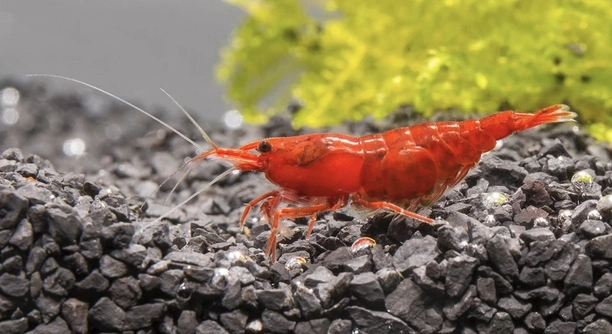
Have you noticed your shrimp acting differently, suddenly more skittish or unusually bold in their tank? Changes in behavior can happen quickly, leaving owners surprised and unsure how to respond. Observing patterns helps understand their needs.
Sudden personality changes in shrimp often result from environmental stressors, water quality fluctuations, disease, nutritional deficiencies, molting cycles, social hierarchy shifts, or chemical exposure. Each factor can influence behavior, aggression, or hiding tendencies, affecting shrimp interactions and overall wellbeing.
Learning the main causes of these changes can help you maintain a stable and healthy habitat for your shrimp. Awareness allows for early intervention and prevents potential long-term problems.
Water Quality Fluctuations
Shrimp are very sensitive to their water environment. Even small changes in pH, temperature, or ammonia levels can make them act differently. I’ve noticed my shrimp hide more or move less when the water isn’t stable. Keeping the tank clean and regularly testing water helps prevent sudden stress. Chlorine, heavy metals, or sudden temperature drops can all affect behavior. It’s easy to overlook small shifts in water parameters, but these can lead to aggression or lethargy. Observing shrimp daily can reveal early signs of stress before serious health issues appear. Overfeeding can also pollute water quickly, so feeding small portions helps maintain stability. Using a reliable water filter and performing partial water changes weekly keeps the environment consistent. Some shrimp may react more strongly than others, depending on species or age. Understanding their tolerance levels is important for long-term wellbeing and peaceful interactions among tank mates. Proper water conditions create a calm environment that allows shrimp to behave naturally.
Maintaining stable water conditions reduces stress, aggression, and hiding behavior in shrimp. Testing regularly is key.
Regular water checks, partial changes, and careful feeding prevent sudden personality shifts, keeping shrimp healthier and more active. Observing subtle reactions to temperature, pH, and ammonia can guide adjustments. Small, consistent steps maintain calm behavior and prevent long-term problems in the tank.
Nutritional Deficiencies
Shrimp need a balanced diet to stay healthy. Missing nutrients can make them weak or unusually aggressive. I’ve seen shrimp lose color or act restless when their diet isn’t right. Feeding a mix of algae, vegetables, and specialized pellets helps keep them active and healthy. Different species have slightly different nutritional needs, so it’s important to research what works best. Poor diet can affect molting and immunity, making shrimp more sensitive to their environment. Supplementing with calcium and trace elements can improve shell health and behavior. Watching for changes after diet adjustments is a simple way to see if they are thriving. Sometimes shrimp pickier than others may need more variety in foods to get everything they need. Maintaining a consistent feeding schedule helps prevent stress and uneven growth. Balanced nutrition supports normal activity, reduces hiding, and keeps shrimp interacting naturally.
Providing the right nutrients prevents stress and improves shrimp health. A proper diet keeps them energetic and reduces sudden behavior changes.
Ensuring shrimp receive adequate vitamins, minerals, and protein encourages healthy molting and immunity. A varied diet with algae, vegetables, and pellets meets their nutritional needs. Calcium and trace elements strengthen shells, and consistent feeding schedules prevent competition and stress. Observing shrimp reactions helps adjust portions and food types. Overfeeding or underfeeding can both cause behavioral shifts, so monitoring daily intake is crucial. Healthy shrimp display normal movement, coloration, and interaction with tank mates. Proper nutrition not only keeps shrimp active but also reduces susceptibility to disease. Providing the right environment and food together supports a stable, calm community where personalities develop normally. Adjusting diet gradually allows shrimp to adapt without stress, creating a balanced ecosystem and promoting overall wellbeing.
Disease and Parasites
Shrimp can change behavior quickly when sick. Lethargy, unusual hiding, or erratic swimming often signals illness or parasites. Immediate attention helps prevent spreading and protects tank mates.
Diseases and parasites are common in shrimp, especially if the tank is overcrowded or water conditions are poor. Bacterial infections, fungal growths, and protozoan parasites can all alter behavior. I’ve noticed my shrimp become less active or isolate themselves when affected. Early detection is key, as treatment options vary depending on the problem. Quarantining new shrimp before adding them to the main tank can prevent outbreaks. Observing molting patterns, shell appearance, and appetite helps identify issues early. Regular cleaning and proper diet reduce susceptibility. Some illnesses require specific medications, while others improve with improved water quality and care.
Parasites can attach to shrimp or live in the water, causing stress and unusual behavior. Even minor infestations can make shrimp skittish or aggressive. Consistent monitoring, isolation of sick individuals, and treatment with recommended products are important steps. Preventing cross-contamination and maintaining clean habitats help keep the entire tank healthy. Tracking behavior changes daily allows early intervention before more serious health problems occur. Proper care minimizes recurrence and promotes long-term shrimp wellbeing, ensuring a peaceful tank environment.
Molting and Growth
Molting periods can make shrimp act withdrawn or more defensive. Their shells are soft, and they need extra protection. I usually notice hiding or slower movement during these times.
During molting, shrimp are extremely vulnerable. Their new exoskeleton is soft, making them more cautious and prone to hiding. This is a normal process, but stress can worsen behavior changes. Proper calcium levels, stable water conditions, and minimal disturbances support healthy molting. Observing shrimp before and after molting helps track growth and recovery. Some shrimp may become temporarily aggressive toward tank mates while shedding. Frequent hiding or reduced feeding is typical, but persistent changes may indicate other underlying problems. Providing plenty of hiding spots and gentle care during these periods is essential.
Molting cycles also influence social behavior. Shrimp may compete for territory or display aggression when soft-shelled. Younger shrimp molt more often, and each stage can trigger temporary personality shifts. Maintaining a calm environment reduces stress during vulnerable times. Ensuring proper nutrition, clean water, and adequate hiding places allows shrimp to molt safely and recover quickly. Monitoring interactions between shrimp before, during, and after molting helps prevent injuries. Patience and consistent care are necessary to support normal growth patterns and maintain peaceful behavior throughout the tank.
Social Hierarchy Shifts
Shrimp often change behavior when tank dynamics shift. New additions or growth in certain individuals can cause hiding, aggression, or territorial behavior.
Even small changes in the group can alter interactions. Dominant shrimp may become more aggressive, while others may retreat more often. Observing these dynamics helps maintain a balanced environment. Providing enough space and hiding spots reduces tension and keeps behavior stable.
Chemical Exposure
Chemicals from cleaning products, treated tap water, or accidental contamination can stress shrimp. Even small amounts may affect movement, feeding, and interactions.
Temperature Changes
Shrimp are sensitive to temperature fluctuations. Sudden increases or drops can make them lethargic, hide more, or act erratically. Maintaining a stable, appropriate temperature range ensures normal behavior and reduces stress across all shrimp in the tank.
FAQ
What are the most common signs of sudden personality changes in shrimp?
Shrimp often show subtle signs before a full change in behavior. I usually notice hiding more than usual, reduced movement, or erratic swimming. Color changes, loss of appetite, and aggression toward tank mates are also common indicators. Paying attention daily helps catch problems early.
How can I tell if my shrimp’s behavior is due to water quality?
Water issues usually cause multiple shrimp to act differently at once. Rapid pH changes, ammonia spikes, or temperature fluctuations make shrimp skittish or lethargic. Testing water with reliable kits and tracking readings regularly can show whether the environment is stressing them.
Can diet really affect shrimp personalities?
Yes. Shrimp lacking essential nutrients can become weak, hide often, or act more aggressive. I noticed my shrimp were less active until I added a mix of algae, vegetables, and specialized pellets. Calcium and trace elements improve shell strength and overall activity. A balanced diet helps maintain normal social behavior.
How do diseases or parasites change shrimp behavior?
Illness can make shrimp isolate themselves or swim erratically. Parasites attached to their body or in the water stress them, causing hiding or unusual aggression. Quarantining new shrimp and observing molting, shell appearance, and appetite can prevent outbreaks. Treatment varies depending on the disease, but early action is key.
What should I do during molting periods?
Shrimp are vulnerable when molting. I usually see them hiding or moving less. Providing plenty of hiding spaces, stable water, and proper nutrition is essential. Avoid disturbing the tank too much, and be patient while they shed and harden their new shells. Proper care prevents stress and injuries.
Do new shrimp affect the social hierarchy?
Yes. Adding shrimp can disrupt the established order. Some may become aggressive or territorial, while others hide. I always provide extra hiding spots and monitor interactions to ensure balance. Over time, the group usually stabilizes once everyone adjusts.
Can chemicals in the tank influence shrimp behavior?
Absolutely. Even small amounts of cleaning agents, treated tap water, or accidental contamination can stress shrimp. I’ve seen shrimp act skittish or reduce feeding after exposure. Using only safe water sources and avoiding chemical residues keeps behavior normal.
How important is temperature control?
Very important. Sudden increases or drops make shrimp lethargic, skittish, or aggressive. Stable temperature within species-specific ranges keeps them active and calm. I maintain a thermometer and make slow adjustments when needed to avoid stress.
How do I prevent sudden personality changes?
Consistent care is the key. Regular water tests, balanced diet, proper hiding spots, careful introduction of new shrimp, and monitoring for disease reduce sudden behavioral shifts. Observing daily allows early intervention before stress or illness escalates. Stable conditions create a healthier, calmer tank environment.
Can personality changes indicate long-term problems?
Sometimes. Persistent hiding, aggression, or lethargy may signal chronic stress, poor diet, or recurring disease. Tracking patterns over time and adjusting care accordingly helps prevent long-term issues. Prompt attention ensures shrimp maintain normal behavior and overall health.
Are some shrimp more sensitive than others?
Yes. I’ve noticed that younger or smaller shrimp react faster to stress, while some species are naturally more skittish. Understanding species-specific traits and providing appropriate care reduces sudden shifts and keeps interactions peaceful.
How often should I check my shrimp’s behavior?
Daily observation is ideal. Noticing subtle changes in movement, feeding, or interaction allows early adjustments. I keep a simple log to track unusual behavior, molting, or aggression, helping maintain a calm and healthy tank consistently.
Shrimp are small creatures, but their behavior can tell you a lot about their health and environment. Sudden changes in personality are often signs that something in their tank needs attention. From water quality and temperature fluctuations to diet and social interactions, many factors influence how shrimp act. Observing them closely every day can help you spot issues before they become serious. Small adjustments, like improving water conditions or adding hiding places, can make a big difference in how comfortable and active your shrimp feel. Even minor stressors may cause them to hide more, swim erratically, or show aggression, so it is important to keep their environment as stable as possible. Regular care and attention are key to maintaining healthy shrimp that behave naturally.
Molting and growth stages are also important to consider when understanding sudden personality shifts. Shrimp are very vulnerable during molting, and it is normal for them to hide or move less during this time. Proper nutrition, clean water, and safe hiding spots help them get through these periods without unnecessary stress. I have noticed that providing extra space and keeping disturbances to a minimum makes a big difference during molting. Shrimp that have strong shells and a steady diet tend to recover faster and return to their usual behavior more quickly. Observing these natural cycles allows you to understand whether a change in behavior is temporary or a sign of a larger problem. Paying attention to these patterns helps maintain harmony among all shrimp in the tank.
Diseases, parasites, and social dynamics can also affect shrimp personalities. Illness or infestations often make shrimp isolate themselves, act aggressively, or reduce their feeding. Quarantining new shrimp, monitoring interactions, and maintaining proper hygiene can prevent these issues from spreading. Social hierarchy shifts, such as adding new shrimp or changes in dominance, can temporarily alter behavior as well. Providing enough hiding spots, monitoring interactions, and maintaining stable conditions are essential for reducing stress. Over time, shrimp usually adapt, but consistent observation is necessary. By keeping an eye on water quality, nutrition, and the overall environment, you can prevent many sudden personality changes and support a healthy, balanced tank. Taking these steps ensures your shrimp remain active, calm, and vibrant, allowing their natural behavior to flourish.

Hello,
If you enjoy the content that we create, please consider saying a "Thank You!" by leaving a tip.
Every little bit helps us continue crafting quality advice that supports the health, happiness, and well-being of pets around the world, for pets of all shapes, sizes, and species.
We really appreciate the kindness and support that you show us!