
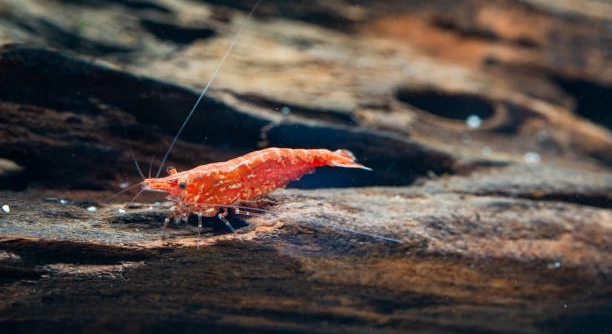
Are your new moss plants thriving in your aquarium but somehow failing to attract your shrimp? Many hobbyists notice that even healthy moss can go untouched, leaving shrimp wandering elsewhere. Understanding this behavior is important for a balanced tank environment.
Shrimp often avoid new moss due to a lack of established biofilm and microorganisms. Newly introduced moss does not yet provide sufficient food or shelter, making it less appealing. Over time, natural colonization increases shrimp activity and interaction with the moss.
Learning how moss develops in your tank can help you create a more inviting environment for shrimp and improve their overall wellbeing and activity.
Understanding Biofilm Development
When moss is first added to an aquarium, it lacks the tiny layers of bacteria and microorganisms that shrimp feed on. These layers, known as biofilm, take time to establish. Without this food source, shrimp may explore the tank but avoid the moss entirely. Lighting, water quality, and nutrient availability all affect how quickly biofilm forms. Gentle water flow helps circulate nutrients and encourages microbial growth on the moss surface. Over the first few weeks, you may notice small particles accumulating, which signals that the moss is starting to support life. Adding a small amount of supplemental food near the moss can also help shrimp discover it and gradually integrate it into their feeding routine. Patience is key, as forcing shrimp onto new moss too early may cause stress and lead them to ignore it completely until it becomes a viable habitat.
Biofilm is essential for shrimp to feel safe and nourished within new moss.
Ensuring proper biofilm growth involves maintaining clean water while allowing microorganisms to thrive. Over-cleaning can strip away developing biofilm, delaying shrimp interaction. A balance of stable water parameters, moderate lighting, and consistent temperature encourages both moss and microbial growth. Monitoring water flow is also important: too much can dislodge biofilm, too little can prevent nutrient circulation. Introducing small amounts of detritus or commercially available biofilm supplements can accelerate the process. Observing shrimp behavior provides insight into progress, as they will slowly begin grazing and spending more time on the moss once it becomes suitable. Over time, the moss becomes not only a feeding ground but also a shelter, giving shrimp a sense of security. Understanding these dynamics ensures a healthier tank ecosystem and increases the likelihood that shrimp will utilize new moss as a natural part of their habitat.
Choosing the Right Moss
Some moss varieties are more appealing to shrimp than others due to texture and growth patterns.
Java moss, Christmas moss, and flame moss tend to attract shrimp more quickly because they develop dense, fine structures where biofilm accumulates easily. Less dense mosses may take longer to host sufficient microorganisms. Factors like leaf size and surface area influence how inviting a moss is, with smaller leaves providing more grazing spots for tiny shrimp. When selecting moss, consider both aesthetic goals and how quickly you want shrimp interaction. It’s also helpful to introduce moss in small portions, allowing shrimp to explore gradually. Regular observation ensures the moss is both growing well and attracting shrimp. Proper moss selection combined with supportive tank conditions accelerates the development of a balanced and interactive environment where shrimp feel comfortable feeding and sheltering.
Water Parameters and Shrimp Behavior
Shrimp are sensitive to water conditions, and even slight changes can affect their activity. pH, temperature, and hardness influence whether they feel comfortable exploring new moss. Stable conditions encourage grazing and interaction, while fluctuations may cause avoidance.
Maintaining consistent water parameters is critical for shrimp to utilize new moss. Sudden changes in temperature or pH can stress shrimp, causing them to hide or limit movement. Optimal ranges vary by species, but keeping conditions steady helps them feel secure. Proper filtration, gentle water flow, and regular testing prevent abrupt shifts. Even if moss looks healthy, shrimp may avoid it if water parameters are unsuitable. Observing shrimp behavior alongside water readings allows adjustments before problems escalate, ensuring both moss and shrimp thrive. A stable environment promotes feeding, reproduction, and general activity.
Some shrimp may prefer specific microhabitats within the tank. Uneven moss coverage, shadows, or water currents can influence where they spend time. Adjusting placement or trimming moss to create more inviting areas helps shrimp explore and interact naturally. Overcrowding or heavy decorations may also deter activity, so balancing tank design with accessible moss is key.
Introducing Food and Supplements
Adding food near new moss encourages shrimp to investigate and graze on it. Even small portions of algae wafers or biofilm supplements help shrimp discover the moss’s potential as a feeding site.
Targeted feeding helps establish a connection between shrimp and new moss. As biofilm develops slowly, supplemental food bridges the gap, drawing shrimp to areas they might otherwise ignore. Using small, frequent portions prevents water quality issues while providing consistent attraction. Some hobbyists sprinkle powdered shrimp food or microalgae directly onto moss, creating localized feeding zones. Gradually, shrimp learn the moss contains food, which increases grazing behavior naturally. Over time, the moss supports both shelter and nutrition without constant external feeding. Observing shrimp responses allows you to adjust placement and type of supplement for best results, ensuring they use the moss consistently.
Proper supplement use enhances moss colonization and shrimp activity. Avoid overfeeding to maintain clean water and promote natural biofilm growth. Combining careful feeding with stable water conditions and suitable moss types encourages shrimp to embrace new areas. Patience and observation are essential, as shrimp gradually adjust their behavior. Providing small, targeted nutrients encourages grazing while fostering a thriving ecosystem. Over weeks, moss becomes both a food source and a shelter, creating a balanced environment that benefits shrimp health and overall tank dynamics. Fine-tuning these elements ensures moss integration is smooth and sustainable.
Tank Maintenance and Moss Health
Regular tank maintenance impacts both moss growth and shrimp behavior. Removing excess debris and changing water carefully keeps moss healthy while ensuring shrimp feel safe. Overcleaning, however, can strip away biofilm, making moss less attractive.
Shrimp respond to a clean but stable environment. Gentle water changes, avoiding harsh chemicals, and monitoring nitrate levels support moss and shrimp alike. A well-maintained tank encourages grazing while preventing stress, which is essential for shrimp to explore new moss areas confidently.
Light and Moss Growth
Lighting directly affects moss development and biofilm formation. Moderate, consistent light promotes healthy growth and encourages shrimp interaction. Too little light slows moss growth, while excessive light may promote algae that competes with moss and deters shrimp.
Moss Placement in the Aquarium
Positioning moss where shrimp naturally roam increases their likelihood of exploring it. Low-traffic areas or shaded corners may remain untouched.
FAQ
Why are my shrimp avoiding the new moss?
Shrimp usually avoid new moss because it lacks established biofilm and microorganisms. Without this food source, they see the moss as empty and unappealing. Over time, as biofilm grows naturally or with the help of supplemental feeding, shrimp gradually begin to explore and graze on the moss.
How long does it take for shrimp to start using new moss?
The time varies depending on water conditions, moss type, and biofilm development. Generally, it can take anywhere from two to six weeks for shrimp to consistently interact with new moss. Patience is key, and providing stable conditions speeds up the process.
Can the type of moss affect shrimp behavior?
Yes, moss texture and density play a major role. Fine, dense mosses like Java moss, Christmas moss, or flame moss provide more surface area for biofilm and small grazing spots. Mosses with larger leaves or sparse growth may take longer to attract shrimp.
Does water quality influence shrimp interaction with moss?
Absolutely. Shrimp are sensitive to pH, temperature, hardness, and overall water stability. Even if moss looks healthy, unstable water can make shrimp hesitant. Keeping water parameters consistent allows shrimp to feel safe and explore new areas confidently.
Should I add food to encourage shrimp to use moss?
Adding small amounts of shrimp food or biofilm supplements near the moss can help shrimp discover it. Over time, they learn the moss is a feeding spot. Avoid overfeeding, as leftover food can reduce water quality and harm moss growth.
Does light affect shrimp grazing on moss?
Yes, indirect effects of light matter. Proper lighting promotes moss growth, which supports biofilm development. Healthy moss attracts shrimp naturally. Too little light slows moss and biofilm growth, while too much can encourage algae, which may deter shrimp.
Can tank layout affect shrimp behavior?
Shrimp often avoid moss placed in low-traffic or heavily shaded areas. Positioning moss where shrimp naturally roam, near gentle water flow and open spaces, increases interaction. Trimming moss to create accessible spots also encourages exploration and grazing.
Will over-cleaning affect shrimp interest in moss?
Yes. While maintenance is important, over-cleaning can remove biofilm and tiny microorganisms on the moss. Shrimp rely on these as a food source. Clean carefully, perform gentle water changes, and avoid scrubbing moss too aggressively.
Do all shrimp species behave the same with new moss?
No. Different species have varying levels of curiosity and feeding preferences. Some are more active grazers, while others are more cautious. Observing your specific shrimp species helps you understand their tendencies and adjust moss placement and tank care accordingly.
How can I speed up shrimp interaction with moss?
Encourage biofilm growth through stable water conditions, moderate lighting, and gentle flow. Introduce small amounts of supplemental food near moss and select moss types with fine, dense structures. Observing shrimp behavior and making minor adjustments ensures faster acceptance and use of the new moss.
Is it normal for shrimp to completely ignore new moss at first?
Yes, initial avoidance is common. Shrimp need time to assess new environments, and new moss lacks food and shelter initially. With proper conditions and gradual biofilm development, shrimp will begin to explore and graze on the moss naturally.
Can moss placement in relation to other tank elements make a difference?
Definitely. Moss placed too close to strong currents, decorations, or crowded areas may remain unused. Creating accessible, lightly shaded spots encourages shrimp to investigate. Spreading moss in multiple locations allows shrimp to find preferred grazing areas and feel secure.
Will adding live plants near moss help shrimp interaction?
Yes. Other plants can create a natural environment that makes shrimp feel safer exploring moss. Live plants also help maintain water quality, promote biofilm growth, and provide additional grazing options, which indirectly encourages shrimp to utilize new moss more readily.
Are there signs that shrimp are beginning to accept new moss?
Shrimp will start spending more time on the moss, grazing on the surface, and moving through it rather than avoiding it. Small bite marks, tiny particles around the moss, and gradual presence of shrimp indicate that biofilm and moss are becoming part of their feeding and shelter routine.
Can temperature changes affect shrimp interest in moss?
Yes. Sudden temperature fluctuations can make shrimp retreat and avoid new areas. Keeping water stable within the recommended range for your species ensures they remain active and more willing to explore new moss. Consistent warmth supports both moss and shrimp health simultaneously.
Is it better to introduce moss in small portions or all at once?
Introducing moss in smaller sections allows shrimp to explore gradually without feeling overwhelmed. They can adjust to new surfaces and biofilm development at their own pace. Over time, adding additional moss helps expand their habitat while maintaining comfort and natural behavior.
Do shrimp need hiding spots in moss to feel comfortable?
Yes. Dense moss provides shelter, making shrimp feel safe while grazing. Open moss without cover may be ignored, especially in tanks with larger or more active tankmates. Creating a balance of open areas and dense patches encourages natural exploration and feeding patterns.
How often should I check shrimp behavior around new moss?
Observing shrimp behavior daily is helpful, but avoid constant interference. Look for grazing activity, movement patterns, and interaction with moss. Gradual changes indicate progress. Adjust placement, lighting, or food supplementation as needed based on these observations to promote consistent moss use.
Will adding biofilm supplements replace natural development?
No, supplements support but do not replace natural biofilm growth. They accelerate shrimp interest and grazing but maintaining proper water conditions and letting microorganisms colonize naturally ensures long-term moss usability and a healthy tank environment.
Can shrimp overcrowding affect moss usage?
Yes. Too many shrimp in a tank can create competition for resources, stress, and uneven grazing. Proper stocking density allows shrimp to explore and utilize moss fully without avoiding areas due to crowding or stress.
What should I do if shrimp still avoid moss after weeks?
Evaluate moss type, water quality, lighting, and placement. Consider adding biofilm supplements or adjusting feeding. Small changes in tank layout or additional moss sections often encourage shrimp to begin using new moss over time. Patience and careful observation are essential to success.
Final Thoughts
Introducing new moss into a shrimp tank is a process that requires patience and attention to detail. Shrimp do not immediately interact with moss because it lacks the established biofilm and microorganisms that they rely on for food. At first, moss may look healthy and vibrant, but without these small layers of life, shrimp see it as an empty or uninviting space. Over time, natural processes in the tank, including the growth of microorganisms and gentle circulation of water, help build up the biofilm. This makes the moss more appealing and usable for shrimp as a feeding area and a place to hide or rest. Understanding this gradual development is key to helping your shrimp feel comfortable and confident in their environment.
The type of moss and its placement within the tank also make a significant difference. Mosses with fine, dense leaves such as Java moss, Christmas moss, or flame moss provide a larger surface area for biofilm to grow, which attracts shrimp more quickly. Sparse or large-leaf mosses may take longer to develop the same appeal. Positioning moss where shrimp naturally roam, with accessible areas and gentle water flow, encourages exploration. Avoid placing moss in overly shaded corners or areas with strong currents that can displace biofilm. Maintaining consistent water parameters, including pH, temperature, and hardness, ensures shrimp remain active and feel secure. A stable environment supports both the moss and the shrimp, creating a balanced and healthy ecosystem.
Supplemental feeding and careful tank maintenance further support moss acceptance. Introducing small amounts of shrimp food or biofilm supplements near the moss can guide shrimp to new areas, gradually associating moss with food. Overfeeding should be avoided to maintain water quality and prevent algae overgrowth, which can compete with moss and discourage shrimp. Regular, gentle water changes and minimal disturbance of the moss surface allow biofilm to grow steadily, while careful observation helps identify any adjustments needed in moss placement or tank conditions. Over weeks, these combined practices help shrimp begin to use the moss consistently, benefiting both their health and the overall ecosystem. Patience, observation, and attention to details in lighting, water quality, moss type, and feeding routines are essential to create an environment where shrimp thrive and enjoy their new habitat fully.

Hello,
If you enjoy the content that we create, please consider saying a "Thank You!" by leaving a tip.
Every little bit helps us continue crafting quality advice that supports the health, happiness, and well-being of pets around the world, for pets of all shapes, sizes, and species.
We really appreciate the kindness and support that you show us!