
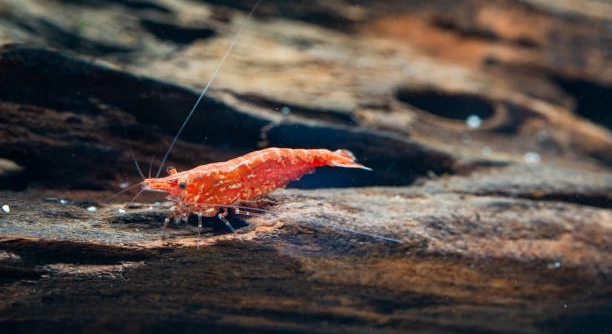
Many shrimp owners experience moments when their cherry shrimp seem to disappear overnight. This sudden absence can be worrying, leaving aquarists unsure if their shrimp have died, hidden, or been affected by the tank environment in unexpected ways.
Cherry shrimp often vanish due to natural behaviors, predation, molting, or environmental factors. These include hiding in plants or decorations, being consumed by tank mates, escaping through gaps, or succumbing to poor water conditions and stress.
Understanding these situations helps maintain a healthy aquarium. Observing your tank carefully and learning shrimp habits can prevent sudden surprises in the future.
Hiding in Plants and Decorations
Cherry shrimp often take shelter in plants, moss, or other decorations. They use these spaces to feel safe, especially during molting when their new shells are soft. Observing your tank closely can reveal small shrimp tucked away in corners, under leaves, or behind ornaments. Even if it seems like they have vanished, many are simply resting or hiding. Lighting, water flow, and noise can influence their hiding behavior. For example, strong currents may push shrimp into protected areas. Dense plants provide both shelter and grazing spots for algae, which shrimp feed on. Over time, shrimp become comfortable in these spaces and may spend hours unseen. It’s important to provide enough hiding spots to reduce stress and support healthy growth. Tanks with few hiding areas often see more visible shrimp, but the risk of stress and predation increases. Observing the tank at different times helps track natural patterns without disturbing them.
Providing sufficient shelter encourages shrimp to explore more confidently and reduces sudden disappearances from plain view.
Shrimp hiding in plants or decorations is a natural behavior. Dense foliage and ornaments give them protection, especially during sensitive molting periods, reducing stress and vulnerability.
Predation from Tank Mates
Cherry shrimp are small and may fall prey to fish or larger invertebrates in the same tank. Aggressive or carnivorous species can easily catch them, particularly juveniles. Choosing compatible tank mates is critical for their survival.
Tank design can reduce predation risks by offering hiding spaces and visual barriers. Rocks, plants, and moss walls create layers where shrimp can escape notice. Feeding tank mates properly is equally important; well-fed fish are less likely to hunt shrimp out of hunger. Additionally, monitoring tank behavior helps identify threats early. Some shrimp may avoid open areas entirely if predation pressure is high, leading to sudden “disappearances.” Removing aggressive species or relocating vulnerable shrimp can restore balance. Over time, observing interactions will reveal patterns in which shrimp are more cautious or bold. Careful management of tank mates, combined with environmental enrichment, ensures a stable habitat for cherry shrimp while keeping the population visible and thriving.
Providing thoughtful tank design and observing shrimp behavior allows for safer cohabitation, reducing unexpected losses and improving overall health.
Escaping Through Gaps
Cherry shrimp can slip through small openings in lids, filters, or decorations. Even tiny gaps in the tank setup may allow them to escape, especially during active periods or when startled. Checking the tank carefully can prevent these sudden losses.
Ensuring all lids fit securely and that gaps around filters, heaters, and decorations are sealed is crucial. Shrimp are surprisingly agile and can squeeze through spaces that seem too small. Regular maintenance and inspection of tank covers reduce the risk of escapes. Even small leaks or unsealed edges can become exit points over time. If shrimp are missing frequently, inspecting the tank thoroughly often reveals overlooked gaps. Securing the tank also helps maintain water parameters, keeping the shrimp safe from both physical escape and environmental changes. Preventing escapes is part of consistent tank management and keeps the population intact.
Shrimp that slip through gaps are rarely lost permanently, but tank design and careful monitoring can stop repeated escapes and maintain a healthy, visible population.
Molting and Vulnerability
Molting is a critical process for cherry shrimp, during which they shed their old shells and grow a new, soft exoskeleton. During this time, they hide more frequently to avoid harm from tank mates or strong currents.
Providing ample hiding spots and calm areas is essential during molting. Shrimp are slow and vulnerable immediately after shedding, so they may remain hidden for hours or even a day. Stressful conditions, such as sudden temperature changes or aggressive neighbors, can extend this period. Observing molting patterns helps anticipate when shrimp will be less visible. Leaf litter, moss, and dense plants offer safe zones that reduce stress. Adequate calcium and minerals in the water also support healthy molting, ensuring shrimp can strengthen their new shells quickly and reduce mortality.
Stress and environmental factors influence molting behavior, causing shrimp to disappear for longer periods. Consistent water quality and proper nutrition reduce these risks, supporting shrimp health and visibility in the tank.
Poor Water Conditions
Cherry shrimp are sensitive to water quality. Sudden changes in pH, ammonia, or nitrate levels can stress them, causing them to hide or die. Monitoring water parameters regularly helps prevent these sudden disappearances.
Maintaining stable water conditions with proper filtration, temperature, and regular testing is essential. Even minor fluctuations can trigger stress responses, making shrimp less visible and more vulnerable. Consistent care keeps them active and healthy.
Overcrowding
Too many shrimp or tank inhabitants create stress and competition for food. Overcrowding reduces hiding spaces and increases aggression, causing some shrimp to vanish temporarily or permanently. Proper population management supports a balanced environment.
Disease and Parasites
Shrimp can contract infections that lead to sudden deaths. Observing for unusual behavior, discoloration, or lethargy is key to catching issues early and protecting the rest of the tank population.
Stress from Noise or Vibration
Loud or frequent disturbances near the tank can stress shrimp. They may retreat into hiding spots and become inactive, appearing to vanish overnight. Reducing external noise and sudden movements helps shrimp feel secure.
FAQ
Why did my cherry shrimp disappear overnight?
Cherry shrimp often vanish due to natural hiding, molting, predation, or environmental stress. They may hide in plants or decorations, escape through small gaps, or retreat during molting when their shells are soft. Changes in water quality or overcrowding can also trigger sudden disappearances.
How can I prevent shrimp from escaping my tank?
Ensure lids fit securely and seal all gaps around filters, heaters, and decorations. Even small openings can allow shrimp to slip out. Regularly inspecting the tank and checking for tiny leaks or unsealed edges reduces the risk of escapes. Adding dense plants or moss helps create safer areas.
Do cherry shrimp hide more during molting?
Yes, molting makes shrimp vulnerable, so they often hide for hours or a day until their new exoskeleton hardens. Providing calm areas with plants, moss, or leaf litter gives them protection. Maintaining stable water conditions and sufficient calcium supports healthy, less stressful molts.
Can other fish or tank mates eat my shrimp?
Aggressive or carnivorous species may prey on shrimp, especially juveniles. Overcrowding increases stress and risk. Choosing compatible tank mates and providing ample hiding spaces reduces predation. Feeding other fish adequately helps prevent them from hunting shrimp out of hunger.
Why are my shrimp hiding even though water looks fine?
Stress can come from sudden temperature changes, loud noises, or vibrations near the tank. Shrimp retreat to safe areas when startled or uncomfortable. Observing their behavior and minimizing disturbances helps them feel secure and return to normal activity.
How do I know if a missing shrimp died or is hiding?
Check plants, decorations, and substrate carefully. Shrimp may be hidden for hours or days. Signs of death include discoloration, lack of movement, or decomposition. Observing feeding habits and counting shrimp regularly helps identify losses early.
Does overcrowding affect shrimp visibility?
Yes, high population density creates competition for food and space. Shrimp may hide more often to avoid aggression. Maintaining proper stocking levels and providing hiding spots ensures a balanced environment and reduces stress-related disappearances.
What water parameters keep cherry shrimp healthy?
Stable temperature, pH, ammonia, nitrite, and nitrate levels are essential. Sudden fluctuations cause stress, hiding, or mortality. Regular testing, consistent water changes, and proper filtration maintain a healthy environment and prevent unexpected disappearances.
Can disease make shrimp vanish suddenly?
Yes, bacterial or fungal infections and parasites can lead to sudden deaths. Watch for unusual behavior, lethargy, or discoloration. Quarantining new shrimp and maintaining clean water reduces disease risk. Early detection helps protect the rest of the tank population.
Are cherry shrimp more active at certain times?
Shrimp tend to be more active during low-light periods or when they feel safe. Sudden lighting changes, strong currents, or disturbances can make them retreat, giving the impression they disappeared. Understanding their behavior helps explain temporary absences.
Is it normal for shrimp to be invisible for days?
Yes, hiding is natural for safety during molting, stress, or when sensing predators. Providing sufficient cover and observing their habits ensures that periods of invisibility are temporary rather than a sign of serious issues.
How can I reduce stress in my shrimp tank?
Maintain stable water conditions, reduce sudden movements, avoid loud noises, provide hiding spots, and ensure compatible tank mates. Stress reduction encourages shrimp to remain visible, healthy, and active.
What should I do if shrimp keep disappearing?
First, check water quality, tank security, population density, and hiding spaces. Observe shrimp behavior closely and remove any aggressive species. Adjusting the environment and maintaining consistent care prevents recurring losses.
Can I find a missing shrimp in the substrate?
Yes, shrimp often retreat to substrate layers or decorations. Gently inspecting plants, moss, and substrate can reveal hidden shrimp. Using a small net or tool carefully prevents harm while locating them.
How important is diet for shrimp visibility?
A balanced diet keeps shrimp active and healthy. Starved shrimp hide more and may molt poorly. Providing algae, specialized shrimp food, and occasional plant matter ensures energy for normal activity and reduces unexplained disappearances.
Do cherry shrimp hide more in new tanks?
Yes, new environments increase stress and uncertainty. Shrimp explore slowly and seek shelter until comfortable. Providing ample plants, moss, and safe hiding spots helps them adjust quickly and reduces long periods of invisibility.
Can sudden tank changes cause shrimp to vanish?
Yes, rapid temperature shifts, chemical changes, or rearrangements stress shrimp. They may hide until conditions stabilize. Gradual adjustments and careful monitoring reduce the likelihood of sudden disappearances.
How often should I check on missing shrimp?
Regular observation is key. Daily checks allow you to spot hiding patterns, water quality issues, or predation risks. Counting shrimp frequently ensures early detection of problems.
Is it normal for baby shrimp to disappear faster than adults?
Yes, juveniles are smaller, weaker, and more vulnerable to hiding, predation, and water changes. Providing gentle tank conditions, dense cover, and compatible tank mates increases their survival and visibility.
What signs indicate my shrimp are stressed but alive?
Shrimp may hide, move slowly, stay near the bottom, or show pale coloration. They may also avoid open areas or retreat frequently. Recognizing these behaviors helps correct tank conditions before health declines.
How do I make shrimp feel safe in the tank?
Provide hiding spaces, stable water conditions, compatible tank mates, and minimal disturbances. Shrimp will explore more confidently, remain visible, and thrive without unnecessary stress or disappearances.
Can substrate type affect shrimp visibility?
Yes, dark or textured substrates provide camouflage and hiding areas. Fine sand or small gravel encourages natural foraging and safe retreats. Substrate choice influences how often shrimp are seen.
Do shrimp ever hide together?
Yes, they sometimes cluster in safe areas for protection. Group hiding is common during molting, stress, or perceived threats. Observing these patterns helps understand normal behavior.
How long can a shrimp stay hidden safely?
Shrimp may hide for hours or a day without issues. Extended hiding usually indicates stress, poor water conditions, or predation. Monitoring behavior ensures shrimp return to activity promptly.
Are there signs that a shrimp has escaped the tank?
Shrimp found outside the tank or on nearby surfaces indicate escape. Ensuring tight lids, sealed gaps, and careful tank maintenance prevents repeated escapes. Observing missing shrimp and checking surrounding areas can confirm this.
Does tank lighting affect shrimp hiding?
Bright lights can stress shrimp, causing them to retreat. Gradual light cycles and shaded areas encourage normal activity. Adjusting lighting to mimic natural conditions helps shrimp remain visible while feeling secure.
What is the best way to keep track of all my shrimp?
Counting shrimp regularly, monitoring behavior, and keeping records of molting and growth patterns ensures no sudden losses go unnoticed. Observing both adults and juveniles helps maintain a healthy, visible population.
Can stress from water changes cause shrimp to vanish?
Yes, sudden or large water changes can startle shrimp. Performing gradual changes and matching water parameters closely reduces stress, preventing extended hiding or mortality.
How do I know if shrimp hiding is temporary or serious?
Temporary hiding is normal during molting or minor stress. Prolonged absence, unusual behavior, or deaths indicate serious issues like poor water quality, disease, or predation. Early observation and intervention are key.
Can adding more plants reduce disappearances?
Yes, more plants increase hiding spots, reduce stress, and provide grazing surfaces. This supports both visibility and survival by creating a safer environment for shrimp to explore confidently.
Do shrimp hide more at night?
Shrimp activity varies, often increasing during low light. Some may hide during daylight for safety. Observing patterns helps distinguish normal nocturnal behavior from stress-induced hiding.
What is the role of minerals in shrimp health?
Calcium and other minerals support molting and exoskeleton strength. Deficiencies make shrimp vulnerable and more likely to hide or die. Maintaining proper mineral levels ensures active, healthy shrimp.
How often should I test water for shrimp?
Regular testing, at least weekly, ensures ammonia, nitrite, nitrate, and pH remain stable. Consistent water quality prevents stress and unexpected disappearances. Immediate action is needed if levels fluctuate.
Do cherry shrimp hide in corners more than open areas?
Yes, corners and edges feel safer. Shrimp instinctively seek shelter in tight spaces during stress, molting, or predation threats. Providing safe zones throughout the tank reduces extended hiding.
Can I train shrimp to be more visible?
While shrimp can’t be trained like pets, regular feeding, stable conditions, and minimal disturbance help them feel safe. Over time, they become more comfortable and spend more time in open areas.
Does tank size influence hiding behavior?
Smaller tanks limit space but reduce predator encounters. Larger tanks provide more hiding spots but can increase stress if coverage is insufficient. Balancing tank size with proper design ensures shrimp are both safe and visible.
Are there signs of disease before shrimp disappear?
Behavioral changes, unusual coloring, lethargy, or unusual swimming indicate illness. Early detection allows for quarantine or treatment before sudden losses occur. Consistent observation is key.
Can stress from aggressive shrimp cause hiding?
Yes, even shrimp can show aggression over territory or food. Subordinate shrimp retreat to safe areas. Proper stocking density and sufficient hiding spaces reduce stress-induced disappearances.
Do water temperature fluctuations make shrimp vanish?
Yes, rapid temperature changes stress shrimp, causing hiding or death. Stable, appropriate temperatures are critical for activity, feeding, and survival. Gradual adjustments prevent sudden losses.
How do I handle a sudden shrimp disappearance?
First, check water quality, hiding areas, and tank mates. Inspect lids and gaps. Look for disease signs and review recent changes in care. Identifying the cause allows targeted action to restore a safe, visible population.
Can shrimp recover from hiding periods?
Yes, once stressors are removed, shrimp return to normal behavior. Providing stable water, hiding spots, and proper nutrition ensures they reappear and remain healthy.
Is it normal for shrimp to disappear after feeding?
Yes, some shrimp hide after feeding to digest safely or avoid competition. This behavior is temporary and not usually a sign of a problem.
Do shrimp ever leave the water surface to hide?
Shrimp typically remain submerged. If found near the surface, it may indicate poor water quality or stress. Correcting conditions ensures they stay in safe, appropriate areas.
How does tank decoration influence visibility?
Decorations provide hiding places but can obscure shrimp from view. Proper placement balances shelter with visibility, allowing shrimp to feel safe while remaining observable.
Can new shrimp cause others to hide?
Introducing new shrimp increases stress and competition. Existing shrimp may hide temporarily. Gradual introductions and adequate cover reduce fear and maintain normal activity.
Does feeding frequency affect hiding behavior?
Infrequent feeding may increase stress and hiding as shrimp search for food. Consistent, balanced feeding encourages exploration and reduces prolonged retreats.
How can I tell if missing shrimp were eaten?
Check for damaged shells, missing juveniles, or aggressive tank mate behavior. Observing interactions and hiding patterns helps determine predation versus normal hiding.
Can poor lighting trigger hiding?
Harsh or sudden lighting makes shrimp feel unsafe, causing retreats. Adjustable lighting with gradual transitions encourages normal activity and reduces disappearances.
Are some shrimp naturally more cautious?
Yes, individual personality affects visibility. Shy shrimp hide longer, especially during molting or stress. Understanding individual differences helps explain apparent disappearances.
How do I maintain long-term shrimp visibility?
Provide stable water, proper nutrition, compatible tank mates, hiding spots, and minimal disturbances. Regular observation ensures health and reduces unexplained vanishings, keeping shrimp active and visible consistently.
Cherry shrimp can sometimes vanish overnight, leaving tank owners worried and unsure of what happened. Understanding their natural behaviors and environmental needs helps explain these disappearances. Many times, shrimp are not lost but simply hiding in plants, moss, or decorations. These safe spaces provide protection, especially during molting, when their new shells are soft and vulnerable. Shrimp instinctively retreat to corners, dense foliage, or under ornaments to feel secure. Even in a well-maintained tank, it is normal to see shrimp disappear temporarily, as they are naturally cautious animals. Observing their habits over time gives insight into when they are likely hiding versus when there may be a more serious issue. By knowing these patterns, tank owners can feel less anxious when shrimp are not immediately visible.
Maintaining a stable tank environment is key to reducing sudden vanishings. Cherry shrimp are sensitive to water quality, temperature fluctuations, and overcrowding. Small changes in pH, ammonia, or nitrate levels can stress them, causing hiding or even death. Regular water testing and consistent care prevent these problems and keep shrimp healthy. Tank mates also play a role in shrimp visibility. Aggressive or larger species can prey on shrimp, especially juveniles, or create stress that leads to more hiding. Providing adequate hiding spaces and choosing compatible tank companions ensures shrimp feel safe and remain active. Proper nutrition also supports their health, making them less likely to retreat for extended periods. Balanced feeding, along with stable water and a safe environment, keeps shrimp visible and thriving.
Careful observation and attention to detail allow tank owners to understand and respond to disappearing shrimp. Missing shrimp are often a combination of natural behaviors and environmental factors rather than sudden catastrophic events. By regularly checking the tank, securing all gaps, monitoring water conditions, and providing hiding spaces, owners can reduce the likelihood of unexpected vanishings. Watching shrimp during different times of the day can reveal their natural patterns and periods of activity. Understanding these factors not only reduces stress for the shrimp but also gives owners confidence in their care. Over time, a thoughtful approach to tank setup, population management, and daily observation helps create a stable, safe environment where shrimp are more visible, healthy, and less likely to disappear overnight. This knowledge allows for proactive care, ensuring the shrimp population thrives and remains an enjoyable part of the aquarium.

Hello,
If you enjoy the content that we create, please consider saying a "Thank You!" by leaving a tip.
Every little bit helps us continue crafting quality advice that supports the health, happiness, and well-being of pets around the world, for pets of all shapes, sizes, and species.
We really appreciate the kindness and support that you show us!