
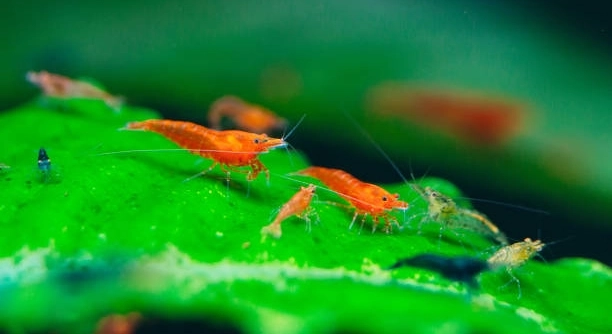
Have you ever watched your cherry shrimp move slowly among the plants and rocks in your tank? They seem so delicate and quiet, almost like tiny dancers gliding through their watery world each day. Observing them can be surprisingly calming.
Cherry shrimp do not typically rest in the exact same spot daily. Their resting locations change depending on water conditions, safety, and available surfaces. Shrimp often move around to feed and explore, making their resting patterns flexible and situational rather than fixed.
Noticing these subtle habits can give you better insight into their behavior and overall well-being in your aquarium.
Common Resting Spots for Cherry Shrimp
Cherry shrimp often choose resting spots that make them feel safe. Plants with dense leaves, moss, and small hiding spaces are their favorite. Rocks and driftwood can also serve as comfortable resting areas. They tend to stay near surfaces where food particles settle. Shrimps are very aware of their surroundings, so they avoid open areas when they want to rest. Lighting also affects their choice. Brighter tanks may encourage them to hide more, while dimmer spots feel safer. Observing where your shrimp prefer to pause can help you understand their comfort zones. Adding more moss or plant coverage often leads to more visible resting spots. You might notice that some shrimp prefer vertical surfaces while others stay near the substrate. This diversity shows that shrimp have individual habits. They may switch spots depending on activity in the tank, water flow, or presence of other creatures.
Shrimp prefer areas that offer protection and access to food, which helps them feel secure and relaxed.
Paying attention to their preferred resting spots can help you design a tank that suits their needs. Adjusting plants, rocks, and lighting can make them more comfortable and visible during your observations.
Factors Influencing Resting Behavior
Resting patterns change based on water temperature, tank mates, and food availability.
Water quality plays a major role in where and how long shrimp rest. Warmer temperatures may make them more active, while cooler water slows them down. Stress from aggressive tank mates can cause shrimp to hide more frequently, choosing secure corners over open areas. Food distribution also matters. Shrimp often rest near surfaces where particles accumulate, allowing them to feed without moving too much. Overcrowding may force some shrimp to find new resting areas, and changes in lighting can shift their habits as well. Observing these patterns over time reveals that shrimp adapt quickly to their environment. Even small changes in plants, decorations, or water flow can influence where they pause. Noticing these subtle shifts helps you understand their behavior better. Regular observation is key to ensuring shrimp remain healthy and comfortable, allowing them to rest naturally and maintain normal activity levels throughout the day.
Signs Your Cherry Shrimp Is Resting
Cherry shrimp often pause motionlessly, holding onto plants or decorations with their tiny legs. Their antennae may twitch slightly, but their movements are minimal. Resting shrimp usually remain in sheltered areas and avoid open spaces, signaling comfort and security in their environment.
Observing their behavior closely reveals subtle signs of rest. Shrimp that are resting may stretch out along a leaf or stay partially hidden under moss. Their gill movements continue, but slowly, indicating breathing while conserving energy. Sometimes, they shift slightly to adjust their grip or orientation. Recognizing these cues helps you understand when your shrimp are resting versus when they are inactive due to stress or illness. These small details also show which parts of the tank provide comfort and safety, guiding you in arranging plants and decorations effectively.
Resting shrimp are less reactive to tank activity. They may tolerate minor disturbances but will retreat quickly if something approaches too closely. Watching how different shrimp respond can reveal their personal comfort levels and preferences, which vary individually. This knowledge helps maintain a stable, stress-free environment and ensures all shrimp have access to suitable resting areas throughout the tank.
Impact of Tank Conditions on Rest
Water flow, temperature, and cleanliness influence shrimp resting habits significantly.
Cherry shrimp prefer gentle water flow when resting. Strong currents can push them around and make it hard to stay in one spot. Temperature stability is also critical; fluctuations may disrupt their rest. Clean water with balanced parameters reduces stress, allowing shrimp to rest naturally without hiding excessively. Uneven lighting can alter where shrimp choose to pause, as shaded areas feel safer.
Other tank conditions, like overcrowding or incompatible tank mates, can affect resting behavior. Aggressive fish may force shrimp into constant hiding, limiting proper rest. Similarly, sudden changes in decorations or plant placement can temporarily disturb resting patterns as shrimp adapt. Food distribution also matters. Shrimp tend to rest near surfaces where food is easy to access, but uneven feeding can make them move more frequently. Maintaining consistent water conditions, gentle flow, and a stable environment helps shrimp establish reliable resting routines. Observation over time will highlight preferred resting zones and reveal how individual shrimp respond to minor changes in their surroundings.
Daily Patterns in Cherry Shrimp Resting
Cherry shrimp often follow loose daily routines. They may rest more during brighter periods and become more active in dimmer lighting. These patterns help them conserve energy while staying safe from perceived threats.
Activity levels fluctuate with feeding schedules. Shrimp often pause near food sources before and after meals.
Observing Individual Preferences
Each shrimp develops personal resting preferences. Some favor dense moss, others cling to smooth surfaces or rocks. These choices reflect comfort, safety, and accessibility to food. Over time, you can notice consistent behaviors that distinguish one shrimp from another, showing that even small individuals have distinct habits.
Adjusting the Tank Environment
Providing varied hiding spots encourages natural resting.
Adding moss, plants, and gentle water flow areas allows shrimp to rest comfortably. These adjustments reduce stress and promote healthier, more visible shrimp activity.
FAQ
Do cherry shrimp sleep like humans?
Cherry shrimp do not sleep the way humans do. They enter periods of rest where movement slows down, and they conserve energy. During this time, their antennae may twitch slightly, and gill movements continue at a slower pace. These rest periods are essential for their health and allow them to maintain activity during feeding or exploration times.
How long do cherry shrimp typically rest each day?
Resting periods vary depending on tank conditions, activity levels, and individual behavior. On average, shrimp may rest for several hours a day in short intervals. They tend to be more active during feeding and low-light periods, so rest is spread throughout the day rather than concentrated in one long block.
Do cherry shrimp prefer hiding while resting?
Yes, they prefer sheltered areas for resting. Dense plants, moss, rocks, and driftwood provide security and reduce stress. Open spaces make them feel exposed, so they naturally gravitate toward spots that feel safe. Providing multiple hiding spots allows all shrimp to rest without competition or disturbance.
Can tank conditions affect resting behavior?
Absolutely. Water temperature, flow, cleanliness, and lighting all influence where and how shrimp rest. Strong currents or sudden temperature changes may force them to move more frequently. Clean water and stable conditions encourage longer, undisturbed resting periods. Even small changes, like adding new decorations or moving plants, can temporarily shift resting habits.
Do all shrimp rest at the same time?
No, shrimp have individual routines. Some may pause during brighter periods, while others rest in shaded corners. Social dynamics also play a role; dominant shrimp may claim preferred resting spots, forcing others to adjust. Over time, these patterns become predictable as each shrimp develops personal preferences.
Is it normal for shrimp to move while resting?
Yes, slight movements are normal. They may shift position, adjust their grip, or reposition themselves on plants or rocks. These small movements help them stay balanced and respond quickly to perceived threats without fully waking. Complete stillness is rare unless the shrimp is deeply stressed or unwell.
How can I tell if my shrimp is resting or sick?
Resting shrimp maintain slow gill movement and occasional antennae twitching. Sick or stressed shrimp often appear lethargic, unresponsive, or hide excessively. Monitoring feeding response and behavior over time helps distinguish normal resting from potential health issues. Changes in color, posture, or prolonged inactivity may require closer attention.
Do cherry shrimp change resting spots frequently?
Yes, they usually change resting spots based on safety, food access, and tank activity. While some favorite areas are revisited, they rarely stay in the exact same spot daily. Observing these choices can reveal which areas feel secure and which may need adjustment for comfort.
Can lighting affect resting patterns?
Lighting significantly impacts shrimp activity. Brighter conditions often encourage hiding, while dimmer areas feel safer and promote natural resting. Adjusting tank lighting gradually and providing shaded areas can help shrimp establish consistent resting behaviors without stress.
Should I disturb resting shrimp to feed them?
It is better to avoid disturbing them during rest. Shrimp can feed before or after resting periods. Placing food near preferred resting spots allows them to eat with minimal movement, reducing stress and supporting a natural routine.
Do older shrimp rest differently than younger shrimp?
Yes, older shrimp may rest more frequently or in safer spots as they become less agile and more cautious. Younger shrimp tend to explore and move more, resting in a wider variety of locations. Observing age-related differences helps in providing suitable tank arrangements for all life stages.
How important is rest for cherry shrimp health?
Rest is essential. It allows shrimp to conserve energy, maintain proper metabolic function, and respond effectively to feeding or environmental changes. Consistent, stress-free resting contributes to longer lifespan, vibrant colors, and overall well-being.
Final Thoughts
Cherry shrimp are small but fascinating creatures. Their resting habits may seem simple, but observing them closely shows a lot about their comfort and health. Unlike humans, shrimp do not sleep in one long block. Instead, they have short periods of rest scattered throughout the day. During these moments, movement slows, antennae twitch lightly, and gill movements continue at a reduced pace. These pauses are essential for conserving energy, maintaining normal body functions, and allowing them to respond quickly to changes in their environment. Watching them settle in plants, moss, or behind rocks can give you insight into which areas of the tank feel safest. Every shrimp has its own pattern, and these patterns can shift depending on water conditions, tank layout, or the presence of other creatures. Paying attention to these small behaviors helps create a comfortable environment that encourages natural activity and resting routines.
Tank conditions play a major role in how and where shrimp rest. Stable water temperature, gentle water flow, clean water, and suitable lighting all affect their behavior. Bright lights may make shrimp hide more often, while shaded areas encourage them to pause and rest openly. Overcrowding or aggressive tank mates can cause stress, making shrimp hide excessively and skip normal resting periods. Food distribution also influences their patterns. Shrimp tend to rest near surfaces where they can easily reach food without expending too much energy. Providing multiple hiding spots and surfaces for resting ensures that all shrimp in the tank have a safe place to pause. Observing these habits over time helps you understand their preferences and can guide adjustments in tank design, decorations, or plant placement to create an ideal environment for their comfort and health.
Understanding resting behavior is important for maintaining healthy shrimp and a balanced aquarium. Rest periods allow shrimp to recharge, maintain proper metabolism, and stay alert to environmental changes. Noticing which spots they favor and how their behavior changes with lighting, water flow, or tank activity can improve your ability to care for them. It also strengthens your connection to your tank, as you learn to recognize subtle cues and individual preferences. Each shrimp may rest differently, and small adjustments in the tank can make a big difference in their well-being. Providing safe, accessible resting areas, keeping water conditions stable, and observing changes in behavior will help your cherry shrimp thrive. Their delicate movements and quiet presence make watching them rewarding, and understanding their resting habits ensures that your tank remains a peaceful and healthy home for these tiny, interesting creatures.

Hello,
If you enjoy the content that we create, please consider saying a "Thank You!" by leaving a tip.
Every little bit helps us continue crafting quality advice that supports the health, happiness, and well-being of pets around the world, for pets of all shapes, sizes, and species.
We really appreciate the kindness and support that you show us!