
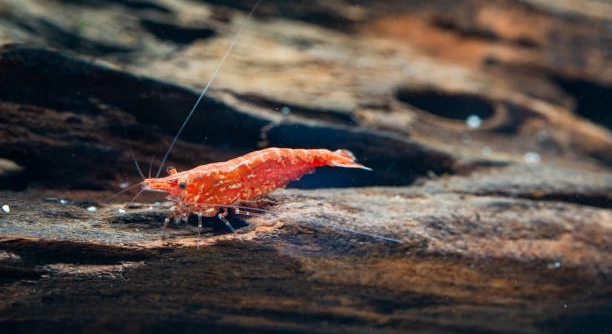
Have you ever watched a group of cherry shrimp move gently through their tank, sharing subtle signals that guide their behavior and keep their small community connected in simple, quiet ways each day every time.
Cherry shrimp communicate through chemical cues, body movements, and subtle tactile interactions that support group coordination. These signals allow them to respond to food sources, stress, and social changes, maintaining stability and structure within their shared environment at all times.
These subtle behaviors show how cherry shrimp form steady patterns in daily interactions, offering a clear look at their communication.
Chemical Signals
Chemical signals guide many interactions among cherry shrimp, helping them sense changes around them with calm precision. These cues float through the water and allow each shrimp to understand when food is present, when another shrimp has shed its shell, or when something has shifted in the tank. By releasing subtle chemical markers, they create a shared path of information that keeps the group connected without any noise or visible display. This form of communication supports peaceful movement and steady cooperation, especially in tanks that hold mixed ages or newly added shrimp. It also helps them maintain their social balance by allowing them to respond to stress or danger without chaotic movement. When chemical cues spread through the water, shrimp quickly adjust their behavior in a way that seems gentle and coordinated, shaping the rhythm of their daily activities while keeping the group aware of every meaningful change around them.
These signals remain essential for maintaining stability inside the tank by guiding shrimp toward food and away from stress. Through constant chemical exchange, they build a steady pattern of behavior that keeps their community calm, balanced, and responsive to small environmental shifts that may occur during their daily movement periods.
Understanding chemical communication allows keepers to support healthier and more stable shrimp groups by paying attention to water quality and general tank conditions. Clean water helps signals travel easily, preventing confusion among shrimp that rely on these cues to make quick decisions. Stable parameters encourage consistent behavior and reduce stress that may interfere with their natural communication. When conditions remain steady, shrimp display clear patterns that highlight how smoothly chemical cues shape their shared environment. Maintaining this balance creates a peaceful setting where each shrimp can respond confidently to the signals flowing through the tank each day with ease present.
Body Movements
Body movements play an important role in how cherry shrimp express their intentions, allowing them to interact without physical contact. Subtle gestures guide social spacing, feeding order, and general awareness, giving each shrimp a simple way to signal needs and responses within a shared environment during their daily tank activity.
Cherry shrimp rely on gentle body movements to maintain harmony in their group, using these small gestures to send clear signals without creating tension. A raised posture, shift in direction, or quick flick can show interest, caution, or readiness to move. These movements help prevent collisions, organize feeding behavior, and support peaceful spacing among shrimp of different ages and sizes. When several shrimp gather in the same area, their coordinated motions make it easier for each one to understand the intentions of others, reducing confusion in busy moments. These signals also allow shrimp to establish loose social structure while avoiding aggressive behavior that could disturb the tank. Observing these patterns gives a clearer understanding of how shrimp maintain stability in their environment, especially when conditions shift or new shrimp are introduced. Their movements remain steady and predictable, creating a smooth rhythm that supports calm interactions through simple gestures. By watching these signals, keepers can better understand when shrimp feel comfortable, stressed, or alert, making it easier to maintain a balanced tank where communication flows naturally through every small interaction that happens within their aquatic space during quiet periods and active moments that shape their daily movement and overall comfort levels.
Tactile Interactions
Cherry shrimp use light physical contact to signal intentions, especially during feeding or when adjusting their position. These small touches help them maintain calm spacing, avoid unnecessary conflict, and share brief cues that keep their movements organized within the tank each day.
Tactile interactions often appear when shrimp gather in close areas, such as near food or hiding spots. A gentle tap or brush helps them understand when another shrimp needs space or when a path is being claimed for a moment. These touches are quick and subtle, yet they guide behavior with surprising clarity. Shrimp also rely on tactile cues during molting periods, ensuring that individuals in delicate phases are not disturbed. By observing these interactions, keepers can better understand how shrimp maintain structure without aggression. Their soft gestures help preserve order, especially in busy clusters where movement can become crowded without clear signaling.
These interactions also show how shrimp build comfort within their group. Light taps support coordination during cleaning activities around surfaces, allowing each shrimp to adjust without blocking another’s path. This communication reduces unnecessary stress by avoiding confusion in spaces where several shrimp work together. It also supports younger shrimp that may need gentle reminders to shift away from an occupied area. These behaviors create a predictable rhythm in active zones, helping the group stay balanced and steady.
Visual Signals
Cherry shrimp rely on visual cues to interpret movement patterns and color changes in their group. These signals help them maintain awareness, navigate shared spaces, and adjust to new shrimp or environmental changes without disrupting the calm structure of their daily activities.
Color intensity can act as a subtle signal among shrimp, especially during molting cycles or when environmental shifts occur. Shrimp often react to brighter or more active individuals by adjusting their spacing or movement. Visual awareness supports smooth coordination during feeding times, where multiple shrimp approach the same area with gentle organization. Watching how shrimp respond to each other’s posture and direction provides insight into their comfort levels. Clear visibility in the tank helps these signals travel effectively, encouraging calm and consistent interaction. Proper lighting and clean water allow visual cues to remain strong, supporting shrimp in maintaining steady movement and cooperative behavior without unnecessary tension or confusion.
Posture Signaling
Cherry shrimp use posture changes to show alertness, comfort, or caution. A raised stance or lowered body helps others understand their immediate intentions, allowing the group to adjust smoothly without creating stress or disrupting their calm daily rhythm in shared spaces.
These posture cues help shrimp navigate crowded areas and prevent accidental contact. A quick adjustment in orientation signals whether a shrimp plans to move forward, pause, or shift aside. These gentle changes guide interactions and support peaceful coordination among individuals in the tank.
Antennae Communication
Antennae communication plays an important role in how shrimp gather information and react to nearby activity. Their antennae move constantly, helping them sense vibrations, locate food, and recognize the presence of other shrimp. These motions support steady awareness and keep their interactions organized throughout the day without unnecessary tension.
Feeding Behavior Signals
Feeding behavior signals help shrimp organize themselves around food without conflict. Small shifts in movement or gentle pauses let others understand when a shrimp has claimed a spot, supporting calm cooperation during busy feeding periods.
FAQ
How do cherry shrimp communicate with each other in a shared tank?
Cherry shrimp communicate through a combination of chemical cues, body movements, posture changes, antennae activity, tactile touches, and visual awareness. Each method plays a role in helping them maintain calm interactions. These signals allow them to coordinate feeding, avoid conflict, respond to molting periods, and understand shifts in their surroundings. By relying on several communication methods instead of a single one, shrimp create a steady and balanced pattern of behavior. Their signals are subtle, but together they create a clear system that keeps the group organized, comfortable, and aware of every important change within their environment.
Why do cherry shrimp flick their antennae so often?
Antennae flicking helps shrimp gather information about food, movement, and changes in water flow. This quick motion improves their awareness and allows them to understand what is happening nearby without direct contact. The antennae act almost like sensors. They help shrimp detect mild vibrations, shifts in current, or the presence of another shrimp approaching. When their antennae flick more rapidly, it usually means they are sensing something new or interesting. This behavior also plays a part in how they maintain spacing among each other, creating natural boundaries during feeding or exploration.
Do cherry shrimp use color changes to communicate?
Color intensity can shift slightly depending on stress, molting, diet, or environmental conditions. While these changes are not as direct as signals seen in some larger aquatic species, other shrimp can still interpret them. A brighter shrimp may appear more active or comfortable, while a faded shrimp might be preparing to molt or responding to stress. Clean water and stable parameters allow these subtle visuals to remain clear. When shrimp observe each other’s color and movement together, they form a smoother pattern of social awareness that supports calm behavior.
Can cherry shrimp communicate stress to each other?
Yes, they can. Stress communication often occurs through chemical cues and movement patterns. When one shrimp becomes startled or uneasy, it may produce certain signals that others can detect through the water. Quick, sharp movements can also indicate discomfort. When these behaviors appear, nearby shrimp often adjust their own movement or spacing. This shared awareness helps the group stay safe and respond efficiently when something in the environment changes. Maintaining stable water conditions reduces unnecessary stress signals and allows the shrimp to communicate more clearly.
How do shrimp decide where to position themselves while feeding?
They rely on a mix of tactile cues, posture adjustments, and movement signals. A shrimp may pause briefly to indicate that it intends to stay in a certain spot. Others will respond by shifting slightly to avoid disruption. These simple movements guide the entire group around food without tension. Even when several shrimp are gathered closely, their signals help them create an organized pattern. The result is calm feeding behavior instead of chaotic scrambling. This pattern becomes clear when food is distributed evenly and water movement stays steady.
Are cherry shrimp vocal or capable of creating sound-based communication?
No, cherry shrimp do not use sound as a communication method. Their system relies entirely on movement, touch, visual awareness, and chemical exchanges. These techniques work efficiently for their size and habitat. Sound would not travel cleanly for them in their delicate environment, so their natural communication has evolved to rely on subtle and quiet signals.
How can keepers support better communication among cherry shrimp?
Maintaining clean water, stable temperatures, and gentle filtration helps communication flow smoothly. Clear water allows visual cues to stay strong. Good filtration supports even distribution of chemical signals. Providing hiding places also reduces stress, which keeps signals calm and predictable. A peaceful environment helps shrimp maintain natural interaction patterns that support their comfort and well-being.
Final Thoughts
Cherry shrimp rely on subtle and steady forms of communication that shape their daily behavior, and understanding these signals helps create a calmer and more balanced tank. Their interactions remain gentle, and each method supports a different need in their shared environment. Chemical cues guide them toward food, warn them of stress, and help them understand when another shrimp is molting. Body movements show intentions, allowing them to shift around each other without friction. Visual signals strengthen their awareness, helping them react smoothly when conditions change. These quiet exchanges form the backbone of their social structure, even though they live in small groups and display minimal conflict. When their surroundings stay stable, these signals become even clearer. Clean water, soft filtration, and steady lighting allow each cue to pass naturally from one shrimp to the next. Observing these behaviors brings a calm sense of connection as you watch their small community move with intention and ease.
Keeping cherry shrimp means supporting an environment where their communication can flow without disruption. Consistent water parameters ensure that chemical cues travel properly, and this makes their interactions feel unified and predictable. Avoiding sudden changes in temperature or water flow prevents stress signals from spreading through the group. When shrimp feel secure, their natural behaviors emerge more clearly, showing how they coordinate feeding, adjust posture, or shift away from crowded areas with soft precision. Their tactile touches help maintain gentle order, especially when several individuals gather on the same surface. Antennae motion adds another layer of awareness, letting them detect nearby activity that influences how they move. These communication methods have a calming quality, showing that even tiny creatures form meaningful systems that allow them to react with harmony rather than conflict. Their signals may be small, but each one plays a part in shaping the soft rhythm of their habitat.
Supporting these communication patterns helps shrimp thrive and reinforces the peaceful atmosphere that makes them enjoyable to keep. When you pay attention to their subtle signals, you begin to understand how they express comfort, caution, or curiosity without sound or aggression. Over time, the tank becomes easier to read. A quick posture shift or a cluster of shrimp flicking their antennae together tells you something important about their comfort level. As their keeper, noticing these small details allows you to respond with care, whether that means adjusting filtration, refreshing the water, or offering food in a way that supports calm spacing. Cherry shrimp form a gentle community built on quiet cues that guide every moment of their day, and learning to see those signals deepens your connection to them while helping them live comfortably in the environment you create.

Hello,
If you enjoy the content that we create, please consider saying a "Thank You!" by leaving a tip.
Every little bit helps us continue crafting quality advice that supports the health, happiness, and well-being of pets around the world, for pets of all shapes, sizes, and species.
We really appreciate the kindness and support that you show us!