
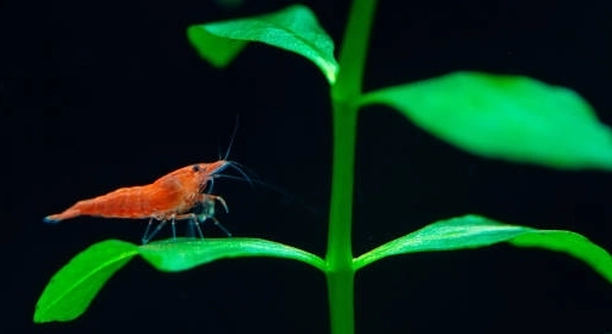
Cherry shrimp are small, colorful creatures that add life to any freshwater tank. Observing their behaviors can be both relaxing and intriguing, as they move, explore, and interact with their surroundings in unexpected ways.
Cherry shrimp display a range of unusual behaviors that are entirely normal. These include hiding frequently, flicking their antennae, molting in stages, swimming erratically, grazing on surfaces, clustering in groups, and occasionally resting upside down. Each action serves natural, instinctive purposes.
Recognizing these behaviors can help you better understand your shrimp’s daily life and maintain a healthy, stress-free aquarium environment for them.
Hiding in Small Spaces
Cherry shrimp often retreat into small hiding spots around the tank. This behavior is normal and helps them feel safe. They may squeeze into plant roots, behind decorations, or under rocks. Hiding is especially common after molting, when their soft shells make them vulnerable to stress or other tank inhabitants. Watching them find these spots can be fascinating, as they move carefully and seem to check their surroundings before settling. Even healthy, confident shrimp hide occasionally, so seeing them disappear for a while is not a sign of illness. Many shrimp also hide when adjusting to a new tank or when water parameters fluctuate slightly. Providing multiple hiding spots encourages natural behavior and reduces stress, which is important for their overall health. Over time, you might notice patterns in when and where they hide. Observing this can give insight into their daily routines and comfort levels. It’s part of their normal, instinctive behavior.
Hiding provides safety, especially during molting or stressful moments. It is a natural instinct.
Giving cherry shrimp enough places to hide ensures they remain comfortable, healthy, and stress-free. Watching their cautious exploration is rewarding and shows how adaptable these small creatures are to their surroundings.
Antennae Flicking
Cherry shrimp flick their antennae constantly. This motion helps them sense the environment, find food, and communicate. It may look strange, but it is normal behavior that keeps them aware of their surroundings.
Antennae flicking is an essential part of how shrimp navigate and interact. They detect chemical cues, water movement, and even other shrimp nearby. This sensory input helps them decide where to explore, when to eat, or when to retreat. The movement can be subtle or vigorous, depending on activity level or curiosity. Young shrimp tend to flick more rapidly as they learn about their environment, while older shrimp may use it more deliberately. Observing this behavior gives insight into their awareness and comfort within the tank. It also indicates healthy sensory function and active engagement with their habitat. While it may appear fidgety, this behavior is completely normal and should not be a cause for concern. Providing a stable environment with clean water and gentle currents allows their antennae to function effectively, enhancing their ability to interact naturally with surroundings.
Erratic Swimming
Erratic swimming is common in cherry shrimp. They may dart suddenly, spin, or move in short bursts. This behavior is normal and usually linked to exploration, excitement, or reacting to water currents and nearby activity.
Shrimp swim unpredictably to explore their surroundings or check for food. They may also dart when startled by movement or changes in light. This behavior helps them stay alert and avoid potential threats. Young shrimp are often more active and swim in quick bursts as they learn their environment. Even adult shrimp display sudden movements, which is a sign of their natural instincts rather than stress. Watching these bursts can be entertaining, as they twist and turn with precision. Their erratic swimming is part of their normal activity, helping them navigate safely while maintaining awareness of their surroundings.
Sudden changes in swimming direction can also occur during feeding times. Shrimp may chase algae or small particles, displaying bursts of speed and agility. These movements are normal and indicate active foraging behavior. Providing a calm environment with safe hiding spots allows them to swim freely without risk, supporting overall health.
Grazing on Surfaces
Cherry shrimp spend a lot of time grazing on surfaces. They scrape algae, biofilm, and leftover food from plants, rocks, and decorations. This feeding method is natural and keeps both shrimp and tank clean.
Grazing behavior is essential for cherry shrimp’s diet and well-being. They use their tiny legs and mouthparts to pick at surfaces, consuming microscopic organisms that provide nutrients. Shrimp may spend hours moving across tank surfaces, constantly searching for edible particles. This constant grazing helps them stay healthy and active. Observing shrimp grazing can be surprisingly calming, as they methodically clean surfaces and maintain their environment. It is also a sign that they are comfortable in the tank and not stressed. The process contributes to the overall cleanliness of the aquarium and helps reduce unwanted algae growth. Grazing intensity can vary depending on food availability, water conditions, and shrimp activity levels. Ensuring the tank has natural surfaces like plants, stones, and driftwood encourages this instinctive behavior while supporting nutrition and mental stimulation.
Shrimp grazing is continuous and purposeful. They focus on small particles and algae, maintaining both their diet and tank hygiene. This activity is a positive sign of a healthy, engaged shrimp population.
Clustering Together
Cherry shrimp often cluster in groups on plants or decorations. This behavior is normal and can indicate comfort, safety, or shared feeding areas.
Grouping together helps them feel secure. Shrimp may gather near food sources or hiding spots. It is a natural social behavior and shows they are relaxed in the tank.
Resting Upside Down
Sometimes cherry shrimp rest or drift upside down. This behavior is normal, especially after molting or during light activity. Their muscles relax, and they may appear flipped, but it does not indicate illness.
Molting in Stages
Cherry shrimp shed their exoskeleton in stages rather than all at once. This process allows them to grow while minimizing stress and vulnerability. Molting begins with softening the old shell, followed by careful extraction. Juveniles molt more frequently, while adults do it less often. After molting, they hide to allow the new shell to harden completely. Observing this gradual process reveals their natural adaptation to growth and protection. Providing safe spaces, stable water parameters, and proper nutrition supports successful molting and overall health. Molting is a normal, recurring event that keeps shrimp growing and active.
Climbing Decorations
Shrimp often climb rocks, plants, or ornaments. This is normal behavior and allows them to explore their environment while searching for food or safer spots.
FAQ
Why do my cherry shrimp hide so much?
Hiding is a natural behavior for cherry shrimp. They feel safer in small spaces, especially after molting when their shells are soft. Shrimp also hide when adjusting to a new tank, during water changes, or when sensing sudden movement or light changes. Frequent hiding does not always mean illness. Providing multiple hiding spots with plants, rocks, or ornaments helps them feel secure. Over time, you may notice patterns in when and where they hide. Healthy shrimp will come out to feed or explore but still return to safe areas, showing their instinctive need for protection.
Is erratic swimming normal?
Yes, erratic swimming is common and usually linked to exploration, excitement, or reacting to water currents. Young shrimp swim in short bursts as they learn their environment. Even adults may dart suddenly, spin, or change direction quickly. This behavior is not a sign of stress if water parameters are stable. Providing a calm environment with gentle currents allows shrimp to swim freely and safely. Observing erratic movements can be entertaining, as it shows their agility and natural instincts.
Why do they flick their antennae constantly?
Antennae flicking is essential for sensing the environment. Cherry shrimp use antennae to detect chemical cues, water movement, and nearby shrimp. This behavior helps them locate food, avoid danger, and communicate subtly. Young shrimp may flick faster as they learn about their surroundings, while adults use it more deliberately. It is completely normal and indicates healthy sensory function. A stable tank with clean water ensures their antennae work efficiently.
Why do my shrimp cluster together?
Clustering is normal social behavior. Shrimp may gather around food, in hiding spots, or simply for comfort. Grouping helps them feel secure and reduces stress. It also shows that the shrimp are comfortable in their tank. Providing enough space and hiding places encourages natural clustering without overcrowding. Observing groups can reveal feeding patterns and preferred areas, which helps maintain a balanced tank environment.
Is grazing on surfaces normal?
Absolutely. Grazing is a natural feeding behavior. Cherry shrimp scrape algae, biofilm, and leftover food from plants, rocks, and decorations. They spend hours moving across surfaces to find small edible particles. Grazing keeps them active, nourished, and contributes to maintaining a clean tank. Providing natural surfaces like plants and driftwood supports this behavior. Grazing intensity may vary depending on food availability and water conditions, but constant surface exploration is normal.
Why do they rest upside down sometimes?
Resting upside down happens occasionally and is normal. After molting or during light activity, their muscles relax, causing them to drift or rest in unusual positions. It does not indicate illness or distress. Shrimp often return to normal orientation after resting, and this behavior is simply part of their natural routine.
What is molting in stages?
Cherry shrimp molt gradually to grow while minimizing stress. The old shell softens, and they carefully extract themselves over time. Juveniles molt more frequently, while adults do so less often. After molting, hiding allows the new shell to harden safely. Proper nutrition, stable water parameters, and secure hiding spots support successful molting. This process is critical for growth, and observing it is a sign of healthy shrimp development.
Why do they climb decorations?
Climbing is normal exploratory behavior. Shrimp climb rocks, plants, or ornaments to find food, escape threats, or explore the tank. This activity helps them stay active and engaged with their surroundings. Providing varied surfaces encourages climbing and prevents boredom, supporting overall health and natural instincts.
Can these behaviors indicate stress?
While these behaviors are normal, extreme or prolonged hiding, frantic swimming, or lack of grazing may indicate stress or poor water conditions. Regular monitoring of temperature, pH, and ammonia levels ensures shrimp remain healthy. Stable conditions reduce stress and allow natural behaviors to continue safely.
Cherry shrimp are fascinating little creatures that bring life and movement to any freshwater tank. Their small size and bright colors make them enjoyable to watch, but it’s their behaviors that often catch attention. From hiding in tiny nooks to flicking their antennae constantly, these actions might seem unusual at first. However, each behavior serves a purpose and is a normal part of their daily routine. Hiding helps them feel safe, grazing keeps them nourished, and climbing decorations allows them to explore their surroundings. Understanding these behaviors can make observing your shrimp more rewarding, as you begin to notice patterns and individual personalities among them. Even behaviors that look odd, like resting upside down or sudden bursts of swimming, are simply signs of a healthy, active shrimp. Recognizing these habits and providing the right environment allows them to thrive and reduces unnecessary worry. A well-maintained tank with plenty of hiding spots, plants, and gentle water flow encourages natural behaviors while keeping shrimp safe.
Paying attention to their molting process is another important aspect of caring for cherry shrimp. Molting is how they grow, and it happens in stages to reduce stress and prevent injury. After shedding their old exoskeleton, they often hide until their new shell hardens, which is completely normal. Young shrimp molt more frequently than adults, but all shrimp go through this process regularly. Providing stable water parameters and adequate nutrition supports successful molting and overall health. Observing molting and other behaviors like clustering or grazing can help you gauge the well-being of your shrimp. Noticing when they gather in groups or move across surfaces for food shows they are comfortable in their environment. Even their seemingly strange actions, like flicking antennae or climbing decorations, serve practical purposes, such as sensing the surroundings or finding food. Each behavior contributes to their survival and daily functioning, and understanding these actions helps create a better tank setup.
Keeping cherry shrimp is not only about maintaining water quality and feeding schedules but also about appreciating the small, subtle behaviors that make them interesting. They have unique routines and instincts that might be easy to miss if you are only focused on care tasks. Observing their grazing, climbing, and social clustering can be calming and satisfying, offering small moments of enjoyment every day. Being aware of their natural behaviors also helps prevent unnecessary concerns about health or stress. When shrimp are active, exploring, and interacting naturally, it is a clear sign that they are thriving. Providing a balanced environment with plants, hiding spots, and clean water ensures that these behaviors continue naturally. By paying attention to their habits and meeting their needs, you can enjoy watching these tiny creatures live full, healthy lives while maintaining a peaceful and balanced tank environment.

Hello,
If you enjoy the content that we create, please consider saying a "Thank You!" by leaving a tip.
Every little bit helps us continue crafting quality advice that supports the health, happiness, and well-being of pets around the world, for pets of all shapes, sizes, and species.
We really appreciate the kindness and support that you show us!