
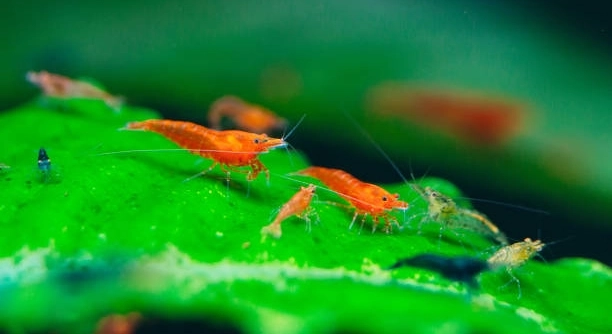
Many shrimp keepers notice how small changes in a tank can influence how confident their shrimp feel while exploring their space. Creating a calm environment can support healthy behavior and help them settle into their home with less stress.
Enhancing safety in a shrimp tank involves providing stable water conditions, adding natural hiding spots, reducing strong currents, and limiting sudden changes. These methods work together to promote lower stress levels, consistent behavior, and improved overall well-being for shrimp in a captive environment.
Small adjustments can shape a peaceful setting that supports comfort, movement, and natural habits throughout the tank.
Provide Stable Water Conditions
Stable water conditions are essential for helping shrimp feel secure in their tank, and maintaining them can be easier when you follow a simple routine that keeps everything balanced. Consistent parameters support calm behavior, steady movement, and better overall health, so it is important to avoid sudden changes that may unsettle them. A gentle approach to testing, adjusting, and observing can make a clear difference in how comfortable they appear each day. I like focusing on small actions, because they often create the most noticeable improvements without overwhelming the tank. Regular checks allow you to spot minor shifts before they affect your shrimp in a negative way. Clean water, steady temperature, and a stable pH form a reliable base that helps them adapt without stress. When these elements stay predictable, shrimp tend to explore more confidently and settle into their environment with fewer signs of discomfort. This supports lasting comfort.
Keeping these conditions steady encourages shrimp to feel safer by preventing sudden swings that might disturb their natural patterns and behaviors. When the tank stays consistent, they move with ease and display healthier habits that reflect their growing confidence in the environment each day as they settle comfortably inside there.
Small efforts can make steady conditions easier to maintain, and many of them fit naturally into a simple routine. I prefer gentle weekly checks because they help me stay aware of small shifts without creating stress for the tank. Topping off evaporated water, keeping filters clean, and watching for changes in clarity support a stable setting over time. These actions also help you understand how your tank responds to feeding, temperature shifts, and general daily activity. When stability becomes a habit, shrimp respond with calmer movement and more visible confidence as they explore their surroundings in a steady ongoing rhythm.
Add Natural Hiding Spaces
Natural hiding spaces help shrimp feel protected by giving them places to rest, adjust, and avoid stress from open areas that feel too exposed. These spots make the tank feel calmer and support steady behavior that reflects comfort and security in their environment as they move through their home daily.
Hiding spaces play an important role in keeping shrimp comfortable, especially when they are settling into a new tank or adjusting to small changes in their surroundings. Plants, leaf litter, moss, and gentle structures create areas where they can pause and feel less exposed while still remaining active. I like using a mix of natural materials because they create a soft look while offering useful shelter that supports confidence. Shrimp often weave through these areas as they search for food or explore, and their behavior tends to look smoother when they know they have safe places to slip into. These features also help reduce stress during feeding or maintenance since shrimp can move away from sudden motion or brief disturbances without feeling overwhelmed. When the tank includes layered spaces, shrimp spend more time showing natural patterns that appear calm and consistent. Over time, these hiding areas contribute to a comfortable setting that supports steady growth and healthier habits. These elements also improve how the tank functions by creating soft zones that break up open space and reduce visual stress across the entire area, allowing shrimp to move with ease and behave in a balanced, steady way throughout their daily routines.
Reduce Strong Currents
Reducing strong currents helps shrimp move comfortably without feeling pushed around, and it supports calmer behavior throughout their daily routines. Gentle flow also prevents stress by keeping them from struggling against sudden water movement that can disrupt feeding, resting, or natural exploration around their tank every single day they settle.
A gentle flow keeps shrimp stable and allows them to move freely in areas that feel safe and predictable. When the current is too strong, they expend unnecessary energy trying to stay in place, which can lead to stress and inconsistent behavior. Adjusting filters, adding soft barriers, and repositioning outflow can create smoother movement across the tank. I like using plants or sponge filters because they slow the flow naturally and blend into the layout without disrupting the overall look. Small adjustments help shrimp explore at their own pace while reducing strain on their tiny bodies and daily routines overall.
Managing water movement contributes to a calmer setting that supports steady behavior throughout the tank. Too much flow can push shrimp into corners or make them avoid important areas where they usually forage or rest. Creating soft zones with plants, moss, or gentle décor helps direct the current more evenly without overwhelming their space. I prefer simple adjustments because they make the layout feel more balanced while improving comfort. When flow is controlled, shrimp settle more easily and spend more time showing natural patterns that reflect steady comfort. Over time, these changes build a peaceful environment that promotes healthy habits.
Limit Sudden Changes
Limiting sudden changes helps shrimp remain calm by keeping their surroundings predictable and steady. Quick shifts in temperature, lighting, or water parameters can disrupt their comfort and lead to scattered movement. A gentle routine with small, gradual adjustments supports stable behavior. I like taking my time during maintenance so the tank stays consistent. This approach helps shrimp feel secure and encourages them to continue their natural habits without unnecessary stress throughout their daily tank life.
Gradual changes allow shrimp to adapt comfortably without feeling pressured by sudden shifts that can unsettle their routines. Large or quick adjustments often cause hesitation, hiding, or reduced activity as they try to understand what has changed. I prefer making small, steady updates to the tank because they maintain a calm rhythm that shrimp can follow easily. For example, slow water changes prevent sharp parameter swings, and gentle lighting transitions reduce startle responses. Even minor improvements can make a noticeable difference when done gradually. Shrimp thrive when they can predict their surroundings, and a stable environment supports their confidence. Over time, this thoughtful approach encourages healthier patterns, smoother movement, and a more relaxed atmosphere. These conditions help them flourish in a space that feels calm.
Keep Lighting Soft and Consistent
Soft lighting helps shrimp feel more at ease by reducing harsh brightness that can make them retreat into hiding. A steady schedule keeps their environment predictable and supports calmer behavior. I prefer gentle settings that create a peaceful mood without overwhelming their small, sensitive space.
Consistent lighting also prevents sudden shifts that may startle them or interrupt their normal routines. Using dimmer lights, floating plants, or adjustable timers makes it easier to keep everything balanced. These small choices help shrimp explore more naturally while feeling safe in their surroundings every day.
Maintain a Calm Environment Around the Tank
A calm environment around the tank reduces unnecessary stress that can affect shrimp behavior. Sudden noises or vibrations often cause them to hide or stay inactive. I try to keep the surrounding area quiet, avoiding quick movements or loud activities near the glass. This helps them settle more easily and move with steady confidence. When the space stays peaceful, shrimp show smoother patterns and spend more time exploring without fear. Creating a gentle atmosphere supports their comfort and allows their natural habits to come through in a balanced way.
Avoid Overcrowding
Avoiding overcrowding helps shrimp feel safe by giving them enough room to move without competition or pressure. A spacious layout supports steady activity and calmer behavior. Keeping the population balanced also reduces stress and helps create a comfortable environment where shrimp can thrive naturally.
FAQ
How can I tell if my shrimp feel unsafe in the tank?
Shrimp often show their discomfort through hiding, sudden darting, or staying still for long periods. When I notice these signs, I usually take a moment to check lighting, water conditions, and general tank activity. If something feels off, even a small shift can affect how they behave. Sometimes they also avoid open areas and prefer staying under plants or decorations. These behaviors usually tell me they need more stability or adjustments to their environment. Paying attention to these small signals helps keep them comfortable and supports healthier patterns over time.
What changes help shrimp feel safer right away?
Small improvements can make a quick difference. Soft lighting, gentle flow, and a few extra hiding spots often help them settle. I like starting with simple steps because they are easier to manage and do not stress the tank. Even minor changes such as topping off evaporated water, trimming overgrown plants, or adjusting feeding routines can support a calmer setting. When their surroundings feel stable, shrimp respond with smoother movements and more consistent activity. These improvements help build a sense of safety and make the tank feel peaceful for them.
How important is water stability for shrimp comfort?
Water stability is one of the most important parts of keeping shrimp relaxed. They react strongly to shifts in temperature, pH, or general quality, so staying consistent helps them feel secure. I try to make changes slowly because sudden adjustments can cause stress. Stable water helps them move more naturally and avoids unnecessary hiding. When the tank stays steady, they show more curiosity and appear calmer throughout the day. Consistency supports their long-term health and creates a safer environment they can trust.
Do hiding spaces truly make shrimp feel safer?
Yes, hiding spaces play a key role in building comfort. When shrimp have soft places to rest, they feel less exposed and more willing to explore the tank. I enjoy using plants, moss, and leaf litter because they look natural and create gentle layers for shrimp to slip into. These areas also help them adjust after small changes or maintenance. Safe spaces allow them to retreat without feeling threatened. Over time, this encourages healthier behavior and boosts confidence in their surroundings.
Why do shrimp react strongly to sudden movements or noise near the tank?
Shrimp are sensitive to vibrations, sudden motion, and quick visual changes. When something happens too fast near their tank, they often retreat or freeze. I try to keep the area around my tank calm, moving slowly and avoiding loud touches on the glass. These small habits help shrimp avoid startle responses that disrupt their routine. A peaceful setting around the tank supports steady behavior inside the water. It makes their space feel predictable and reduces unnecessary stress that could affect their activity and comfort.
How does overcrowding affect shrimp behavior and safety?
Overcrowding limits space and increases pressure on shrimp as they move through their environment. They might feel pushed into corners or fight for hiding spots, which can lead to stress. I prefer keeping populations balanced so each shrimp has room to explore without competition. Enough space supports calmer movement and smoother patterns, and it helps them settle more easily. A comfortable population level creates a gentle rhythm in the tank and supports healthier habits for the entire group.
What daily habits help maintain a safe space for shrimp?
Simple routines make the biggest difference. Soft lighting, steady water checks, clean filters, and slow maintenance help them feel secure. I like keeping everything predictable so they can adjust with ease. These habits build a peaceful environment that supports their comfort and encourages natural behavior.
Final Thoughts
Creating a safe space for shrimp does not have to feel complicated, and small consistent habits can shape the tank into a place where they move with ease. I find that shrimp respond best to environments that stay predictable, gentle, and calm. When their surroundings feel stable, they show smoother patterns, explore more freely, and settle into their home with less hesitation. The changes you make do not need to be dramatic. Simple choices like soft lighting, steady water conditions, and hiding areas can influence how relaxed they appear. Each adjustment adds a layer of comfort that supports their natural movements and daily routines. Over time, these choices work together and gradually build an environment where shrimp feel protected. Keeping things steady helps them trust their space and express their normal behaviors without sudden interruptions.
A shrimp tank grows more peaceful when every part of their environment supports a steady rhythm. I like focusing on slow thoughtful adjustments that help them adapt without stress. When flow stays gentle, they move through the water without struggling against currents. When the light stays soft, they navigate the tank without feeling forced into hiding. Even the simple act of moving around the tank calmly or avoiding sudden noise near the glass can influence how they behave. Shrimp notice these details more than many people realize. Their comfort often depends on how predictable their surroundings feel. With balanced population levels, they avoid competition and have room to rest, explore, and forage at their own pace. This balance reduces tension and makes the tank feel open instead of crowded. Supporting this gentle atmosphere helps guide them into healthier habits that continue to grow stronger as the tank matures and stabilizes over time.
Your care shapes every part of their environment, and the effort you put into keeping things gentle helps build a home they can trust. Over time, a quiet steady tank encourages shrimp to show more natural behavior, and you start noticing small changes like calmer movement or increased foraging. These improvements come from consistency and thoughtful attention. I like keeping a simple routine so I can stay aware of their needs without overwhelming myself or the tank. Gradual improvements often create the strongest results because shrimp thrive when shifts happen slowly and predictably. With each step, the tank becomes a more comfortable place that supports their well being. When you build these habits with patience, your shrimp benefit from a peaceful environment that continues to grow safer and more stable as the days go by.

Hello,
If you enjoy the content that we create, please consider saying a "Thank You!" by leaving a tip.
Every little bit helps us continue crafting quality advice that supports the health, happiness, and well-being of pets around the world, for pets of all shapes, sizes, and species.
We really appreciate the kindness and support that you show us!