
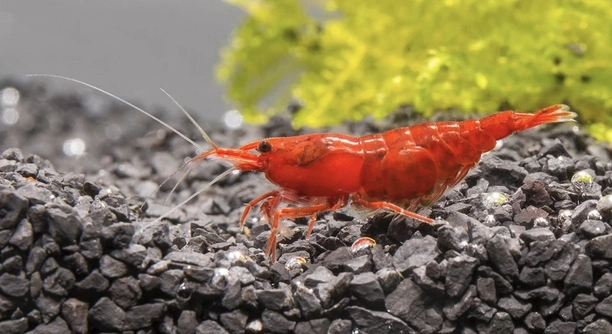
Cherry shrimp are small, colorful creatures that bring life to freshwater tanks. Feeding them might seem simple, but even experienced keepers can run into challenges that affect their eating habits and overall health.
Cherry shrimp feeding problems often arise from water quality issues, improper diet, overcrowding, and stress. These factors can reduce appetite, hinder digestion, and create competition for food, ultimately impacting shrimp growth and vitality if not carefully managed.
Learning about these common problems helps ensure your shrimp remain healthy and active, making mealtime a smooth and successful part of their daily care.
Poor Water Quality
Poor water quality is one of the main reasons cherry shrimp may stop eating. High levels of ammonia, nitrites, or nitrates can make shrimp stressed and lethargic. Even small changes in pH or hardness can interfere with their digestion. Tanks that are not cycled properly or have infrequent water changes often lead to these problems. Temperature fluctuations can also affect appetite, as shrimp prefer stable conditions. Keeping the water clean and stable helps ensure that shrimp remain active and willing to feed. Filtration and regular water testing are essential. Overfeeding can also deteriorate water quality, causing leftover food to rot and produce toxins. Removing uneaten food promptly prevents this issue. Live plants and biofilm growth support natural feeding habits. By monitoring these factors, you can create an environment where shrimp feel comfortable and safe. Consistency in water maintenance is critical to maintaining healthy shrimp that eat reliably.
Maintaining proper water parameters ensures shrimp health, reduces stress, and encourages consistent feeding behavior.
Regular testing, water changes, and monitoring tank conditions are key to preventing feeding problems caused by poor water quality.
Overcrowding
Overcrowding reduces food availability and increases stress among cherry shrimp. High density in a tank can lead to competition, aggression, and limited access to preferred food. Shrimps may hide more often, missing meals.
Excess shrimp in a small tank create stress and disrupt feeding patterns. Careful stocking helps maintain balance.
Too many shrimp in a confined space often lead to stress-related feeding issues. Overcrowding increases competition, making it difficult for each individual to access food. Shrimp may skip meals or struggle to find adequate nutrition. In addition, high density can accelerate waste buildup, further reducing water quality and feeding efficiency. Observing natural behaviors, such as hiding or avoiding certain areas, can indicate stress. Providing enough hiding spots, plants, and surfaces for biofilm growth helps mitigate these effects. Balancing shrimp numbers with tank size ensures that all individuals have fair access to food while minimizing stress. Adjusting population gradually, rather than all at once, helps shrimp adapt. Careful planning in stocking density supports healthier shrimp with stronger appetites and overall vitality.
Inappropriate Diet
Cherry shrimp require a balanced diet of algae, biofilm, and specially formulated shrimp food. Feeding only flakes or pellets can lead to nutrient deficiencies, which affect appetite and health. Variety is essential to maintain strong growth and activity.
Shrimp need a mix of plant-based and protein-rich foods. Algae wafers, blanched vegetables like spinach or zucchini, and occasional protein treats support healthy development. Limiting diet variety often causes shrimp to ignore offered food. Overfeeding one type of food can also create imbalances, affecting digestion. Observing what your shrimp prefer and adjusting portions helps maintain interest in feeding. Providing natural biofilm in the tank further supports their nutrition.
Timing and portion control are important. Feeding small amounts multiple times a day mimics natural grazing behavior. Avoid overfeeding, as leftovers decompose and reduce water quality. Using varied food types encourages consistent feeding and ensures all shrimp receive necessary nutrients. Rotating vegetables and supplementing with protein helps keep shrimp active and healthy.
Stress and Tank Environment
Stress from sudden changes in light, temperature, or tank decorations can reduce shrimp appetite. Stable conditions are key to promoting feeding and comfort.
Environmental stressors like frequent water changes, loud noises, or strong currents can scare shrimp away from food. Sudden movements in the tank can trigger hiding, leaving food untouched. Maintaining calm surroundings, gentle water flow, and consistent light cycles encourages shrimp to feed regularly. Providing plants, moss, and hiding spots allows shrimp to feel safe while foraging, which improves their willingness to eat. Monitoring shrimp behavior closely helps identify stress-related feeding issues early.
Ensuring a stable environment involves careful observation of tank conditions. Avoid rapid temperature swings and keep water chemistry steady. Adjust lighting gradually and provide areas of shade or dense plants for shelter. Limiting disturbances near the tank reduces stress levels. Gentle filtration and moderate water flow prevent shrimp from being forced into hiding. By creating a calm, secure habitat, feeding habits improve naturally. Shrimp feel confident exploring the tank for food, leading to healthier growth and fewer skipped meals. Small adjustments to environment often have noticeable effects on appetite and overall wellbeing.
Molting Stress
Molting is a natural process for cherry shrimp but can temporarily reduce their appetite. During this period, shrimp may hide and avoid food until their new exoskeleton hardens. Providing safe, calm conditions supports recovery.
Extra calcium and minerals in their diet can help strengthen exoskeletons. Shrimp often eat less immediately before and after molting.
Disease and Parasites
Illnesses and parasites can directly affect feeding behavior. Infected shrimp may appear lethargic, refuse food, or show abnormal swimming. Early detection and proper treatment are essential to prevent further health decline.
Competition for Food
Shrimp in tanks with fish or other shrimp species may struggle to access food. Faster or larger tankmates can dominate feeding areas, leaving some shrimp underfed. Careful feeding strategies and hiding food in plants can help reduce competition.
Poor Lighting
Insufficient or excessive lighting affects biofilm growth, which is a natural food source for shrimp. Balanced lighting encourages natural grazing habits and supports overall appetite.
FAQ
Why are my cherry shrimp not eating at all?
Shrimp may stop eating due to stress, poor water quality, or illness. Sudden changes in water parameters, overcrowding, or a lack of hiding places can make them hide and refuse food. Check water chemistry, temperature, and observe behavior for signs of illness.
How can I tell if my shrimp are stressed?
Shrimp often hide for long periods, move slowly, or stay in corners when stressed. Loss of appetite, unusual swimming, or lethargy are signs. Overcrowding, strong currents, or sudden light changes can cause stress, so create calm, stable conditions.
What foods are best for cherry shrimp?
A combination of algae, biofilm, blanched vegetables, and shrimp-specific pellets ensures balanced nutrition. Occasional protein sources like daphnia or frozen brine shrimp help growth. Rotating foods keeps shrimp interested and prevents nutrient deficiencies.
How often should I feed my shrimp?
Small, frequent feedings are better than one large meal. Feeding once or twice a day in amounts they can finish within a few hours prevents leftover food from decaying and reduces water quality issues.
Can tankmates affect feeding?
Yes. Fish or faster shrimp can dominate feeding spots, leaving slower shrimp without food. Distributing food across multiple areas or hiding it in moss and plants ensures all shrimp can eat without competition.
Does water temperature affect feeding?
Temperature fluctuations or extreme temperatures can reduce appetite. Cherry shrimp prefer stable conditions around 72–78°F. Too low slows metabolism, while too high causes stress, both reducing feeding activity. Maintaining a consistent temperature is essential.
Why do shrimp refuse certain foods?
Shrimp have preferences and may ignore unfamiliar or unappealing foods. Overfeeding one type can also cause selective eating. Offering a variety of vegetables, pellets, and biofilm encourages consistent feeding.
How does molting impact feeding?
Before and after molting, shrimp often stop eating. Their exoskeleton is soft and vulnerable, so they hide for protection. Providing extra calcium and safe areas helps them recover and return to regular feeding.
What diseases affect appetite?
Bacterial infections, parasites, or fungal growth can reduce feeding. Symptoms include lethargy, color fading, abnormal swimming, or black spots. Early detection and quarantine or treatment prevent spread and restore normal feeding.
Can lighting influence feeding?
Lighting affects biofilm growth, a key natural food. Too little light reduces food sources, while too much can stress shrimp. Moderate, consistent lighting encourages natural grazing and healthy feeding habits.
How can I improve appetite in picky shrimp?
Offer a variety of foods, provide hiding spaces, and maintain stable water parameters. Rotating vegetables, pellets, and protein sources encourages exploration and eating. Observing preferences and adjusting portions ensures all shrimp receive enough nutrition.
What role does tank cleanliness play?
Dirty tanks with leftover food, waste, or high nitrate levels reduce feeding. Regular water changes, removing uneaten food, and cleaning substrate support shrimp health and appetite. Consistency in maintenance prevents feeding disruptions.
Are there supplements that help feeding?
Calcium, minerals, and trace elements strengthen exoskeletons and support digestion. Adding these to diet or using fortified shrimp foods encourages consistent feeding and reduces molting-related appetite loss.
Can stress from handling affect feeding?
Yes. Frequent netting or tank rearrangements can scare shrimp and reduce appetite. Minimizing handling and creating a calm environment helps shrimp feel safe enough to feed regularly.
How do I know if my shrimp are getting enough food?
Shrimp should be active, grow steadily, and have vibrant color. If shrimp remain small, pale, or lethargic despite regular feeding, they may be underfed or stressed. Monitoring behavior and adjusting food amounts ensures proper nutrition.
Does tank size matter for feeding?
Smaller tanks increase competition and stress, making it harder for shrimp to access food. Proper stocking density ensures all shrimp can reach food, reduces stress, and maintains healthy feeding habits.
Can sudden changes in water chemistry reduce appetite?
Yes. pH swings, hardness changes, or ammonia spikes cause stress and loss of appetite. Gradual adjustments and regular monitoring prevent feeding interruptions and keep shrimp comfortable.
How long can cherry shrimp go without food?
Healthy adult shrimp can survive a few days without food, relying on biofilm. Juveniles need more frequent feeding. Extended periods without nutrition can weaken them and impact growth. Providing consistent food sources is important.
Is there a link between breeding and feeding?
Breeding shrimp may eat more to support egg development, while molting females might reduce intake temporarily. Observing feeding patterns around breeding cycles helps ensure adequate nutrition for both adults and offspring.
How can I reduce competition during feeding?
Spread food across multiple areas, use moss or plants to hide food, and separate faster feeders if needed. This ensures all shrimp, including shy or smaller ones, get adequate access to meals.
Do cherry shrimp prefer live or prepared foods?
They eat both, but live foods like daphnia or brine shrimp stimulate natural hunting behavior. Prepared foods like pellets provide balanced nutrients. A mix keeps them engaged and nourished consistently.
How important is biofilm for feeding?
Biofilm is a natural and essential food source. Shrimp graze on it continuously, especially between feedings. Encouraging biofilm growth through plants and stable water conditions supports appetite and overall health.
Can algae affect feeding behavior?
Yes. Moderate algae provides a natural grazing source, while overgrowth can reduce oxygen and water quality. Maintaining balance ensures shrimp remain interested in supplemental foods.
What should I do if feeding problems persist?
Check water quality, diet variety, tank conditions, and signs of stress or disease. Adjust environmental factors and provide balanced foods. Persistent issues may require isolating affected shrimp or consulting experienced hobbyists or professionals.
How do I encourage shy shrimp to eat?
Place food in safe areas with cover like moss or plants. Avoid sudden movements around the tank. Gradually introducing new foods helps shy shrimp explore and eat confidently.
Are there seasonal changes that affect feeding?
Indoor tanks are generally stable, but seasonal temperature or lighting shifts can alter biofilm growth and shrimp activity. Monitoring conditions and adjusting feeding ensures appetite remains steady year-round.
How do I balance feeding with water quality?
Feed only what shrimp can consume in a few hours. Remove leftovers and perform regular water changes. This prevents nutrient buildup, maintains clean water, and supports healthy feeding behavior.
Can shrimp refuse food if they are sick but appear normal?
Yes. Early-stage illnesses or parasites may reduce appetite before other visible symptoms appear. Careful observation of feeding behavior can help detect problems before they worsen.
Is it necessary to remove uneaten food immediately?
Yes. Uneaten food decomposes, increasing ammonia and nitrate levels. This reduces water quality, stresses shrimp, and discourages feeding. Prompt removal protects both shrimp health and appetite.
Do shrimp need a day off from feeding?
Not strictly, but occasional light fasting mimics natural grazing patterns and prevents overfeeding. Continuous access to biofilm allows for consistent nutrition without negatively affecting health.
How does age affect feeding?
Juvenile shrimp eat more frequently and require softer foods. Adults graze steadily but may eat less. Adjusting feeding based on age ensures all shrimp receive proper nutrition and grow healthily.
Can tank decorations influence feeding?
Yes. Plants, moss, and hiding spots provide areas to forage safely. Bare tanks increase stress and reduce appetite. Arranging decor strategically encourages natural feeding behavior and reduces competition.
Is it normal for shrimp to eat at different times?
Yes. Shrimp have individual feeding patterns, often grazing throughout the day. Some are more active at night or in shaded areas. Observing these patterns helps ensure all shrimp access food.
How long should shrimp take to finish a feeding?
Small feedings should be consumed within a few hours. If food remains longer, it risks decay and water quality issues. Adjust portion sizes to match shrimp appetite for effective feeding.
Do shrimp prefer certain textures or sizes of food?
Shrimp may favor soft or finely broken foods for easier consumption. Pellets, algae wafers, and small vegetable pieces are ideal. Matching texture to shrimp size improves feeding efficiency and prevents waste.
Can temperature swings affect appetite even slightly?
Yes. Small fluctuations can stress shrimp, reducing interest in food. Maintaining stable temperatures supports consistent feeding and overall health.
How do I know if shrimp are overfed?
Excess food left uneaten, cloudy water, and increased waste are signs. Overfeeding can harm water quality and lead to reduced appetite or health problems. Adjust portions carefully.
Are there foods that should be avoided?
Avoid processed human foods, citrus, or heavily salted items. These can harm shrimp, upset water chemistry, and reduce appetite. Stick to shrimp-safe vegetables, pellets, and occasional protein treats.
Can sudden water changes affect feeding?
Yes. Rapid changes in temperature, pH, or chemistry can stress shrimp, causing temporary refusal of food. Gradual adjustments help shrimp adapt without disrupting feeding.
How important is routine in feeding times?
Consistent feeding schedules help shrimp develop reliable grazing habits. Irregular feeding can cause stress and reduce appetite. Regular, small meals support long-term health.
What is the role of biofilm in reducing picky eating?
Biofilm offers continuous, natural nutrition that complements prepared foods. Shrimp graze on it between meals, helping prevent picky eating and encouraging healthy feeding routines.
Can shrimp recognize and prefer certain foods over time?
Yes. They may learn to associate certain foods with safety and taste. Rotating food types keeps them interested and ensures a balanced diet.
How do I introduce new foods?
Introduce small portions gradually. Observing shrimp response helps identify preferred items. Repeated exposure encourages acceptance without overwhelming them or affecting water quality.
Can high nitrate levels reduce feeding?
Yes. Elevated nitrates stress shrimp and decrease appetite. Regular water changes and monitoring nitrate levels help maintain healthy feeding behavior.
How does tank size influence feeding behavior?
Larger tanks reduce competition and provide more foraging space. Smaller tanks increase stress and competition, making it harder for all shrimp to eat adequately. Proper stocking density is crucial.
Are there signs of nutrient deficiency in shrimp?
Pale color, slow growth, or molting problems indicate deficiencies. Balanced diet with varied foods and minerals prevents these issues and supports consistent feeding.
Can frequent water testing help feeding problems?
Yes. Monitoring ammonia, nitrites, nitrates, and pH ensures water conditions are safe. Healthy water supports appetite and reduces stress-related feeding issues.
Is it okay to feed different foods at the same time?
Yes. Offering a mix of pellets, vegetables, and protein in small portions encourages exploration and ensures shrimp access a balanced diet. Rotate foods to maintain interest.
Can shrimp refuse food due to tank mates?
Yes. Aggressive or fast-moving tankmates can scare shrimp away from feeding areas. Providing hidden food spots or slowing competition helps all shrimp access meals.
How do I maintain feeding interest in long-term tanks?
Vary food types, provide safe foraging spaces, and maintain clean, stable water. Observing shrimp behavior allows adjustments that keep feeding consistent and prevents picky habits.
Can overfeeding harm shrimp even if water is changed regularly?
Yes. Overfeeding can still stress shrimp, create excess waste, and reduce natural grazing behavior. Small, frequent meals are safer and promote healthy feeding patterns.
Do shrimp eat differently during molting cycles?
Yes. Appetite often decreases before and after molting. Providing calcium-rich foods and safe hiding spaces ensures shrimp recover quickly and return to regular feeding.
How does plant density affect feeding?
Dense plants provide grazing surfaces and shelter. Too few plants reduce natural feeding opportunities, while overcrowding may make food harder to find. Balance ensures access and encourages activity.
What are early warning signs of feeding problems?
Shrimp ignoring food, hiding excessively, moving slowly, or losing color indicate issues. Early detection allows intervention through water adjustments, diet changes, or reducing stress.
Are frozen or live foods better for appetite stimulation?
Both have benefits. Live foods stimulate hunting instincts, while frozen foods are convenient and nutritious. A mix keeps shrimp active and encourages consistent feeding.
Can feeding behavior indicate tank health?
Yes. Consistent, active feeding reflects stable water and low stress. Reduced appetite signals potential water issues, overcrowding, or disease. Regular observation helps maintain a healthy tank.
How do I know if my shrimp are eating enough?
Shrimp should be active, maintain color, and grow steadily. Uneaten food, pale color, or slow growth may indicate underfeeding or stress. Adjust feeding routines to ensure proper nutrition.
Can certain shrimp be picky eaters naturally?
Yes. Individual differences mean some shrimp graze less or prefer specific foods. Observing preferences and providing variety ensures balanced nutrition for all.
How long does it take for shrimp to resume normal feeding after stress?
Recovery varies but generally takes a few hours to a couple of days. Reducing stressors and offering familiar foods accelerates return to normal feeding behavior.
Can water hardness affect feeding?
Yes. Incorrect hardness can stress shrimp and impact exoskeleton development, which may reduce appetite. Maintaining proper GH and KH supports healthy feeding and growth.
Do shrimp eat differently in planted vs bare tanks?
Planted tanks offer biofilm and grazing surfaces, encouraging natural feeding. Bare tanks reduce options, often making shrimp rely solely on added food, which may affect appetite and behavior.
Is it normal for shrimp to skip meals occasionally?
Yes. Skipping a meal or two is normal, especially during molting or stress. Consistent monitoring ensures skipped meals don’t become prolonged, affecting health.
Can adding moss improve feeding?
Yes. Moss provides surfaces for biofilm, hiding spots, and natural grazing areas. It encourages shrimp to feed actively and reduces competition during meals.
How do I balance feeding multiple shrimp species together?
Distribute food across the tank and provide hiding spots. Smaller or slower species may need protected feeding areas to ensure everyone receives adequate nutrition.
Does feeding time matter?
Shrimp feed throughout the day, but offering food at the same time daily helps create routine and reduces stress. Multiple small feedings mimic natural grazing.
How much protein do cherry shrimp need?
Moderate protein supports growth and molting. Too much can harm water quality, while too little slows development. Balance protein with plant-based foods for optimal health.
Can poor water circulation affect feeding?
Yes. Strong currents may scare shrimp or carry food away. Gentle circulation ensures food remains accessible and supports natural grazing behavior.
How does age affect feeding frequency?
Juveniles graze constantly and require softer foods. Adults feed steadily but less frequently. Adjust feeding strategies based on age for proper nutrition.
Do shrimp prefer certain tank areas for feeding?
Yes. Shrimp often feed in shaded areas or where plants provide cover. Observing preferred spots allows better food placement and reduces competition.
How do I reduce leftover food in the tank?
Feed small portions that shrimp can finish within a few hours. Remove uneaten food promptly to maintain water quality and prevent appetite reduction.
Can ammonia spikes reduce appetite instantly?
Yes. Even minor ammonia increases stress shrimp, causing immediate feeding refusal. Regular testing and careful water management prevent sudden declines in appetite.
How do I introduce live foods safely?
Rinse or quarantine live foods to prevent pests or disease. Offer in small portions and observe shrimp response. Live foods stimulate natural feeding behavior safely.
Are there seasonal effects on appetite?
Indoor tanks are stable, but temperature or light changes may slightly alter feeding patterns. Monitoring conditions ensures shrimp maintain consistent appetite throughout the year.
Can tank size influence molting-related feeding?
Yes. Smaller tanks increase stress and hiding competition, slowing return to feeding after molting. Proper spacing and hiding areas support recovery.
Do shrimp eat differently in soft vs hard water?
Water hardness affects exoskeleton development and stress. Shrimp in unsuitable hardness may reduce feeding or show molting problems. Maintaining proper GH and KH encourages normal feeding behavior.
How do I encourage shy shrimp to try new foods?
Place new foods near hiding spots and introduce gradually. Observing reactions and providing safe areas reduces stress and encourages exploration.
Is it normal for shrimp to graze constantly?
Yes. Grazing on biofilm and plants is natural and essential. Constant activity indicates a healthy appetite and access to natural food sources.
Can tank decorations block food access?
Yes. Dense decorations or poor food placement may prevent shrimp from reaching food. Arrange items to allow easy access and multiple feeding spots.
How do I maintain feeding consistency long-term?
Provide variety, maintain water quality, monitor tankmates, and observe shrimp behavior. Adjustments in food type, portion, and placement ensure ongoing healthy feeding habits.
Do shrimp prefer fresh or blanched vegetables?
Blanched vegetables are softer and easier to eat, while fresh may be harder to consume. Offering both types ensures variety and supports healthy feeding.
Can lighting duration affect appetite?
Yes. Consistent moderate lighting encourages biofilm growth and natural grazing, supporting regular feeding. Too long or too short lighting may stress shrimp and reduce appetite.
How do I prevent overfeeding while keeping shrimp interested?
Feed small portions multiple times, rotate food types, and remove leftovers. Balanced feeding stimulates appetite without compromising water quality.
Do cherry shrimp need protein daily?
Moderate protein several times a week supports growth. Excess protein can harm water quality. Balance with plant-based foods for optimal nutrition.
How do I know if hiding shrimp are still eating?
Check food consumption and observe movement near hiding spots. Shy shrimp may feed quietly but still maintain health and color if provided safe food areas.
Can temperature drops affect feeding behavior?
Yes. Cooler water slows metabolism and reduces appetite. Gradual changes and stable temperatures maintain consistent feeding and prevent stress.
Do shrimp feed more at night?
Some do, especially shy individuals. Providing food in low-light conditions encourages natural grazing without competition or stress.
How important is tank hygiene for picky eaters?
Clean tanks reduce stress and disease risk. Picky eaters are more likely to feed in a healthy, stable environment. Regular maintenance supports appetite and overall health.
Can shrimp develop feeding habits based on observation?
Yes. They may follow tankmates or mimic grazing behavior. Observing others helps hesitant shrimp adapt and feed regularly.
How do I balance biofilm and prepared foods?
Biofilm supplements nutrition between feedings, while prepared foods ensure complete diet. Offering both supports consistent appetite and health.
Can overstocked tanks reduce feeding success?
Yes. High density increases competition, stress, and hiding. Proper stocking ensures all shrimp access food and maintain healthy growth.
Is it normal for shrimp to ignore food for a day?
Yes
Final Thoughts
Cherry shrimp are small but sensitive creatures that rely on careful care to thrive. Feeding issues are often linked to water quality, diet, tank environment, and stress. Maintaining stable water conditions with consistent pH, temperature, and hardness helps shrimp feel comfortable and reduces appetite-related problems. Regular testing and partial water changes are simple steps that support their overall health and encourage normal feeding behavior. Small adjustments, like removing leftover food promptly and monitoring nitrate and ammonia levels, can make a noticeable difference in shrimp activity and willingness to eat.
A balanced diet is equally important. Cherry shrimp need a variety of foods, including algae, biofilm, blanched vegetables, and protein sources. Rotating foods helps prevent selective eating and ensures that shrimp receive essential nutrients for growth, molting, and overall vitality. Overfeeding should be avoided, as leftover food can decompose and negatively affect water quality. Providing safe feeding areas within plants, moss, or other hiding spots can reduce competition among tankmates and allow even shy shrimp to eat regularly. Observing shrimp behavior during feeding times helps determine whether portions and food types are appropriate.
Environmental factors and stress play a major role in feeding patterns. Sudden changes in light, tank decorations, or water chemistry can cause shrimp to hide or stop eating temporarily. Overcrowding and aggressive tankmates may also interfere with access to food. Creating a calm, stable environment with plenty of hiding spaces encourages natural grazing behavior and reduces stress. Paying attention to molting cycles and offering calcium-rich foods supports shrimp during vulnerable periods. By addressing water quality, diet, tank conditions, and stressors, feeding problems can be minimized, helping cherry shrimp stay healthy, active, and vibrant in your tank.

Hello,
If you enjoy the content that we create, please consider saying a "Thank You!" by leaving a tip.
Every little bit helps us continue crafting quality advice that supports the health, happiness, and well-being of pets around the world, for pets of all shapes, sizes, and species.
We really appreciate the kindness and support that you show us!