
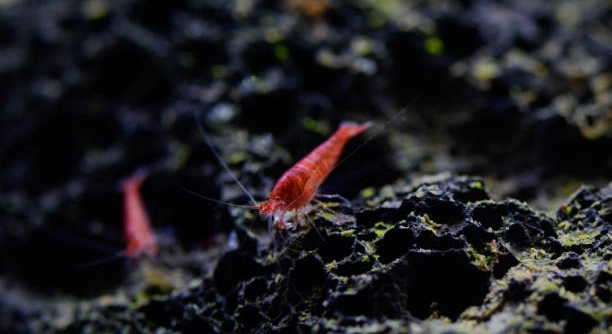
Cherry shrimp are small, colorful freshwater creatures that often display unusual behaviors in aquariums. Observing them hover over each other can catch the attention of any shrimp enthusiast and spark interest in their natural instincts.
Cherry shrimp hover over each other primarily for mating and social interaction purposes. This behavior allows males to detect females ready to molt and ensures reproductive success, while also facilitating communication and establishing social hierarchies within the shrimp community.
Understanding these behaviors can improve care and create a healthier environment for your shrimp in their tank.
Reasons Cherry Shrimp Hover
Cherry shrimp hovering over each other is often linked to reproduction. Males track females that are about to molt so they can mate successfully. This behavior increases the chance of fertilization and ensures the continuation of their population. Females release pheromones during molting, which attract nearby males.
Hovering also allows shrimp to establish social order within the tank. Dominant shrimp may hover over others to assert presence, while younger or smaller shrimp observe and learn these positions.
The behavior may also indicate environmental comfort. Shrimp that feel safe and stress-free are more likely to display social and reproductive behaviors. Proper water parameters, clean tanks, and adequate hiding spots encourage hovering and interaction. Observing this behavior can help determine shrimp health and readiness to breed. Overcrowding or poor water quality may suppress these natural behaviors, so monitoring tank conditions is essential for maintaining a thriving shrimp community.
Environmental Factors
Water quality is crucial for cherry shrimp activity and behavior. Maintaining proper pH, temperature, and filtration ensures they feel secure.
High water parameters, stable temperature, and adequate hiding spaces reduce stress. Stress can limit social interaction and hovering behavior.
Shrimp are sensitive to their surroundings, and sudden changes can cause unusual behavior. Poor water quality may lead to inactivity, molting problems, or decreased reproductive activity. Algae and biofilm availability also impact hovering, as shrimp feed while socializing. Providing a balanced environment with plants, moss, and gentle water flow supports natural behavior. Observing how shrimp interact in well-maintained conditions gives insight into their comfort levels and overall health. Adjusting tank conditions gradually ensures that hovering behavior continues naturally, benefiting both individual shrimp and the broader tank ecosystem.
Mating Behavior
Hovering is closely tied to mating readiness. Males hover near females that are about to molt, waiting to fertilize eggs once the female’s shell softens.
During molting, the female’s exoskeleton becomes soft, making her more receptive to mating. Males detect chemical signals released by the female, prompting them to hover and follow closely. This ensures that mating occurs at the optimal time. Observing this behavior can help determine when a female is about to molt and when males are most active.
Hovering also helps establish mating dominance. Multiple males may hover near a single female, competing subtly for attention. The female may choose the most active or persistent male, promoting strong offspring. This behavior is natural and part of their reproductive strategy. Proper tank conditions support successful mating and reduce stress during these interactions, allowing shrimp to perform their natural behaviors efficiently.
Social Interaction
Hovering allows shrimp to communicate without aggression. It signals presence and helps maintain social balance within the tank.
Shrimp use hovering to interact, observe, and recognize each other. Dominant shrimp may hover to assert influence, while smaller ones adjust behavior accordingly. This interaction prevents unnecessary conflicts and maintains harmony.
Social hovering also contributes to stress reduction. When shrimp feel secure, they display more active behaviors, including feeding, exploring, and interacting. A well-structured tank with hiding spots and adequate space allows shrimp to hover naturally and maintain social bonds. Observing these patterns provides insight into shrimp dynamics and overall health, helping ensure a balanced and thriving tank ecosystem.
Feeding Behavior
Hovering can occur during feeding periods. Shrimp gather near food sources, often hovering over each other to reach algae, biofilm, or pellets.
Competition is usually gentle. Hovering helps shrimp access food without aggressive interactions, allowing smaller or less dominant shrimp to find space to feed alongside others.
Molting Process
Hovering signals that a female is about to molt. Males detect chemical cues and position themselves nearby to mate immediately after molting. Proper water conditions, including temperature and mineral levels, support healthy molting cycles and reduce stress, ensuring females can molt safely and males can respond naturally.
Tank Conditions
Tank layout and cleanliness impact hovering behavior. Shrimp feel secure when hiding spots, plants, and gentle water flow are available, promoting natural interactions and social activity within the aquarium.
FAQ
Why are my cherry shrimp hovering over each other constantly?
Hovering over each other is usually linked to mating or social interaction. Males track females that are about to molt, while shrimp also use hovering to establish social order. Constant hovering can indicate healthy activity, especially if water conditions are stable and there is enough space in the tank.
Is hovering a sign of stress?
Not necessarily. Hovering is natural, but excessive or frantic hovering combined with hiding or lethargy could indicate stress. Check water parameters like pH, temperature, ammonia, and nitrite levels, and ensure there are enough hiding spots and proper filtration.
Do males and females hover differently?
Yes. Males are usually more active and hover around females ready to molt, while females hover mainly during molting or in response to other shrimp. Observing patterns can help identify gender and readiness for reproduction.
Can tank size affect hovering behavior?
Absolutely. Overcrowded tanks may reduce natural hovering behavior or increase competition. Providing adequate space, plants, and hiding spots allows shrimp to interact safely, promoting natural social and reproductive behavior.
Does feeding impact hovering?
Yes. Shrimp often hover around food sources, gently competing for algae, biofilm, or pellets. A well-balanced diet supports healthy activity levels and encourages hovering during feeding times.
How can I tell if hovering is related to mating?
Hovering related to mating is usually focused around a female that is about to molt. Males follow closely and respond to chemical cues. If multiple males hover near one female, it is a strong indicator of reproductive behavior.
Should I intervene if shrimp hover too much?
Intervention is rarely needed. Hovering is natural, but ensure tank conditions are optimal. Poor water quality, overcrowding, or lack of hiding spots may warrant adjustments to prevent stress or conflict.
Can hovering cause harm to shrimp?
Generally, no. Hovering is gentle and part of normal behavior. Only in overcrowded tanks might smaller or weaker shrimp be temporarily stressed. Maintaining space and proper care prevents issues.
Do shrimp hover differently in a new tank?
Yes. In a new environment, shrimp may be more cautious or inactive initially. Once they adjust to water conditions and layout, natural hovering and social behavior typically resume. Patience and stable conditions help shrimp settle.
What other behaviors accompany hovering?
Hovering often occurs with antennal movement, feeding, or following other shrimp. During mating, males may show increased activity and persistent proximity to females. Social interactions are gentle but consistent, reflecting hierarchy and communication.
Can tank plants influence hovering?
Yes. Plants and moss provide surfaces for grazing and hiding. They encourage natural hovering, social interaction, and reduce stress by giving shrimp secure spaces to explore and rest.
How often should I monitor hovering behavior?
Regular observation helps track health and reproductive activity. Noticing changes in hovering patterns can indicate water quality issues, molting cycles, or social stress, allowing timely adjustments to tank care.
Does temperature play a role in hovering?
Yes. Shrimp are more active and hover naturally when water is within their preferred temperature range. Too cold or too warm water can reduce activity, including social and reproductive behaviors.
Can hovering indicate impending molting?
Often. Males hover around females that are about to molt, detecting chemical signals released in preparation. Proper water parameters ensure females molt safely, allowing males to respond naturally.
Are all shrimp in the tank likely to hover?
Not always. Individual temperament, size, and dominance affect hovering frequency. While most active shrimp participate, smaller or more timid individuals may hover less or stay hidden until comfortable.
How long does hovering typically last?
Hovering duration varies. Mating-related hovering may last minutes to hours, while social hovering is intermittent throughout the day. Patterns often stabilize when tank conditions and social dynamics are consistent.
Can lighting affect hovering?
Indirectly. Bright or sudden lighting may make shrimp cautious, reducing hovering. Consistent lighting with areas of shade allows shrimp to feel secure and display natural behaviors.
Is hovering more common in certain breeds of cherry shrimp?
Some coloration or selectively bred strains may show slightly different activity levels, but hovering is universal. Genetics influence intensity, but environmental factors like space and water quality are more significant.
What should I do if hovering stops suddenly?
Sudden cessation can indicate stress, illness, or poor water quality. Check tank parameters, observe for molting issues or aggression, and ensure adequate food and hiding spaces. Correcting problems usually restores normal hovering behavior.
Can hovering help me identify shrimp health?
Yes. Active hovering with normal feeding, molting, and social interactions usually indicates good health. Reduced or erratic hovering can signal stress, water quality issues, or illness, prompting closer monitoring and care adjustments.
Hovering is a natural and important behavior for cherry shrimp, reflecting their social and reproductive instincts. Observing shrimp hover over each other often indicates that they are healthy, active, and interacting normally with their tank mates. Males hover near females that are about to molt, ensuring that mating occurs at the right time, while shrimp also use hovering to establish social hierarchies within the tank. Understanding this behavior can help maintain a balanced aquarium and improve breeding outcomes. Proper tank care, including clean water, adequate hiding spots, and stable environmental conditions, supports these behaviors and encourages shrimp to feel secure in their surroundings.
The behavior also provides insight into the overall health of the shrimp community. Shrimp that hover regularly and interact with others are generally well-fed, stress-free, and comfortable in their habitat. Conversely, changes in hovering patterns, such as reduced activity or frantic movement, may signal issues with water quality, overcrowding, or illness. Monitoring hovering behavior, along with other activities such as feeding and molting, allows you to identify potential problems early. Adjusting tank conditions, ensuring proper nutrition, and maintaining consistent water parameters can restore natural behavior and promote shrimp health. Observing these small creatures over time helps create a thriving environment where social and reproductive behaviors can occur naturally.
Finally, understanding hovering can improve the overall enjoyment of keeping cherry shrimp. Watching their interactions provides insight into their instincts, communication, and reproductive strategies. Supporting natural behaviors requires minimal intervention beyond maintaining a suitable environment, but doing so can lead to a healthier, more active shrimp community. Hovering is a sign that shrimp are comfortable and thriving, and it can also indicate when a female is ready to molt and mate. Paying attention to these behaviors allows for better care and a deeper appreciation of how cherry shrimp behave in a well-maintained tank. Creating an environment that encourages natural activity benefits both the shrimp and the keeper, making observation and care more rewarding.

Hello,
If you enjoy the content that we create, please consider saying a "Thank You!" by leaving a tip.
Every little bit helps us continue crafting quality advice that supports the health, happiness, and well-being of pets around the world, for pets of all shapes, sizes, and species.
We really appreciate the kindness and support that you show us!